





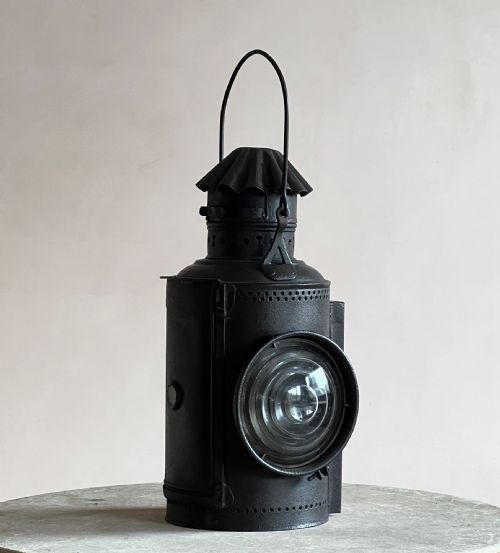


Antique Cast Iron Lamp
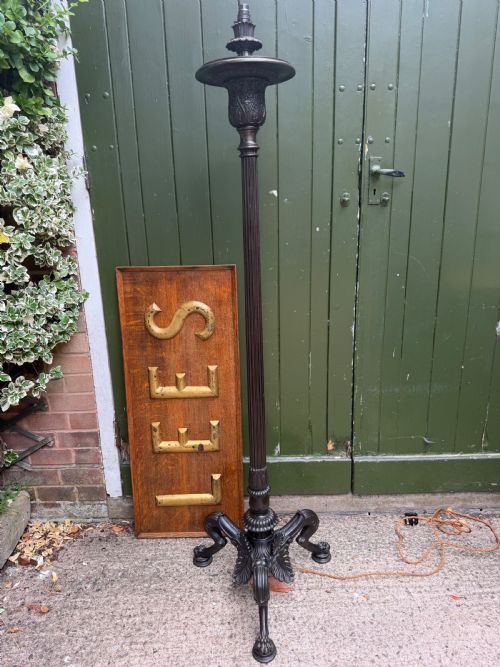
These antique cast iron lamps bring industrial strength and period character to a room, ranging from heavy floor standards to small desk lights.
Antique Cast Iron Lamp
When you search for an antique cast iron lamp, you encounter a wide selection of heavy utilitarian lighting and domestic fixtures. The pieces span floor lamps, wall lights, and desk lamps created across the nineteenth and twentieth centuries.
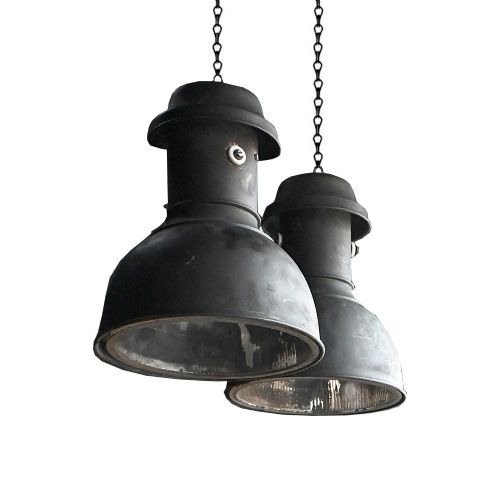
You are most likely to meet standard lamps, oil lamps, and factory lights on this page, reflecting periods from Victorian times through the Art Deco era and the 1930s. Many of these lighting fixtures began as industrial equipment, coach lamps, or street lighting before conversion for domestic interiors.
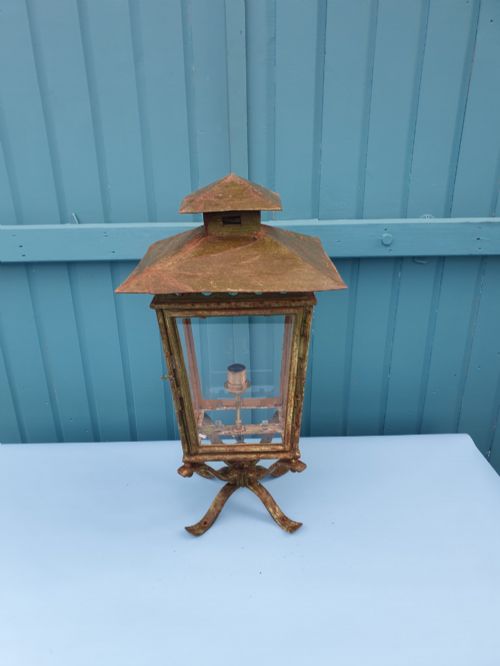
The selection also includes American folk art items and garden lanterns, showing how humble metalwork found a place in homes and gardens. These sturdy objects combine practical engineering with distinct period styles.
What varies in quality
The distinction between standard examples and superior pieces rests on the crispness of the casting and the preservation of original finishes. Finer items retain their early patination, original painted surfaces, and maker markings without excessive pitting.
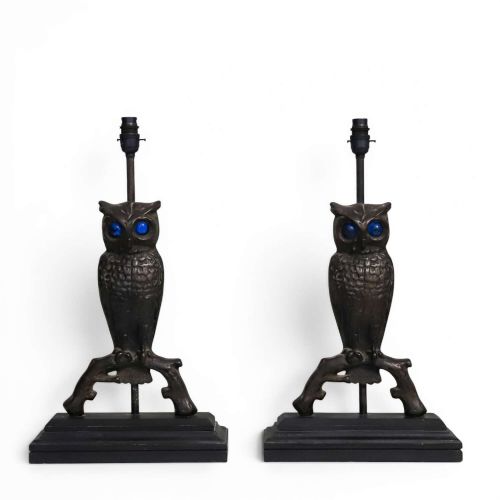
Quality also depends on the integrity of the conversion work, particularly when utilitarian items like railway lanterns or andirons become domestic lamps. Pieces that preserve their original mechanical adjustments and genuine period glass stand apart from heavily altered examples.
Materials across the listings include cast iron, brass, glass, steel, bronze patina, and wood.
Bleriot·Dressel·Revo Tipton·Hawkins
The Antique Cast Iron Lamp Glossary
- Standard Lamp
- A tall floor-standing lighting fixture designed to illuminate a room from a vertical post. These heavy pieces often feature cast iron weighted bases for stability.
- Andiron
- A horizontal metal support used in pairs inside a fireplace to hold logs. Some sturdy examples find new life as converted table or floor lamps.
- Patina
- The surface sheen and colour acquired by metal through age, handling, and oxidation. A desirable bronze or dark patina indicates undisturbed history.
- Torchere
- An ornamental floor lamp modelled after a stand for a torch. These classically inspired pieces frequently showcase decorative metal casting.
- Searchlight
- A directional lighting apparatus with a powerful reflector and housing. Early twentieth-century versions utilise heavy metal construction for industrial durability.
Antique Cast Iron Lamp: Frequently Asked Questions
How do I safely wire an old cast iron lamp?
Most antique metal lamps require modern rewiring to meet current safety standards. A qualified electrician can thread modern flex through the original channels without damaging the vintage metalwork.
Because cast iron and brass components can conduct electricity, proper earthing is essential during any restoration or conversion process.
Were these lamps originally electric?
Many of these lighting fixtures started life as oil lamps, gas lights, street lanterns, or industrial factory units. Conversion to electricity typically happened decades after their initial manufacture to suit changing domestic needs.
Tracing the evolution from gas brackets to desk lamps helps explain the varied fittings and switches found on nineteenth and twentieth-century examples.
How do I clean and care for cast iron?
Maintenance involves gentle dusting with a dry cloth and occasional application of microcrystalline wax to protect the metal surface. Avoid harsh chemical cleaners that can strip original paint or bronze patina.
Keeping the iron dry prevents rust formation, preserving the character and structural integrity of heavy bases and decorative brackets.
How can I tell a Victorian lamp from a 1930s piece?
Victorian examples often lean towards classical Grecian design or ornate folk art, featuring heavy ornamentation and gas or oil configurations. Twentieth-century pieces from the 1930s tend to display streamlined industrial utility or Art Deco influences.
Examining the manufacturing marks, switches, and shade materials provides clear clues regarding the decade of production.