


Antique Cast Iron Grate
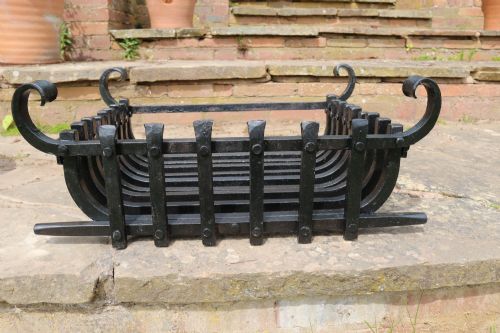
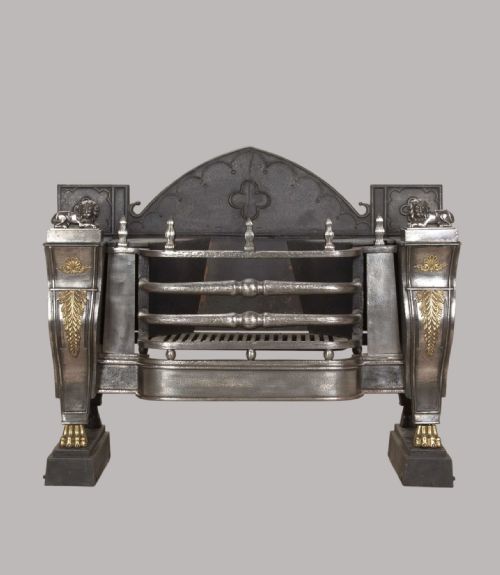
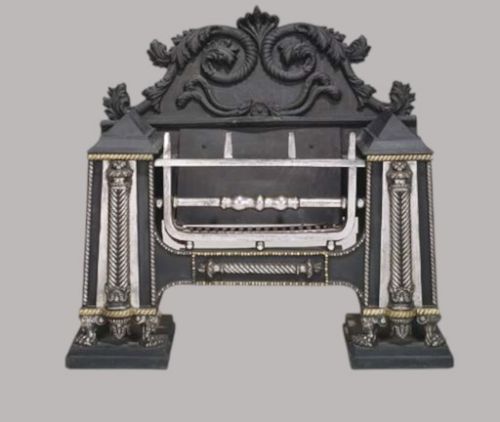
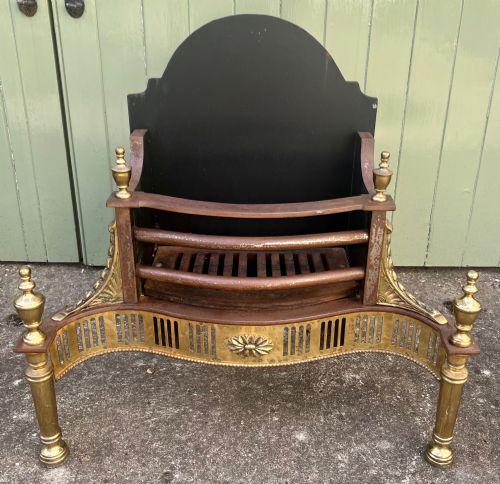
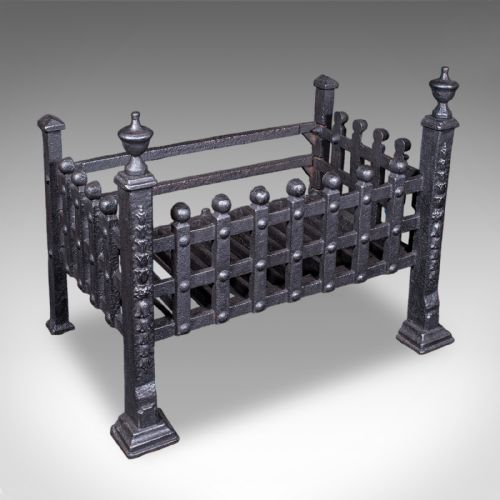
When you search for an antique cast iron grate, you uncover heavy hearth furniture built to hold coal or wood safely inside period fireplaces.
Antique Cast Iron Grate
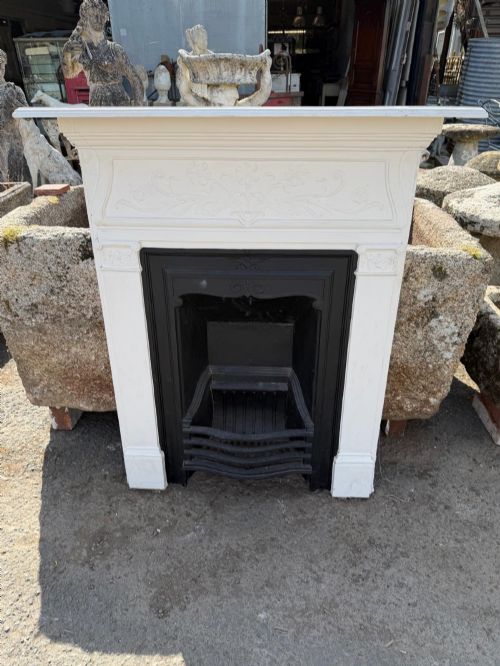
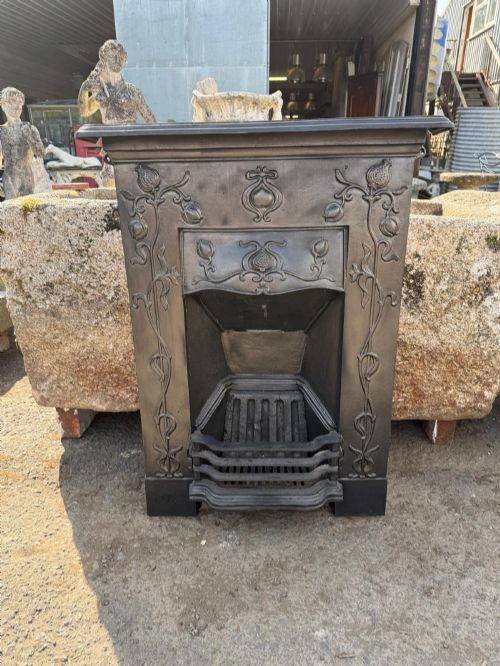
An antique cast iron grate provides the structural basket or hearth insert required to burn fuel within a chimney. Buyers encountering these pieces will find them spanning several centuries, including Georgian register designs, Regency hob grates, Victorian fire baskets, and later Arts and Crafts interpretations.
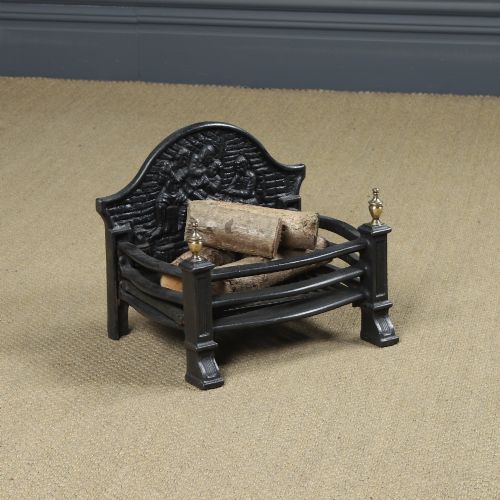
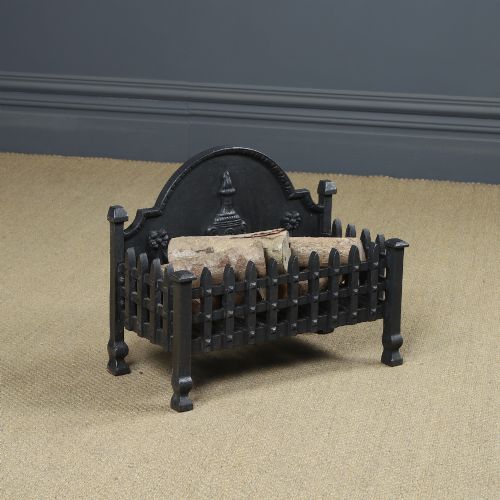
The physical formats vary from simple drop-in baskets and combination fireplaces to large freestanding hearth sets complete with andirons and firebacks. Many examples incorporate brass detailing or firebrick linings alongside the primary metal structure.
How They Were Made
Foundry workers poured molten metal into sand moulds to create the rigid components, decorative firebacks, and intricate fascias characteristic of these hearth furnishings. Wrought iron elements were hammered by hand for components requiring extra tensile strength, such as basket bars and handles.
Makers frequently combined cast iron with forged iron, brass fittings, and firebrick backs to manage intense heat and provide decorative contrast. Surface finishing relied on traditional blacking, polishing, or leaving the raw cast metal exposed to the elements.
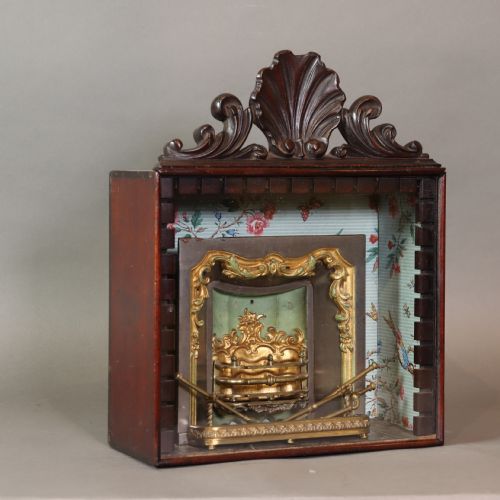
Object forms span fire baskets, combination fireplaces, register grates, and miniature salesman samples.
What Varies in Quality
The standard of a grate depends heavily on the crispness of the casting detail and the architectural ambition of the design style, such as Neo-Gothic or Neoclassical motifs. Heavier metal gauge and integrated brass embellishments indicate higher status production.
Completeness dictates much of the desirability, with original matching andirons, firebacks, and fenders elevating the piece far beyond a lone basket. The integrity of the structure under thermal stress separates robust utilitarian examples from finely detailed parlour pieces.
Coalbrookdale
The Antique Cast Iron Grate Glossary
- Fire Grate
- A metal basket or support designed to hold solid fuel like wood or coal inside a fireplace. These units sit within the hearth opening or function as freestanding assemblies.
- Andirons
- Supporting metal bars placed on either side of a hearth to hold logs, often featuring decorative front pillars. They frequently accompany fire baskets in larger fireplaces.
- Hob Grate
- A fireplace grate featuring flat iron shelves on either side for heating kettles or food. This form is particularly associated with the Regency and Georgian periods.
- Register Grate
- A fireplace insert featuring a built-in flap or damper to control the draught escaping up the chimney. They became common during the nineteenth century to improve heating efficiency.
- Fireback
- A heavy cast iron plate placed at the back of a fireplace opening to protect the masonry and reflect heat into the room.
Antique Cast Iron Grate: Frequently Asked Questions
What is a cast iron grate?
A cast iron grate is a heavy metal basket or hearth insert built to contain burning wood or coal inside a fireplace.
These pieces use durable cast metal to withstand high temperatures while distributing heat effectively into a room.
How do I style an antique grate?
Many buyers place these grates inside period chimney breasts as working hearths or decorative focal points with dried logs. Freestanding versions work well paired with matching andirons and brass fireplace accessories.
Smaller examples can also sit within decorative surrounds without being connected to a working chimney.
How do I tell Victorian grates apart?
Victorian grates often display heavier proportions and incorporate ornate styles ranging from Gothic Revival to Arts and Crafts motifs. They frequently appear as combination fireplaces or robust fire baskets paired with iron andirons.
Earlier Georgian and Regency pieces tend to feature lighter neoclassical lines or integrated hobs.
Did these grates burn coal or wood?
Most period grates were designed to accommodate either coal or wood depending on the depth of the basket and the spacing of the bars. Smaller basket grates suited coal, while wider formats with andirons accommodated logs.
Users should check the spacing of the bottom bars to determine the intended fuel type.