


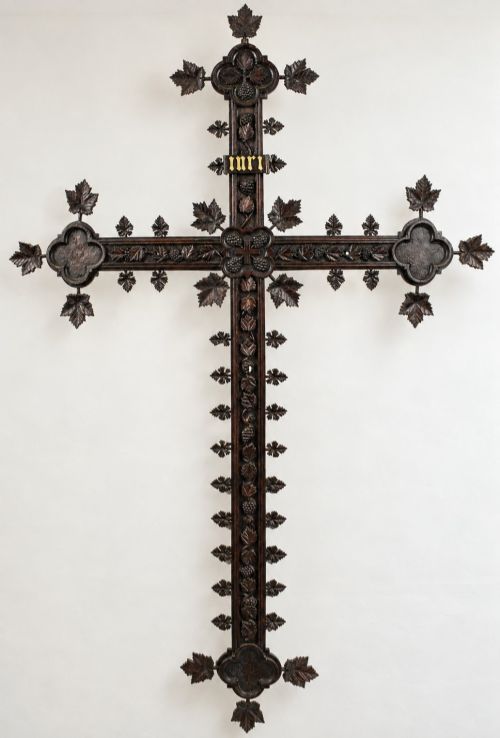
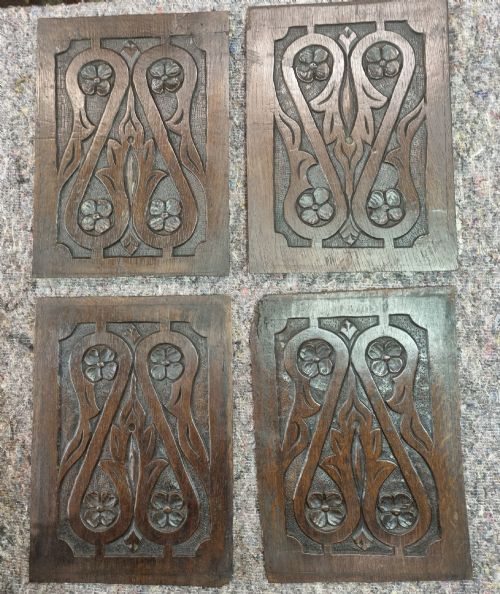

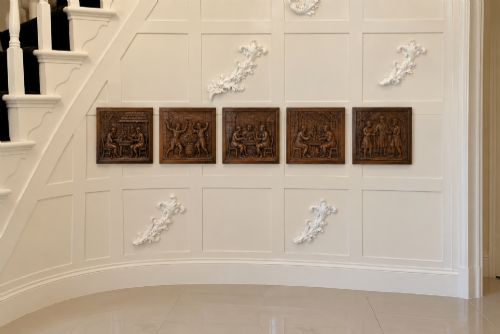
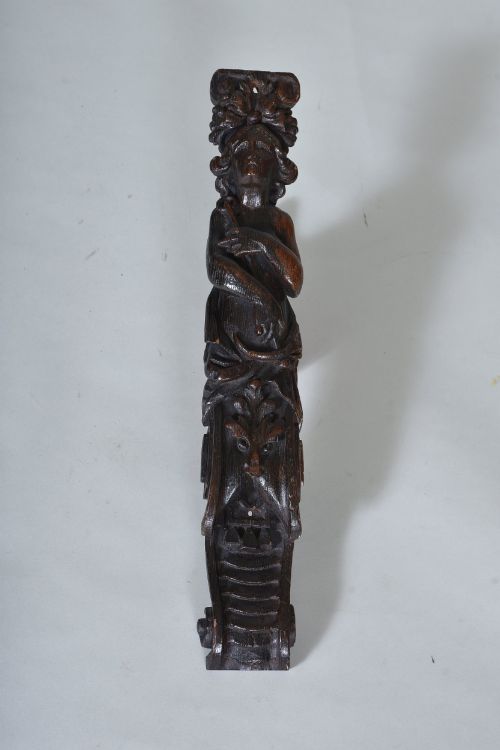
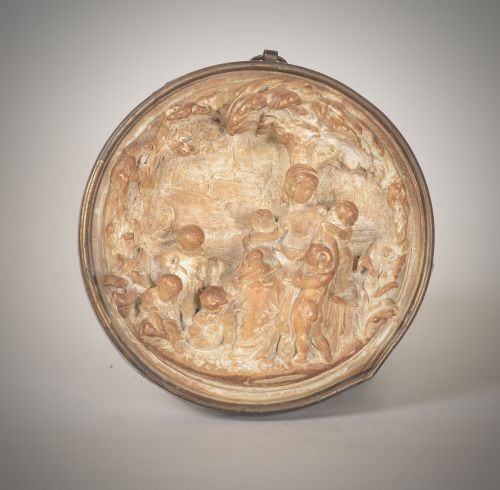
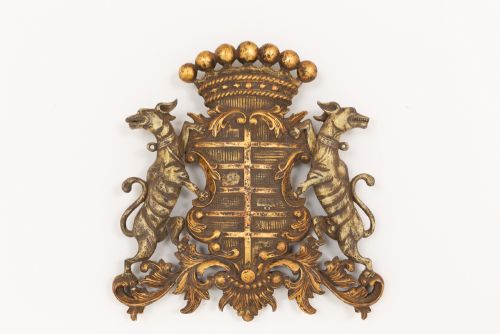
Antique Carving Plaque
An antique carving plaque brings centuries of timber craftsmanship and sculptural detail straight to your walls.
Antique Carving Plaque
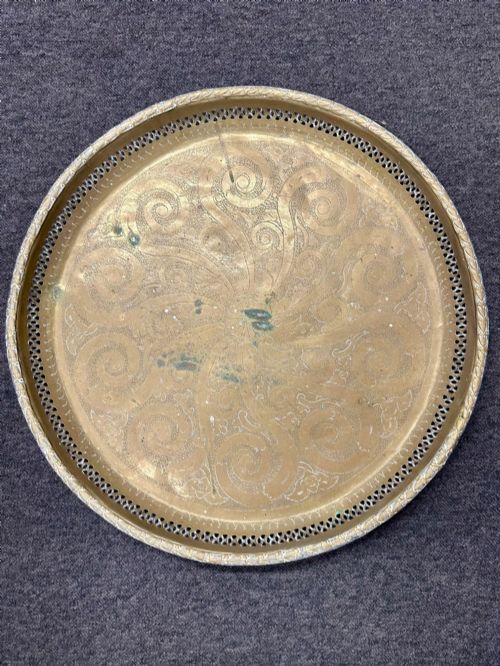
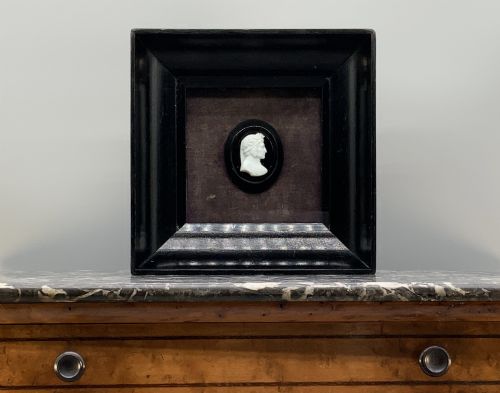
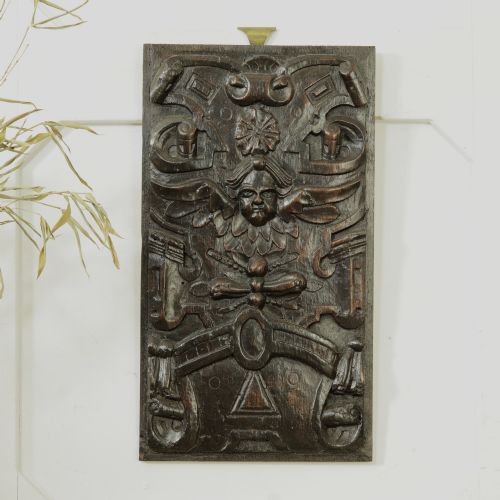
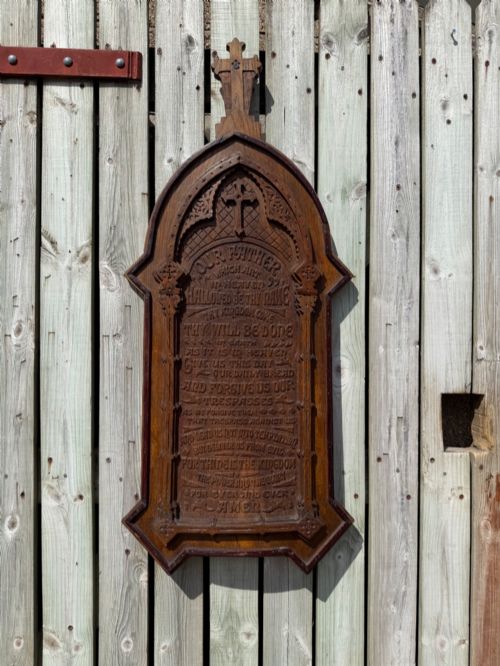
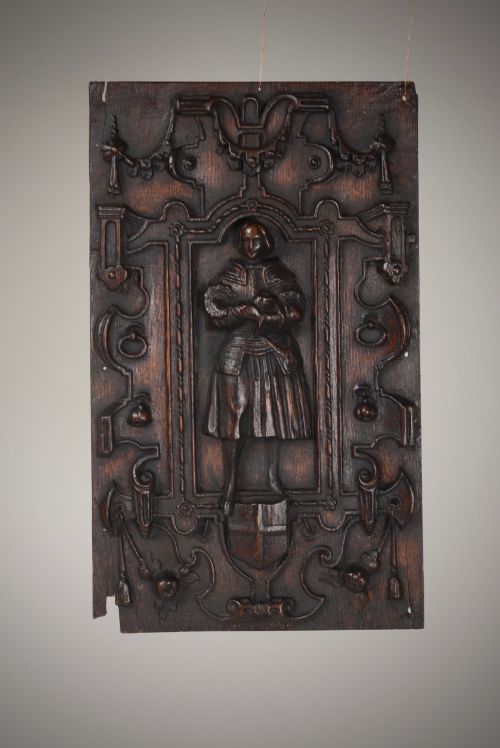
Every antique carving plaque on this page represents a piece of historical architectural salvage or standalone wall art. Buyers search for this term to find decorative wall panels, reliefs, and sculptural carvings that transform plain interiors. These items range from small portrait plaques to large wall sculptures and sets of panels.
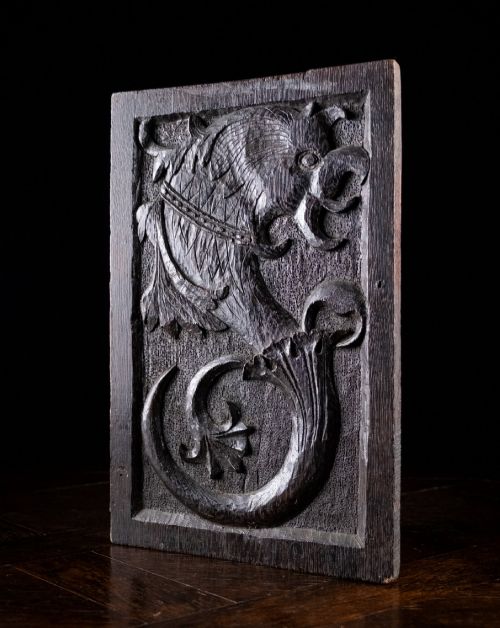
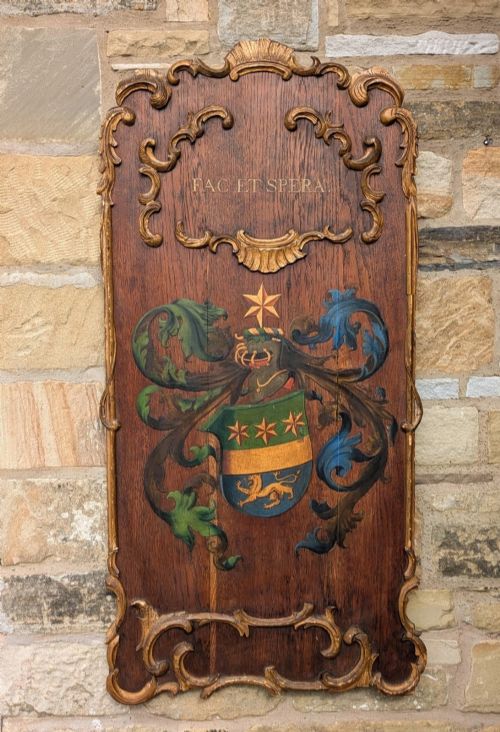
The pieces appearing most frequently originate across the seventeenth, eighteenth, and nineteenth centuries. Oak and various carved woods dominate the selection, often taking the form of wall plaques, armorial shields, and figural reliefs. Styles span from Gothic Revival and Renaissance Revival to Black Forest and French Rococo.
Originating from diverse European and global workshops, these carvings serve as focal points in period rooms and modern spaces alike. Collectors encounter items originally fashioned for domestic interiors, ecclesiastical settings, and formal institutional displays.
How they were made
Carpenters and carvers utilised solid timbers such as oak, chestnut, walnut, and fruitwood, shaping them with gouges, chisels, and mallets. High-relief carving techniques allowed artisans to create deep shadows and three-dimensional depth, particularly visible in architectural panels and figural depictions.
Surface treatments often included hand painting, polychrome highlights, or ebonising to enhance the grain and detail of the timber. Some specialised plaques incorporate contrasting materials like brass, glass, or ivory, secured expertly into the wooden body.
Antique Carving Plaque Retail Price Guide 2026
Typical asking prices for carving plaque among the pieces listed under this phrase on Sellingantiques today, from the lower quarter to the upper quarter. They describe what is for sale here now, not the wider market.
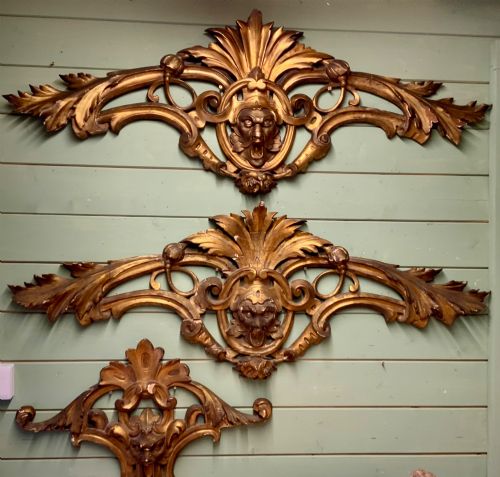
Several panels feature the green man motif, peering out from dense foliage with an expression that has puzzled homeowners for centuries.
What varies in quality
The distinction between ordinary and exceptional pieces lies entirely in the depth and sharpness of the hand carving. Master carvers achieved anatomical precision and fluid drapery, whereas lesser examples show stiff lines and shallow, hurried tool marks.
Preservation of the original timber surface without excessive modern sanding dictates desirability. Pieces retaining their early patination and untouched finishes command greater appreciation from experienced collectors.
W Grey And Co·Nanninga Uitterdyke·Van Rijckevorsel And Verheijen
The Antique Carving Plaque Glossary
- Relief
- A sculptural technique where the sculpted elements remain attached to a solid background of the same material. High relief projects significantly from the plane.
- Architectural salvage
- Building elements removed from older structures for reuse or display as decorative art. These often include panels and carved lintels.
- Polychrome
- The practice of decorating architectural elements, sculpture, and pottery in a variety of colours. Painted wooden panels frequently employ this finish.
- Armorial
- Relating to heraldry or coats of arms. Carved armorial plaques display family crests and lineage symbols.
- Linenfold
- A style of wooden panel moulding used in interior decoration to imitate folded linen. This geometric design appears widely on period panels.
Antique Carving Plaque: Frequently Asked Questions
Where should I hang a wall plaque?
These pieces suit prominent wall spaces in living rooms, hallways, or libraries where their sculptural depth can be fully appreciated. Placing them at eye level allows the viewer to examine the intricate chisel work and grain of the wood.
Ensure the wall structure can support the weight of denser timbers such as oak. Proper picture wire or flush mounting brackets keep heavy panels secure against the wall.
How do I care for antique carved wood?
Keep wooden plaques away from direct heat sources and strong sunlight to prevent the timber from drying out and splitting. Dust gently with a soft, dry brush to maintain the surface without damaging delicate protruding details.
Avoid using modern liquid polishes or silicone sprays, which can build up in the recessed carved areas and attract dust. A light application of microcrystalline wax once a year helps nourish older wood.
How can I tell the period of a carved panel?
Examine the tool marks left on the reverse side of the wood, as hand adzing and early sawing methods indicate older manufacturing dates. The style of the carving, such as seventeenth-century geometric patterns or nineteenth-century Gothic Revival motifs, also provides strong clues.
Wear patterns, timber shrinkage, and the type of fixings or nails used help corroborate the age of the piece. Comparing the overall patina to dated examples from the same region refines the timeline.
Were these always meant for walls?
Many items began as cabinet doors, architectural woodwork, or tabletops before later being converted into wall art. Salvaged panels often retain structural rebates or hinges from their original functional context.
Over the centuries, owners frequently mounted dismantled furniture elements onto boards to preserve and display fine carvings. Such adaptations are a normal part of the history of architectural salvage.