
Antique Carver Seat
An antique carver seat offers the substantial arms and presence of a traditional dining or desk armchair, bridging formal mahogany craftsmanship and robust country vernacular design.
Antique Carver Seat
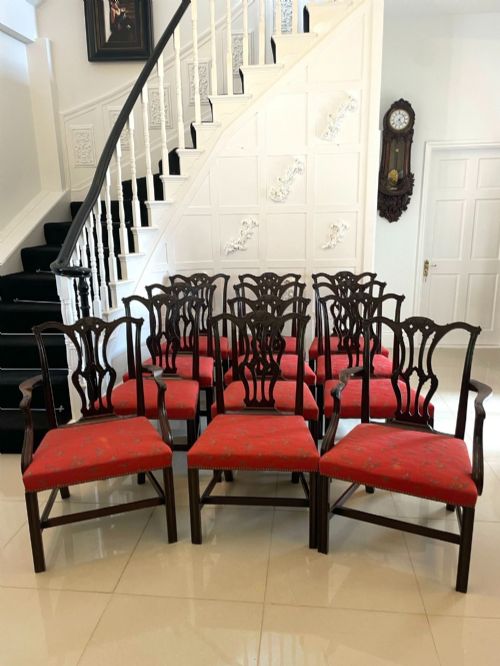
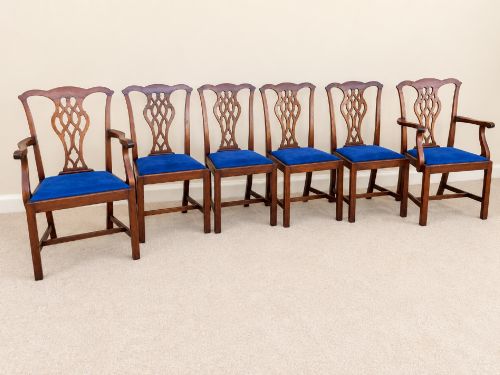
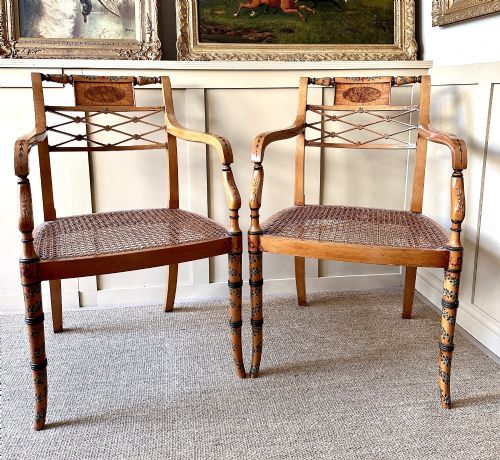
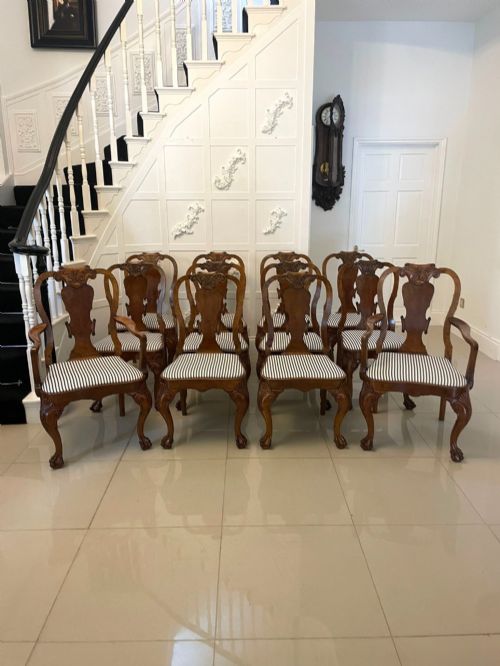
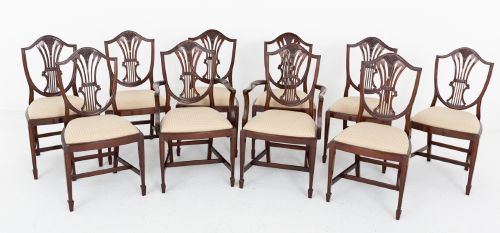
An antique carver seat functions as an armchair companion to dining sets or stands alone as a desk and morning room chair. Buyers encounter formal mahogany iterations bearing shield backs or Chippendale influence alongside sturdy regional Windsors shaped from elm, ash, and yew.
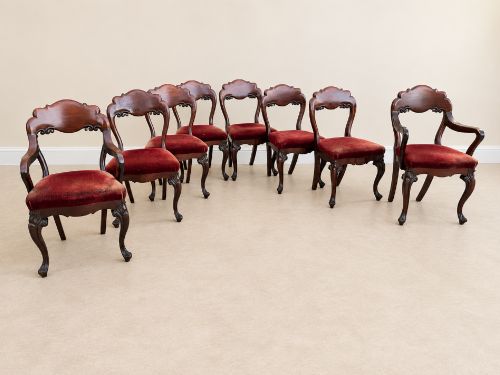
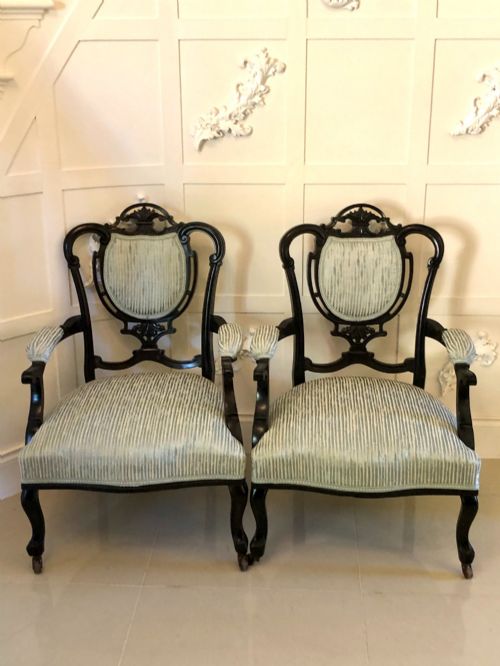
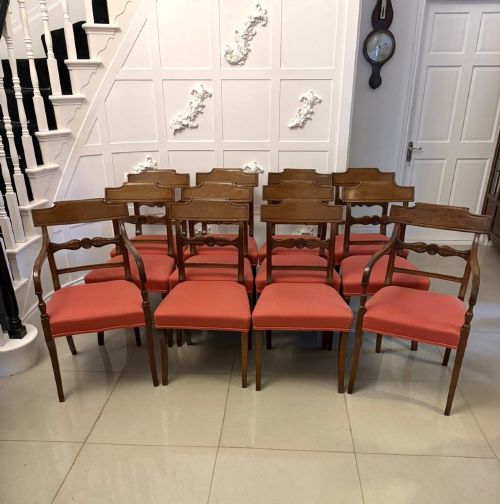
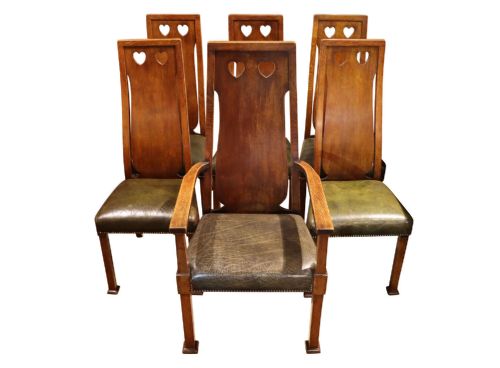
The selection spans centuries of British and continental cabinetmaking, ranging from 18th-century Georgian forms to Victorian and Edwardian revivals. These seating pieces appear individually, in pairs, or as principal armchairs paired with matching sets of single dining chairs.
Materials and construction methods
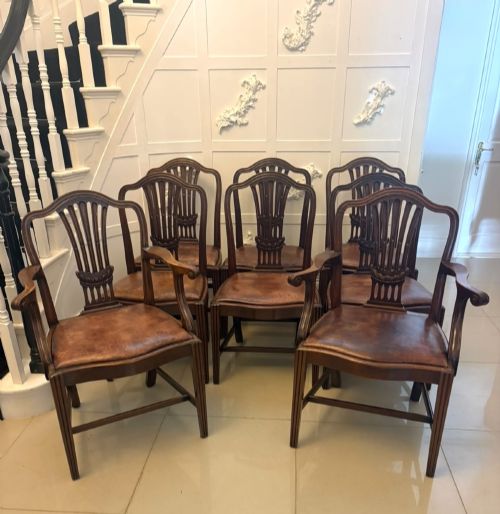
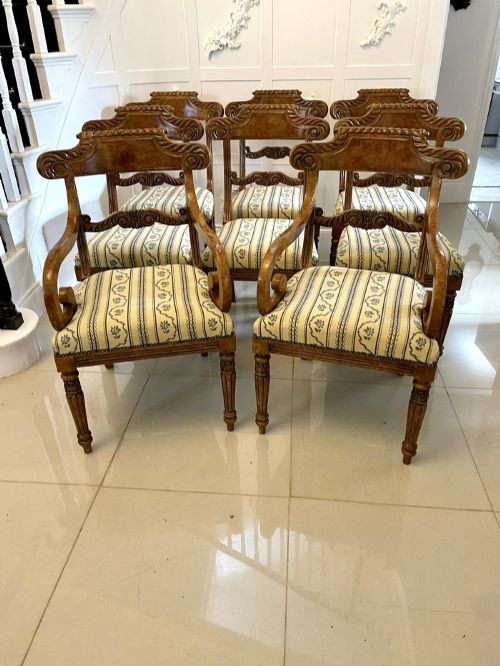
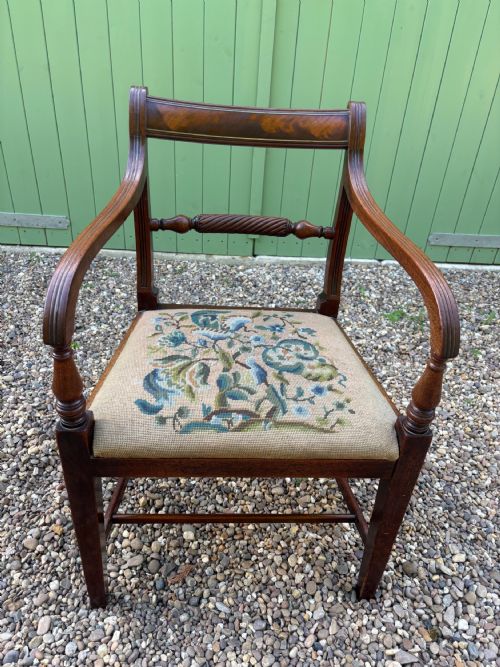
Cabinetmakers utilised dense hardwoods such as mahogany, oak, and walnut for formal dining armchairs, employing carved splats, pegged joints, and upholstered drop-in seats covered in leather, fabric, or tapestry. Regional country seats relied on steam-bent ash, turned beech, and solid elm saddles.
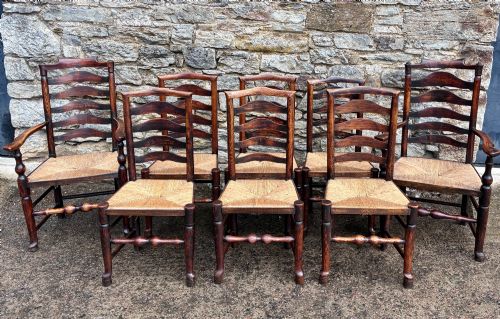
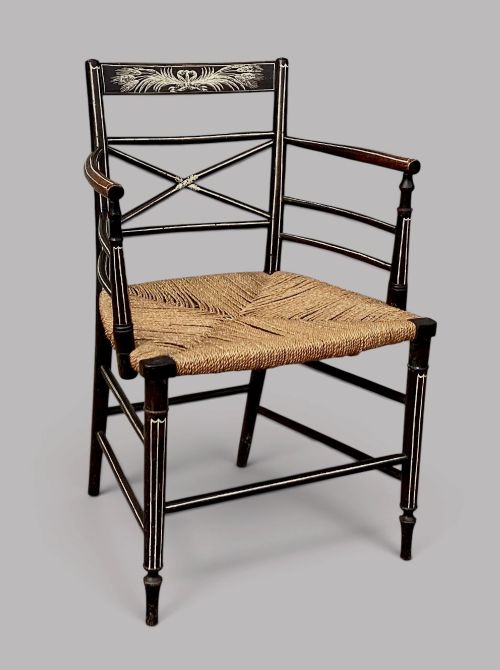
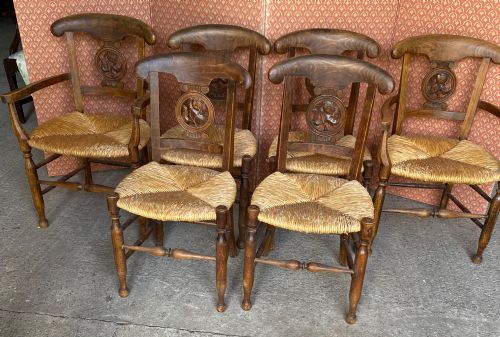
Surface finishes include original paint, waxed polish, and polished hardwood grains that highlight traditional joinery like mortise and tenon frames. Caned panels and rush seating provide lightweight texture on specific Regency and country ladderback models.
Listings feature periods spanning the 18th century through the Georgian, Regency, Victorian, and Edwardian eras, alongside 1920s revival pieces.
Distinguishing grades of craftsmanship
Quality rests in the crispness of hand-carved details, such as ribbon-back splats or fluted legs, versus softer mechanical shaping seen in later revival pieces. Timber selection also dictates standing, with figured mahogany and well-matched yew and elm combinations holding greater distinction than plain secondary timbers.
Structural integrity depends on tight joints and original components rather than extensive timber replacement. Pieces retaining their early finish and undisturbed seat frames command stronger appreciation among collectors.
Liberty Morris And Co·Maple And Co·Warings
The Antique Carver Seat Glossary
- Carver seat
- An armchair, traditionally placed at the head of a dining table or utilised at a desk, featuring integral armrests. The term distinguishes the armed chair from the matching single chairs in a dining set.
- Windsor chair
- A wooden seating form featuring a solid carved wooden seat saddle into which legs and spindle backs are wedged. Common regional variations utilise elm, ash, and yew.
- Shield back
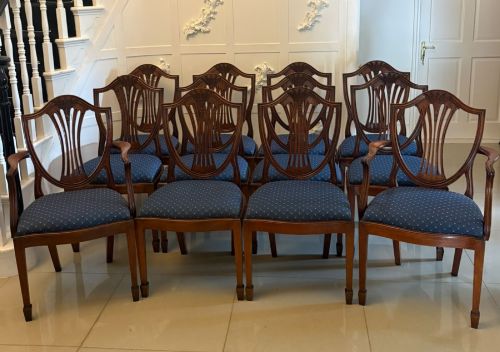
- A dining chair backrest shaped in the outline of a heraldic shield, popular during the late 18th century and later revived in Edwardian suites. This design often incorporates carved wheatears or drapery motifs.
- Drop-in seat
- An upholstered frame designed to drop neatly into a wooden seat rail rebate without permanent fixings. This construction allows easy reupholstery without disturbing the structural chair frame.
- Ladderback
- A chair back featuring multiple horizontal wooden rails between the upright stiles. Country versions frequently paired these frames with woven rush seats.
Antique Carver Seat: Frequently Asked Questions
What is an antique carver seat?
An antique carver seat is an armed chair designed to match a set of dining chairs or to serve independently as a desk or hall chair. These pieces incorporate supportive armrests and reflect the prevailing furniture styles of their respective periods.
They appear in formal timbers like mahogany with upholstered drop-in pads, as well as in country woods such as elm and ash with solid saddle seats.
How do I date an antique carver seat?
Dating relies upon timber choice, joinery techniques, and stylistic markers shared with documented furniture eras. Georgian pieces often display hand-carved mahogany splats, while Victorian and Edwardian examples lean toward heavier revival motifs or steam-bent Windsor construction.
Examining the underside reveals tool marks and construction methods that help separate 18th-century originals from later 19th-century and 20th-century reproductions.
Were carver seats used only for dining?
While frequently paired with dining tables as host chairs, carver seats also functioned as morning room, reception, and study desk seating. Their supportive arms made them suitable for sitting while reading or writing.
Desk and library iterations often feature lower proportions or sturdy timber frames built to withstand daily administrative work.
How do I care for a wooden carver seat?
Preserving these wooden seats involves maintaining stable indoor humidity to prevent timber splitting and joint loosening. Regular application of suitable furniture wax protects the polished surface.
Upholstered drop-in pads and cane panels require gentle cleaning suited to fabric or natural plant fibres to avoid degrading historic materials.