

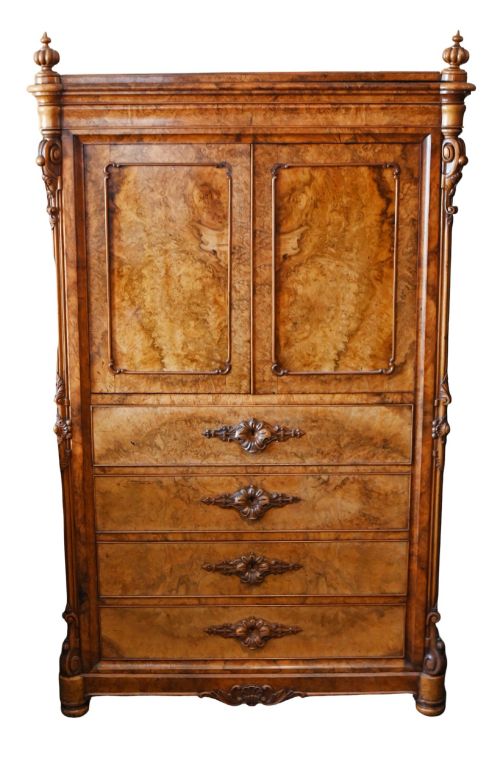
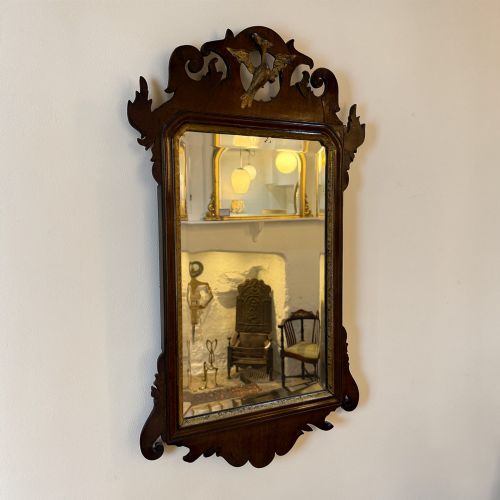
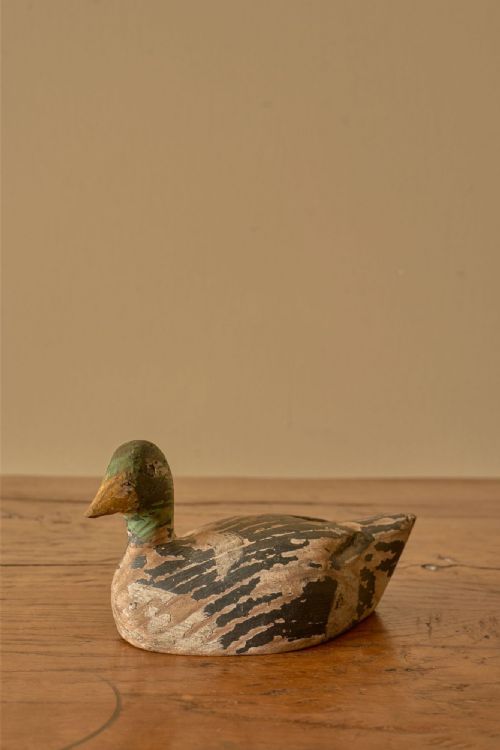
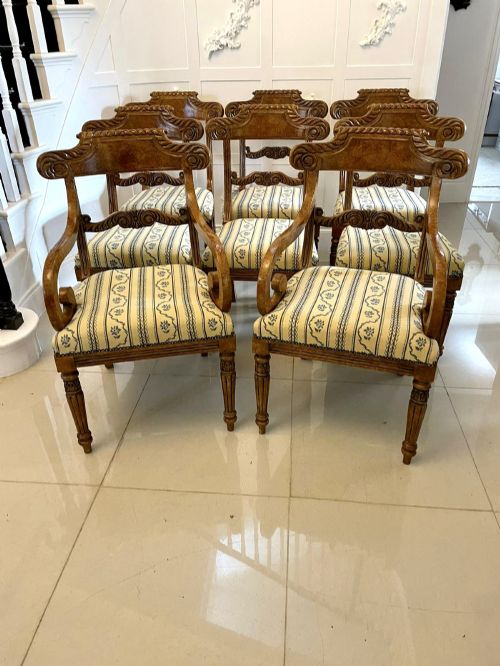

Antique Carved Wood Bird
These antique carved wood bird figures and utilitarian decoys bring tactile warmth and regional character straight into a room.
Antique Carved Wood Bird
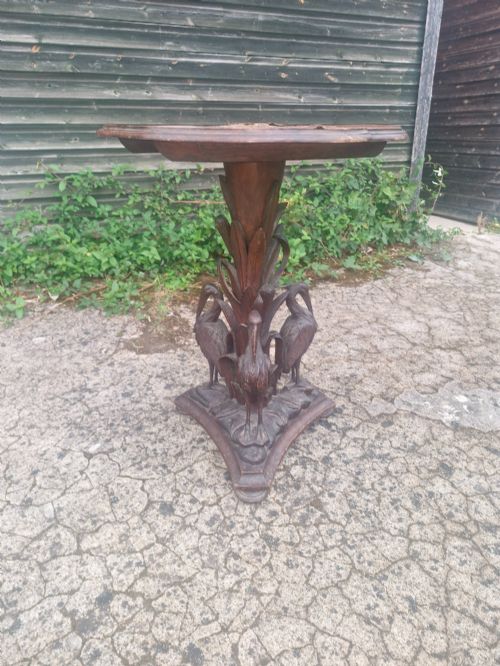
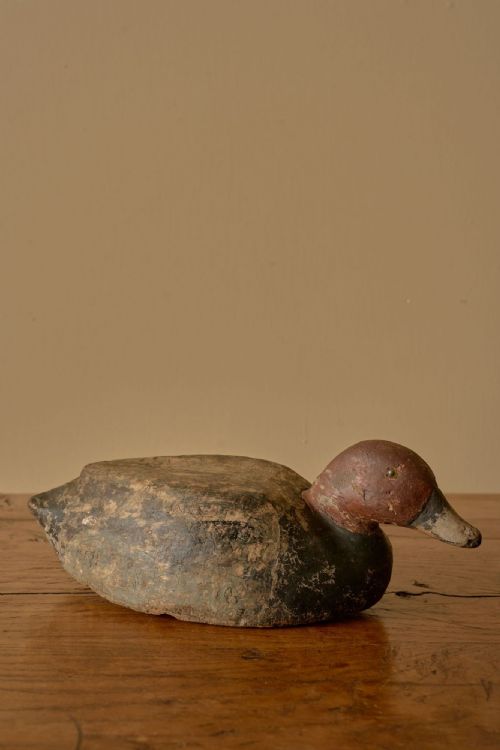
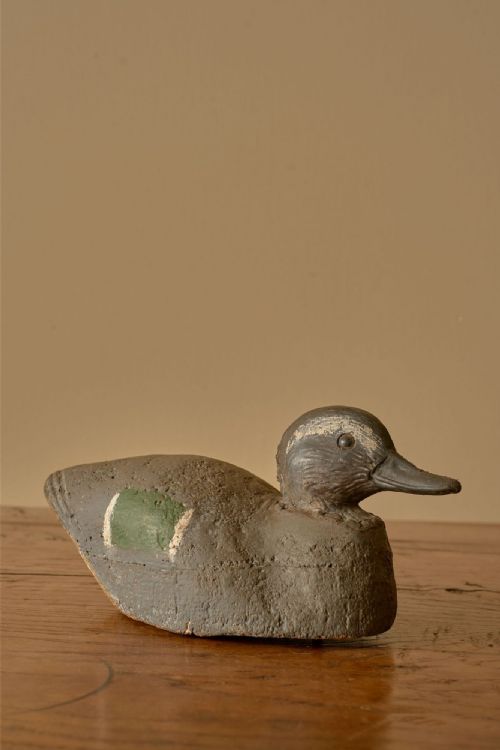
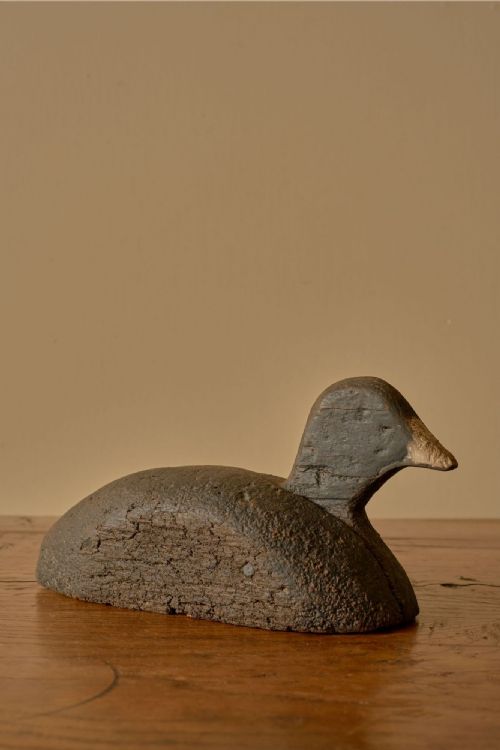
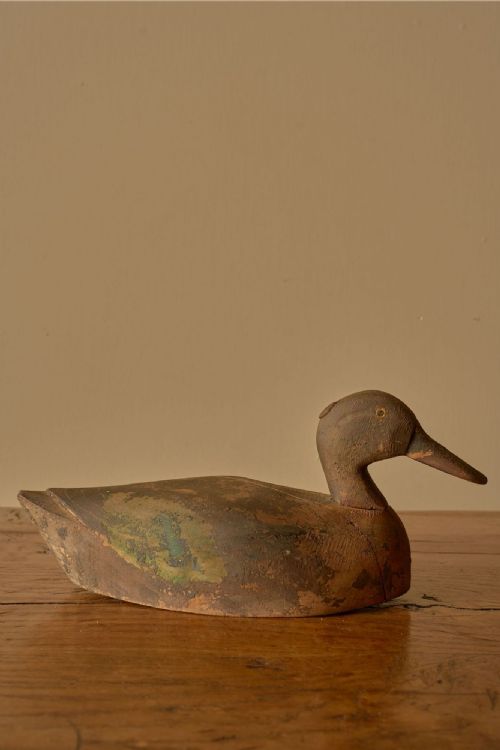
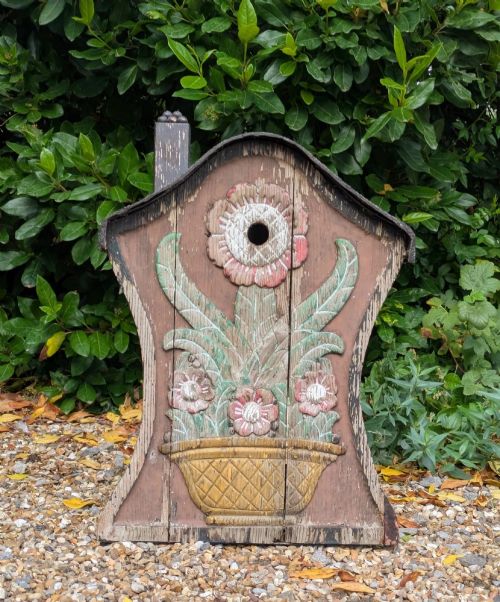
An antique carved wood bird typically takes the form of a working waterfowl decoy, a decorative folk art carving, or an expressive sculptural animal from the Black Forest tradition. These pieces originate across the nineteenth and early twentieth centuries, spanning Victorian, Edwardian, and regional folk movements.
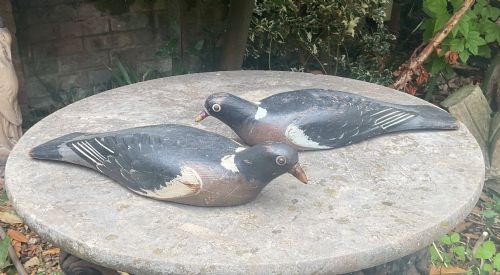
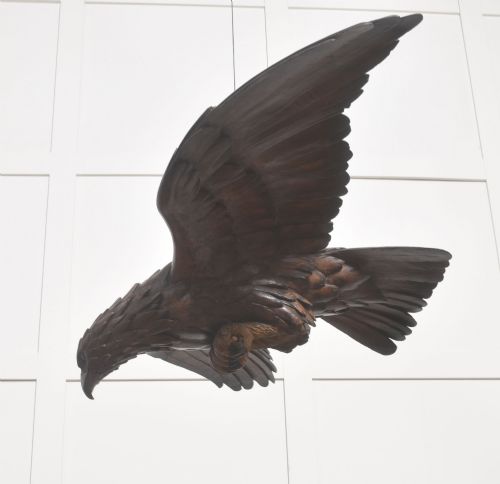
On this page, buyers most frequently encounter working decoy ducks and pigeons alongside continental Black Forest carvings. Working decoys often show practical hand-painted finishes from years on the water, while Black Forest pieces demonstrate intricate naturalistic detailing in domestic settings.
Materials and construction methods
Carvers typically shaped these objects from native solid timbers such as walnut or painted pine, employing hand tools to block out body forms and define feather texturing. Many utilitarian waterfowl decoys received layered oil-based paint coats to mimic natural plumage and withstand outdoor use.
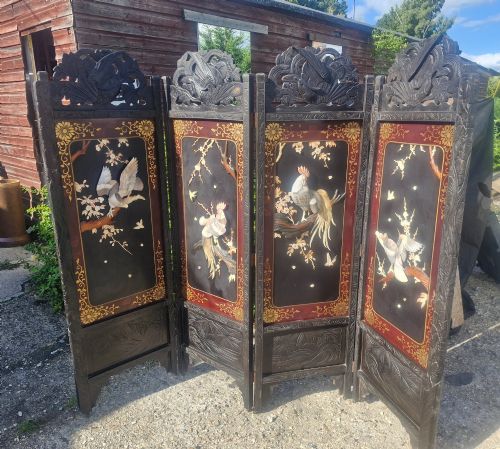
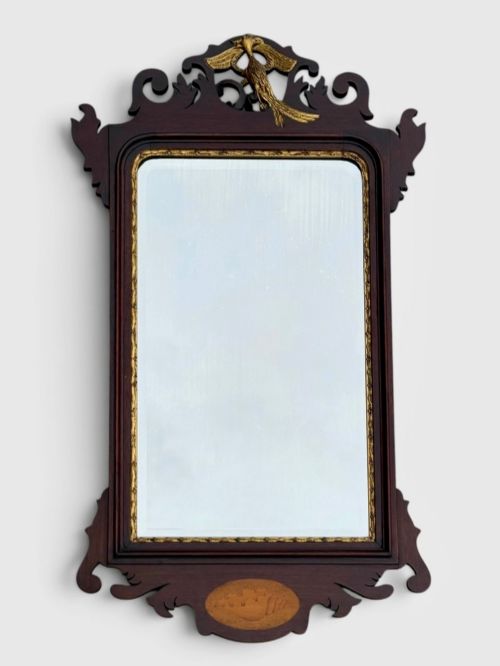
Continental decorative items utilised precision hand-carving knives to build up deep relief foliage and plumage textures. Certain mirrors and decorative frames incorporated applied gesso details or surface gilt alongside the primary wooden substrate.
Antique Carved Wood Bird Retail Price Guide 2026
Typical asking prices for carved wood bird among the pieces listed under this phrase on Sellingantiques today, from the lower quarter to the upper quarter. They describe what is for sale here now, not the wider market.
The listings on this page span the Victorian and Edwardian eras, featuring timber materials such as walnut alongside painted pine.
Assessing quality in carved avian objects
Quality rests primarily in the anatomical accuracy and proportional balance of the carving, combined with the integrity of the surface finish. Decoys with untouched, weathered original paint command greater interest than those stripped or aggressively overpainted.
The crispness of the feather separation and the depth of the undercutting separate standard workshop output from exceptional examples. Surviving glass eyes, original mounting stands, and unblemished carved wooden crests add significant visual merit.
The Antique Carved Wood Bird Glossary
- Black Forest
- A style of nineteenth-century Swiss and German wood carving renowned for realistic animal sculptures and domestic items. These pieces frequently feature bears, birds of prey, and intricate foliage.
- Decoy
- A carved and painted wooden representation of a bird utilised by hunters to attract waterfowl. Working examples display honest wear from outdoor deployment.
- Giltwood
- Timber that has been coated with a thin layer of gold leaf or metallic gilt gesso. It appears frequently on nineteenth-century mirror frames and ornamental wall brackets.
Antique Carved Wood Bird: Frequently Asked Questions
How do I clean antique carved wood?
Dust surfaces gently using a soft, dry natural bristle brush to protect delicate carved feather tips and aged paint layers.
Avoid applying water, chemical sprays, or modern furniture polishes, as moisture damages historic dry-scrape or oil-based finishes.
Are these decoys suitable for outdoor use?
These historical wooden decoys are intended exclusively for indoor display and decorative collections today.
Exposing fragile nineteenth-century timber and original painted surfaces to modern weather conditions will cause rapid splitting and paint loss.
How do I distinguish Black Forest carvings?
Black Forest carvings are identified by deeply undercut naturalistic foliage, rich dark walnut timber, and animal subjects.
They frequently manifest as clocks, inkwells, and wall mirrors rather than simple flat wall panels.
How do I date a wooden decoy?
Dating relies on examining the tool marks left by hand-drawn axes or early band saws, alongside the composition of the paint layers.
Iron ballast weights, nail construction, and specific regional silhouette traits also help narrow down the period of production.