


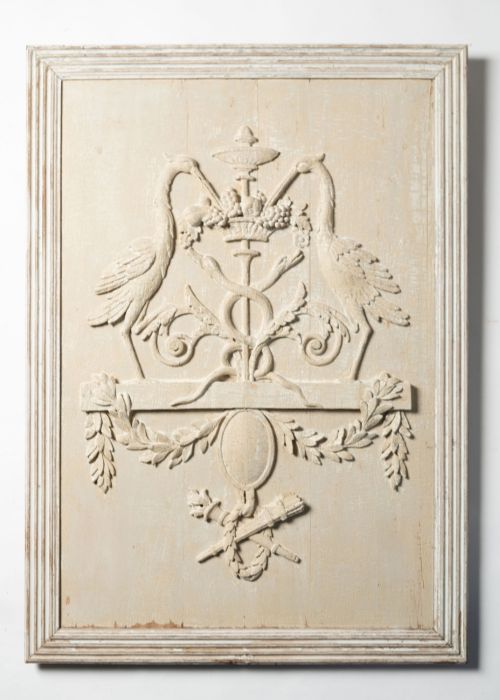
Antique Carved Wall Art
Antique carved wall art brings together centuries of timber, canvas and metal fashioned to hang and catch the eye.
Antique Carved Wall Art
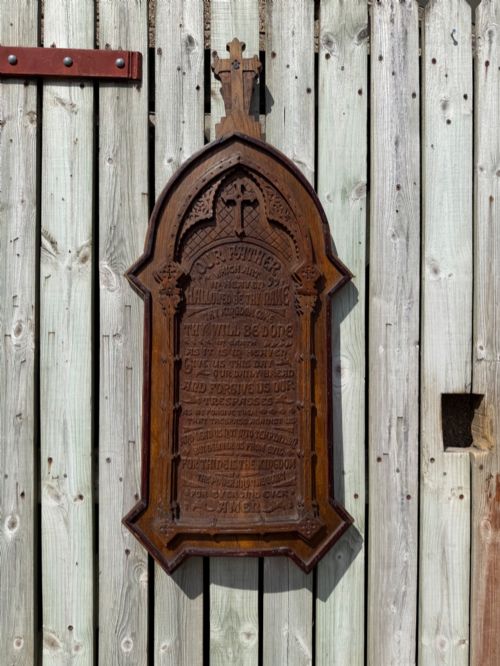
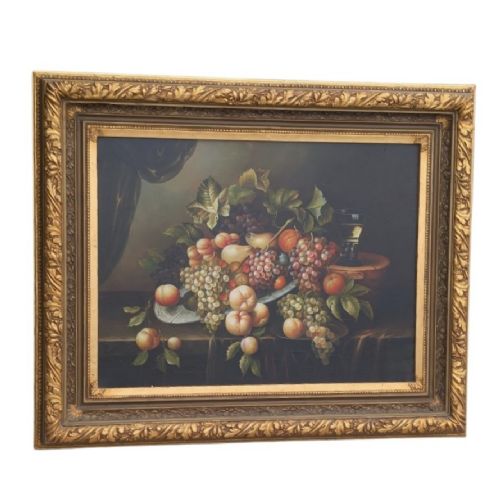
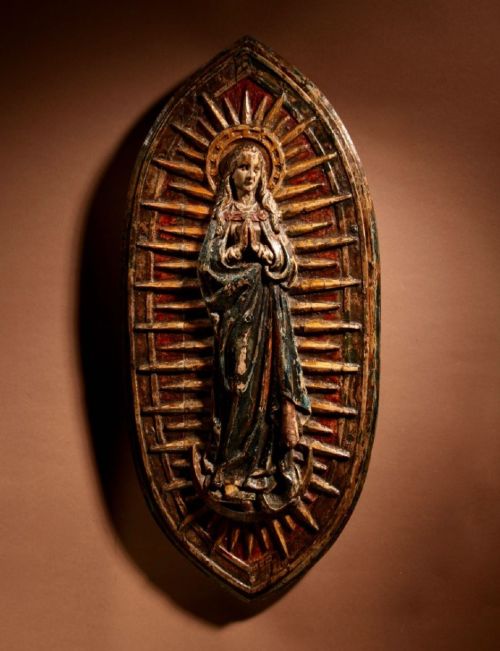
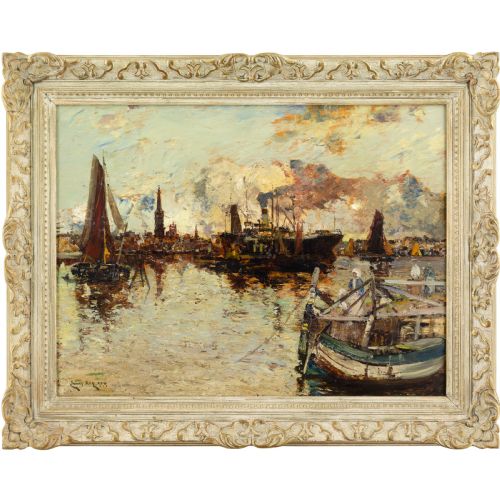
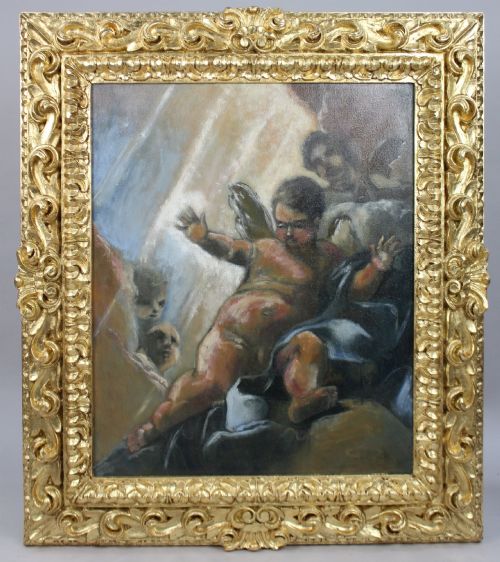
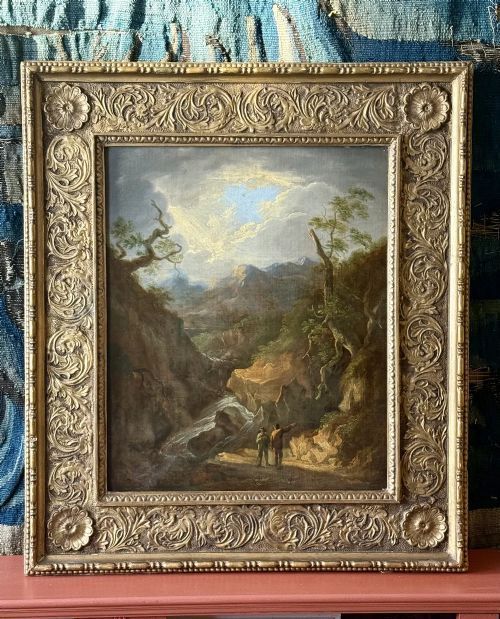
Antique carved wall art encompasses a diverse array of hanging objects, from oil paintings set in ornate surrounds to wooden reliefs and panels. Buyers encounter pieces spanning several centuries, crossing styles such as Baroque, Georgian, Arts and Crafts, and Art Deco.
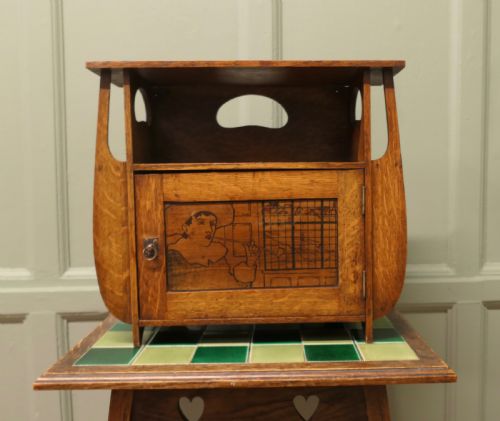
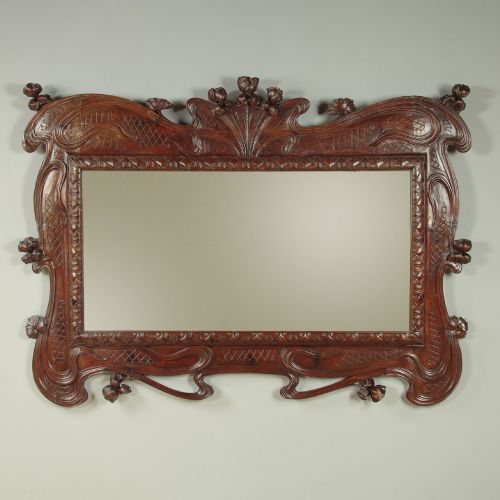
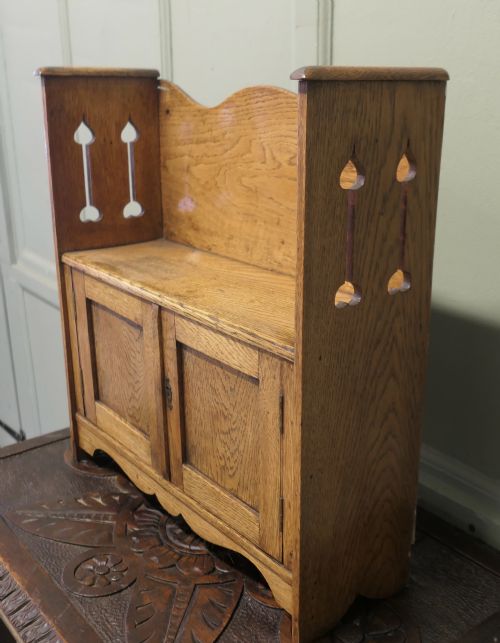
The selection ranges from functional items adapted for display, such as carved wall cabinets and mirrors, to dedicated sculptural plaques and painted portraits. Oak and carved wood dominate the wooden category, alongside canvas oils and framed prints.
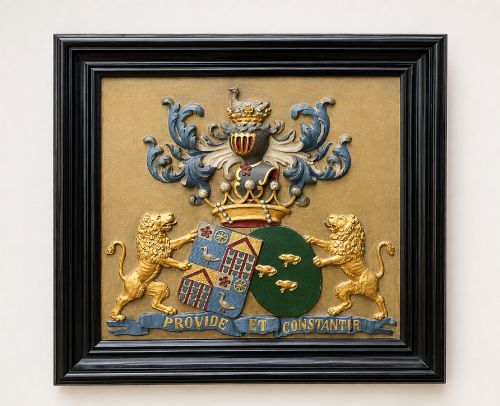
Earlier examples lean towards ecclesiastical and heraldic subjects, including medieval panels and Dutch marriage plaques, while later items embrace floral reliefs, folk art trophies, and geometric clock surrounds.
How they were made
Makers shaped these items using traditional joinery and hand-carving techniques, working primarily with solid timbers like oak, chestnut, and walnut. Wood panels received intricate chip-carving or deep relief work, often finished with giltwood accents.
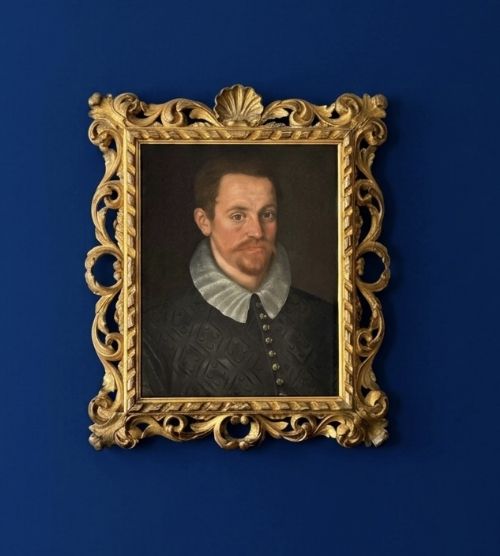
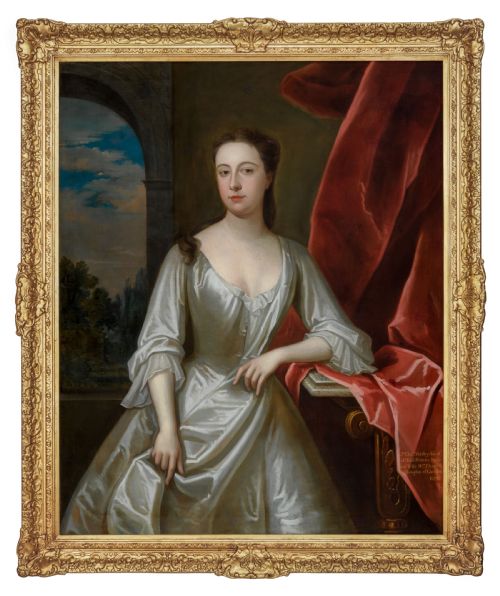
Painted works utilise oil on canvas or panel, housed within contemporary or later carved frames of wood and brass. The construction combines structural framing with applied decorative elements, such as over-door cherubs and floral baskets.
A carved wooden deer head brings authentic forest trophy charm indoors without any actual hunting required.
What varies in quality
The standard of a piece rests upon the depth and precision of the hand-carving and the harmony between the object and its frame. Crispness in botanical or figural relief separates masterwork joinery from simpler production.
Material selection dictates longevity and visual weight, with dense timbers like oak and chestnut holding finer chisel lines than softer woods. Original surfaces and untouched patination elevate the standing of panel carvings and framed oils alike.
Sir Godfrey Kneller·Benjamin Barker of Bath·John Michael Wright·Arthur Simpson of Kendal
The Antique Carved Wall Art Glossary
- Giltwood
- Wood that has been coated with gold leaf or a gold-coloured metallic finish. This technique highlights carved details on mirror frames and altarpieces.
- Chip-carving
- A style of relief carving where small triangles or chips are removed from a flat surface to create geometric patterns. It appears frequently on domestic boards and panels.
- Mangle board
- A flat wooden board with a handle, historically used for smoothing linen by rolling it around a cylinder. Surviving examples often feature elaborate carved decoration and dates.
- Heraldic plaque
- A wall-mounted carving displaying coats of arms or family crests. These commemorate marriages or lineages.
- Tramp art
- Folk art sculpture created by self-taught makers using whittled bits of boxwood, cigar boxes, and salvaged timber. Items often feature layered, notched chip-carving.
Antique Carved Wall Art: Frequently Asked Questions
What periods do these pieces cover?
The selection spans from the sixteenth century through the seventeenth, eighteenth, and nineteenth centuries, extending into the Art Deco and Arts and Crafts eras of the twentieth century.
Earlier items reflect medieval and Renaissance influences, while later examples showcase Victorian, Edwardian, and modernist design movements.
How were wooden panels used?
Wooden panels served as architectural elements, altarpiece components, marriage memorials, and decorative reliefs for domestic interiors. Many were designed to be fixed directly to walls or incorporated into cabinetry.
Some surviving pieces originated as functional domestic items, such as mangle boards or tabletops, before being adapted for wall display.
What materials predominate?
Wood is the primary medium, with oak, walnut, chestnut, and giltwood appearing across frames, panels, and wall cabinets. Canvas, oil paint, brass, and glass also feature prominently.
Mixed media pieces combine carved wooden surrounds with oil paintings, mirrors, or photographic prints.