
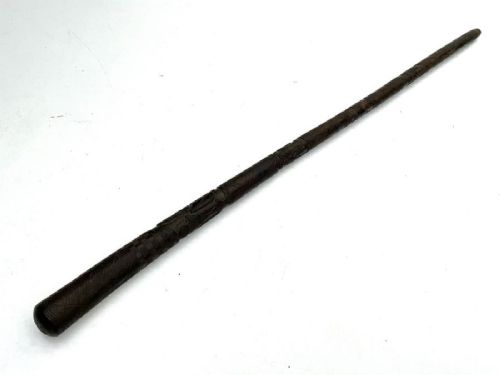
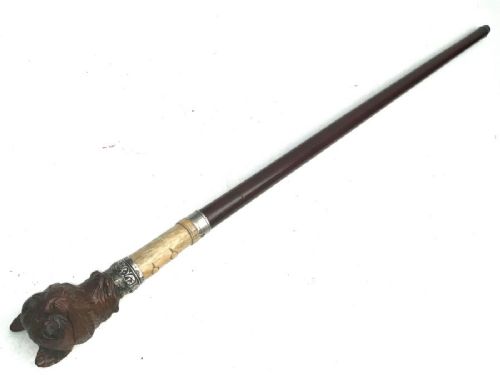
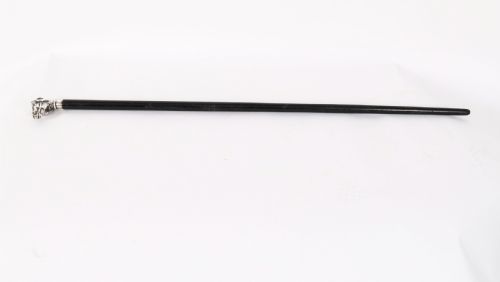
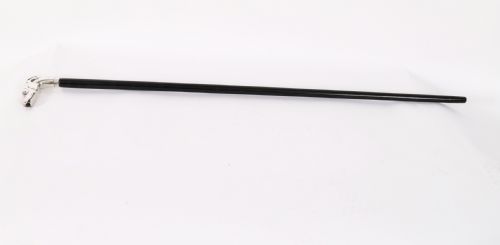
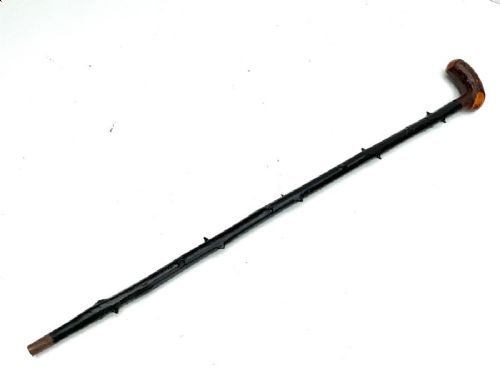


Antique Carved Walking Stick
An antique carved walking stick is a functional accessory and a sculptural object shaped by Victorian and Edwardian craftsmanship.
Antique Carved Walking Stick
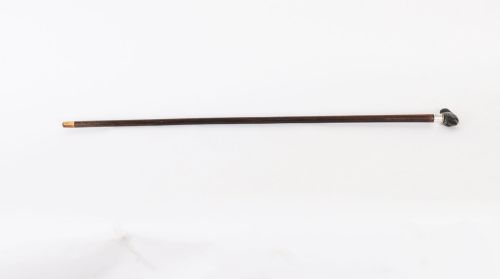
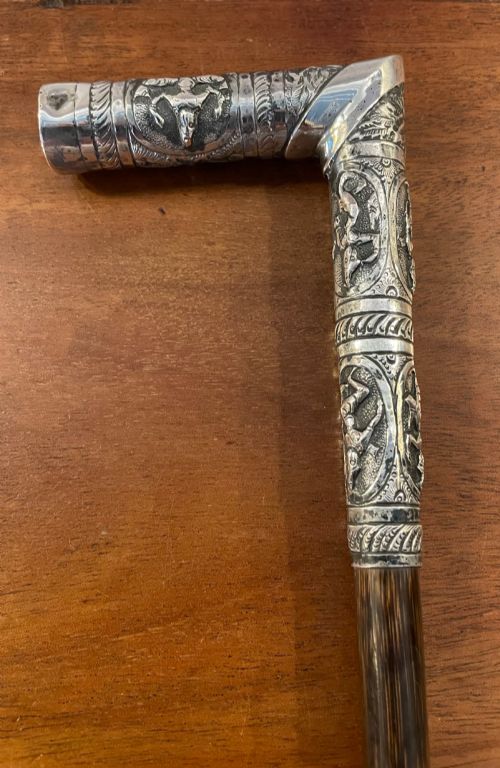
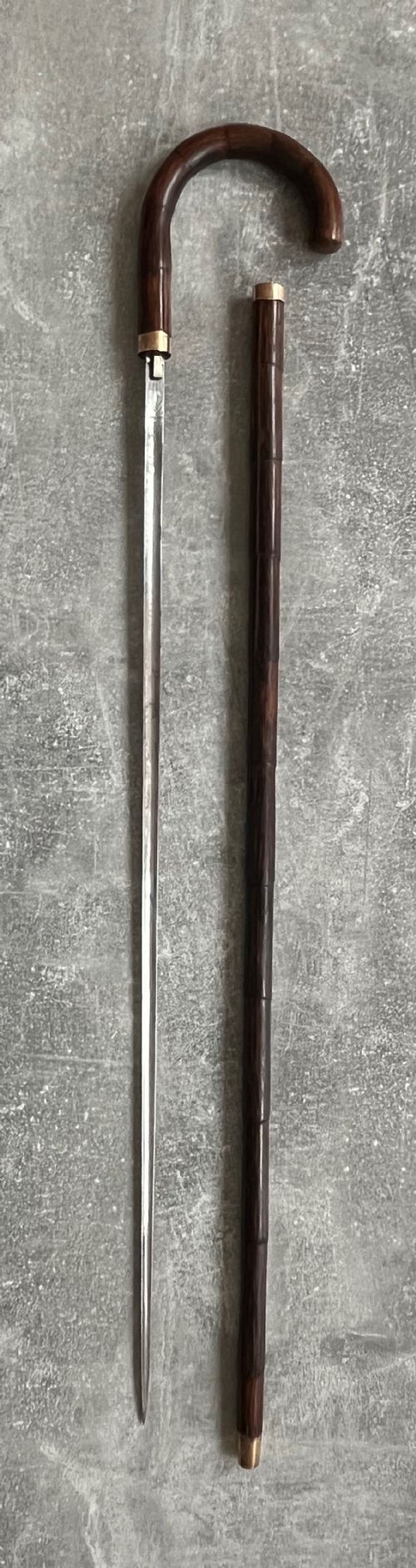
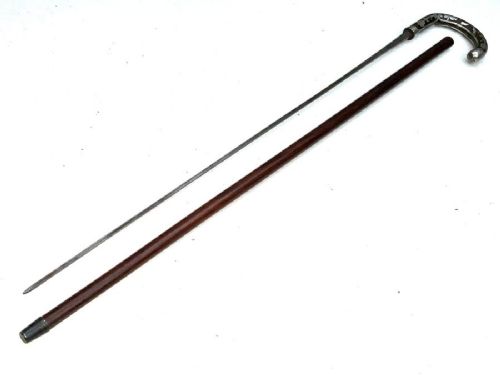
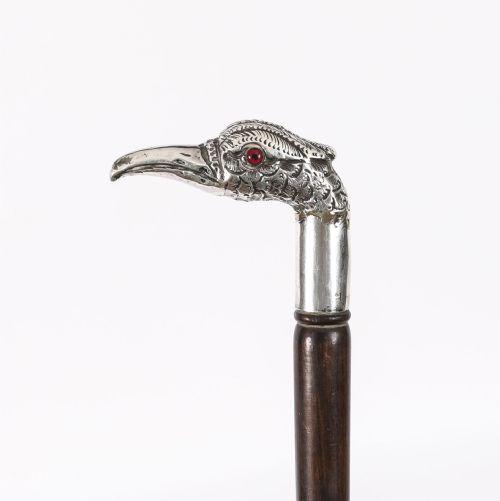
An antique carved walking stick encompasses traditional gentleman support canes, folk art items, and hidden sword sticks dating mainly from the nineteenth century into the early twentieth century. You will encounter carved animal heads, novelty handles, and ethnic artefacts alongside practical hall stands designed to hold them.
The selection ranges from French silver-mounted canes and Black Forest dog carvings to Irish blackthorn and Japanese traditional pieces. These items reflect the varied social standing and outdoor pursuits of past owners, combining utility with decorative carving.
Materials and technique
Maker materials draw heavily from hardwoods, boxwood, bamboo, and fruitwood, often paired with cast silver, brass, or steel blades for concealed weapons. Horn and whalebone also appear in specialised handles, shaped through careful carving and mounting techniques.
Craftsmen utilised hand tools to detail handles representing dogs, horses, parrots, and human figures, securing them to tapered shafts with collars. Metal components such as Toledo blades and silver pommels were integrated directly into the wooden structures.
Listings feature items from the Victorian and Edwardian periods, utilising materials such as boxwood, silver, brass, horn, and oak.
Quality variations
Quality rests upon the depth and precision of the carving, particularly in the expression and detail of animal or figural handles. Finer examples display subtle anatomical observation and secure mounting of precious metal mounts.
The choice of material and the integrity of the shaft influence overall standard, with dense hardwoods and well-preserved horn sustaining better structural character over time than softer, plain woods.
Brigg·Kashi Japanese Masters·Henry Borlase Stevens
The Antique Carved Walking Stick Glossary
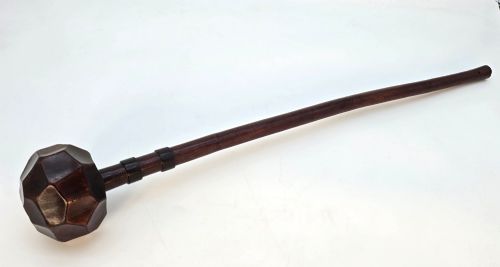
- Knobkerrie
- A traditional African throwing club featuring a heavy wooden knob at the end of a stout shaft. This form originates from Zulu culture and serves as both a weapon and a status symbol.
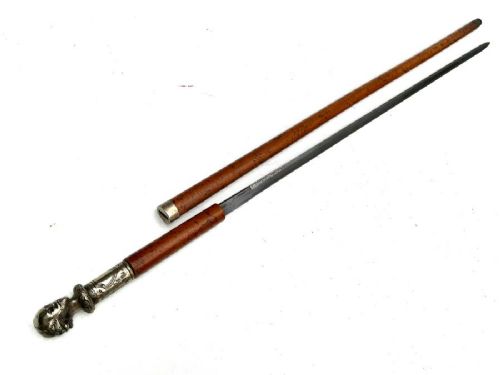
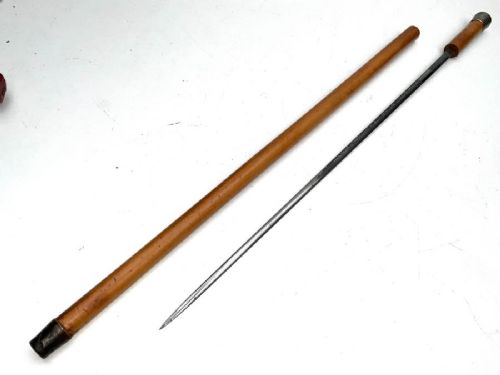
- Sword stick
- A walking cane containing a concealed steel blade within the wooden shaft. These items were often carried for personal defence during the nineteenth century.
- Pommel
- The rounded knob or decorative handle fitted to the top of a walking stick. It provides a comfortable grip for the user's hand.
- Black Forest
- A regional style of wood carving originating from the mountainous German region, known for realistic representations of animals such as bears and dogs.
Antique Carved Walking Stick: Frequently Asked Questions
How were antique walking sticks used?
These items functioned primarily as daily walking supports, fashionable gentleman accessories, and occasional concealed weapons or gadget holders.
Owners carried them during urban strolls, country walks, and military service, matching the style to their social occasions.
How do I identify the period of a stick?
Dating relies on stylistic clues, such as Victorian Gothic revival details, Art Deco geometric elements, and silver hallmarks stamped onto metal mounts.
Material choices and carving techniques also point toward specific decades between the mid nineteenth century and the early twentieth century.
What are gadget canes?
Gadget canes are specialised walking sticks that conceal functional items such as swords, corkscrews, snuff boxes, or nut crackers inside the shaft or handle.
Victorian makers produced these hidden tools to amuse owners and provide secret utility during everyday outings.
How should I display walking sticks?
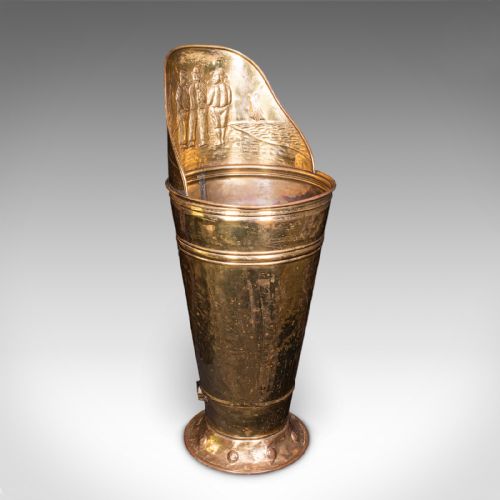
Sticks are best displayed upright in period umbrella stands, hall stands, or wall-mounted racks designed specifically for long items.
Keeping them in stable room conditions prevents wood and horn from drying out or splitting over time.