


Antique Carved Tabouret
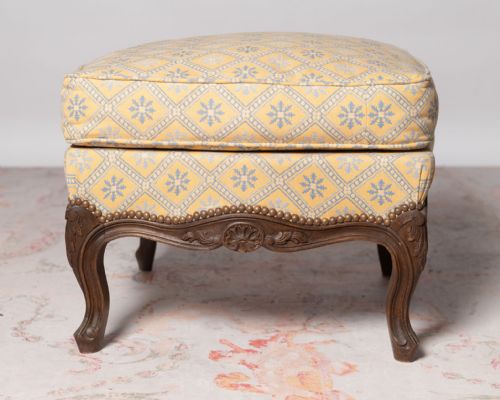
These antique carved tabouret pieces are traditional seat furniture items shaped for domestic comfort, prized for their ornate woodwork.
Antique Carved Tabouret
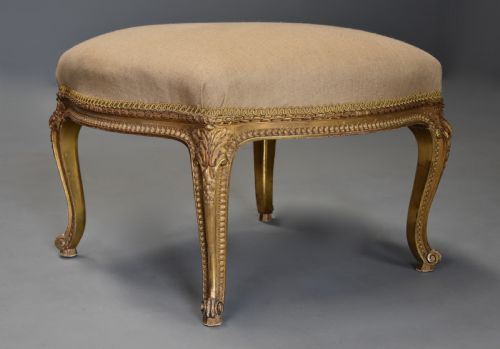
When you search for an antique carved tabouret, you encounter a selection of compact seating items spanning footstools, centre stools, and occasional tables. The examples available range across the nineteenth century, including pieces dated to eighteen eighty, eighteen ninety, and nineteen hundred.
French origins dominate the offerings, appearing in styles such as Louis XIV revival, Louis XV, Louis XVI, French Empire, and Continental Rococo. Alongside these formal European designs, the selection includes Chinese export and Oriental pieces featuring carved wood and marble tops.
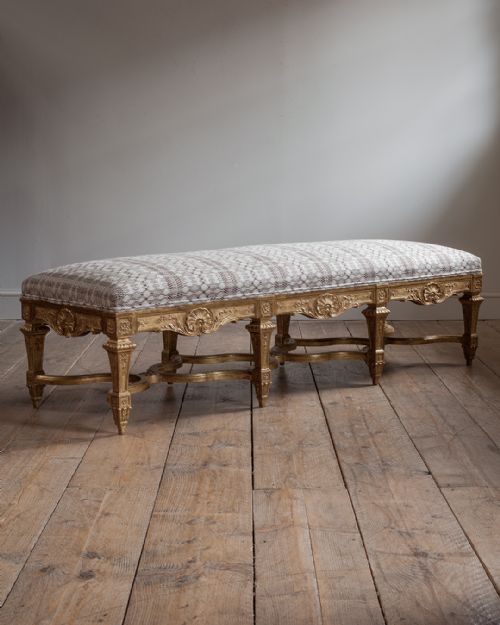
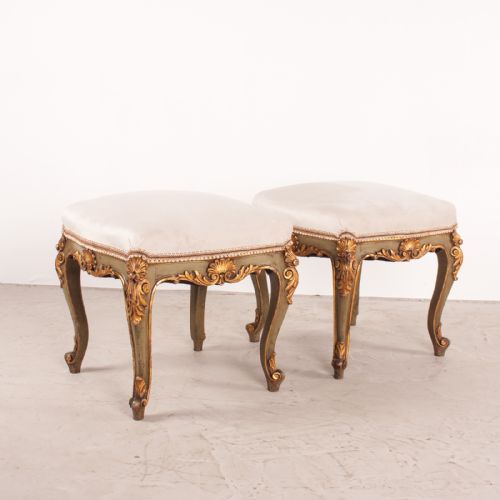
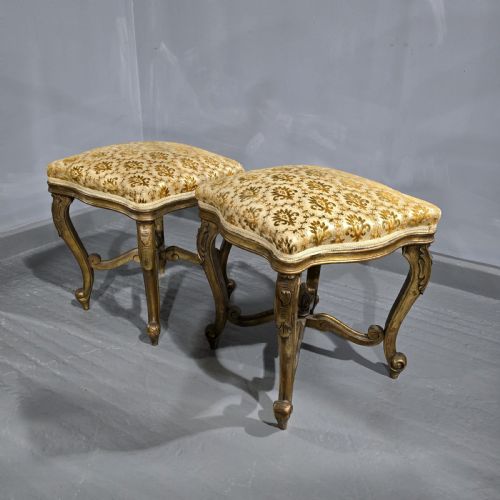
The primary forms function as low seats or benches, sometimes appearing in matched pairs. These items serve traditional interior roles as footstools or occasional furniture within period rooms.
Materials and construction methods
Carpenters utilised solid timbers including walnut and giltwood to construct the rigid frames of these seats. Surface decoration often involves applied gilding, parcel gilt, or painted finishes over carved wood.
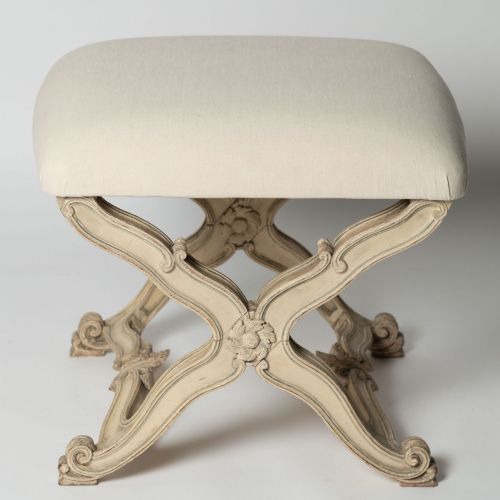
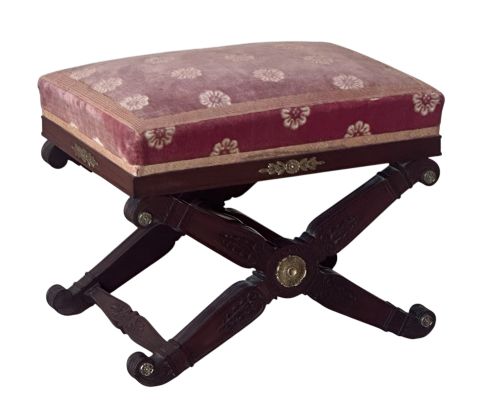
Upholstered elements rely on traditional textile coverings such as velvet, fabric, and linen. Structural frameworks occasionally incorporate X-frame designs for enhanced stability.
Listings feature nineteenth-century dates including eighteen eighty, eighteen ninety, and nineteen hundred, alongside materials such as giltwood, walnut, marble, and velvet.
Assessing quality in carved tabourets
The refinement of the woodwork separates standard joinery from superior examples. Crisp execution in carved details demonstrates the skill of the original maker.
Original surface treatments, including aged gilding and period upholstery fabrics, preserve the historical integrity of the piece. Stamped maker marks provide documented evidence of origin and workshop pedigree.
LOIDRAULT FRERES PARIS
The Antique Carved Tabouret Glossary
- Tabouret
- An upholstered stool or seat without arms or a back, historically used at court or in formal salons. This term covers various forms of low seating found in period interiors.
- Giltwood
- Wood that has been coated with gold leaf or gold paint for decorative effect. It appears frequently on formal nineteenth-century French frames.
- X-frame
- A structural furniture support formed by two intersecting diagonal members resembling the letter X. This configuration provides sturdy load-bearing capacity for stools and benches.
- Parcel gilt
- A decorative technique where only specific portions of a wooden object are highlighted with gold leaf. This method accentuates carved details against a painted or natural wood ground.
- Continental Rococo
- A European decorative style characterised by asymmetrical curves, scrollwork, and naturalistic ornamentation. Pieces in this style emphasise flowing lines and elaborate carved motifs.
Antique Carved Tabouret: Frequently Asked Questions
What is an antique carved tabouret used for?
These pieces function primarily as low seats, footstools, or small support tables within a room. Their compact proportions allow them to sit easily beside larger armchairs or sofas.
Historically, they provided flexible seating in drawing rooms and parlours. Today, collectors use them as decorative accents or functional low seats.
How do I identify a French Empire tabouret?
French Empire pieces typically display classical architectural motifs and geometric symmetry. They often incorporate X-frame supports and gilded wood surfaces.
Look for restrained ornamentation that reflects nineteenth-century revivals of classical antiquity. Construction details generally point to French workshops from the eighteen hundreds.
Are these stools upholstered when sold?
Many examples retain historic textile coverings including velvet, linen, and decorative fabric. Some pieces are offered ready for upholstery so you can choose your own fabric.
Inspect the internal webbing and padding if the piece retains its historic covering. Unupholstered frames expose the timber construction for direct examination.
How do I care for giltwood furniture?
Giltwood surfaces require gentle dusting with a soft, dry brush to protect the delicate gold leaf layer. Avoid liquid cleaners and moisture, which can damage the underlying gesso and wood.
Keep these items away from direct sunlight and fluctuating heat sources. Proper environmental control prevents the timber frame from warping and the gilding from flaking.