
Antique Carved Stone
Antique carved stone gathers centuries of human labour into solid form, offering tactile reminders of classical sculpture, grand tour souvenirs and garden masonry.
Antique Carved Stone
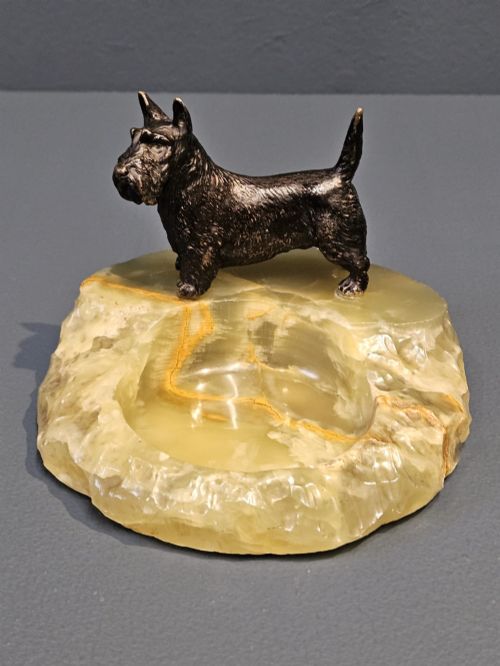
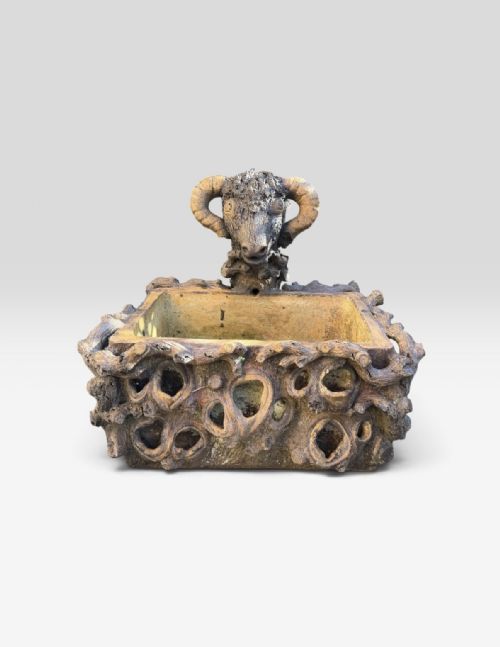
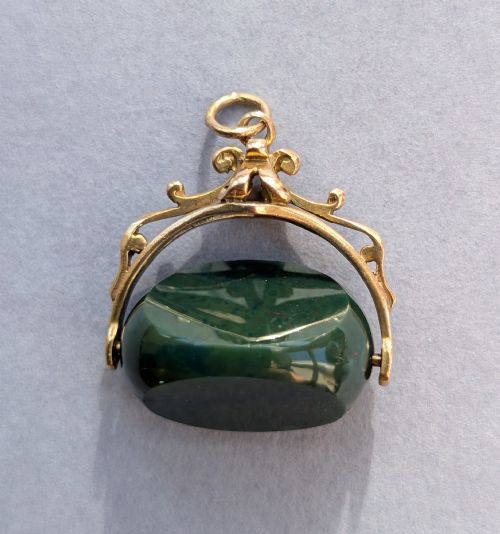
Antique carved stone encompasses everything from miniature hardstone animal figures and jewellery fobs to architectural garden troughs, corbels and classical portrait busts.
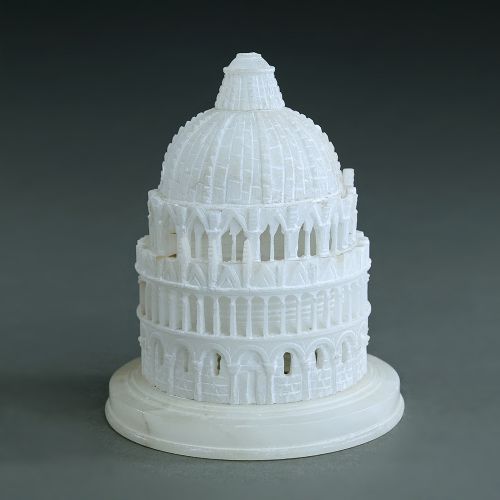
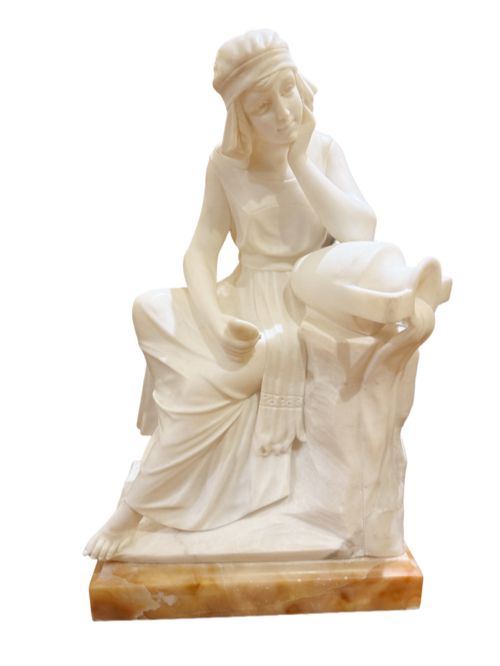
The selections available here lean heavily toward nineteenth-century Italian Grand Tour alabaster and marble models, Chinese jade and soapstone carvings, alongside British granite and sandstone utility pieces.
Buyers seeking these items find objects shaped by hand from mineral materials, reflecting periods ranging from medieval limestone fragments to twentieth-century Art Deco stylings.
How they were made
Craftsmen utilised chisels, saws, and abrasive grit to shape resistant media like marble, granite, alabaster, and soapstone into detailed figures and functional objects.
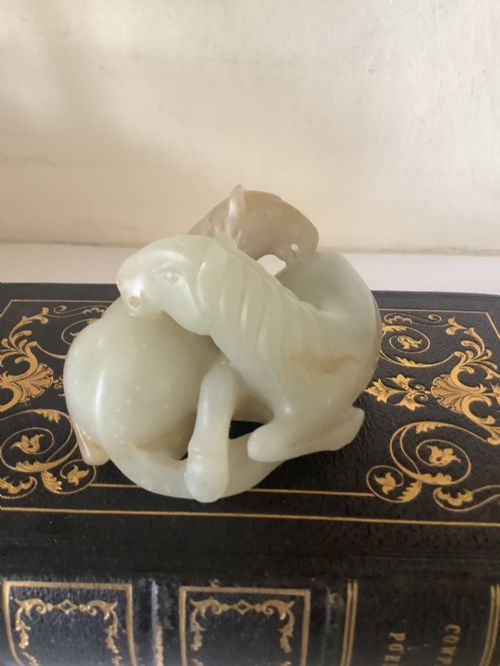
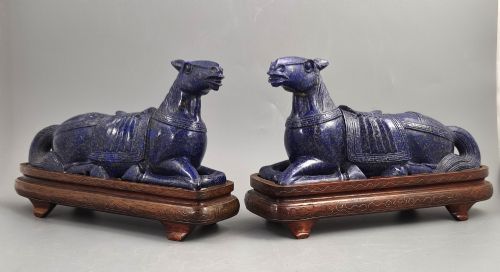
Hardstone pieces such as jade and carnelian required specialised rotary tools and diamond paste to carve intricate subjects like horses, cockerels, and pendants.
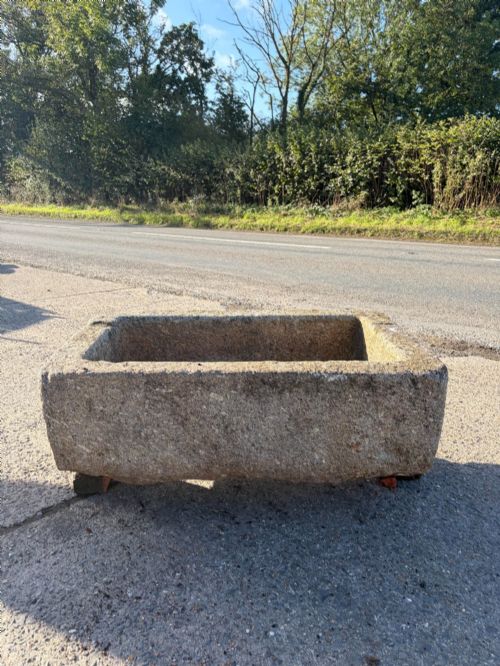
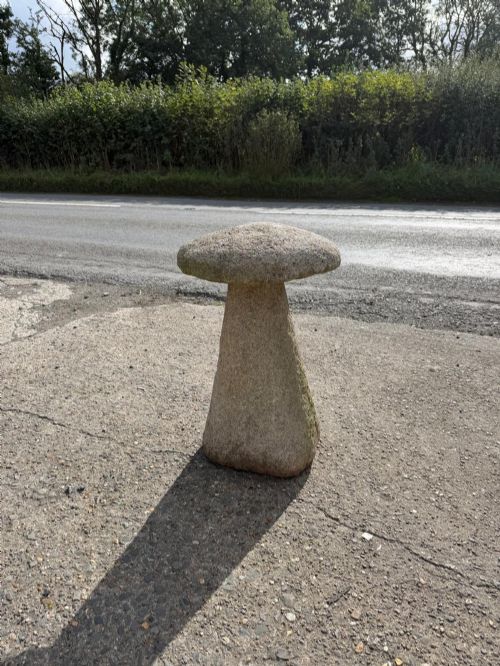
Architectural masonry and garden staddle stones were pecked and dressed from local sandstone and limestone using heavy iron pitching tools.
A sleeping putto rests on marble while carved stone goldfish and cockerels keep watch nearby.
What varies in quality
The precision of the chisel work dictates the success of a sculpture, separating lively anatomical rendering from stiff, mechanical copying.
Material selection drives value, distinguishing uniform Carrara marble and flawless jade from heavily veined or flawed stones.
Provenance and cultural context elevate items, particularly signed Italian Grand Tour souvenirs or documented scholar's desk accessories.
The Antique Carved Stone Glossary
- Grand Tour
- A cultural journey undertaken by wealthy young Europeans in the eighteenth and nineteenth centuries, bringing home souvenir models of classical monuments and sculptures.
- Alabaster
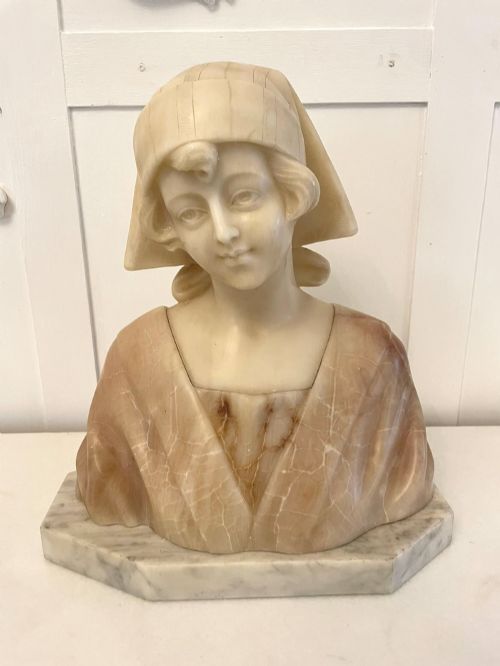
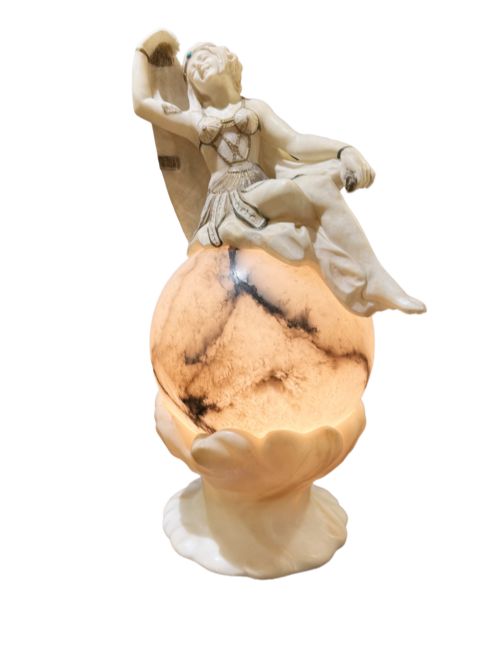
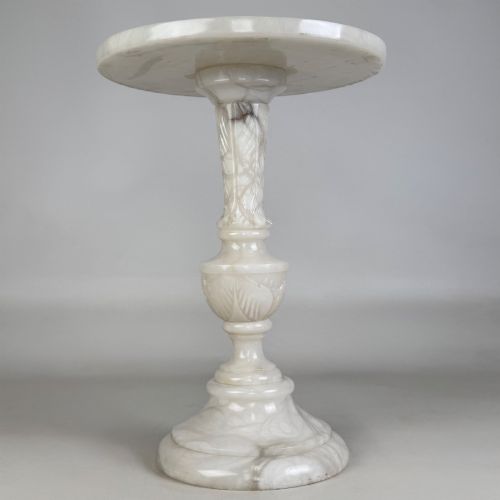
- A fine-grained mineral, often translucent, utilised extensively for carved architectural models and decorative busts during the Victorian era.
- Hardstone
- A generic term for semi-precious stones such as jade, agate, and lapis lazuli that require abrasive cutting rather than simple steel blades.
- Staddle stone
- A mushroom-shaped stone support originally used to elevate granaries and hayricks above damp ground and vermin.
- Corbel
- A structural piece of stone projecting from a wall, frequently carved with faces or foliage in medieval architecture.
Antique Carved Stone: Frequently Asked Questions
What is a staddle stone?
A staddle stone is a mushroom-shaped block of granite or sandstone designed to support wooden agricultural buildings above ground level. They prevent dampness and mice from entering stored grain.
Today, these robust stone items serve as garden ornaments or terrace supports, bringing rustic character to outdoor spaces.
How do I clean carved alabaster?
Alabaster is a soft, water-soluble mineral that requires dry cleaning methods such as a soft brush or microfibre cloth. Moisture dissolves the surface detail and ruins the polish.
Keep these pieces away from humid environments and direct water contact to preserve their delicate translucent finish.
What are Grand Tour souvenirs?
Grand Tour souvenirs are miniature marble, bronze, and alabaster replicas of famous classical antiquities bought by travellers in Italy. They record the sights of Rome, Florence, and Pompeii.
Collectors prize them for their miniature accuracy and the quality of nineteenth-century Italian stonemasonry.
How old is my soapstone carving?
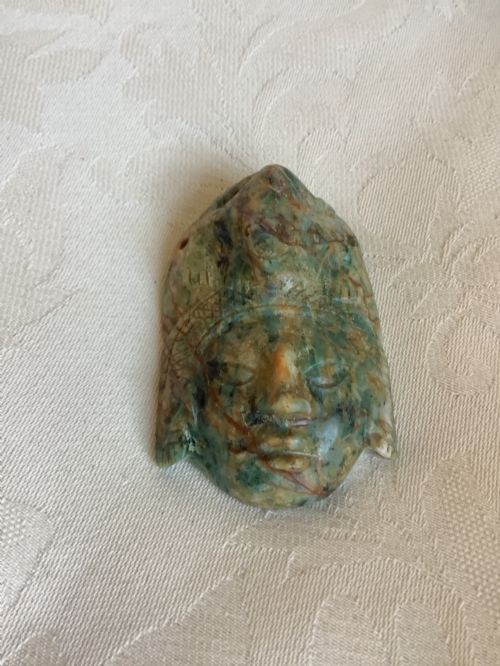
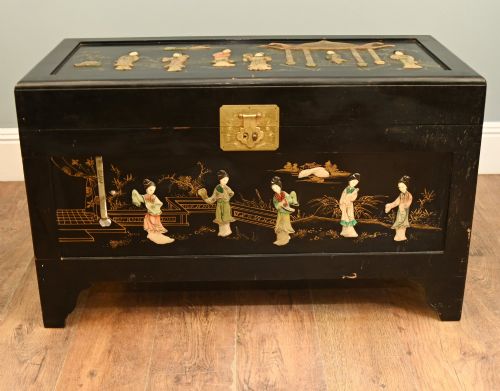
Chinese soapstone carvings often depict figures like Shoulao or scholar's desk items, dated by the style of the base and the depth of the carving. Soapstone is exceptionally soft, which allows for intricate undercut foliage and robes.
Examining the patina and wear on the unpolished undersides helps determine the age of these decorative objects.