



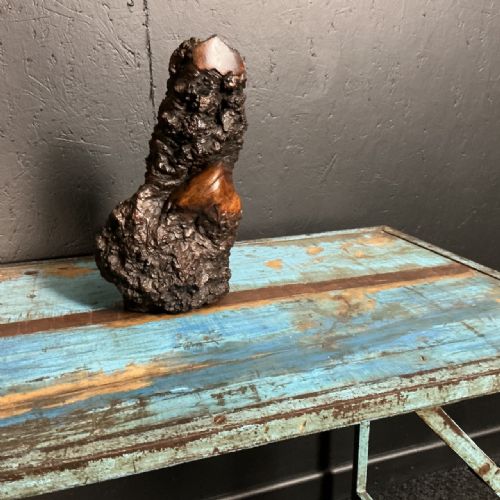


Antique Carved Pipe
An antique carved pipe offers a tangible link to historical smoking culture, combining intricate craftsmanship with the rich patina of age.
Antique Carved Pipe
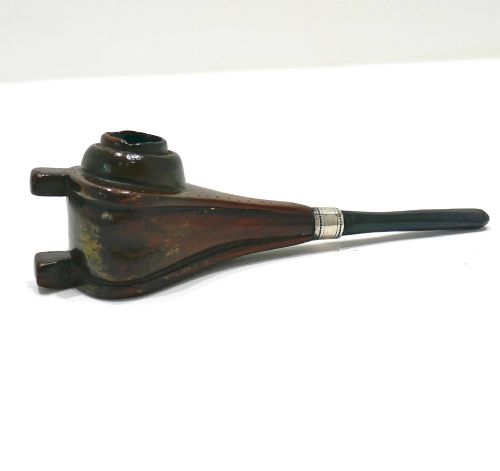
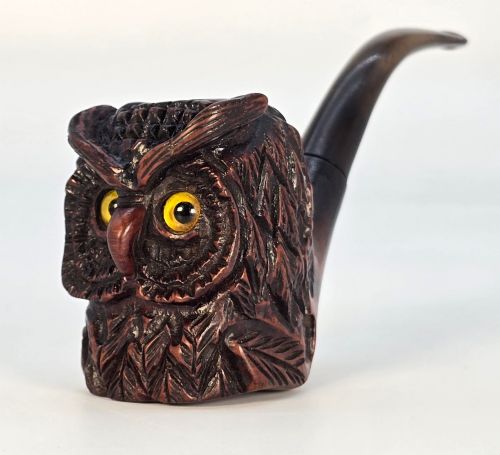
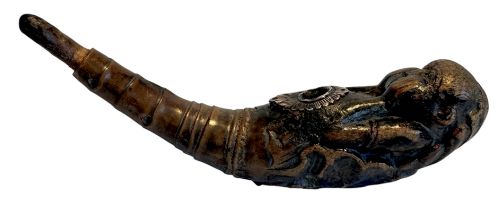
An antique carved pipe represents a diverse category of smoking implements and accessories fashioned from organic and mineral substances across the eighteenth, nineteenth, and early twentieth centuries. These objects range from European briar wood and meerschaum bowls to Asian bamboo and bone opium pipes, reflecting global smoking traditions.
The most common examples encountered on this page include nineteenth-century European meerschaum pipes adorned with figural motifs, alongside wooden novelty treen and trench art pieces. Collectors also find occasional smoking ensembles, tobacco pouches, and related pipe cases originating from British, French, German, and Japanese workshops.
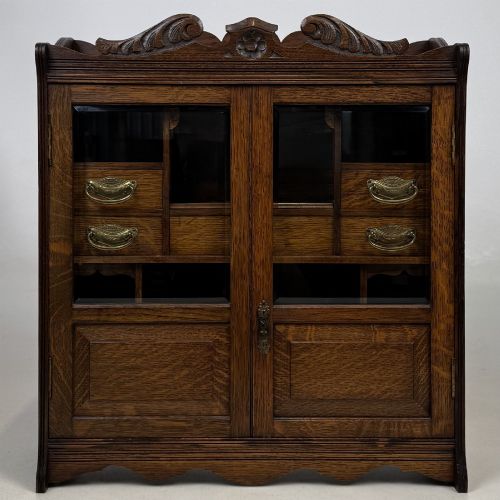
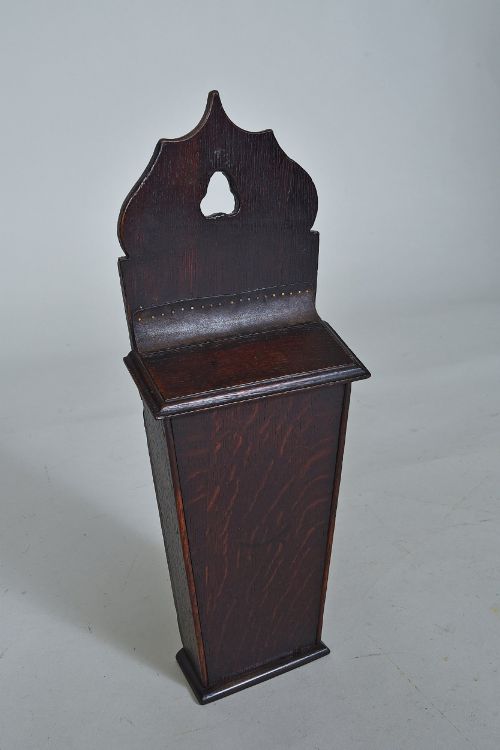
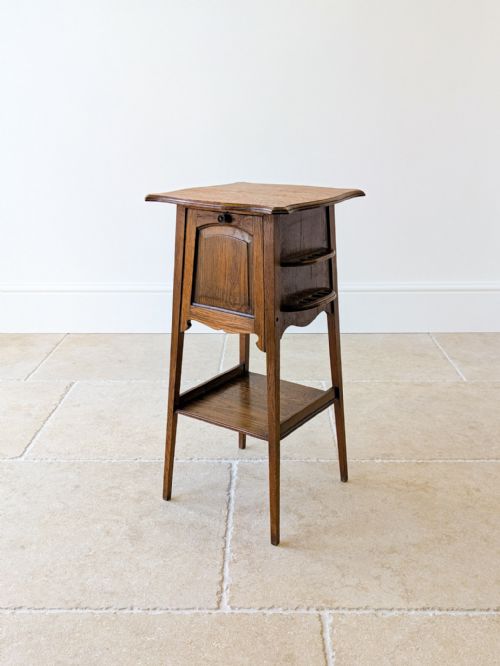
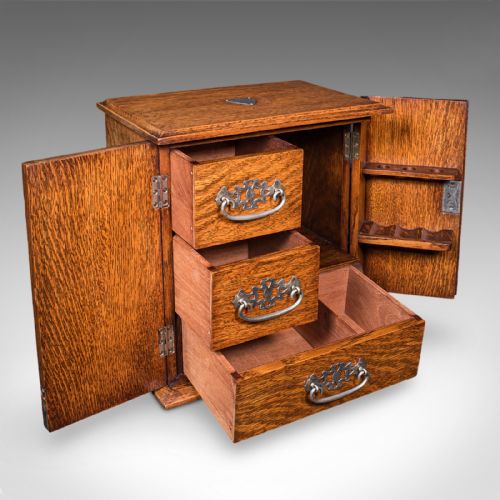
Beyond standalone smoking pipes, the material evidence encompasses broader smoking accessories such as humidors, tobacco boxes, and wall-hanging cabinets designed to house these implements. Each piece serves as both a functional object and a small-scale sculpture shaped by the prevailing aesthetic movements of its era.
Materials and construction methods
Makers utilised a variety of natural materials, chief among them porous meerschaum, dense briar wood, fruitwood, bamboo, bone, and horn. Meerschaum allowed for delicate, detailed relief carving that darkened gracefully with use, while hardwoods provided durability for daily smoking.
Craftsmen applied specialised hand-carving techniques to shape complex figural designs, ranging from hunting dogs and bears to human portraits and mythological figures. Metal mounts, brass elements, and quills were frequently incorporated to join stems and bowls securely.
Antique Carved Pipe Retail Price Guide 2026
Typical asking prices for carved pipe among the pieces listed under this phrase on Sellingantiques today, from the lower quarter to the upper quarter. They describe what is for sale here now, not the wider market.
One listed pipe takes the charming form of a brown bear carved from linden wood, acting as a small humidor.
Assessing quality and execution
The choice and preparation of the raw material also dictate the standing of a piece, such as the uniform density of a meerschaum block or the proper curing of briar wood. Original fitted cases and surviving accessories elevate the integrity of the object by preserving it in its historical context.
Butz Choquin·GBD
The Antique Carved Pipe Glossary
- Meerschaum
- A soft white mineral, known chemically as hydrous magnesium silicate, prized for its exceptional carving qualities and heat resistance. It absorbs tobacco oils during use, gradually developing a rich golden-brown patina over decades.
- Treen
- Small handmade wooden household objects and utilitarian items. In this context, it refers to carved wooden smoking accessories and pipe holders produced by local artisans.
- Briar wood
- The root burl of the white heath tree, valued for its heat resistance and distinctive grain pattern. It became the dominant material for European smoking pipes from the mid-nineteenth century onwards.
- Opium pipe
- A specialised smoking implement consisting of a long stem and a small ceramic or metal bowl designed for vaporizing opium. Historical examples often incorporate carved bamboo, bone, or metal mounts.
- Netsuke
- A small Japanese toggle carved from wood, ivory, or bone, used to secure a pouch or pipe case to a traditional kimono sash. These miniature sculptures frequently depict figures, animals, or legendary motifs.
Antique Carved Pipe: Frequently Asked Questions
What is an antique carved pipe?
An antique carved pipe is a historic smoking implement featuring hand-sculpted ornamentation on the bowl or stem. These pieces were produced globally from materials like meerschaum, briar, and bone.
They function as both personal accessories and miniature works of art reflecting nineteenth and early twentieth-century craftsmanship.
How do I care for meerschaum?
Meerschaum requires gentle handling because the mineral is naturally porous and lightweight. Avoid using harsh chemical cleaners on the carved surface.
Touching the bowl with clean hands allows the natural oils to impart an even colouring process over time.
Were these pipes actually smoked?
Many historic pipes show evidence of use through internal carbonisation and darkening of the bowl. Others remained as decorative display items or formed part of portable smoking ensembles.
Collector preference varies between unsmoked examples in original fitted cases and those bearing the gentle patina of regular use.
How are different periods identified?
Periods are determined through a combination of material fashion, mounting styles, and associated storage boxes. For instance, Victorian pieces often feature naturalistic animal motifs, while Arts and Crafts items emphasise simpler wooden construction.
Maker marks, stamped logos, and accompanying fitted cases also help narrow down the date of production.