
Antique Carved Pedestals
These antique carved pedestals and related pedestal-form furniture bring nineteenth-century timberwork into domestic spaces to support lamps, wine, or dining.
Antique Carved Pedestals
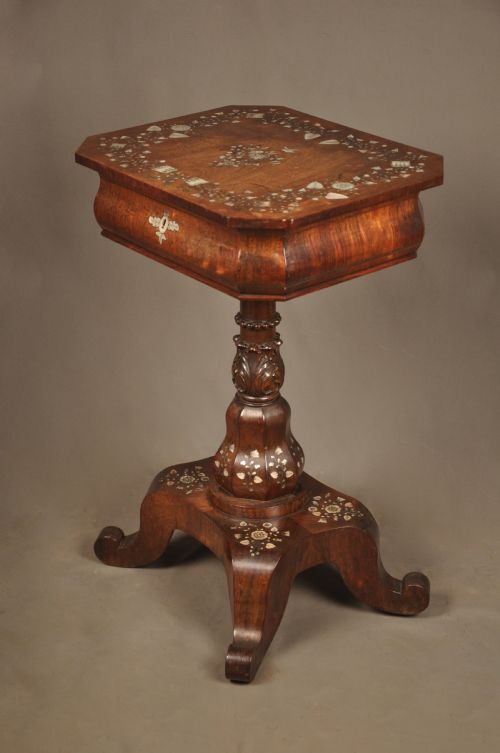
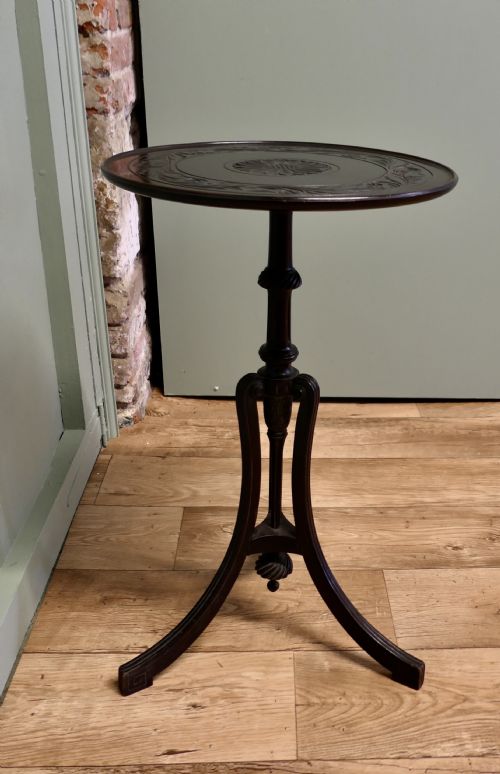
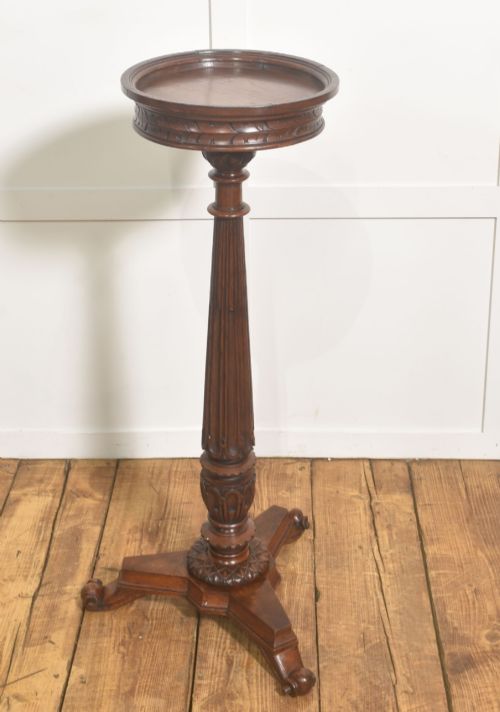
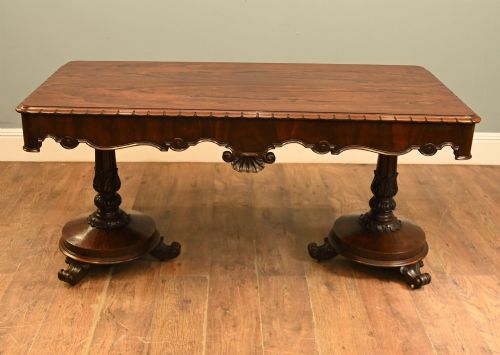
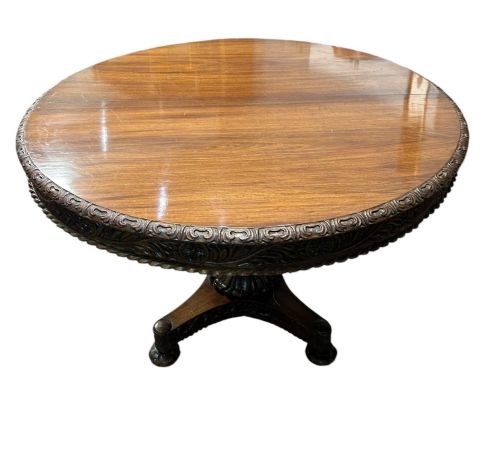
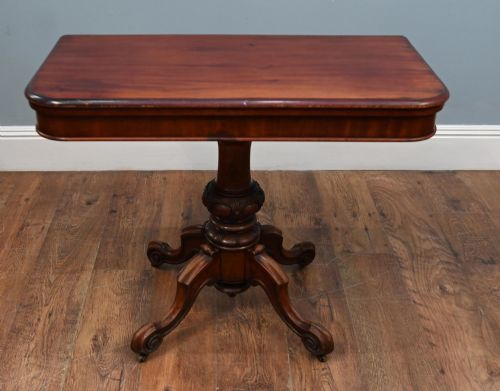
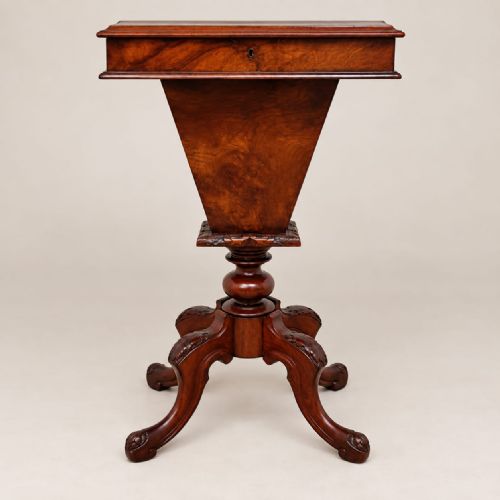
When you search for antique carved pedestals, you meet a selection of nineteenth-century lamp tables, wine tables, torcheres, and dining tables anchored by central supports or pedestals. The forms range from compact walnut sewing tables and mahogany occasional tables to large dining tables with multiple pedestals and circular rosewood breakfast tables.
Victorian and William IV pieces dominate the selection, alongside eighteenth-century examples and Edwardian items. These tables and stands served domestic roles as work tables, card tables, and centre tables, relying on sturdy central columns rather than standard four-legged frames.
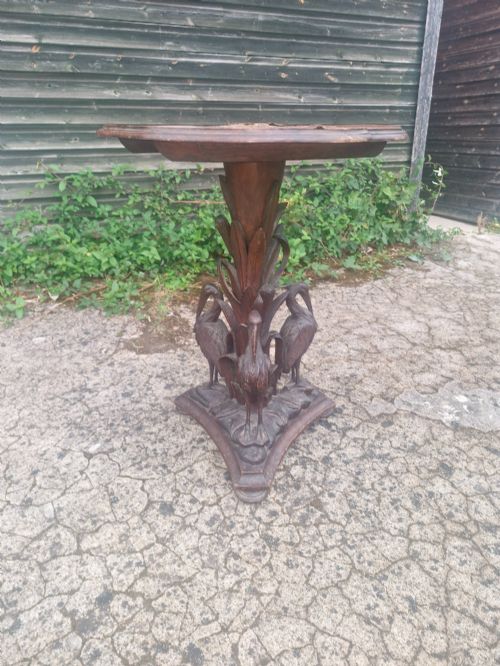
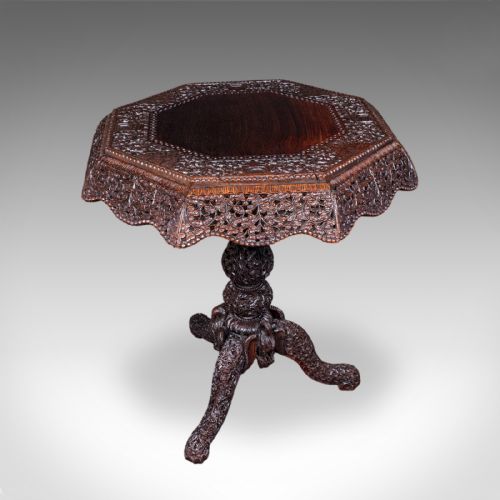
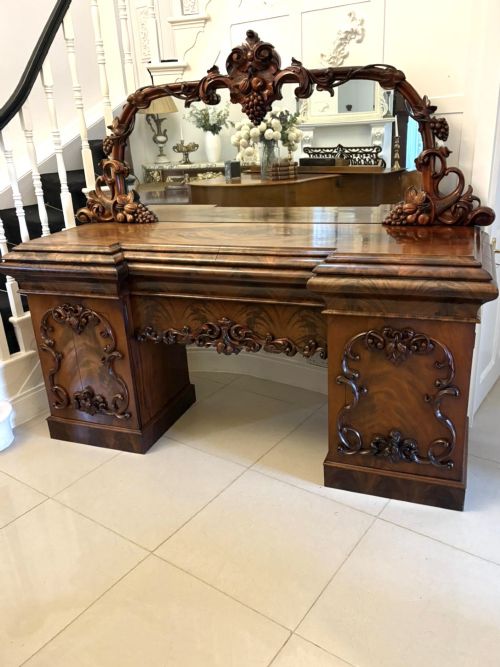
The evidence shows diverse timber choices and decorative turning or carving on the central shafts and bases, including triform bases and carved basket supports. Buyers select these pieces for specific rooms where a pedestal footprint saves space or provides a focal point.
How they were made
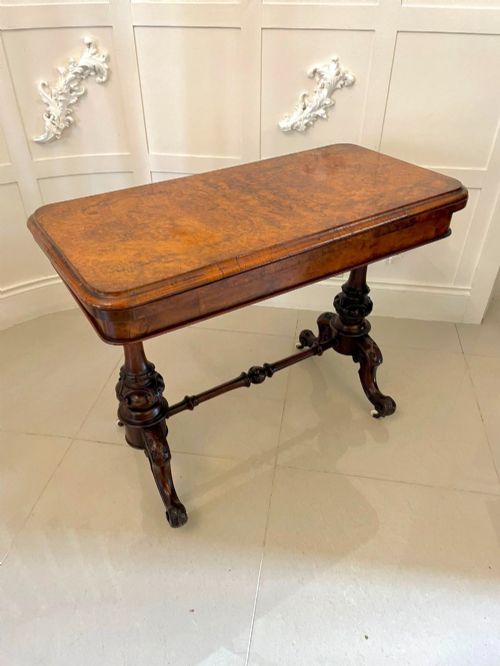
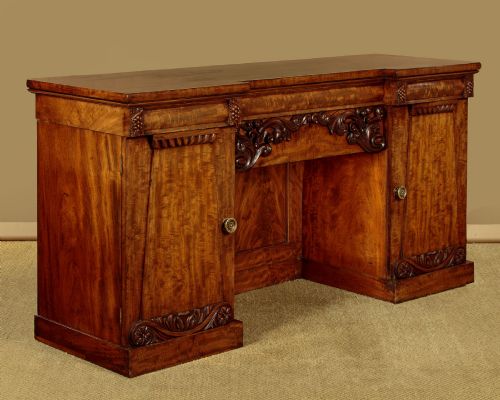
Cabinet makers utilised dense hardwoods such as mahogany, walnut, burr walnut, rosewood, and oak for these pedestals and tables, often selecting figured veneers for table tops and polished surfaces. Timber selection governed both the stability of the central column and the richness of the grain.
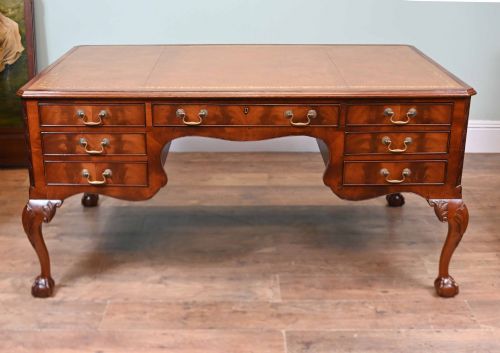
Joinery techniques combined traditional framing with turned or hand-carved central pillars mounted to triform or platform bases. Secondary materials like brass fittings, leather inserts, and marble tops appear on specific desks, games tables, and centre tables.
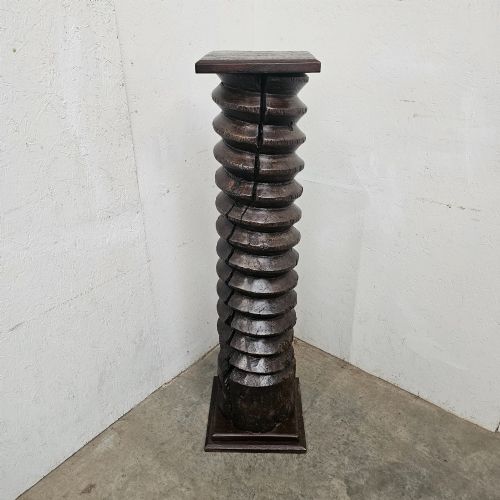
An African primitive grain mortar and pestle carved from a single tree trunk sits alongside formal European rosewood tables.
What varies in quality
Quality depends upon the depth and crispness of the hand carving on the pedestal shafts and bases, alongside the choice of timber figurations such as burr walnut or figured mahogany. Pieces described with exceptional or superb quality exhibit superior timber matching and more elaborate sculptural detailing on the feet and columns.
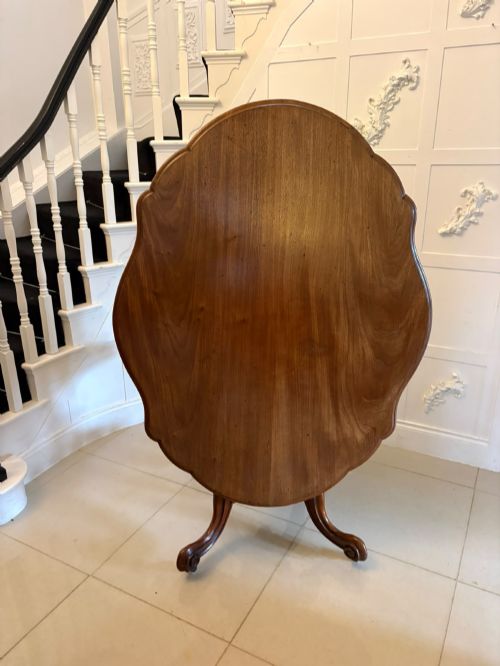
Construction integrity also separates standard utility pieces from fine parlour furniture, particularly in how the central pillar joins the base and top. Well-preserved tilt-top mechanisms and stable pedestal mounts indicate higher original craftsmanship.
The Antique Carved Pedestals Glossary
- Pedestal
- A structural support or column beneath a table top, desk, or torchere. It typically rises from a shaped or weighted base.
- Torchere
- A tall, slender stand or pedestal designed specifically to hold a light, candle, or small decorative object. They date frequently to the eighteenth and nineteenth centuries.
- Triform
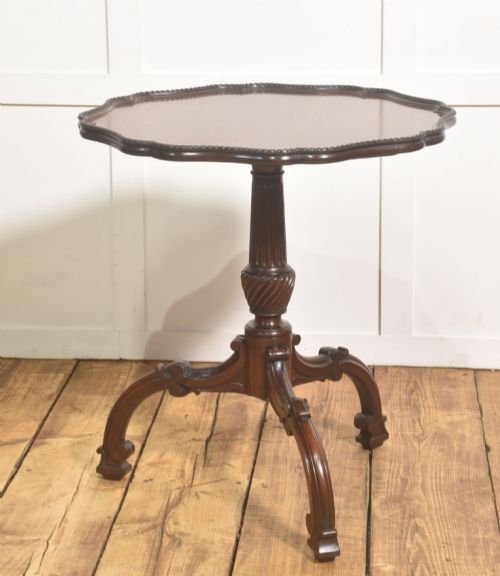
- A three-sided or three-footed base configuration common on nineteenth-century pillar tables and breakfast tables. This design provides stability to a central pedestal.
- Tilt-top
- A tabletop mechanism that pivots vertically to allow the table to stand flat against a wall when not in use. It is frequently found on nineteenth-century dining and occasional tables.
- Burr Walnut
- A highly figured wood veneer taken from the growth growths of the walnut tree. It creates swirling, decorative patterns on table tops and cabinet fronts.
Antique Carved Pedestals: Frequently Asked Questions
How were pedestal tables used?
Nineteenth-century households used pedestal tables as movable centre tables, lamp stands, or breakfast tables in parlours and dining rooms. Their central column allowed diners or sitters to sit without corner legs obstructing them.
Tilt-top variants were stored against walls between meals to save floor space in smaller rooms. Sewing and games tables incorporated built-in storage compartments into their pedestal designs.
How do I identify a Victorian pedestal?
Victorian pedestals often feature heavier proportions, rich burr walnut or mahogany veneers, and elaborate hand-carved details on the base or column. Many incorporate tilt-top mechanisms or triform platforms.
Earlier George III and Regency precursors tend to show leaner proportions and different brass or timber finishing details. Comparing the turning style helps separate periods.
Where should I place a pedestal table?
Pedestal tables work effectively as freestanding centre tables in entrance halls or as lamp tables beside seating in living rooms. Their rounded footprints make them useful for softening square room layouts.
Avoid placing antique veneered timber in direct sunlight or near heat sources to protect the polished finish. Ensure the floor surface is level so the central pillar bears weight evenly.