


Antique Carved Figurine
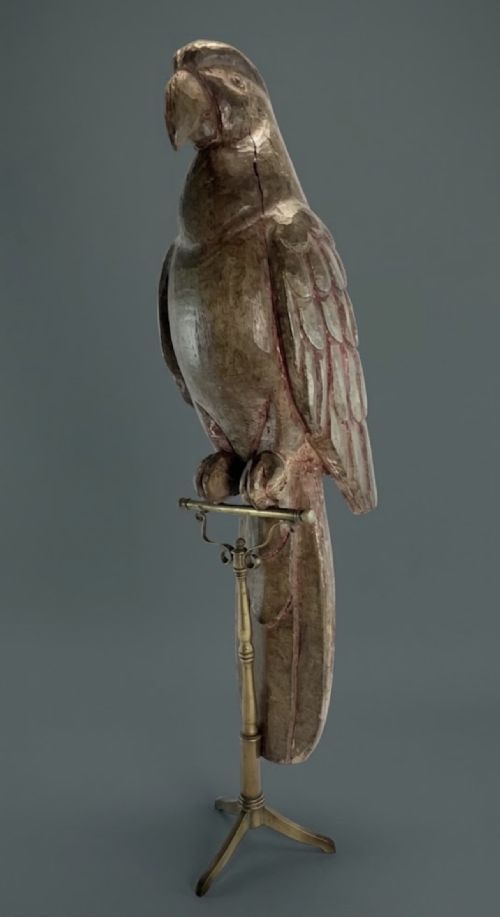
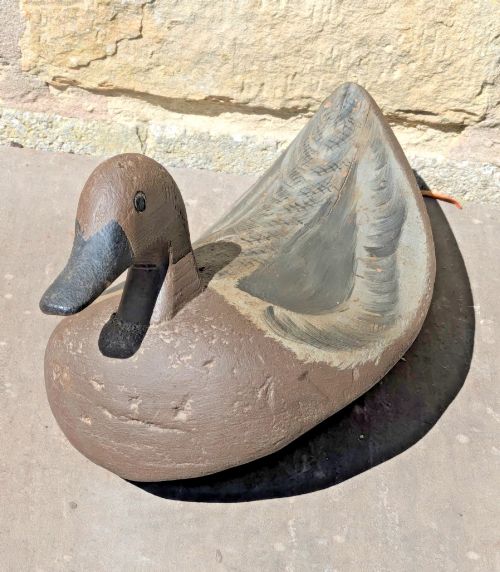
These antique carved figurine examples bring hand-rendered character to a room, spanning regional folklore, classical subjects and naturalistic animal studies from past centuries.
Antique Carved Figurine
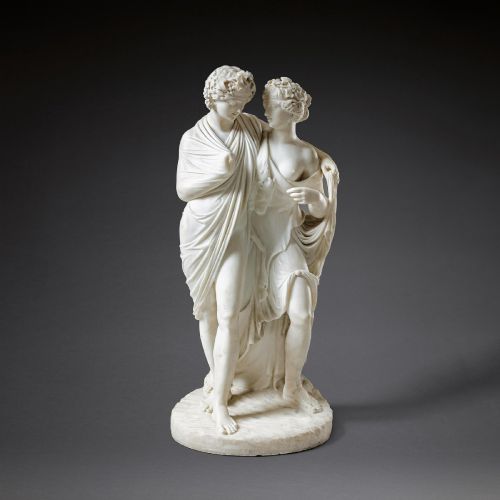
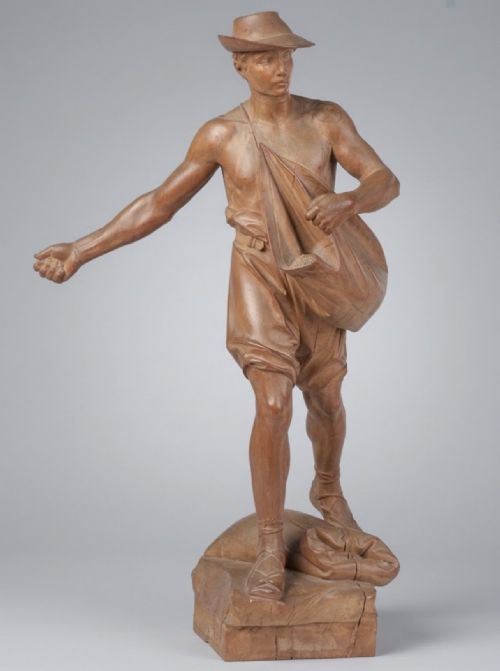
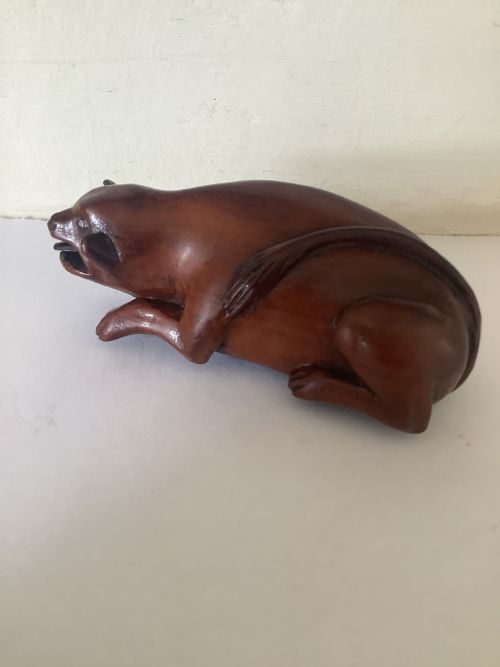
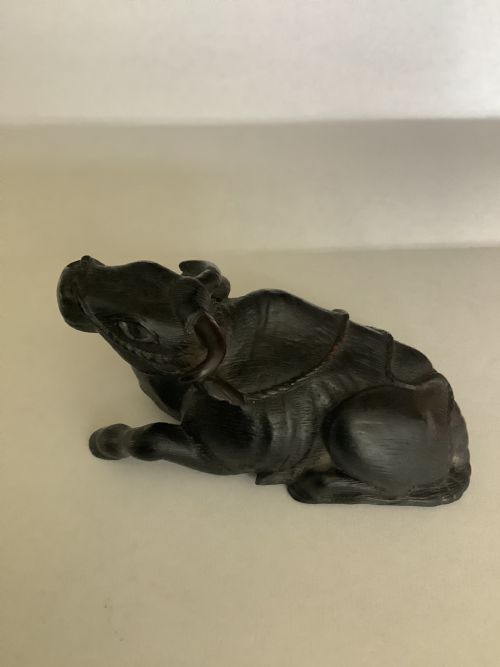
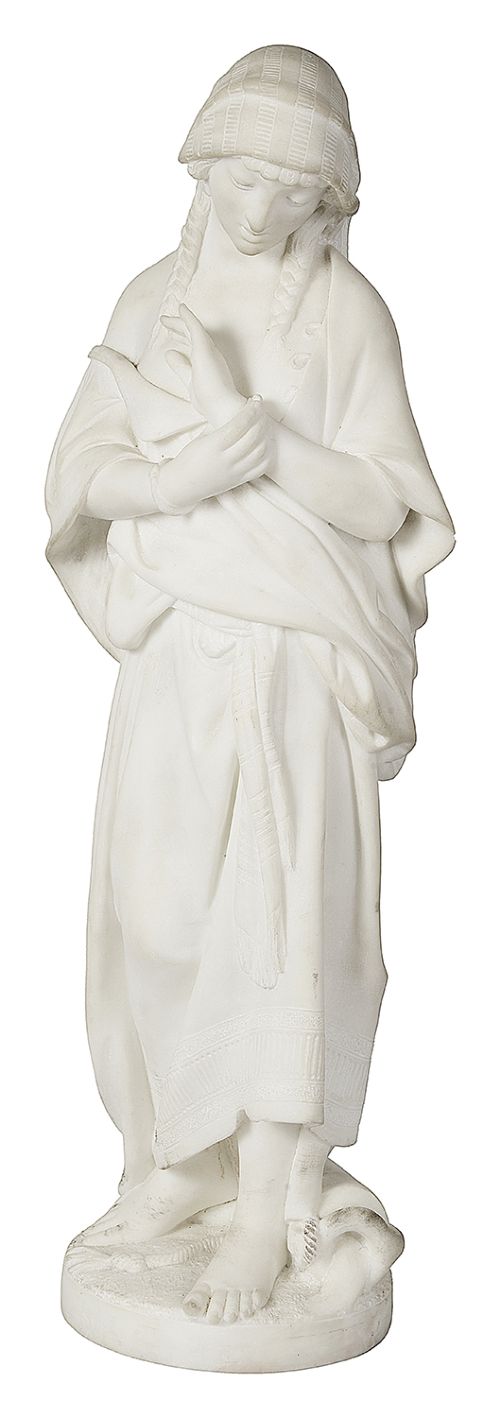
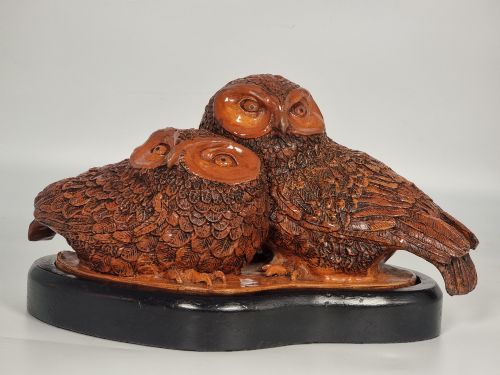
When you search for an antique carved figurine, you encounter small-scale sculptural work rendered in wood, stone and animal materials across the eighteenth, nineteenth and early twentieth centuries. These pieces encompass European animalier subjects, religious iconography, classical deities and folk art figures.
The most common examples on this page are nineteenth-century European wood carvings, particularly Black Forest animal studies and figurative groups in limewood and fruitwood. Alongside these, items from Asian workshops including soapstone and hardwood figures appear frequently.
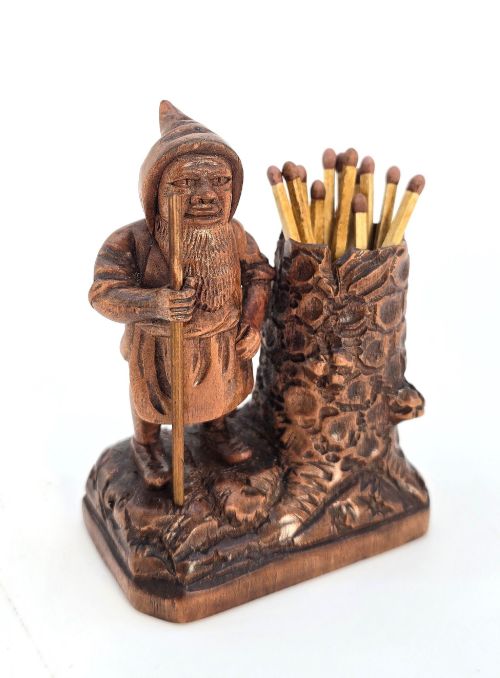
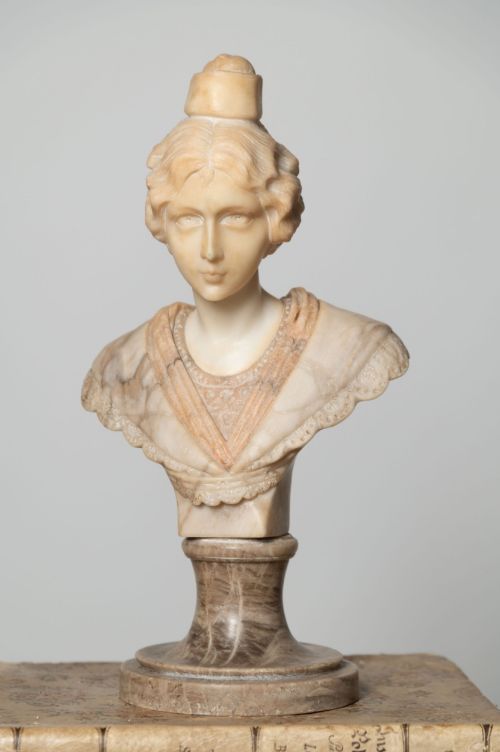
The material palette ranges from soft linden wood and dense hardwood to Carrara marble, alabaster and soapstone. Subjects vary from utilitarian items like match holders and tobacco containers to purely decorative busts and mythological groups.
Materials and carving techniques
Carvers utilised hand chisels, gouges and knives to shape dense hardwoods, fruitwoods and pale limewood, often finishing surfaces with wax or paint. Detail work on wooden pieces relies on grain direction and sharp tool marks left visible by the maker.
Stone pieces in marble, alabaster and serpentine required abrasive sawing, drilling and hand polishing with grit to achieve smooth drapery and skin textures. Many classical subjects were carved after antique prototypes, reproducing established sculptural forms in miniature.
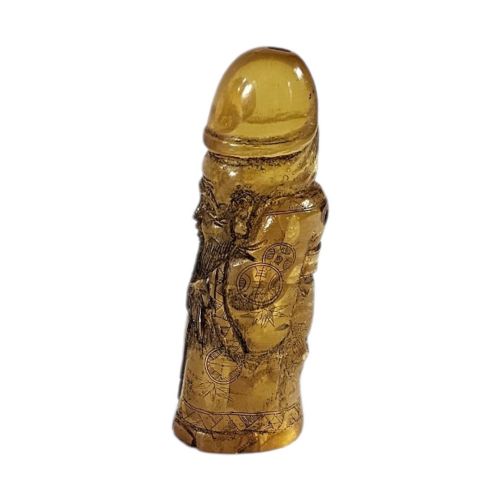
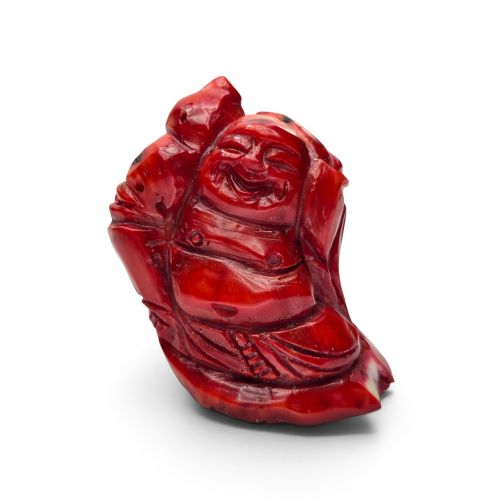
Organic materials such as stag antler and coral demanded specialist micro-carving tools to execute intricate netsuke and pendant details without fracturing the brittle medium.
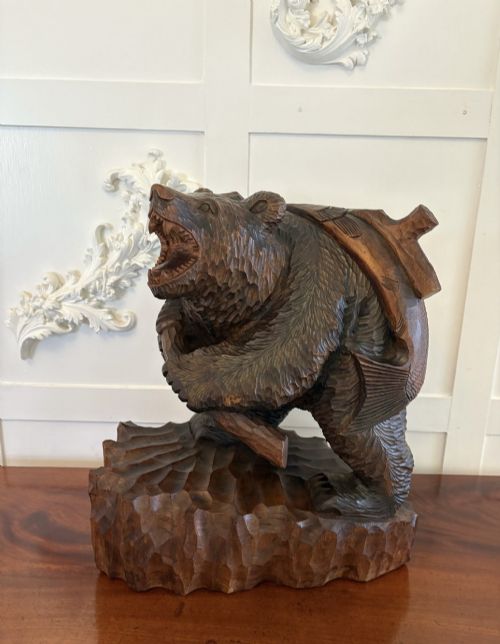
Turn a nineteenth-century carved wooden bear over to check if he is holding your pipe or guarding your matches.
Distinctions in quality
Quality rests upon anatomical proportion, depth of undercut and the sensitivity of the hand in rendering expression and texture. A superior carving displays fluid movement in hair, drapery or musculature rather than rigid symmetry or flat planes.
Signatures, maker stamps and atelier attribution elevate a piece, connecting a carving directly to documented workshops such as Swiss woodcarvers or named sculptors. Untidy tool work, crude proportions and heavy repaint obscure the original hand and diminish historical merit.
Carl Kauba·Carlo Albacini·J Huggler·Auguste Henri Carli·Antonio Canova
The Antique Carved Figurine Glossary
- Black Forest
- A nineteenth-century Swiss and German style of wood carving, usually executed in linden wood and depicting regional animals or human figures. These items often incorporate functional elements such as match holders or bookends.
- Grand Tour
- A nineteenth-century souvenir tradition where travellers collected small marble or serpentine figures of classical antiquities. These pieces replicate famous Italian sculptures and architectural motifs.
- Netsuke
- A small Japanese toggle carved from wood or antler, designed to secure a pouch or small container to a kimono sash. They require exceptional miniature detail and often feature signatures from the carver.
- Serpentine
- A group of green, mottled silicate minerals often polished for decorative figures and architectural models. It mimics jade while offering a softer medium for nineteenth-century carvers.
- Animalier
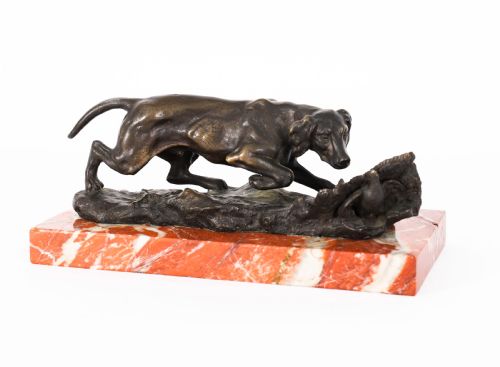
- A nineteenth-century artistic genre focused on the realistic portrayal of animals. Sculptors rendered these subjects in bronze, marble and carved wood.
Antique Carved Figurine: Frequently Asked Questions
How do I date an antique wooden carving?
Dating relies on tool marks, timber selection, wear patterns and stylistic conventions associated with specific periods like the nineteenth century or Art and Crafts movement. Examining the underside and hidden joins reveals construction methods typical of regional workshops.
Makers' stamps, signatures and dated inscriptions provide definitive points of reference when present. Comparing the subject matter to known regional output helps narrow the decade of production.
What is Black Forest carving?
Black Forest carving refers to nineteenth-century decorative wooden objects originating from Switzerland and Germany, celebrated for realistic bears, dogs and forest foliage. Makers utilised pale limewood to create detailed animal sculptures that frequently doubled as functional household items.
These pieces range from small tobacco jars and bookends to large hall stands. The style prioritises tactile realism and deep undercutting in the fur or feathers.
How should I clean marble figures?
Marble surfaces require gentle dusting with a dry microfibre cloth to prevent abrasive particles from scratching the polished stone. Avoid household detergents, chemical sprays and excessive water, which can penetrate porous stone and alter the finish.
Stubborn grime on unpolished areas may need professional attention rather than DIY intervention. Maintaining a stable indoor environment protects marble from thermal shock and moisture damage.
What are Grand Tour souvenirs?
Grand Tour souvenirs are small-scale reproductions of classical statues and architectural monuments purchased by affluent travellers during eighteenth and nineteenth-century European journeys. These decorative objects were typically carved from Italian marble or serpentine.
They served as portable testaments to classical education and artistic appreciation. Collectors value them for their fine miniature rendering of ancient sculptural prototypes.