

Antique Carved Entry Table
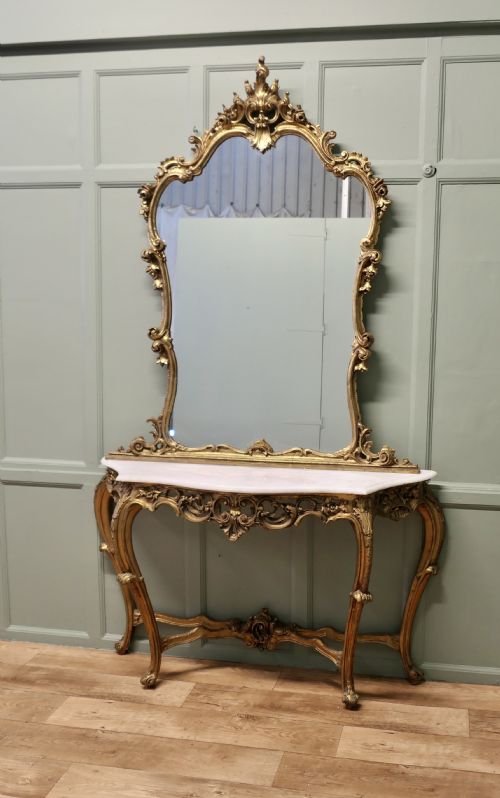
An antique carved entry table brings formal presence to a hallway, with marble tops and heavy wood framing.
Antique Carved Entry Table
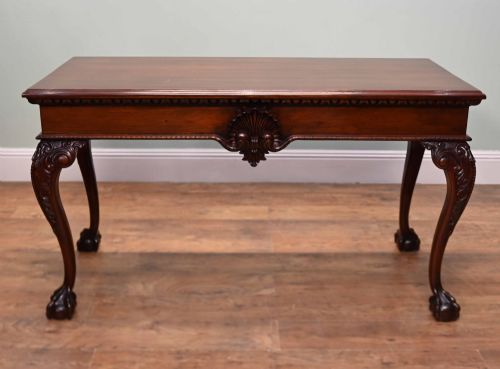
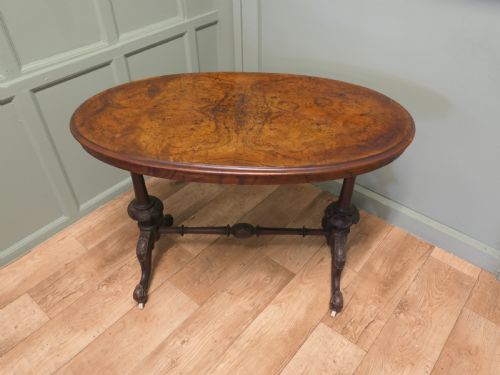
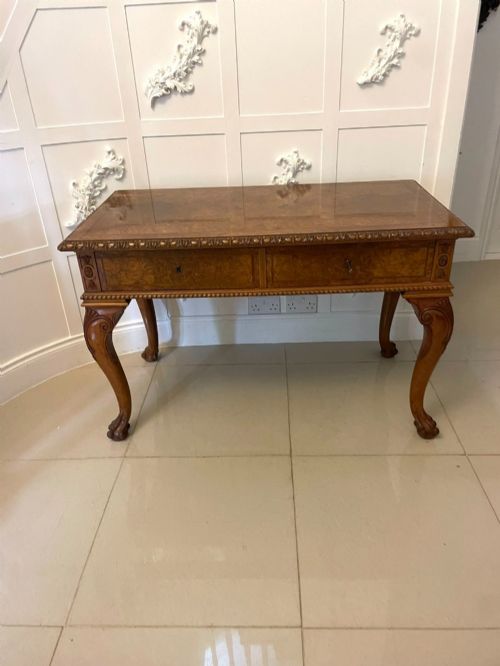
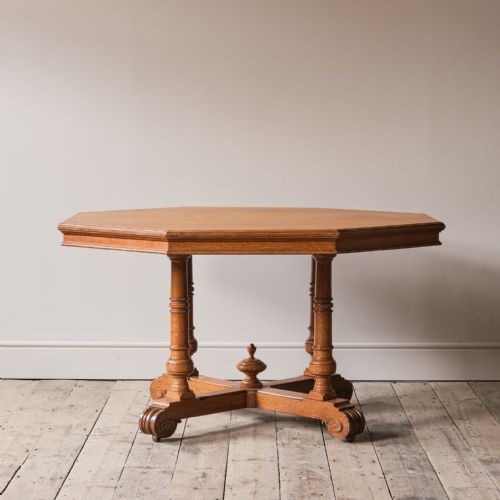
When you search for an antique carved entry table, you encounter console tables, hall tables, and side tables designed to stand against a wall or float as a centre table. These pieces emerge primarily from the nineteenth and eighteenth centuries, drawing on Victorian, Regency, and Neoclassical design vocabularies.
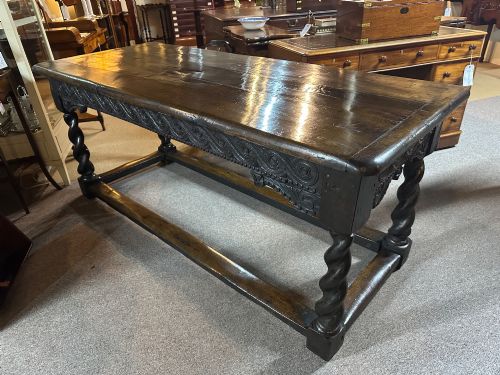
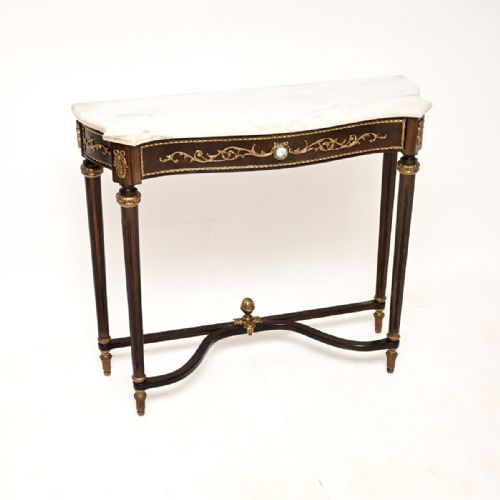
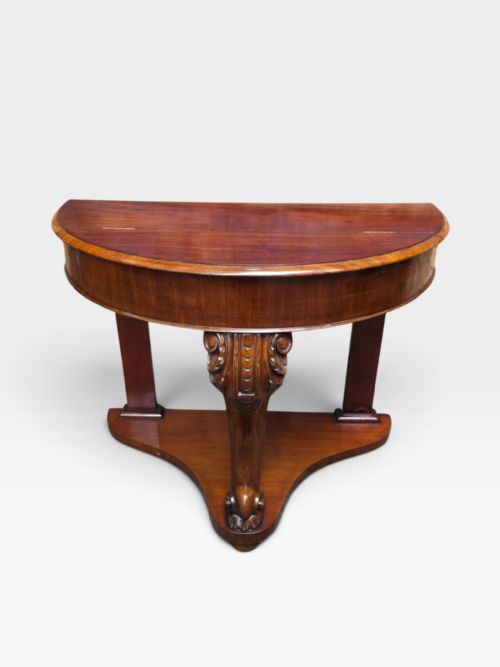
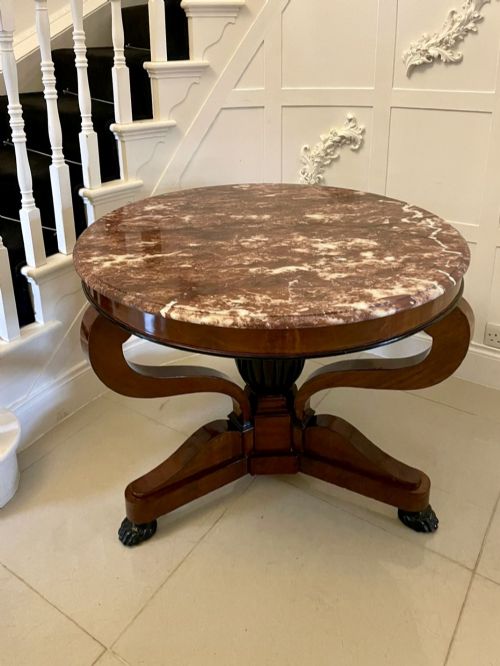
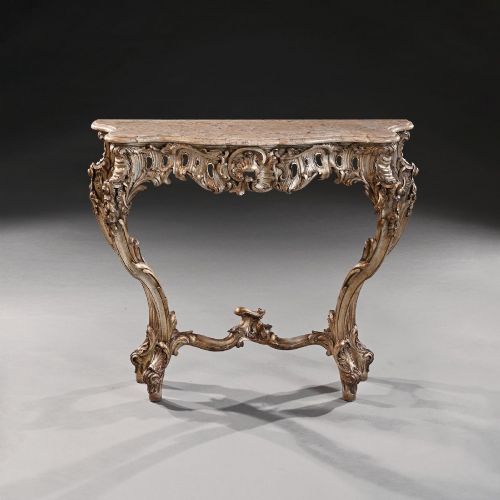
The material vocabulary centres on mahogany, oak, and walnut, frequently paired with shaped marble tops. You meet serpentine fronts, demilune shapes, and occasional pairs designed for symmetrical placement in a grand hall.
Makers and workshops from Italy, France, and Britain shaped these forms using traditional joinery and heavy carving. The tables range from compact side pieces to large console tables equipped with pier mirrors.
Materials and construction
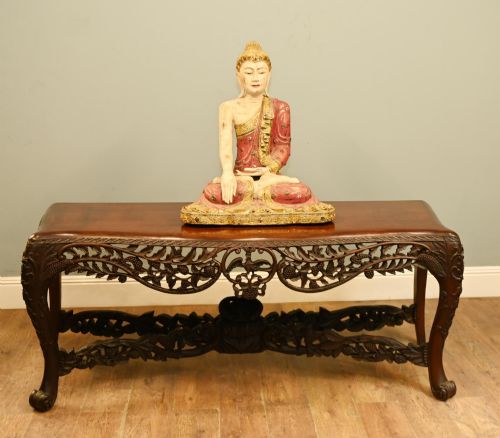
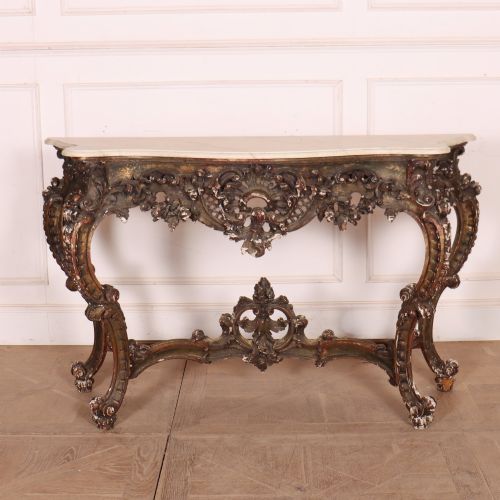
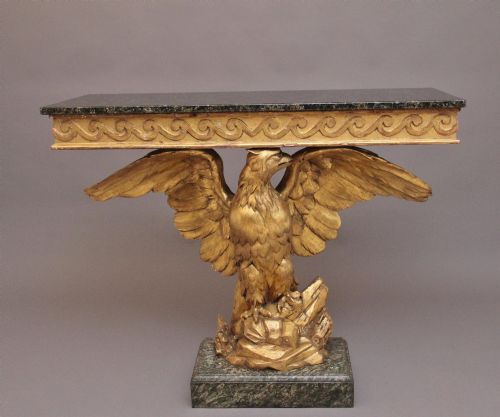
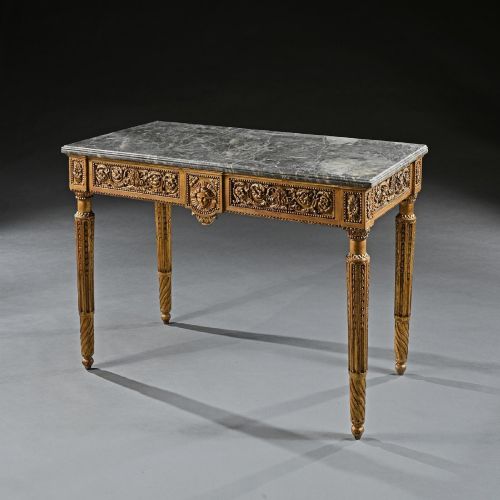
Carvers shaped dense hardwoods like mahogany, oak, and walnut, often applying gesso to form intricate relief work beneath gilding or paint. Giltwood and silver gilt surfaces required specialist application over carved wood bases.
Heavy marble slabs, shaped to serpentine or demilune outlines, rest upon the wooden bases of many console and centre tables. Timber framing relies on traditional cabinet-making joints to support the weight of stone tops.
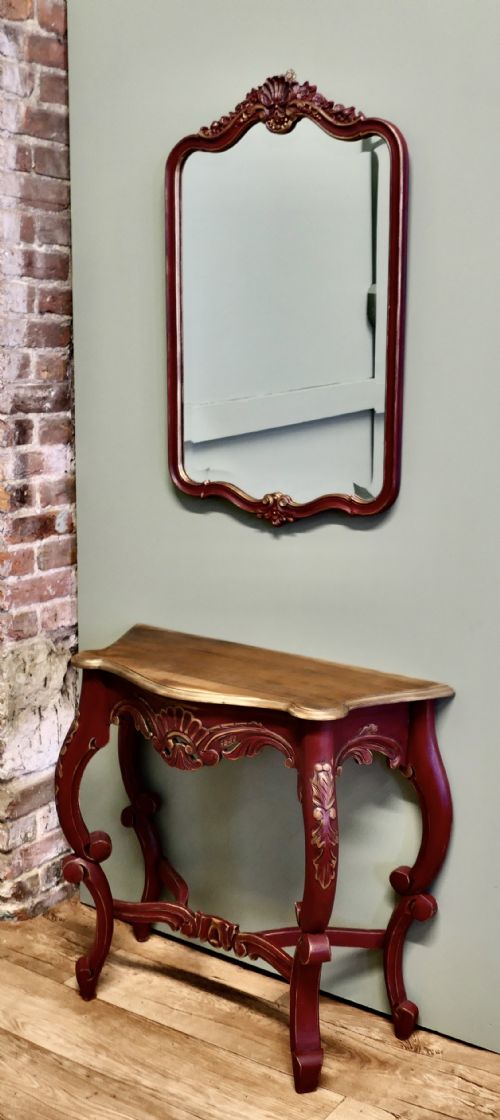
One nineteenth-century table arrived accompanied by a pier mirror, proving that matchmakers existed long before dating apps.
What separates the best from the rest
Depth and crispness of the carving distinguish finer examples from standard production, particularly in giltwood and walnut frames where crisp acanthus leaves or moulding show the hand of a skilled artisan. The quality of the marble top, its thickness, and the complexity of its edge profile also set pieces apart.
Integration between timber structure and surface finish determines the longevity of console tables, especially those bearing heavy stone slabs. Superior examples maintain stability without reliance on later reinforcement, retaining original gilding or polished mahogany veneers.
Felix-Alfred Ternisien·Peters of Genoa·James Mein of Kelso
The Antique Carved Entry Table Glossary
- Console table
- A table designed to stand against a wall, frequently fixed with brackets or resting on front legs. These tables often feature elaborate carved bases and marble tops.
- Demilune
- A half-moon shape characteristic of console and side tables designed to sit flush against a wall. This form gained popularity during the eighteenth and nineteenth centuries.
- Giltwood
- Wood that has been coated with gold leaf or gold paint over a prepared gesso ground. It appears frequently on Neoclassical and French-style console tables.
- Gueridon
- A small round table, often with a marble top, supported by a central column or multiple legs. These pieces function as centre tables in grand interiors.
- Pier mirror
- A large wall mirror designed to hang directly above a console table, often sold as a matched pair with the table below it.
Antique Carved Entry Table: Frequently Asked Questions
Where should I place a console table?
Console tables sit naturally in hallways, entrance passages, and reception rooms where floor space is relatively shallow. Their flat backs allow them to stand securely against a wall without obstructing movement.
Pare them with a mirror or a pair of lamps to complete the traditional arrangement found in period homes.
How do I care for a marble top?
Marble surfaces require regular wiping with a damp cloth and mild soap to remove dust and prevent staining. Avoid acidic liquids like citrus juice or vinegar, which etch polished stone.
Apply a protective wax designed for stone to maintain the sheen over decades of use.
What is the difference between a console and a centre table?
Console tables feature flat backs designed to stand directly against a wall, often supported by decorative brackets or front legs. Centre tables are finished on all sides so they can stand freely in the middle of a room.
Both forms frequently share similar marble tops and carved wooden frames.
How do I identify a Victorian piece?
Victorian tables often display robust proportions and utilise dense timbers like mahogany and walnut alongside heavy cast brass elements. Revival styles from this era frequently reference earlier Rococo or Gothic motifs.
Examine the underside and joints for construction methods typical of nineteenth-century workshops.