
Antique Carved Dressing Table
An antique carved dressing table brings centuries of fitted mirrors, rich timbers and refined craftsmanship directly into the modern bedroom.
Antique Carved Dressing Table
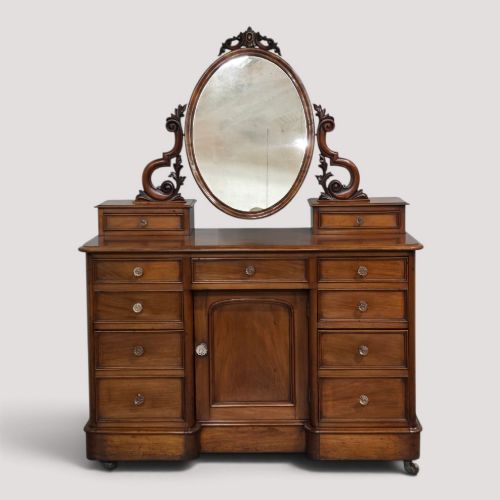
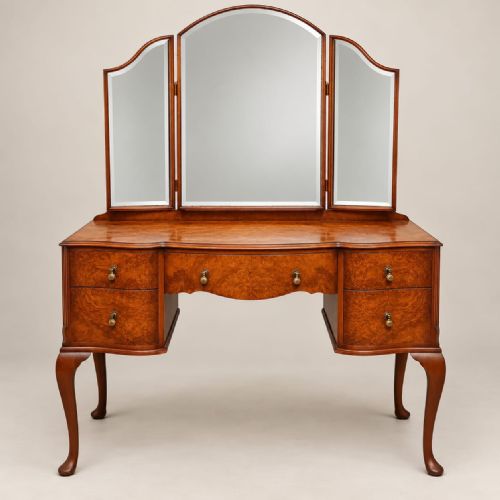
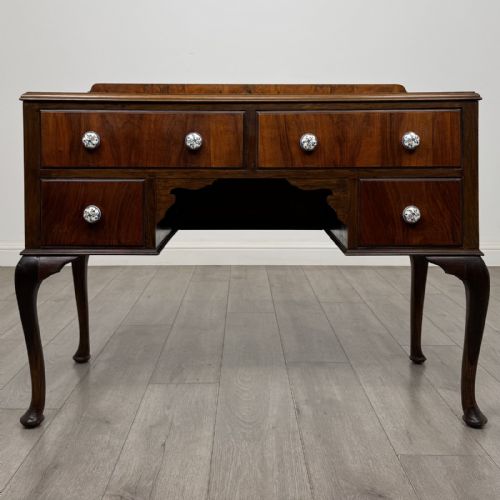
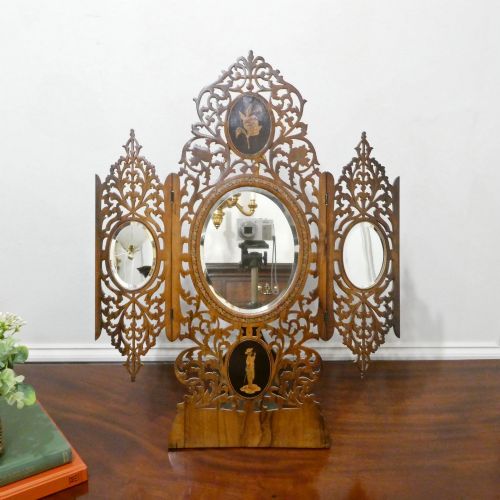
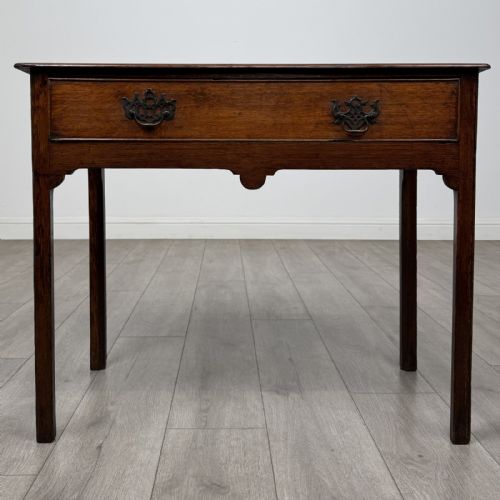
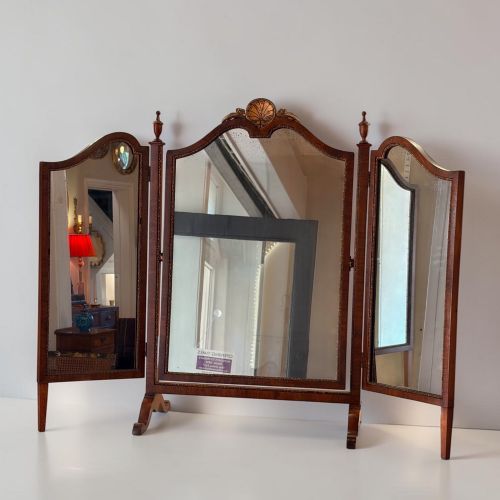
When searching for an antique carved dressing table, buyers encounter a robust selection of Victorian, Georgian and twentieth-century forms. The evidence shows frequent appearances of rich mahogany and walnut timbers, often accompanied by matching dressing stools and pivoting mirrors.
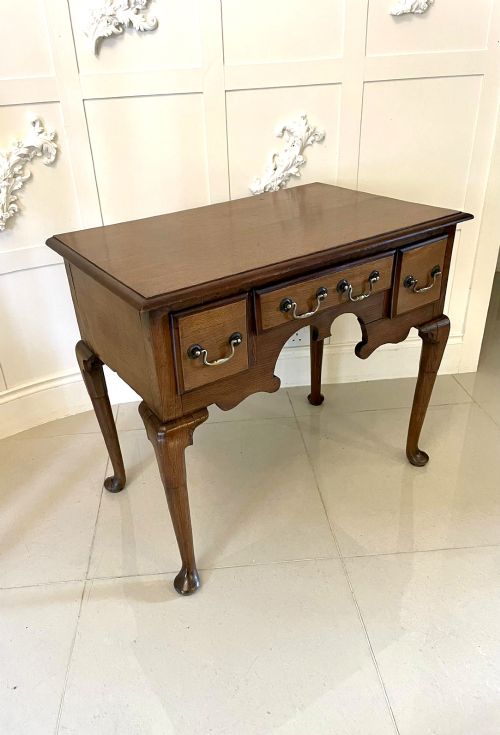
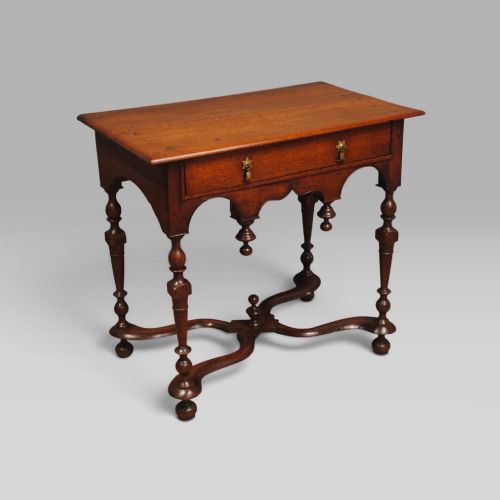
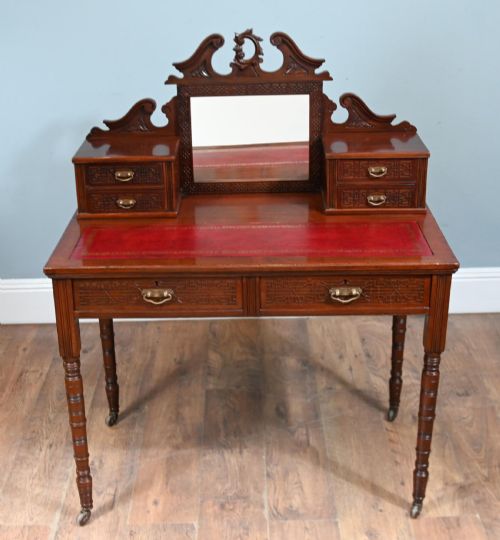
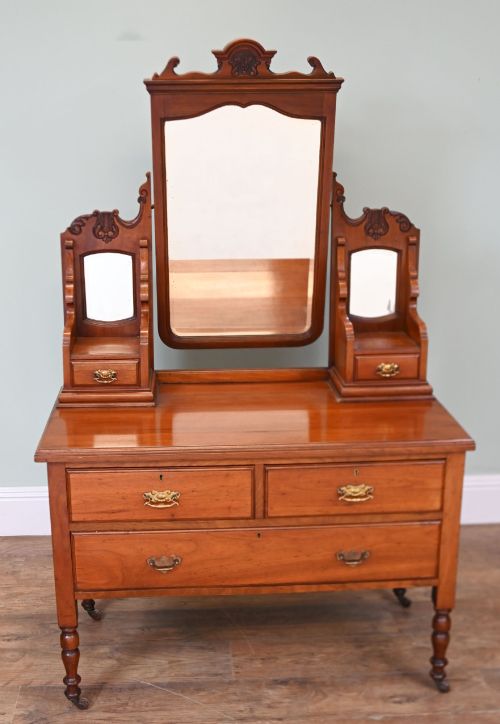
The most common examples on this page are substantial Victorian mahogany pieces, including Duchess styles with multiple drawers and integrated mirrors. Alongside these stand lighter walnut versions, occasional lowboys and Edwardian writing variants reflecting regional cabinet-making traditions.
Materials and technique
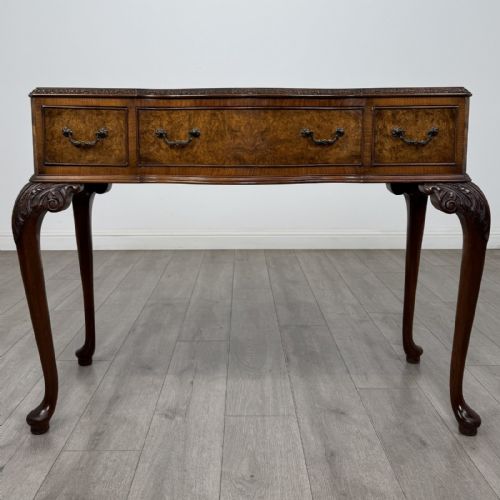
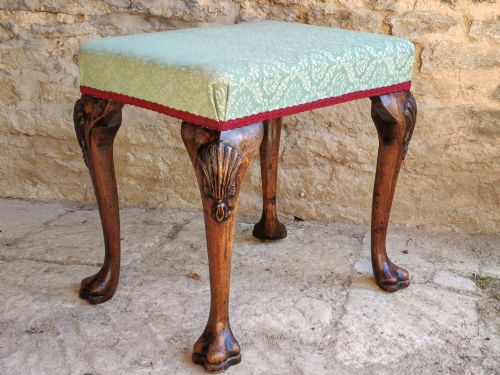
Makers utilised dense hardwoods such as mahogany, oak and walnut, frequently selecting figured burr veneers to accentuate drawer fronts and table tops. Solid timber construction underpins the structural integrity of these tables, allowing intricate relief carving along cabriole legs, aprons and mirror supports.
Surface ornamentation relies upon traditional joinery methods, supplemented by applied gilt accents, brass hardware and occasional mother-of-pearl inlay. Glass mirrors are typically bevelled and held within adjustable wooden frames, whilst supporting pieces often incorporate upholstered fabric or leather seating surfaces.
Several tables come with adjustable shaving stands and hidden trinket compartments for morning routines.
Variations in quality
The distinction between standard examples and superior pieces rests upon the crispness of the timber carving and the selection of figured veneers. Workshops that employed expert carvers produced deep, three-dimensional foliage and scrollwork that remain sharply defined today.
Construction depth also dictates standing, with superior tables offering integrated multi-drawer arrangements, original mirrors and matching stools. Cohesion of design across the associated seating and primary table elevates an individual piece above mass-produced alternatives.
Maples of London and Paris·Wylie and Lochhead Glasgow
The Antique Carved Dressing Table Glossary
- Duchess dressing table
- A large nineteenth-century vanity featuring a central pivoting mirror flanked by smaller drawers or trinket boxes above a spacious kneehole base.
- Lowboy
- A small seventeenth or eighteenth-century side table equipped with one or more tiers of drawers, frequently utilised as a compact precursor to the modern dressing table.
- Cabriole leg
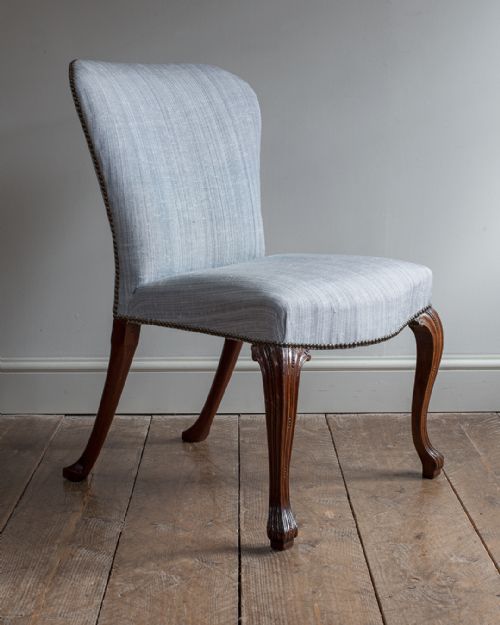
- A furniture leg that curves outward in a convex arc and tapers inward in a concave arc, terminating in a pad, claw, or scroll foot.
- Cheval mirror
- A full-length glass mirror suspended on a vertical swivelling frame, allowing the user to adjust the angle of reflection.
- Burr walnut
- A decorative wood veneer harvested from the knotty growth on walnut trees, prized for its swirling, highly figured grain patterns.
Antique Carved Dressing Table: Frequently Asked Questions
What periods do these dressing tables cover?
The available pieces span from the Georgian era through the Victorian period and into the early twentieth century, including Edwardian and 1920s revivals.
Each period exhibits distinct stylistic markers, moving from solid oak proportions to elaborate burr walnut and mahogany designs.
Do dressing tables usually include mirrors?
Many examples retain their original swinging or cheval mirrors, whilst others function alongside separate table mirrors or triple-plate arrangements.
Duchess styles specifically integrate large mirrors directly into the upper superstructure supported by small trinket drawers.
Are matching stools typically included?
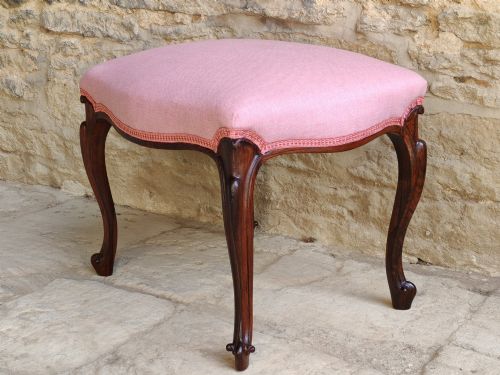
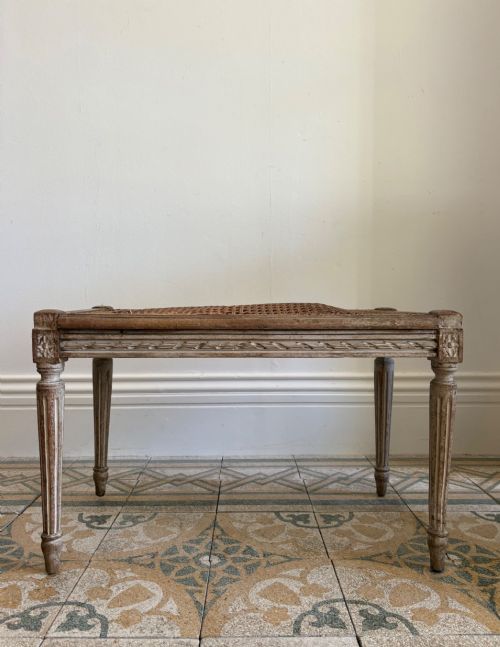
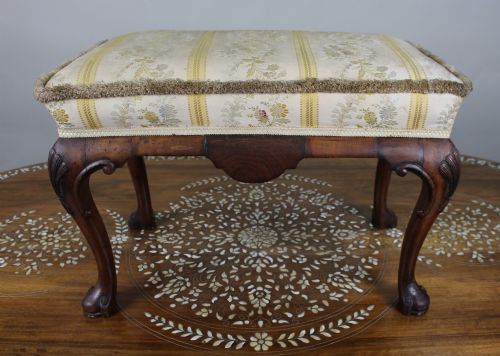
A significant number of listings pair the main dressing table with a contemporary stool featuring matching carved cabriole legs and upholstered seats.
These ancillary seats utilise the same primary hardwoods, such as walnut or mahogany, to ensure a cohesive bedroom set.
How do I identify different furniture styles?
Styles are determined by decorative motifs, leg shapes and timber choices, ranging from Queen Anne revival cabriole legs to heavy Victorian carved mahogany.
Reviewing the specific period descriptions and material notes helps distinguish between eighteenth-century influences and later revival pieces.