


Antique Carved Console
An antique carved console brings substantial presence and classical form to a hallway or reception room.
Antique Carved Console
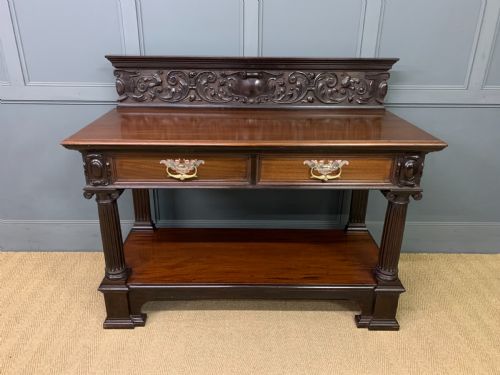
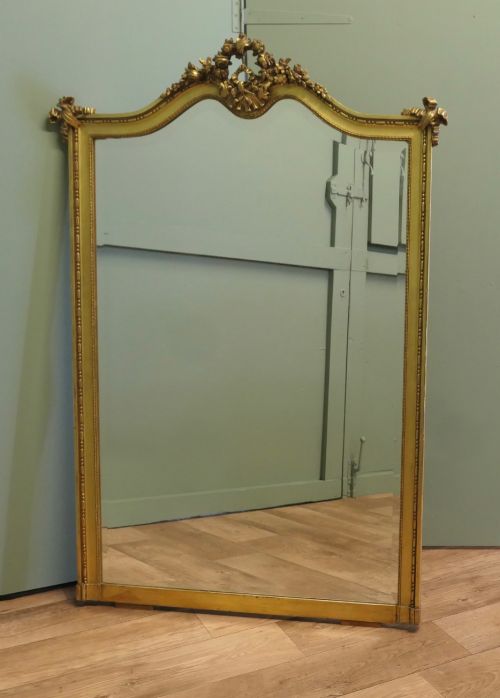
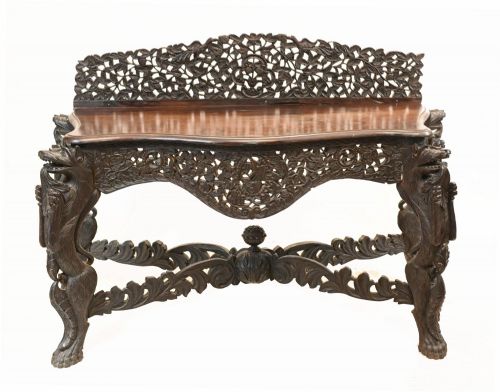
An antique carved console represents a decorative wall-anchored or freestanding table designed primarily for formal display rather than heavy domestic labour. These pieces typically stand against a wall, frequently accompanied by a matching mirror or topped with decorative stone.
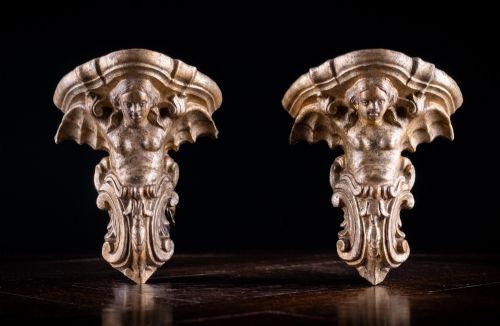
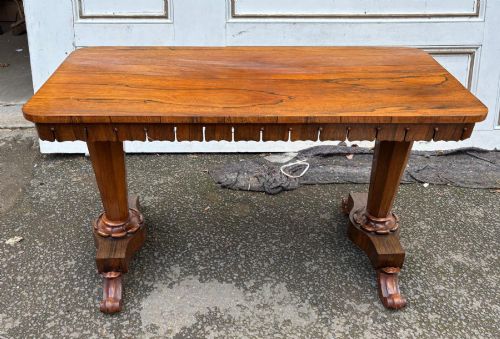
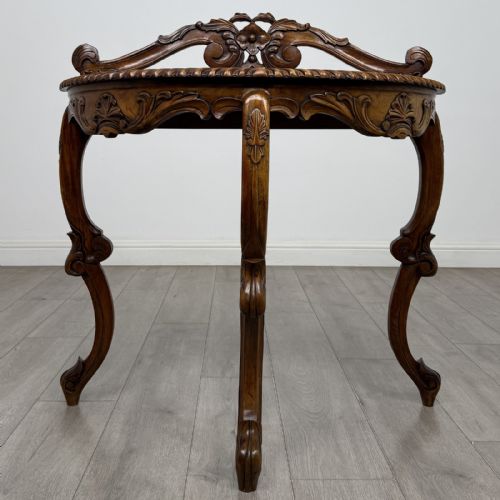
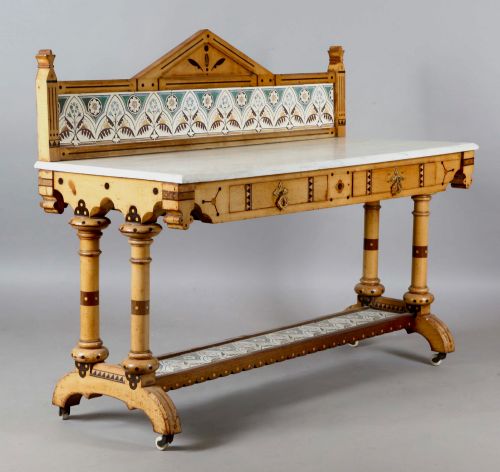
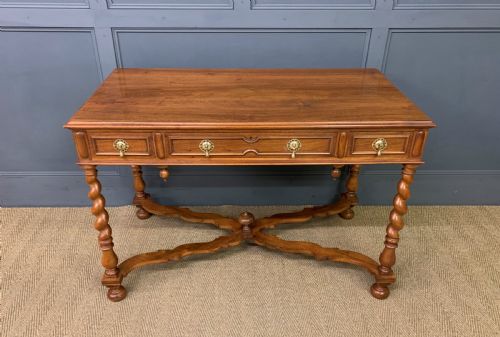
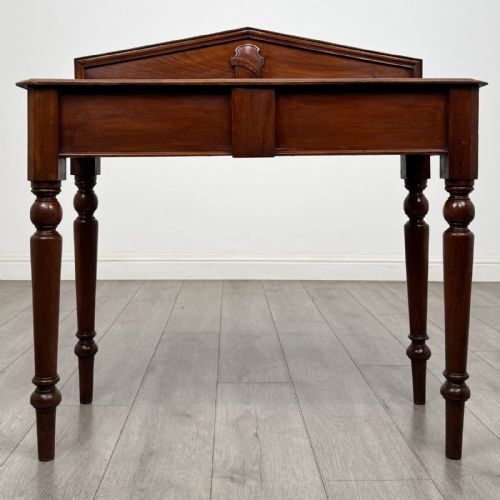
The selections on this page span the eighteenth and nineteenth centuries, taking in stylistic revivals such as French Louis movements, Rococo, and Georgian designs. Alongside conventional console tables, related forms like side tables, pier tables, and wall brackets appear frequently in walnut, mahogany, and giltwood.
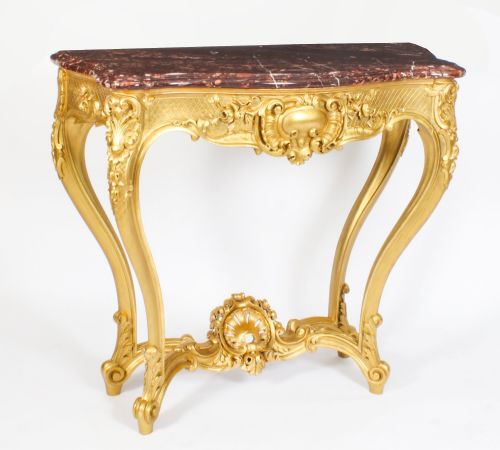
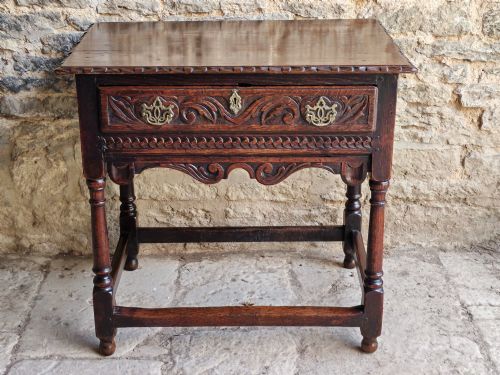
Walnut, oak, and mahogany form the structural backbone of these examples, often enriched with burr veneers, parcel gilding, or marquetry. Marble tops in white, rouge, and breccia finishes occur repeatedly among continental and grander domestic pieces.
Materials and construction methods
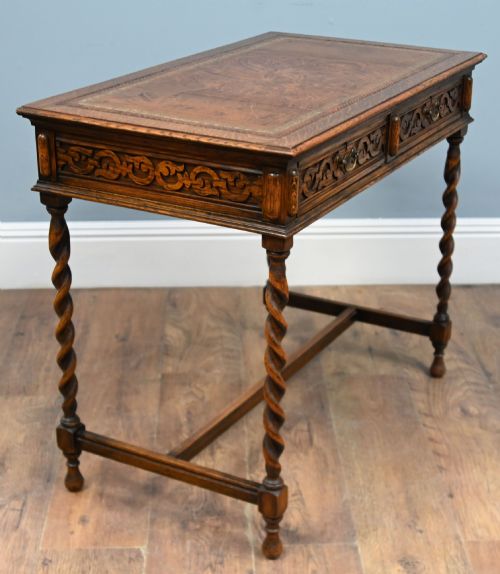
Cabinetmakers utilised dense hardwoods like mahogany, walnut, and oak for foundational stability, often applying highly figured burr veneers to visible surfaces for visual depth. Carved ornamentation relied on skilled hand-chiselling directly into the timber or onto applied mouldings.
Giltwood consoles required layers of gesso applied over a timber base before receiving fine gold leaf, while marble inserts were precisely shaped to fit rebated wooden frames. Structural joints typically employed traditional techniques such as mortise and tenon or dovetailed framing.
Antique Carved Console Retail Price Guide 2026
Typical asking prices for carved console among the pieces listed under this phrase on Sellingantiques today, from the lower quarter to the upper quarter. They describe what is for sale here now, not the wider market.
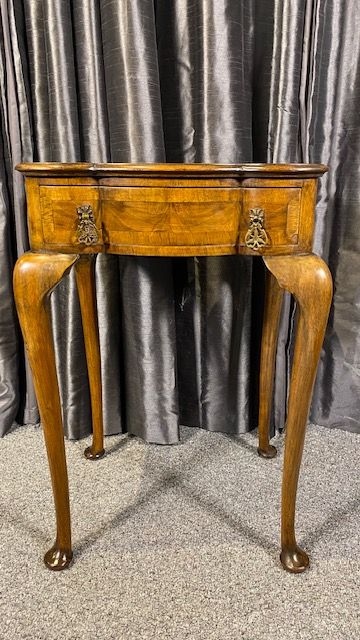
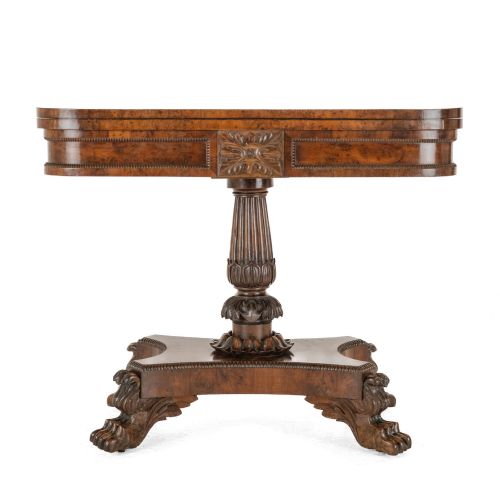
Several tables double their utility through clever folding mechanisms that transform a slim console into a full games table.
Distinguishing quality factors
The crispness and depth of the hand-carving separate standard joinery from superior examples, where crisp acanthus leaves, scrollwork, and moulded edges retain sharp definition. Timber selection plays a critical role, with richly figured burr walnut or dense, unblemished mahogany indicating higher workshop standards.
The integration of secondary materials such as heavy marble slabs and original gilt surfaces dictates the overall grade of the piece. Superior items maintain cohesive proportion between the decorative base and the stone or timber top without structural compromise.
The Antique Carved Console Glossary
- Console table
- A table designed to stand against a wall, traditionally fixed with brackets or supported by front legs.
- Giltwood
- Timber coated with gold leaf over a prepared gesso ground, common on decorative nineteenth-century frames and tables.
- Breccia marble
- A multicoloured stone composed of angular fragments cemented together, frequently utilised for grand table tops.
- Marquetry
- The art of applying pieces of veneer to a structure to form decorative patterns and pictorial designs.
- Demi-lune
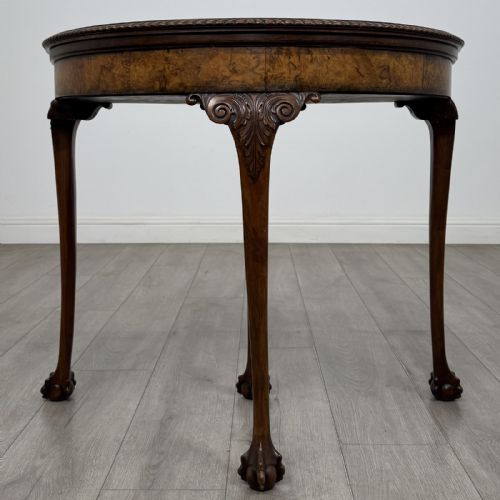
- A half-moon shape characteristic of side tables and consoles designed to sit flush against a wall.
Antique Carved Console: Frequently Asked Questions
Where should a console table sit?
A console table naturally suits entrance halls, long corridors, or living rooms where floor space is limited. Placing one beneath a matching mirror or painting creates a balanced focal point.
Because many historical examples were designed to anchor against a wall, positioning them securely prevents tipping, particularly when heavy marble tops are present.
How do I care for marble tops?
Marble surfaces require gentle cleaning with a damp cloth and neutral soap, avoiding acidic substances like lemon or vinegar that etch the stone. Using coasters protects the polished finish from rings and marks.
Applying a specialist wax occasionally helps guard against staining while preserving the natural lustre of the stone.
Can these tables hold heavy items?
Most historical consoles serve primarily for display rather than heavy storage, holding items such as lamps, ceramics, or mirrors. Wall-mounted variants rely heavily on proper structural fixing to support their own weight and any surface objects.
Freestanding models offer more robust weight distribution through their legs, though care remains necessary with antique joints.
How do I identify the period?
Dating relies on examining the timber species, construction joinery, and decorative motifs characteristic of specific design movements. Georgian and Victorian pieces exhibit distinct carving styles and proportioning.
Tool marks, secondary timbers, and mounting hardware also provide reliable clues to the age and origin of the piece.