



Antique Carved Cane
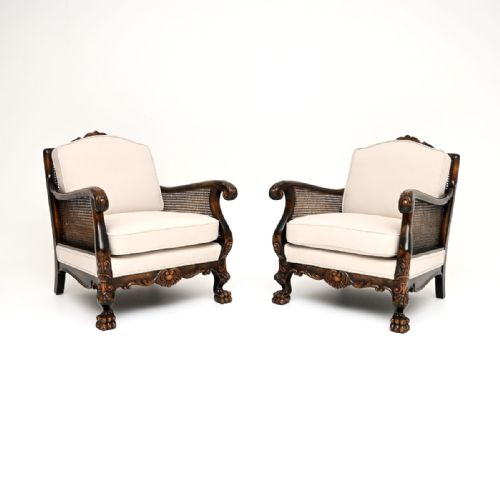
These antique carved cane pieces span seating with woven panels and carved wooden supports alongside carved walking sticks.
Antique Carved Cane
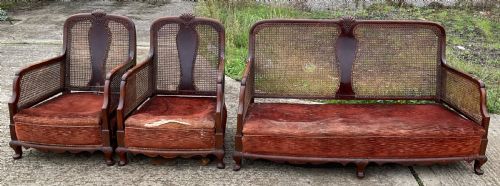
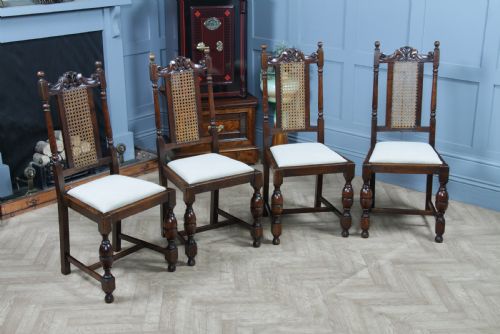
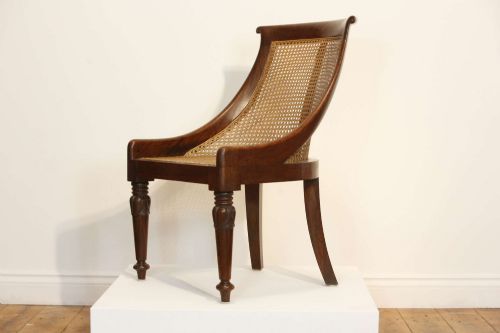
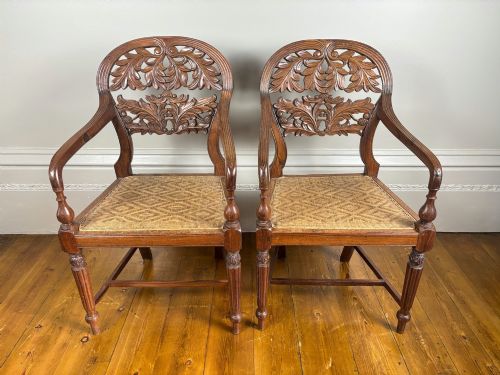
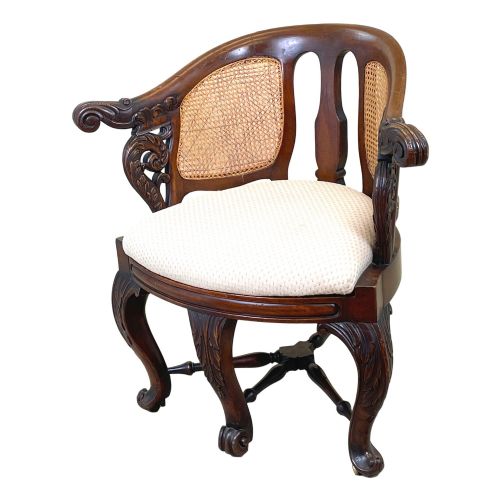
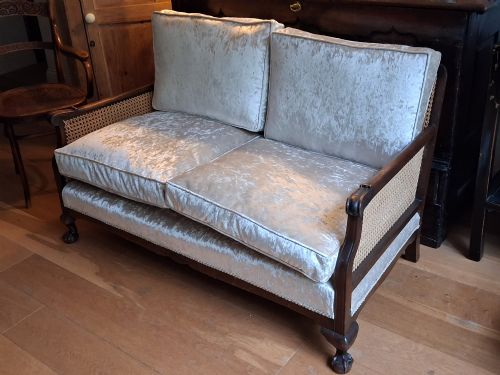
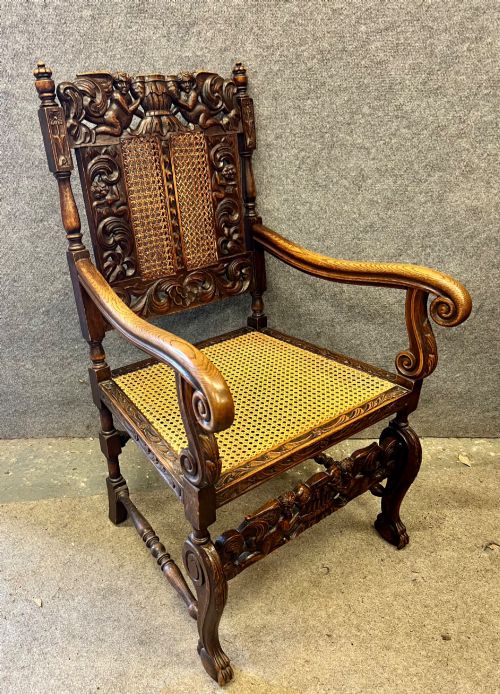
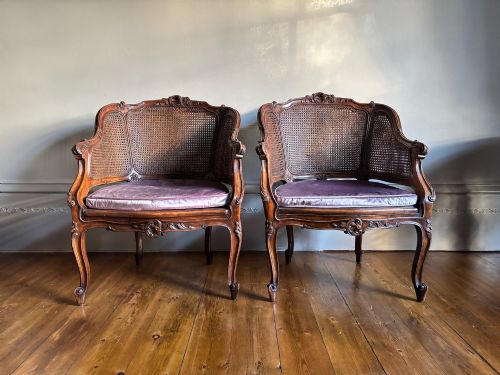
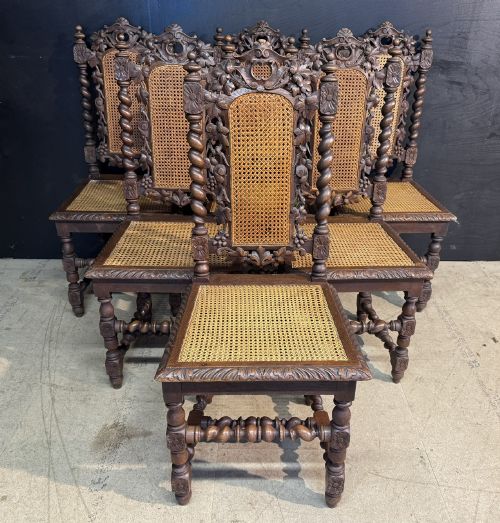
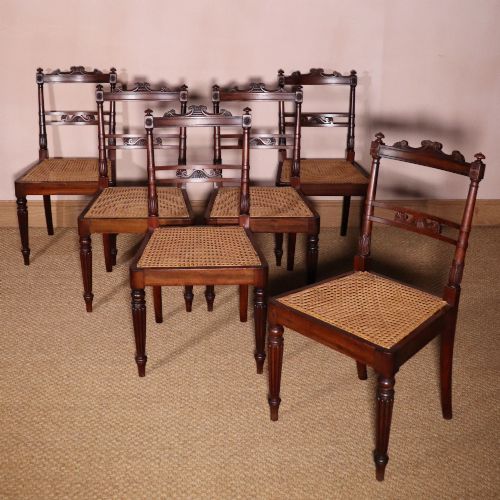
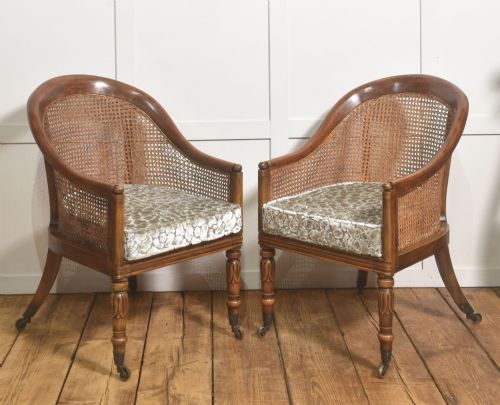
When searching for antique carved cane, buyers encounter two distinct categories of items: seating furniture featuring woven woven panels and carved wooden frames, and walking sticks or canes incorporating carved elements. The furniture selection on this page ranges from 17th century walnut armchairs and Regency ebonised side chairs to Edwardian mahogany dining chairs with cane backs and French bergère sofas.
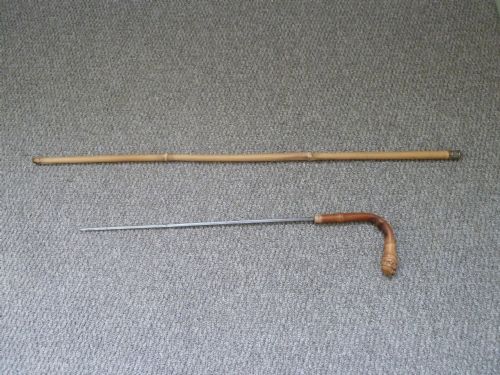
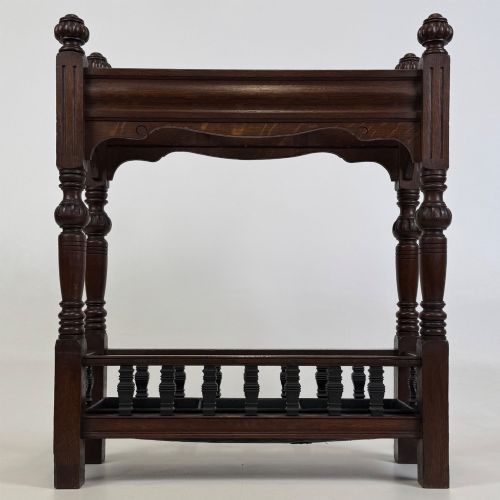
The seating forms frequently appear as armchairs, side chairs, day beds, and umbrella stands constructed in oak, walnut, mahogany, and giltwood. Alongside these, walking sticks and canes emerge in various materials, including bamboo, silver, and wood, sometimes housing hidden blades or featuring novelty carved handles.
Buyers are most likely to meet 19th century and Edwardian interpretations of earlier styles such as Carolean, Louis XVI, and Regency alongside original period examples. The woven cane material, often split cane, provides a resilient yet light structural panel for chair backs and seats.
How they were made
The construction of antique carved cane seating relies on seasoned hardwoods such as oak, walnut, mahogany, and rosewood, which are shaped through carving and joinery to form sturdy frames. Artisans weave natural cane strands through drilled holes or channels in the wooden framework to create flexible, supportive panels for backs and seats.
Walking sticks and canes utilise similar woods alongside bamboo and metals like silver, incorporating carved details or novelty handles into the shaft. Surface finishes include paint, gilding, and polishing to highlight the grain of the wood and protect the carved ornamentation.
Antique Carved Cane Retail Price Guide 2026
Typical asking prices for carved cane among the pieces listed under this phrase on Sellingantiques today, from the lower quarter to the upper quarter. They describe what is for sale here now, not the wider market.
Listings feature oak, walnut, mahogany, and ebony frames paired with cane work across dining chairs, armchairs, and umbrella stands.
What varies in quality
The quality of antique carved cane pieces depends significantly on the crispness and depth of the hand carving on the wooden frames and handles. Finer examples display meticulous execution in the joinery and framing, ensuring the structure supports the tension of the woven cane without distortion.
The integrity and tightness of the cane work itself dictate the standard of the piece, with uniform weaving and intact strands separating superior examples from lesser items. Additionally, the choice of dense timbers such as ebony, walnut, or rosewood contributes to the overall substance and longevity of the object.
The Antique Carved Cane Glossary
- Bergère
- An enclosed upholstered armchair with wooden framing and cane panels on the back and sides. This French seating form often includes a loose seat cushion.
- Cané
- A woven material derived from the rattan palm, utilised to create light and supportive panels in chair backs and seats. It requires skilled manual labour to thread through the frame.
- Carolean
- A seventeenth century British style associated with the reign of Charles II, characterised by rich carved woodwork, scroll legs, and high backs. This aesthetic heavily influenced later revival seating.
- Gonçalo Alves
- A dense exotic hardwood with distinctive figuring, occasionally utilised in Regency furniture making. It provides a durable and heavy structure for dining and side chairs.
- Bergère suite
- A matched set of upholstered seating featuring cane panels and carved wooden frames, typically comprising a sofa and matching armchairs.
Antique Carved Cane: Frequently Asked Questions
How do I clean antique cane?
Maintenance of woven cane panels involves gentle dusting with a soft brush and occasional damp wiping with a wrung-out cloth to keep the material supple. Avoid harsh chemical cleaners and excessive moisture, which can cause the natural plant fibres to become brittle and snap over time.
Applying a very light coat of boiled linseed oil can help preserve older cane if it shows signs of dryness. Keeping the furniture away from direct heat sources prevents the cane from shrinking and splitting.
Can broken cane be repaired?
Damaged or broken cane panels can be successfully repaired by traditional craftspeople who reweave new rattan strands through the existing holes in the wooden frame. Professional restoration maintains the structural integrity and historical appearance of the piece.
Attempting DIY repairs with modern synthetic substitutes can detract from the authenticity of an antique chair. Sourcing a restorer familiar with traditional patterns ensures the longevity of the woven section.
What is a sword stick?
A sword stick is a walking cane engineered with a concealed blade housed inside the shaft, popular during the nineteenth century for personal protection. The handle mechanism secures the blade safely within the outer casing until released.
These items combine utilitarian walking aids with metalwork and novelty handles fashioned from wood or silver. Collectors value them for their mechanical ingenuity and historical context.
How do I date a cane chair?
Dating involves examining the wood species, joinery techniques, and the style of the carving on the frame. Earlier pieces from the seventeenth and eighteenth centuries display hand-cut joinery and dense native or exotic timbers, whereas later revival pieces often incorporate machine tooling.
The weave pattern and the way the cane is secured to the frame also offer clues to the manufacturing era. Comparing the overall silhouette against documented period designs helps narrow down the decade of production.