


Antique Carved Caddy
When you handle an antique carved caddy, you touch a small domestic monument to the history of tea.
Antique Carved Caddy
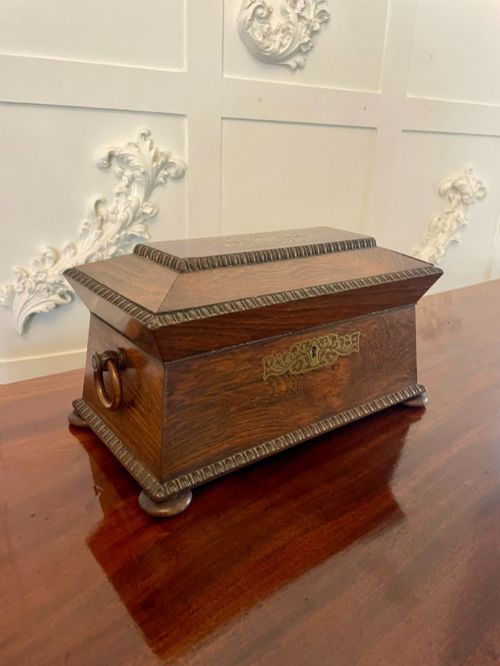
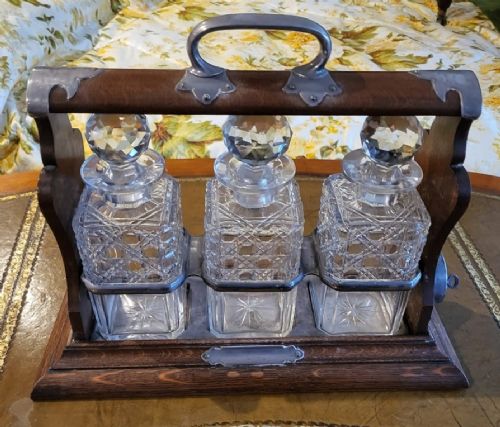
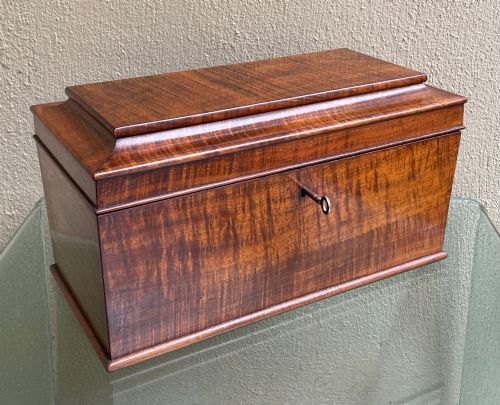
An antique carved caddy brings domestic storage containers into focus, ranging from traditional tea vessels to related boxes, caskets, and small tables. A buyer searching this phrase encounters utilitarian tea storage alongside larger teapoys and decorative caskets produced across various centuries.
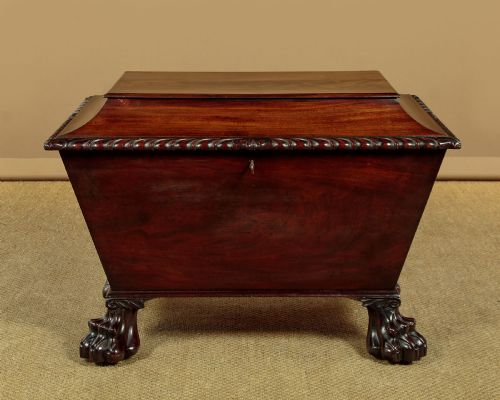
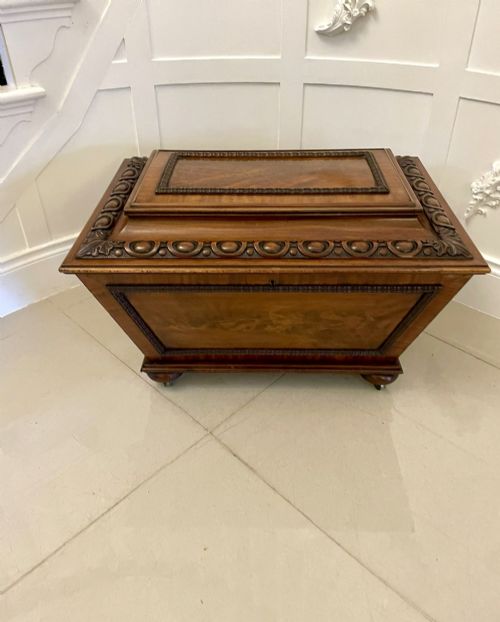
The objects stem from Georgian, Regency, Victorian, and Edwardian periods, manifesting in materials like mahogany, rosewood, oak, walnut, and silver. Architectural forms like the sarcophagus shape appear alongside rectangular work boxes and intricately carved regional pieces.
Makers utilised diverse global traditions, producing English mahogany boxes, Anglo-Indian padouk furniture, French oak vessels, and Chinese bamboo pieces. The selection bridges formal British cabinet-making and regional colonial craftsmanship.
Materials and Methods
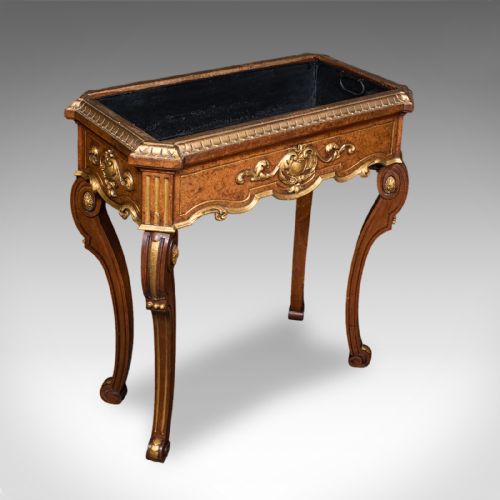
Cabinet makers built these vessels from dense hardwoods such as mahogany, rosewood, walnut, and oak, often applying decorative veneers or solid carvings. Timber selection dictated the weight and durability of each piece, ranging from figured burl walnut to deeply carved padouk.
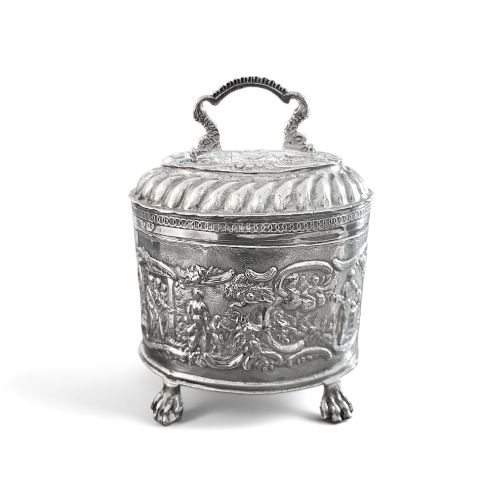
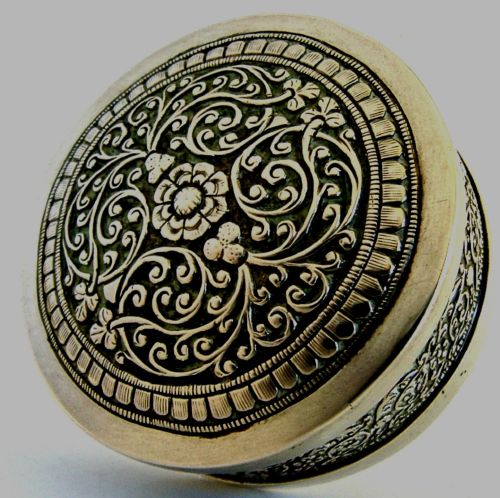
Metal mounts, brass hinges, and silver repousse work supplement the woodwork on many examples, while specialised pieces incorporate tortoiseshell, coconut shell, or gesso decoration. Artisans shaped these materials using traditional hand-joining techniques suited to small containment vessels.
Antique Carved Caddy Retail Price Guide 2026
Typical asking prices for carved caddy among the pieces listed under this phrase on Sellingantiques today, from the lower quarter to the upper quarter. They describe what is for sale here now, not the wider market.
Some Victorian tea containers doubled as miniature sideboards for dollhouses or tabletop displays.
Judging Quality
The distinction between tiers rests upon the crispness of the carving, the selection of timber grain, and the integrity of the original construction. Superior pieces display harmonious proportions and meticulous attention to detail in their handles, feet, and internal compartments.
Workmanship in secondary elements, such as internal lids, escutcheons, and hinges, separates standard production boxes from exceptional cabinet work. The depth and precision of carving across surfaces like rosewood, bamboo, or padouk reveal the hand of a skilled artisan.
Tahan of Paris·Berthold Herman Muller·Strahan
The Antique Carved Caddy Glossary
- Tea Caddy
- A small box or chest designed originally for storing tea leaves securely under lock and key. These containers often featured internal compartments to separate different tea varieties.
- Teapoy
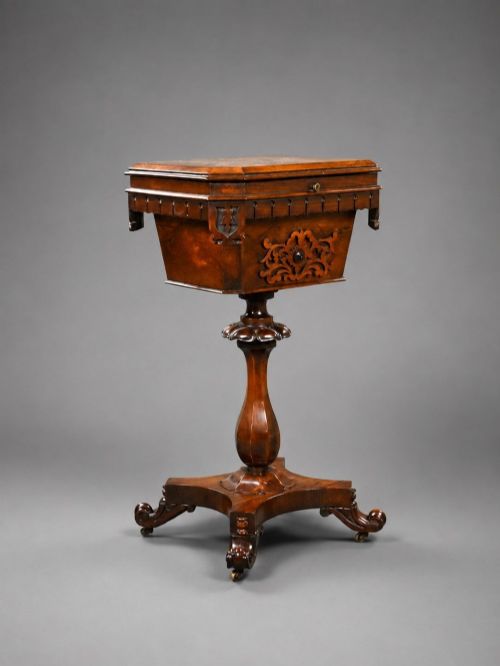
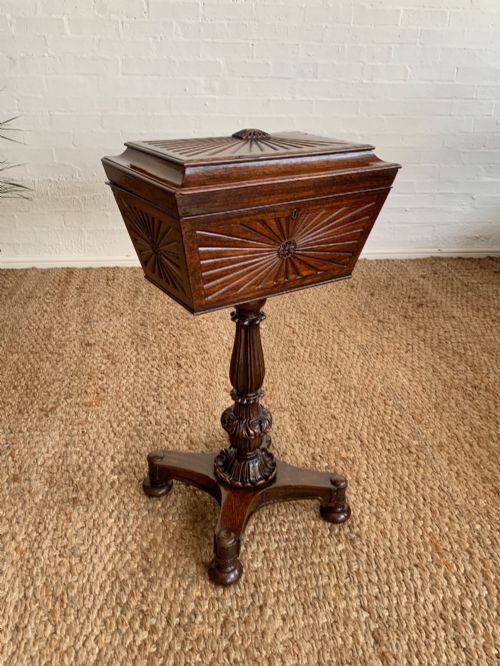
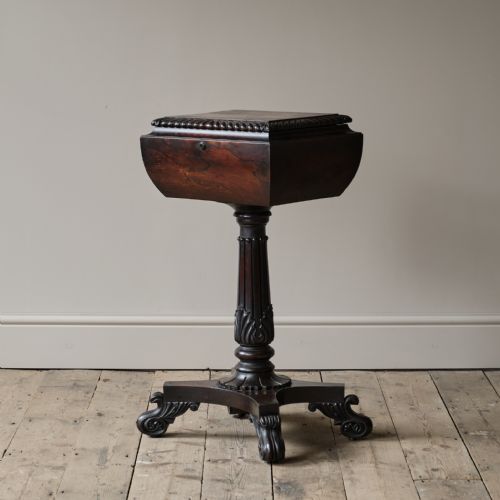
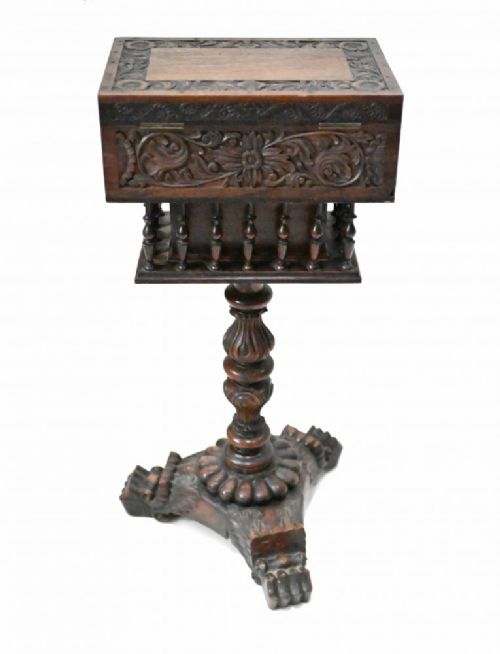
- A small table fitted with a box or container on top, used for holding tea and serving equipment. They frequently rest on a central pillar with tripod or platform feet.
- Sarcophagus
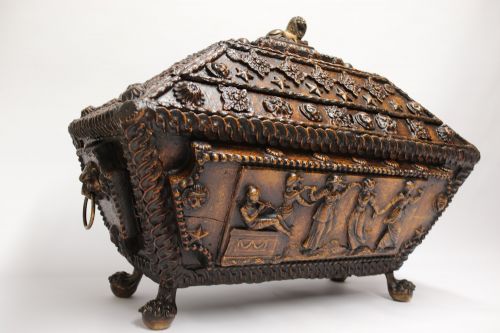
- A box shape characterised by a sloping, domed lid and a flared or tapering base, echoing ancient stone tombs. This silhouette proved popular for Regency and Victorian tea containers and cellarettes.
- Repousse
- A metalworking technique where an artisan hammers metal from the reverse side to form a raised design on the front. This method appears on silver tea caddies and decorative boxes.
- Padouk
- A heavy, durable tropical hardwood prized for its rich colour and stability, frequently utilised in Anglo-Indian and colonial furniture. It accepts intricate carving exceptionally well.
Antique Carved Caddy: Frequently Asked Questions
What was inside an antique carved caddy?
These vessels originally stored precious loose tea leaves when tea was an expensive commodity requiring safekeeping. Many contained fitted interior canisters or mixing bowls alongside the locking mechanism.
Over time, owners repurposed these lidded boxes for stationery, trinkets, or sewing accessories as tea packaging and social habits evolved.
How do I date a tea caddy?
Dating relies on observing the timber species, construction methods, hardware style, and overall decorative aesthetic. Georgian and Regency pieces often showcase mahogany or rosewood with brass feet, while Victorian examples lean towards burr walnut and heavier ornamentation.
Internal configurations and lock types also shift across decades, offering clues to the period of manufacture.
Where were these caddies made?
Production spanned British workshops, European centres like Paris, and colonial outposts including India and China. Local trade routes heavily influenced the choice of timber and carving style.
Asian and Anglo-Indian pieces frequently utilise regional woods like padouk and teak, whereas English pieces favour native oak or imported mahogany.
How should I care for a wooden caddy?
Maintain stable humidity levels and keep wooden boxes away from direct heat sources and strong sunlight to prevent timber splitting. Gentle dusting with a dry, soft cloth preserves the polished surface without stripping natural oils.
Avoid liquid cleaners or polishes that build up residue on carved details or historic veneer.