

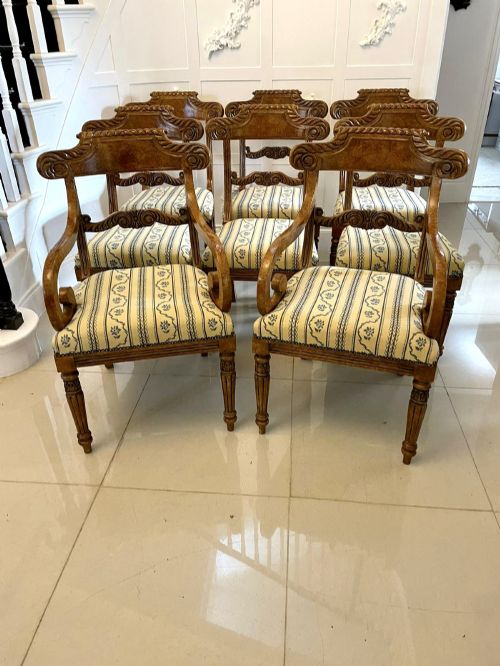
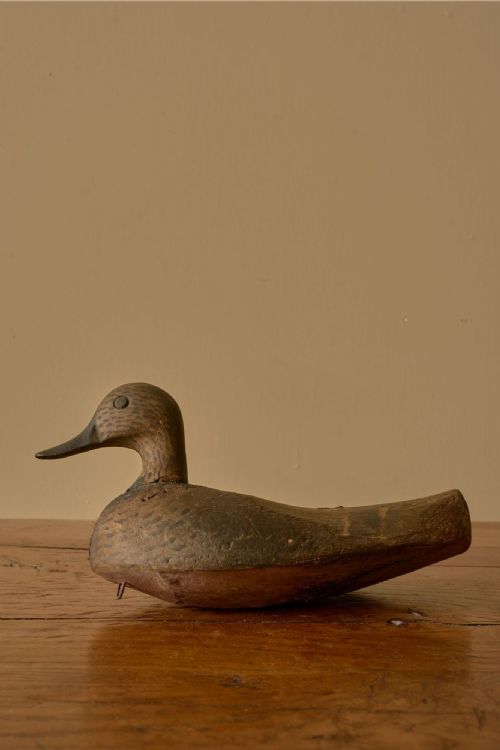
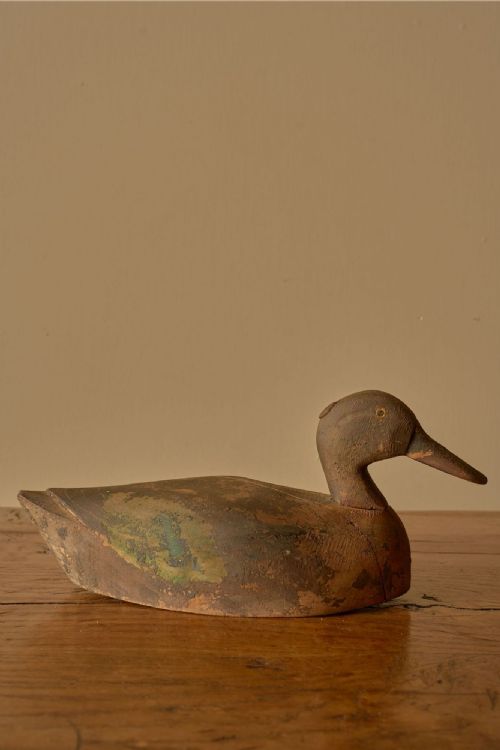
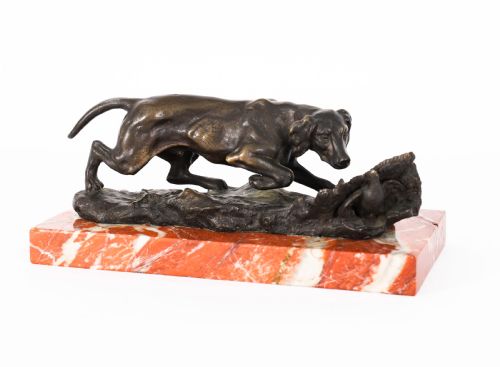
Antique Carved Bird
These pieces range from Black Forest eagles to folk art decoys, bringing tactile avian form into interior spaces through enduring craftsmanship.
Antique Carved Bird
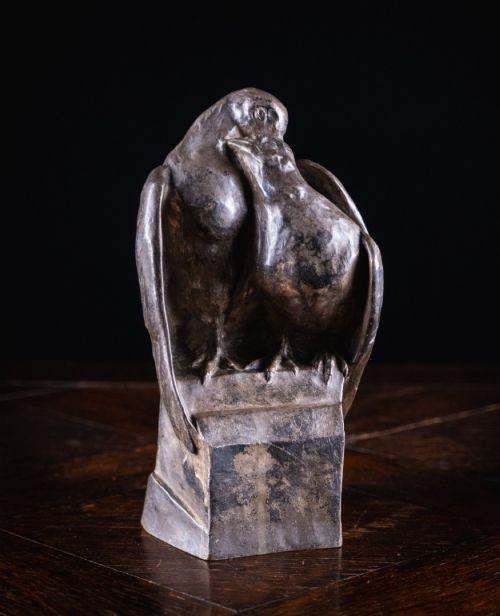
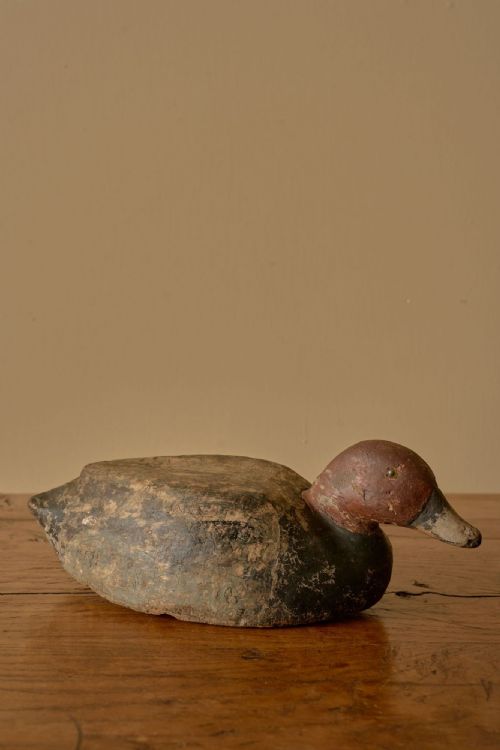
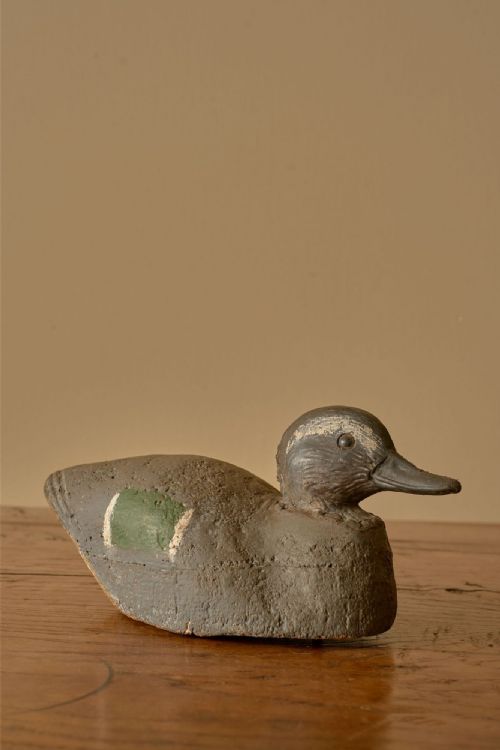
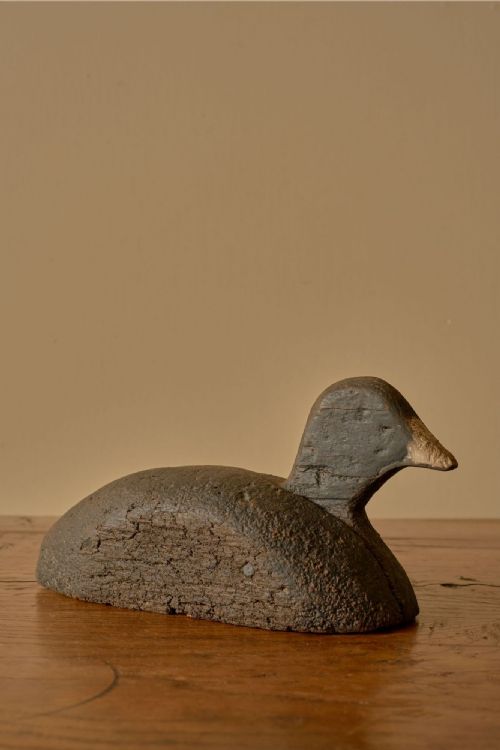
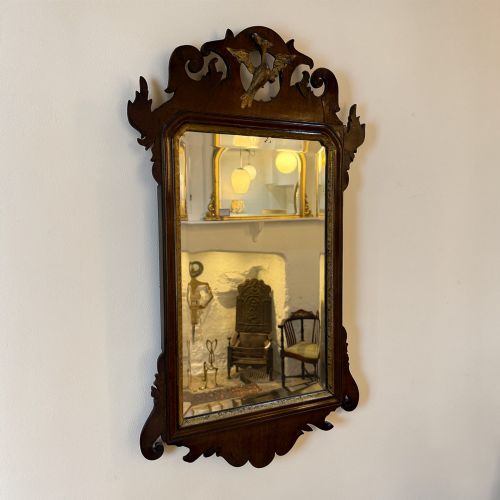
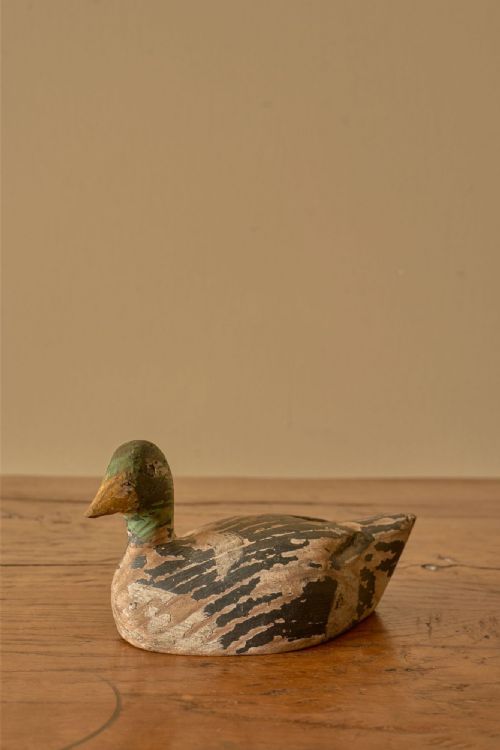
When you search for an antique carved bird, you encounter sculptural works spanning the eighteenth to the twentieth centuries, crossing folk art, Black Forest, and Asian traditions. The selection frequently includes decoy ducks, decorative parrots, wall mirrors with crested bird motifs, and desk accessories carved from timber or cast in bronze.
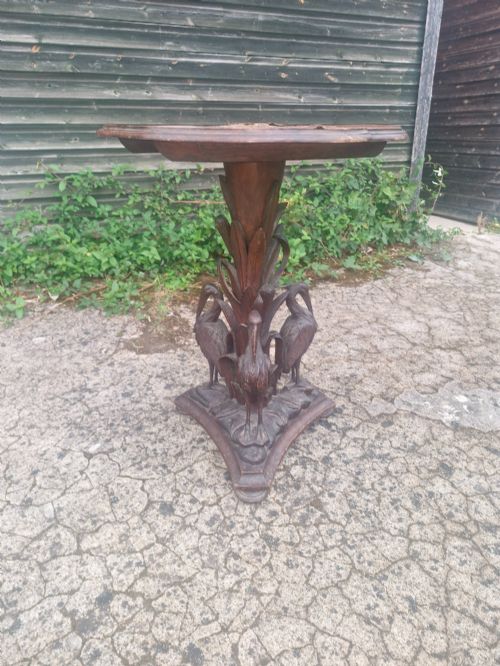
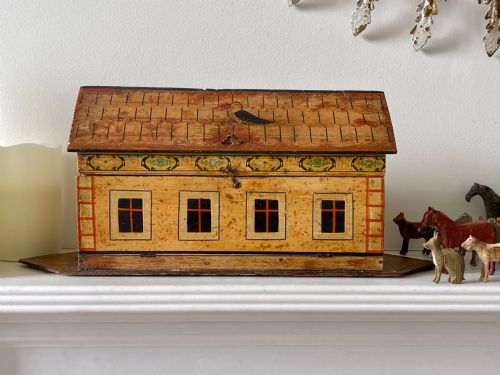
European examples often take the form of domestic utility and ornament, such as wooden humidors, barometer cases, and cuckoo clocks originating from nineteenth-century workshops. Folk art expressions appear as painted wooden pigeons and Swedish bird boxes designed with naive charm.
Asian traditions contribute jade cockerels, bronze vases adorned with blossom and avian motifs, and intricate bamboo bird cages that demonstrate refined miniature joinery. These objects serve primarily as decorative focal points within rooms, maintaining their original function as mirrors, vessels, or mantel sculptures.
How they were made
Wood serves as the primary medium, worked through hand-chizzling and gouging to create the textured plumage seen on decoy ducks and large eagles. Artisans employed native timbers such as oak, mahogany, and pine, frequently applying surface paint or giltwood to enhance the carved details.
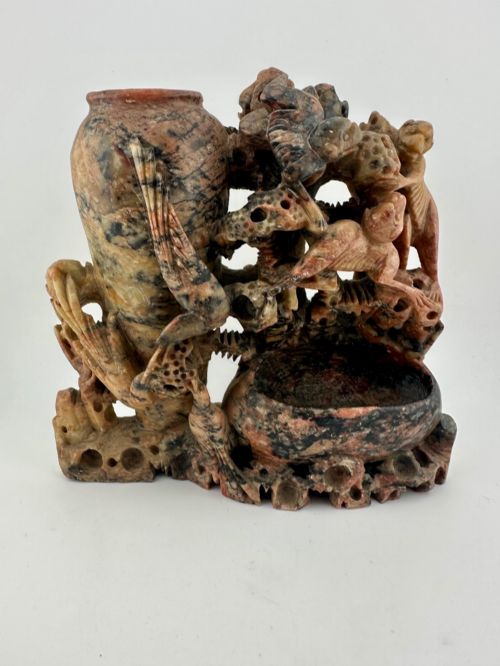
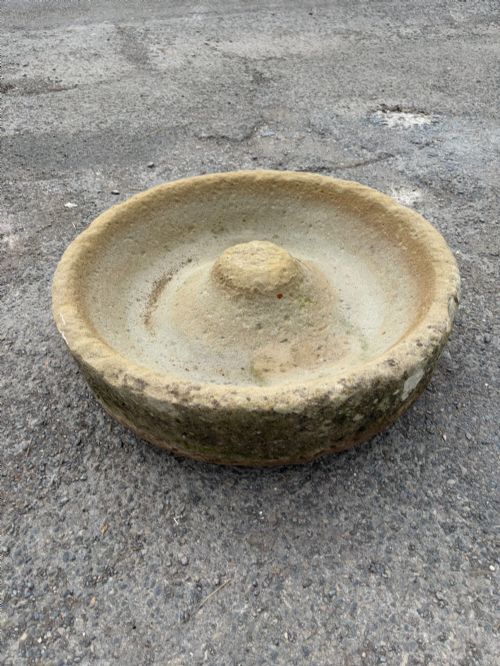
Metal-worked pieces utilise bronze and brass, shaped via casting techniques to produce durable vessels, door pulls, and sculptural figures. Hardstones like jade and sandstone appear in specific scholarly carvings and troughs, shaped through abrasion and polishing.
Combined media pieces integrate carved bone, glass, and marble bases to support metal statues and wall brackets. Painted finishes on decoys and folk art items involve layered pigments applied directly to sealed wooden substrates.
Antique Carved Bird Retail Price Guide 2026
Typical asking prices for carved bird among the pieces listed under this phrase on Sellingantiques today, from the lower quarter to the upper quarter. They describe what is for sale here now, not the wider market.
Materials represented across the inventory include wood, carved wood, giltwood, bronze, brass, glass, paint, and metal.
What varies in quality
The precision and depth of the hand-carving dictate the distinction between standard production items and superior works, particularly in Black Forest wood figures and Japanese bronzes where feather definition and anatomical proportion demand high technical skill. Subtlety in the application of paint and the preservation of original patination on wooden surfaces significantly influence the visual integrity of folk art objects.
The integration of material with form separates ordinary decorative items from exceptional pieces, such as the harmonious pairing of carved hardwood stands with jade water birds or the structural complexity of triptych mirror frames featuring elaborate bird cresting.
The Antique Carved Bird Glossary
- Black Forest
- A regional style of woodwork originating from the mountain forests of Central Europe, characterised by deeply carved animals and flora. These pieces often utilise lime wood or walnut.
- Decoy
- A carved and painted wooden representation of a bird, traditionally utilised by hunters to attract waterfowl. They display working ballast weights or anchor loops beneath.
- Ho-Ho Bird
- A mythical avian creature derived from Chinese iconography, frequently incorporated into eighteenth-century and revival English furniture pediments and mirror frames. It is often depicted with a crested head and flowing tail feathers.
- Meiji
- A Japanese imperial period spanning from 1868 to 1912, noted for highly detailed bronze work and decorative arts intended for export. Pieces from this era often feature inlaid metals and flora.
- Folk Art
- Objects created by self-taught or community artisans outside formal academic traditions, prioritising utility and expressive form over strict proportion. These items frequently display original hand-mixed painted surfaces.
Antique Carved Bird: Frequently Asked Questions
What materials are common?
The listings show a heavy reliance on carved wood, cast bronze, and painted surfaces. Hardstones such as jade and sandstone also appear in specific Asian and utility items.
Artisans utilised these materials to capture realistic textures like feathers and scaled skin, often combining wood with brass or bone details.
How were decoy ducks used?
Decoy ducks served a practical purpose on waterways, floating on the surface to lure wild birds within range of hunters. Their weighted bases kept them upright in choppy water.
Today, collectors display them as decorative sculptures to appreciate their hand-painted patination and utilitarian origins.
What is a Black Forest carving?
Black Forest carvings are wooden decorative objects originating from nineteenth-century European mountain regions. They are known for realistic depictions of wildlife, including eagles, bears, and owls.
These pieces often took the form of functional items like barometers, clocks, and humidors integrated into domestic interiors.
How do I identify the period?
Dating relies on material clues, stylistic markers, and manufacturing methods visible in the woodwork or metal casting. Victorian and Edwardian pieces often show revival styles like Chippendale or specific regional motifs.
Comparing the tool marks, patination, and documented historical periods helps narrow down the age of each object.