
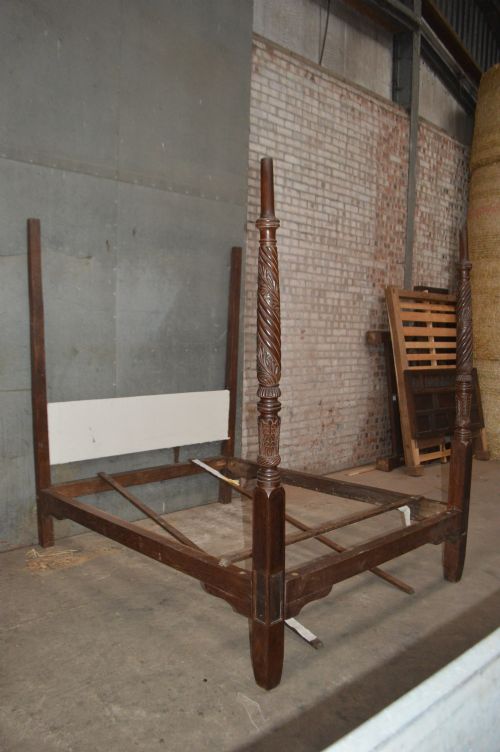


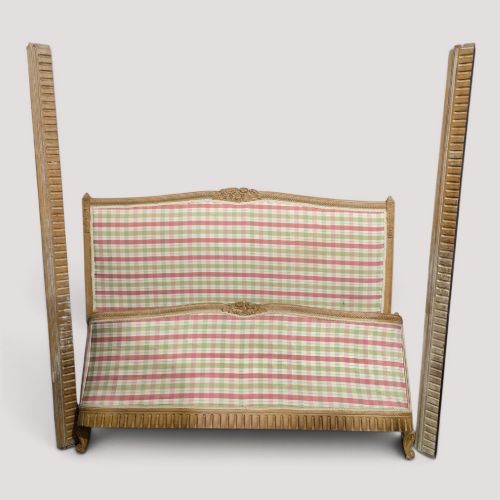
Antique Carved Bedstead
An antique carved bedstead anchors a bedroom with substantial timber presence, bringing centuries of regional craftsmanship and dramatic scale directly into a modern home.
Antique Carved Bedstead
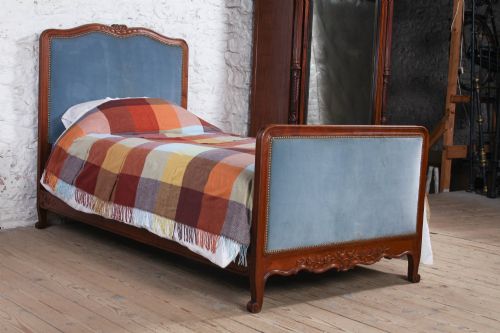
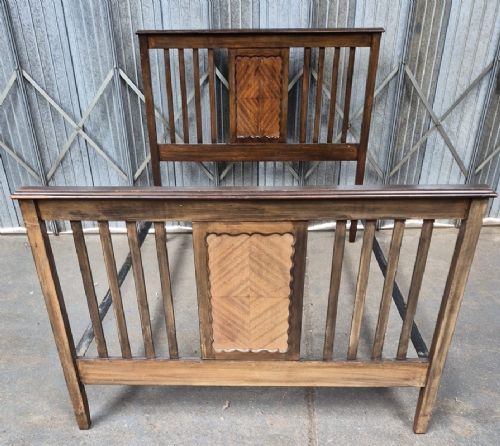
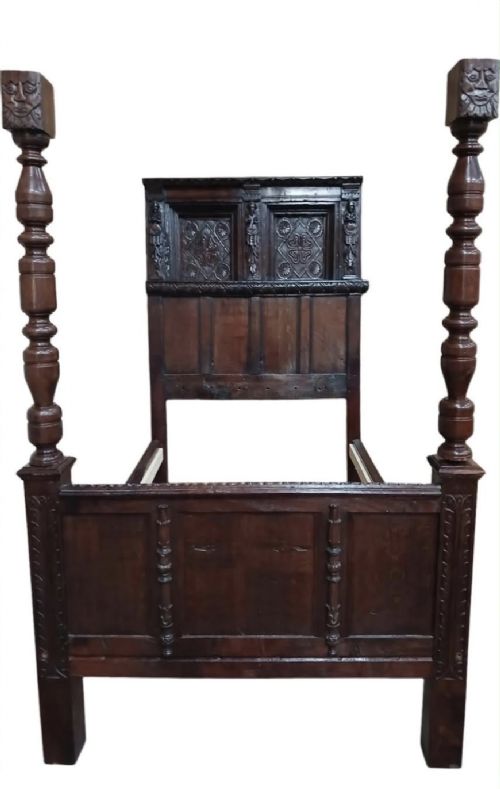
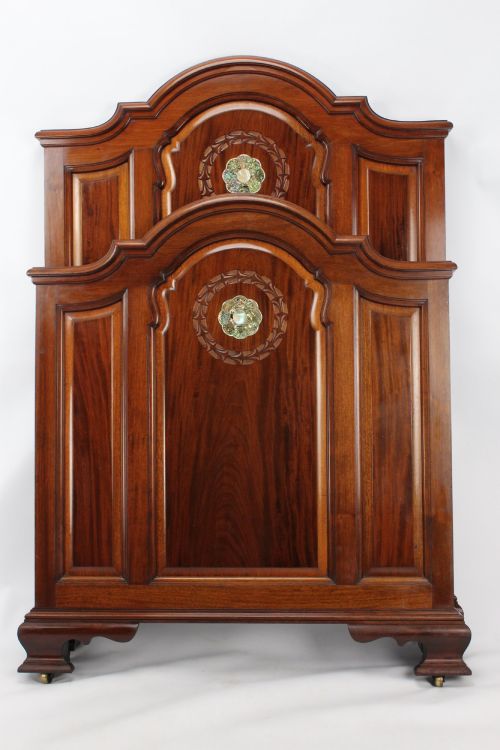
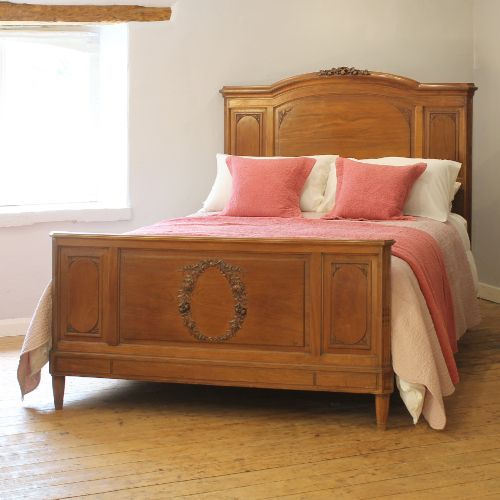
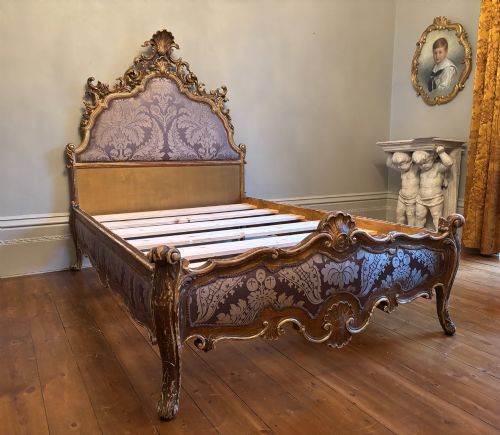
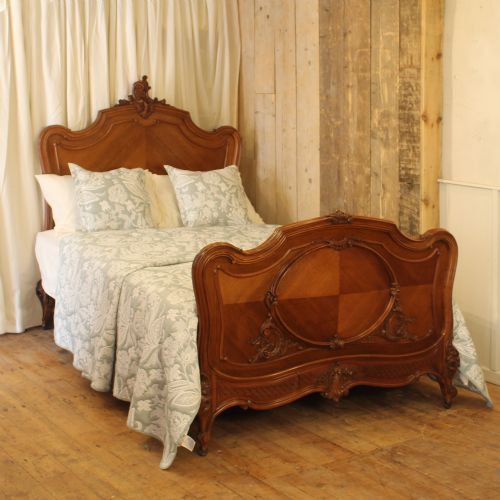
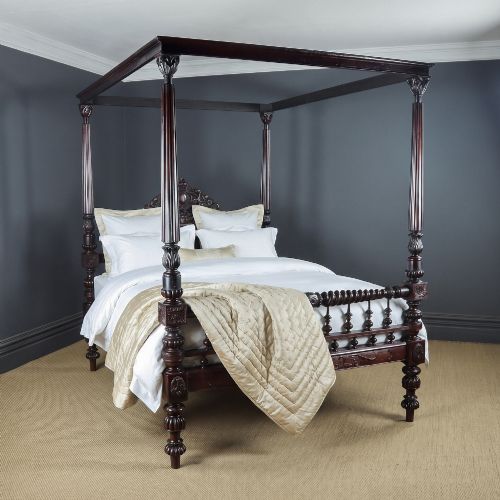
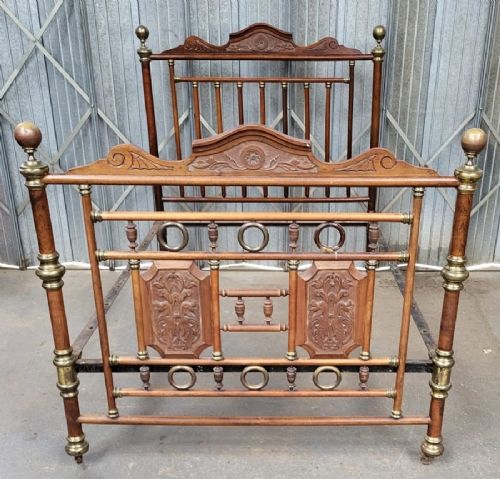
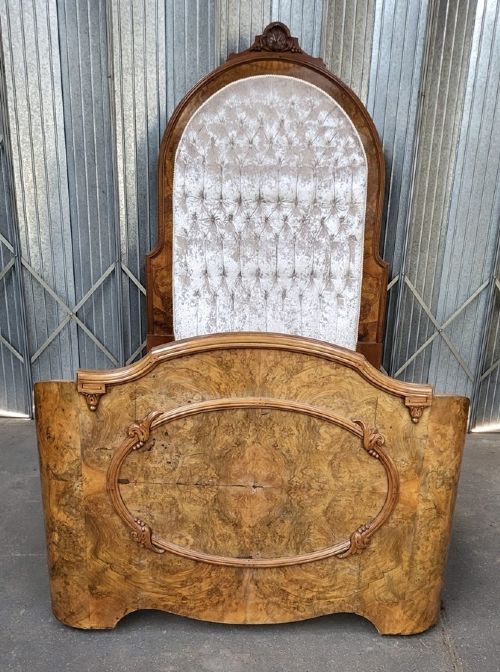
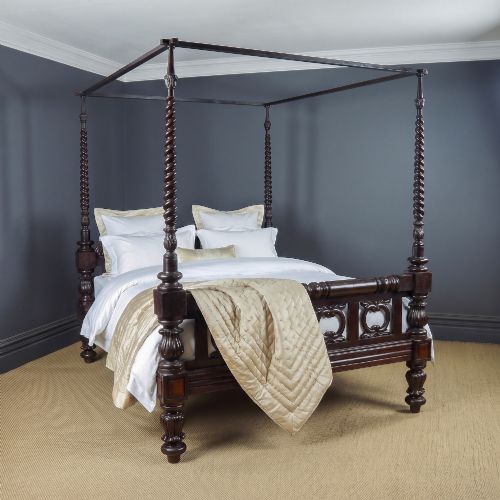
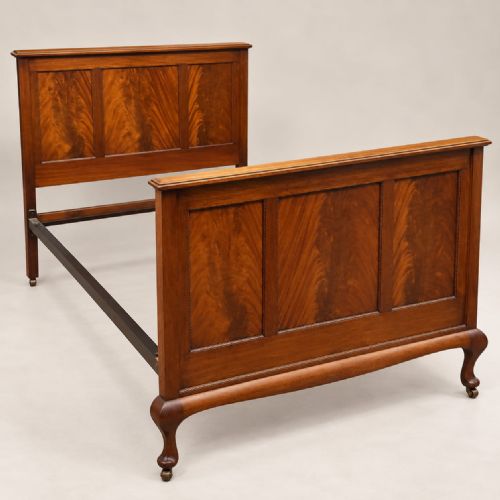
The selections on this page span diverse formats including French walnut double beds, Edwardian mahogany frames, and imposing four poster tester beds. Examples appear across multiple sizing standards from single widths up to king and super king dimensions.
Origins stretch across English, French, Italian, and Anglo-Indian workshops, reflecting distinct regional interpretations of classical revivals and local timber traditions. Surviving pieces demonstrate the enduring utility of domestic sleeping furniture built well before the era of mass production.
What varies in quality
The distinction between ordinary production and superior work rests on the depth and crispness of the hand carving, where skilled chiselling retains sharp relief and harmonious proportions rather than mechanical uniformity. Timber selection dictates overall merit, separating plain boards from richly figured burr walnut, quarter-veneered surfaces, or finely grained mahogany.
Structural integrity and the preservation of original joining mechanisms separate utilitarian survivals from exceptional examples. Pieces that retain their correct proportions, original hardware, and uncompromised structural timbers hold greater authority within historical interiors.
Current listings feature frames constructed from solid oak, mahogany, walnut, and fruitwood across English, French, and Italian stylistic traditions.
Heals of London
The Antique Carved Bedstead Glossary
- Tester bed
- A bedstead featuring a wooden canopy or ceiling supported by vertical posts above the sleeping platform. These grand structures originated to retain heat and provide privacy in drafty historical chambers.
- Four poster
- A bed frame defined by four vertical corner posts that rise to support an upper framework or tester. They frequently display intricate turning and carved ornamentation along the shaft.
- Burr walnut
- Timber harvested from walnut tree growths or burls, yielding highly intricate, swirling grain patterns. Cabinetmakers sliced this wood into thin veneers to cover large decorative surfaces.
- Four poster bed frame
- The foundational wooden skeleton of a tester bed, lacking textile hangings but displaying the structural posts and headboard. It forms the architectural core of traditional bedstead design.
- Faux bamboo
- A decorative finish where solid wood is turned and carved to imitate natural bamboo stalks. This style gained significant popularity during the nineteenth century due to global trade influences.
Antique Carved Bedstead: Frequently Asked Questions
What is an antique carved bedstead?
An antique carved bedstead is a historical wooden sleeping frame shaped by traditional cabinetmaking techniques and stylistic periods spanning from the seventeenth century through the early twentieth century.
These pieces combine functional bedroom utility with sculptural woodwork, decorative carvings, and regional joinery traditions that reflect the aesthetic values of their original era.
How do I choose the right size?
Selecting the correct size requires careful measurement of your bedroom space and an understanding of historical sizing conventions. Many older frames were built to bespoke dimensions rather than modern standardised mattress sizes.
Verify the internal rail lengths and widths to ensure standard modern mattress bases can be accommodated safely within the antique wooden framework.
How do I care for antique wood?
Preserving antique timber involves maintaining stable indoor humidity levels and keeping wooden surfaces away from direct heat sources and harsh sunlight.
Apply quality beeswax sparingly and buff gently with a soft cloth to nourish the wood grain without building up heavy chemical residues.
How do I identify different periods?
Period identification relies on observing the interplay of structural forms, carving styles, and timber choices characteristic of specific historical eras. Seventeenth-century pieces display robust oak joinery, whereas nineteenth-century items often embrace French walnut or mahogany revival designs.
Examining construction marks, tool traces, and assembly methods helps confirm the approximate decade of manufacture.