




Antique Carriage Art
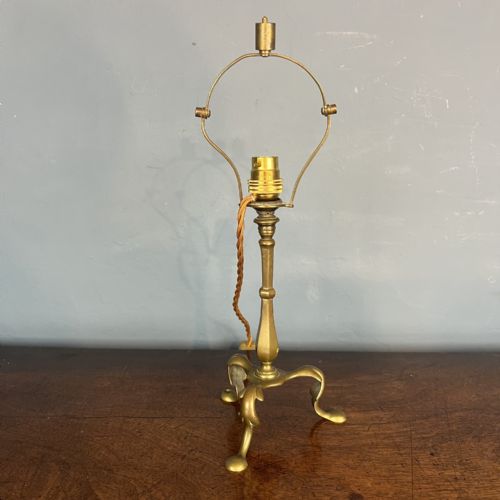
When you search for antique carriage art, you meet paintings, models, and lighting that capture historical transport, coaching scenes, and travel.
Antique Carriage Art
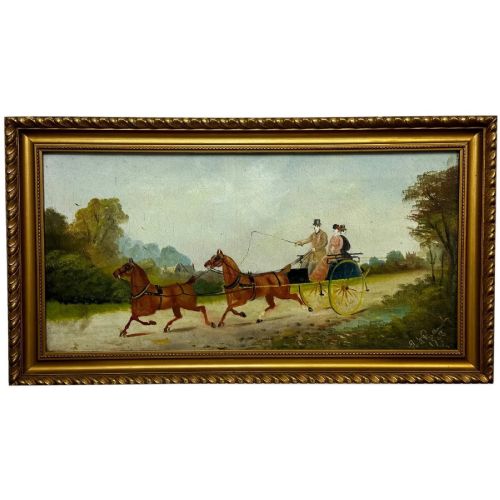
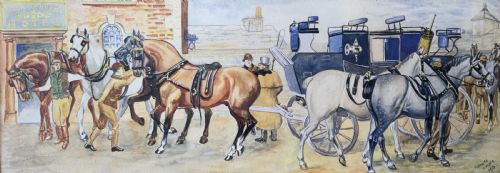
Antique carriage art encompasses oil paintings, watercolours, and chalk drawings depicting coaching scenes, mail coaches, stagecoaches, and horse-drawn transport from various periods. These works record historical travel, rural routes, and bustling street scenes rendered by notable equestrian and genre artists.
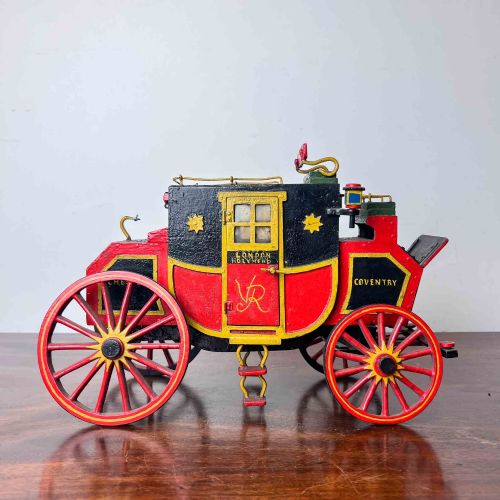
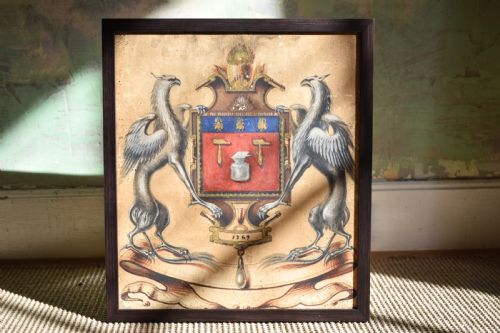
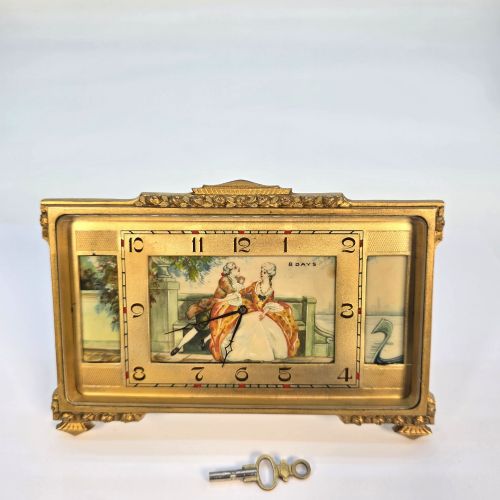
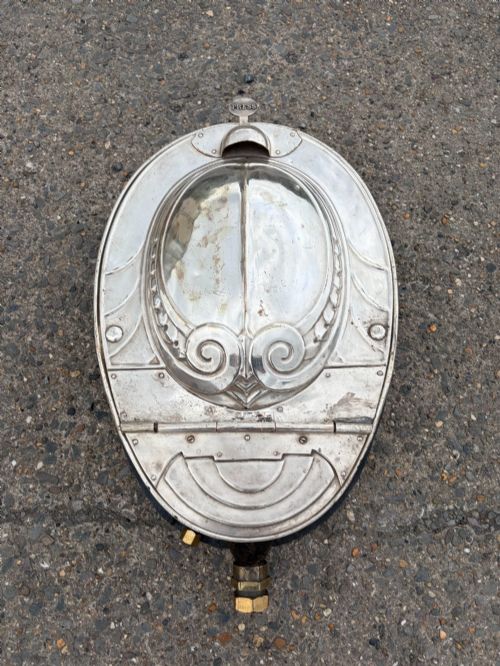
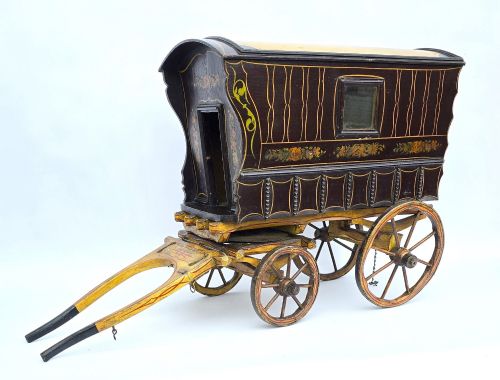
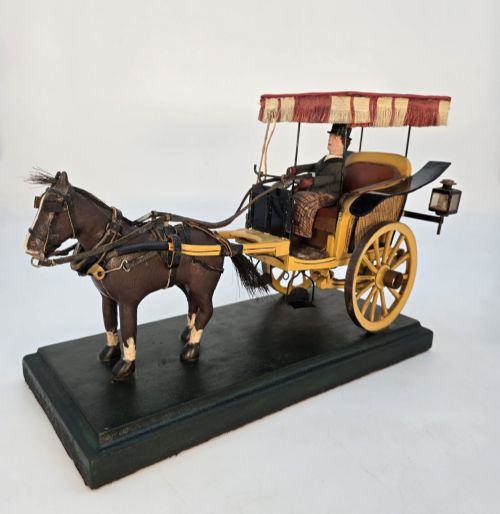
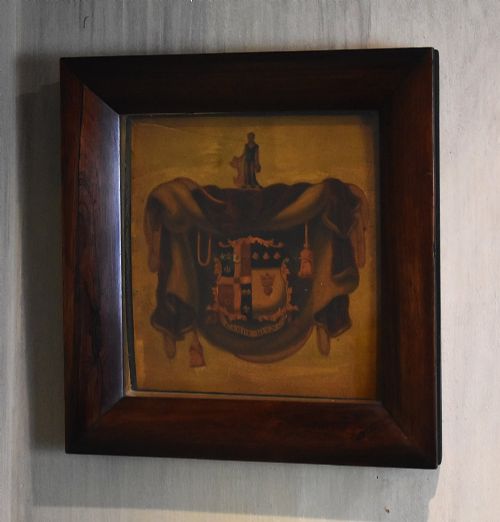
Beyond flat artwork, the selection includes physical objects connected to travel and transit, such as folk art wooden models of carriages, heraldic painted coach panels, and railway carriage fittings. These pieces range from Georgian heraldic panels to Edwardian watercolours and Art Deco French clocks.
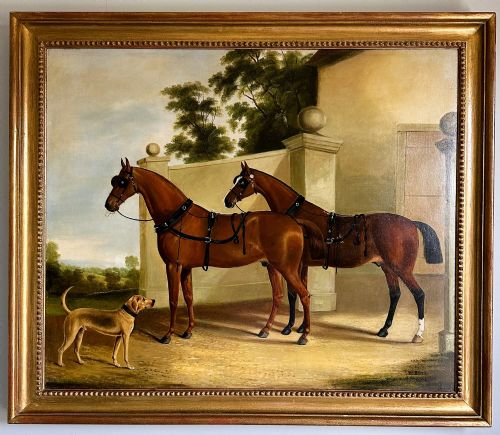
Buyers will most frequently encounter framed oil paintings and watercolours depicting horses, hounds, and winter coaching journeys alongside smaller travel timepieces and carriage clocks. The visual focus centres squarely on the movement of horse-drawn vehicles and the atmosphere of past roadways.
Materials and methods
Paintings in this category rely primarily on oil on canvas, oil paint on panel, and watercolour or chalk on paper, often housed in traditional wooden or walnut frames. Artists utilised these mediums to capture the fine details of harnesses, horses, and snowy weather conditions.
Physical artefacts and functional objects incorporate brass, copper, sterling silver, silver plate, glass, enamel, and carved wood. Folk art models demonstrate scratch-built wooden construction, while metal pieces utilise hammering, casting, and guilloche enamel finishing techniques.
Antique Carriage Art Retail Price Guide 2026
Typical asking prices for carriage art among the pieces listed under this phrase on Sellingantiques today, from the lower quarter to the upper quarter. They describe what is for sale here now, not the wider market.
Listings feature works spanning the eighteenth century through the Art Deco era, utilising oil on canvas, sterling silver, and carved wood.
Determining quality
Quality rests upon the skill of the draughtsmanship and the artist's ability to render the anatomy of horses and the dynamic movement of a four-in-hand coach or carriage. Signed works by established sporting painters display superior precision in composition compared to anonymous or simpler folk art examples.
Materials and execution also dictate standard, where hallmarked sterling silver, detailed enamel work, and hand-painted heraldry on authentic coach panels represent higher manufacturing standards. Condition of the canvas, original framing, and the intricacy of scratch-built models further distinguish the finer pieces.
Philip H Rideout·R D Roberts·Georg Adam Scheid·Albert Ludovici Jnr·Cecil Charles Windsor Aldin·George Wright·Charles James Lauder·Samuel Henry Alken·Eduard Leon Cortes·John Charles Maggs·John Richard Worsdale·Martin Pierre Denis
The Antique Carriage Art Glossary
- Coach panel
- A wooden panel, often bearing heraldic painted coats of arms, originally affixed to the side of a horse-drawn carriage.
- Carriage clock
- A small, portable spring-driven clock designed for travel during the nineteenth and early twentieth centuries, frequently housed in a brass case with glass panels.
- Guilloche enamel
- A decorative mechanical technique where precise patterns are engraved beneath a translucent layer of coloured enamel.
- Folk art model
- A hand-carved or scratch-built sculptural representation of a vehicle, often created by self-taught makers using available wood and metal.
- Sporting art
- Artwork dedicated to the depiction of equestrian events, hunting, coaching scenes, and rural animal subjects.
Antique Carriage Art: Frequently Asked Questions
What subjects appear in carriage art?
These works primarily depict stagecoaches, mail coaches, horse-drawn carts, and travel scenes through winter landscapes or city streets. Many pieces feature detailed renderings of horses, harnesses, hounds, and coaching inns.
Subjects extend to heraldic coach panels and historical street views involving carriages in locations such as Paris and London.
How were carriage clocks used?
Carriage clocks were originally built as portable timepieces for travellers who required accurate timekeeping while moving by coach or train. Their sturdy brass frames and glass panels protected the delicate internal mechanisms during transit.
Owners typically placed them on desks or carried them inside fitted leather travel cases.
How do I identify the period of a painting?
Dating relies on the artist's active lifespan, stylistic markers within the clothing and vehicles, and framing materials. Signatures and documented provenance often confirm the exact decade of creation.
Catalogues and historical exhibition records help place undated equestrian and coaching scenes into periods like the Georgian, Victorian, or Edwardian eras.
What is a coach panel?
A coach panel is a section of wood removed from a historical horse-drawn carriage, frequently decorated with painted heraldry or family coats of arms. These panels served as symbols of status and identity for wealthy vehicle owners.
Today, surviving panels are framed and preserved as decorative wall art.