




Antique Carpet Panel
An antique carpet panel brings bold tribal geometry and rich natural dyes directly into modern interiors.
Antique Carpet Panel
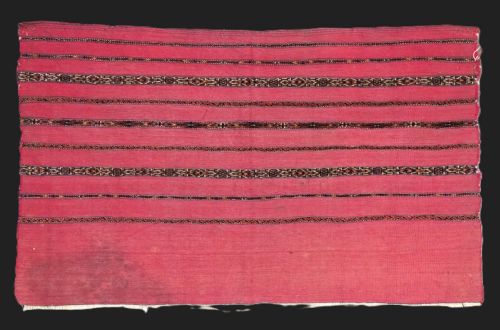
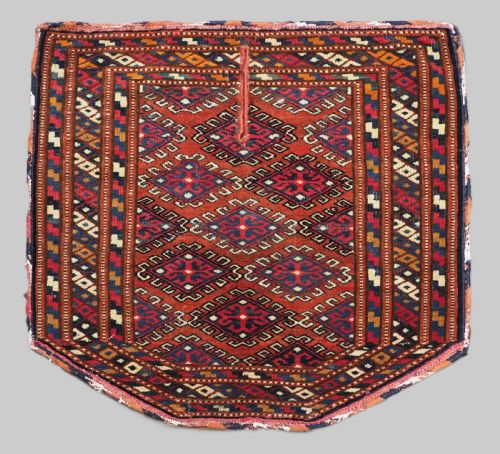
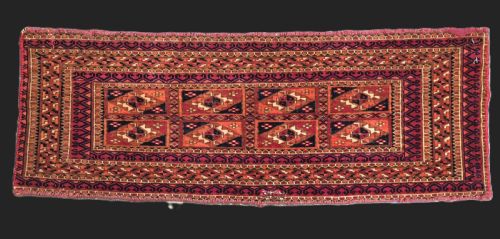
When searching for an antique carpet panel, buyers encounter woven fragments, bag faces, and tent trappings created by nomadic and tribal groups across Central Asia and Persia during the nineteenth and early twentieth centuries. These textile sections typically originate from larger utility bags such as chuvals and torbas, or specific structural elements like asmalyks and mafrash panels.
These woven pieces function effectively as wall art or small decorative floor coverings, offering intense chromatic depth and precise tribal iconography in a manageable format. Collectors value them for their authentic tribal designs and the survival of traditional knotting techniques.
How they were made
Weavers constructed these textiles primarily using wool foundations and pile, frequently incorporating cotton and silk highlights for contrast and structural definition. Natural dyestuffs provided the characteristic deep reds, madder tones, and ivory highlights that define the palette of these nineteenth-century pieces.
Nomadic workshops employed specific looping and knotting methods suited to portable vertical looms, resulting in dense, durable structures capable of withstanding daily tent use. Flatweave techniques, soumac work, and pile weaving appeared singly or in combination across individual panels and bag faces.
Antique Carpet Panel Retail Price Guide 2026
Typical asking prices for carpet panel among the pieces listed under this phrase on Sellingantiques today, from the lower quarter to the upper quarter. They describe what is for sale here now, not the wider market.
Listings feature nineteenth-century and early twentieth-century tribal weavings from Turkmen, Uzbek, and Shahsavan makers, utilising wool, cotton, silk, and natural dyes.
What varies in quality
Quality in these textiles depends heavily on the density of the weave, the clarity of the drawing, and the saturation of the natural dyes. Finer knots per square inch allow intricate tribal guls to appear sharp and well-defined.
The handling of secondary materials also separates standard examples from exceptional ones. The strategic inclusion of white cotton or crimson silk accents elevates the visual rhythm of the primary wool field.
The Antique Carpet Panel Glossary
- Gul
- A primary medallion or repeating octagonal motif used extensively in Turkmen and Central Asian carpet design. These motifs often identify the specific tribe or clan that produced the textile.
- Chuval
- A large storage bag face produced by nomadic tribes for household storage within a yurt. They display carefully composed rows of guls.
- Torba
- A smaller storage bag face, similar in construction to a chuval but narrower in format. These were hung inside tents to hold personal belongings.
- Mafrash
- A rectangular storage bag or panel associated with nomadic bedding and household goods. They often feature banded flatweave or pile designs.
- Soumac
- A non-pile flatweave technique involving wrapped supplementary weft threads that produce a durable, textured surface. This method creates raised patterns across tribal bags and panels.
Antique Carpet Panel: Frequently Asked Questions
What is an antique carpet panel?
An antique carpet panel is a section of a larger nomadic textile, such as a tent bag face or storage sack, woven by tribal groups in Central Asia and Persia during the nineteenth or early twentieth centuries.
These pieces showcase traditional tribal iconography, including geometric guls and natural dyes, preserved in a format suitable for modern display.
How were these panels used originally?
Nomadic tribes utilised these woven pieces primarily as functional storage containers, tent decorations, and transport bags inside traditional dwellings.
Items like chuvals and torbas held bedding, clothing, and household goods within portable yurts, combining practical utility with clan identity.
How do I hang a carpet panel on the wall?
Hanging a textile safely involves using a professional mounting method that distributes the weight evenly across the entire top edge without puncturing the fabric.
Many collectors utilise conservation-grade Velcro stitching or a fabric sleeve attached to a concealed wooden batten to support the piece securely.
How do I tell different tribal designs apart?
Distinguishing tribal origins relies on observing the specific repeating guls, colour palettes, and structural weaving techniques unique to each group.
For instance, Tekke pieces frequently display precise octagonal guls in deep madder tones, whereas Yomut and Ersari weavers utilised distinct alternative border motifs and secondary ornaments.