



Antique Carpet 1920s
When searching for an antique carpet 1920s, collectors encounter knotted village rugs, nomadic tribal weaves, and early twentieth-century workshop carpets produced across Asia and the Middle East.
Antique Carpet 1920s
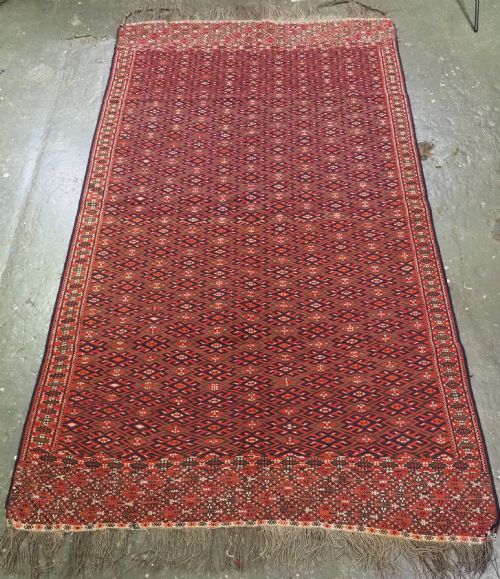
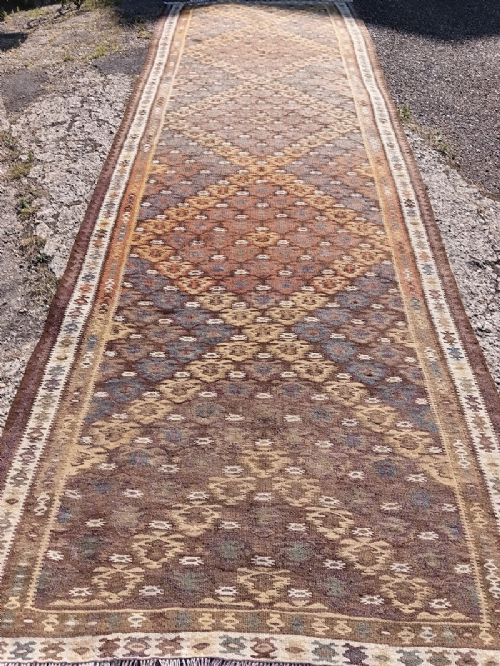
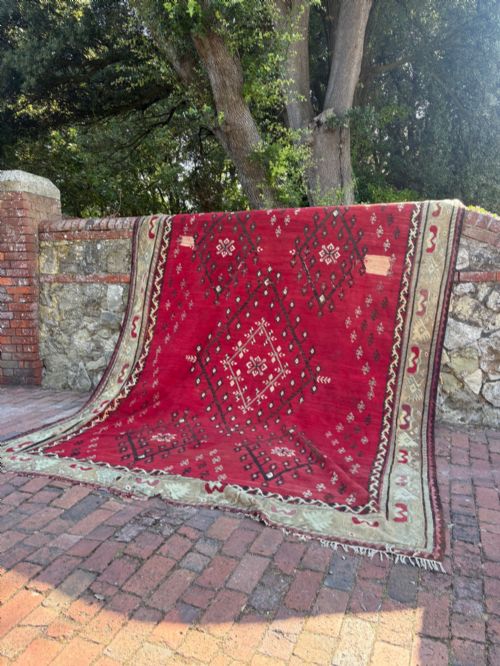
An antique carpet 1920s covers a broad spectrum of woven floor coverings originating from distinct tribal traditions, village workshops, and urban looms during the early decades of the twentieth century. These textile pieces include large format carpets, runner rugs, prayer rugs with characteristic mihrab designs, and flatwoven kilims.
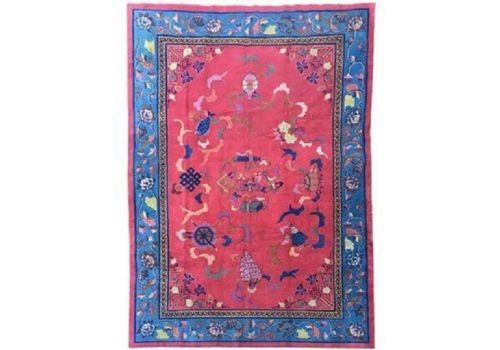
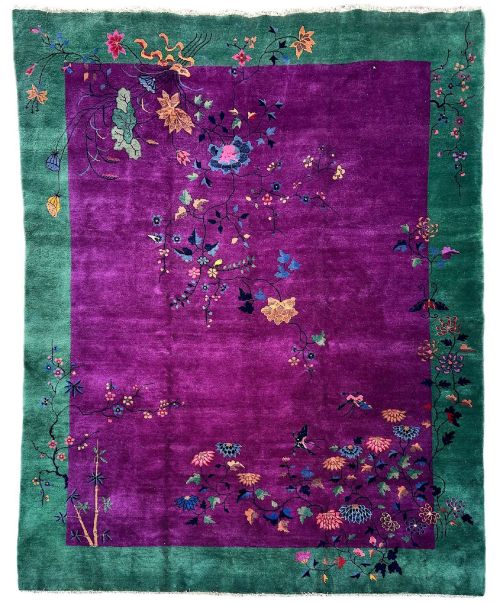
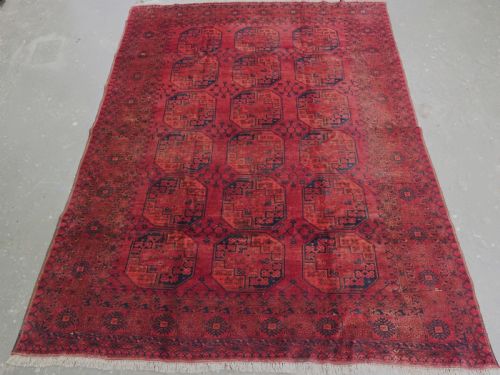
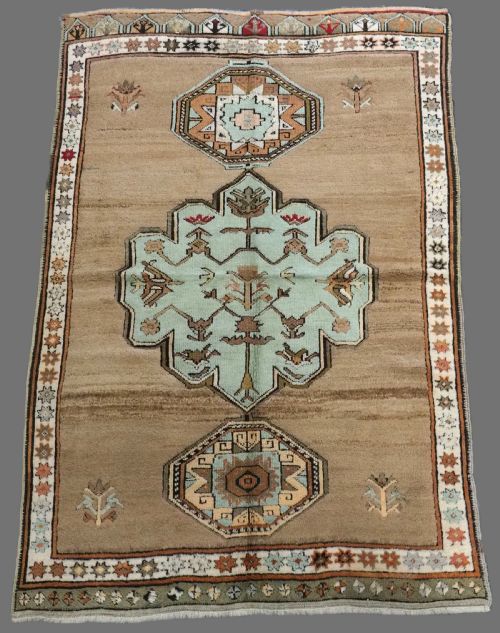
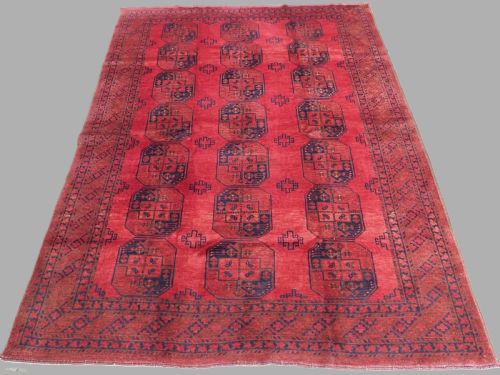
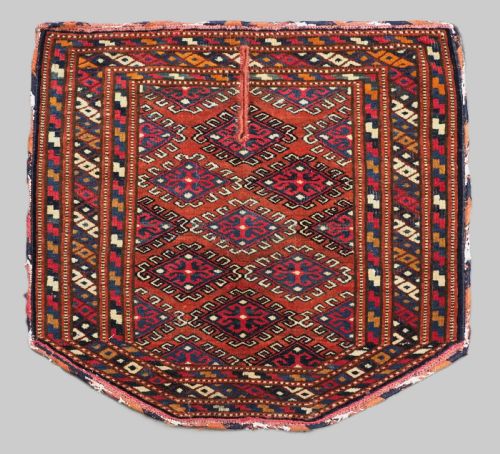
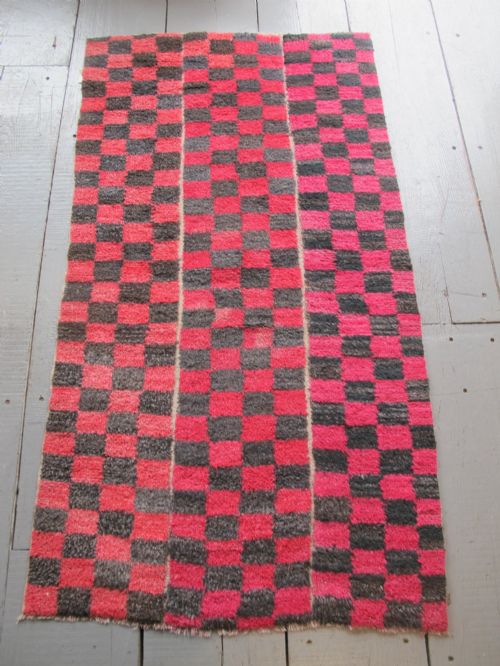
The selections encountered on this page reflect diverse regional aesthetics, spanning Afghan Ersari and Baluch tribal output, Persian Kashan and Tabriz workshop pieces, Anatolian flatweaves, and Chinese Art Deco designs. Buyers frequently discover traditional village formats alongside specific utilitarian items such as saddle covers and tent bands.
Originating predominantly from the 1910 and 1920 periods, these floor coverings combine functional durability with traditional iconography such as gul motifs, star medallions, and floral vase arrangements.
Materials and construction
Construction relies heavily on hand-knotted wool and cotton foundations, utilising durable pile techniques alongside flatweave methods seen in kilims and tent bands. Specialised materials such as camel wool, lambswool, Tibetan wool, and silk appear in specific regional productions.
Dye methods combine traditional natural dyes with early synthetic inputs, yielding varied palettes from warm reds and soft pastels to ivory grounds and camel-coloured fields.
Antique Carpet 1920s Retail Price Guide 2026
Typical asking prices for carpet 1920s among the pieces listed under this phrase on Sellingantiques today, from the lower quarter to the upper quarter. They describe what is for sale here now, not the wider market.
Woven camel wool offers a wonderfully resilient texture that has comforted generations of nomadic feet.
Assessing quality
Quality varies according to the density of the knotting, the precision of the traditional design execution, and the stability of the foundation materials. Pieces exhibiting fine wool preparation and well-preserved natural colour palettes stand apart from coarser utilitarian output.
The integrity of the edges, the crispness of motifs such as mihrabs and medallions, and the overall balance of wear determine the standing of an individual textile within its regional type.
Benlian Tabriz
The Antique Carpet 1920s Glossary
- Mihrab
- The prayer niche design found on rugs, often featuring pointed arches or multiple arched bays known as seh mihrab. This architectural motif directs the placement of the worshipper.
- Kilim
- A flatwoven textile produced without a pile by tightly interweaving warp and weft threads. These pieces function as lightweight rugs or wall hangings.
- Gul
- A medallion or octagonal motif repeated across Turkmen and Afghan tribal carpets. Each pattern often signifies a specific clan or tribal lineage.
- Medallion
- A central ornamental design element placed in the field of a rug, ranging from star shapes to multi-lobed geometric configurations.
Antique Carpet 1920s: Frequently Asked Questions
How do I identify a prayer rug?
Prayer rugs feature a distinct arch or mihrab design at one end, which represents the niche in a mosque wall. They were traditionally used for daily Islamic prayers.
These pieces often include symbols like lamps, lotus leaves, or multiple arches to guide the user during devotion.
Where were these carpets made?
The pieces originate from various weaving centres and nomadic groups across regions such as Afghanistan, Persia, Anatolia, the Caucasus, and China. Each area developed distinct structural and decorative traits.
Nomadic weavers utilised local wool and tribal symbols, while urban workshops produced refined floral patterns.
How should I care for an old wool rug?
Regular gentle vacuuming without a beater bar removes embedded dirt from the wool pile. Professional cleaning should be undertaken periodically to preserve the natural fibres.
Keeping the textile out of direct sunlight prevents the natural and early synthetic dyes from fading over time.
What is a flatweave rug?
Flatweave rugs, including kilims and tent bands, are constructed without a pile by interweaving warp and weft threads together. This technique creates a lightweight, reversible textile.
They were typically used by nomadic communities for floor coverings, partitions, and pack-saddles due to their portability.