





Antique Carnival Art
These pieces of antique carnival art bring bold polychrome paint and carved wood straight from the fairground and carousel into the home.
Antique Carnival Art
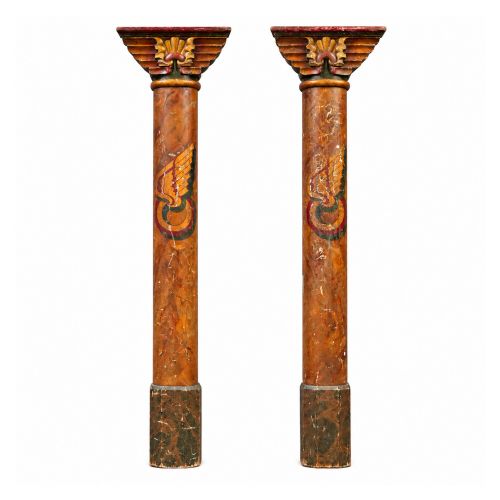
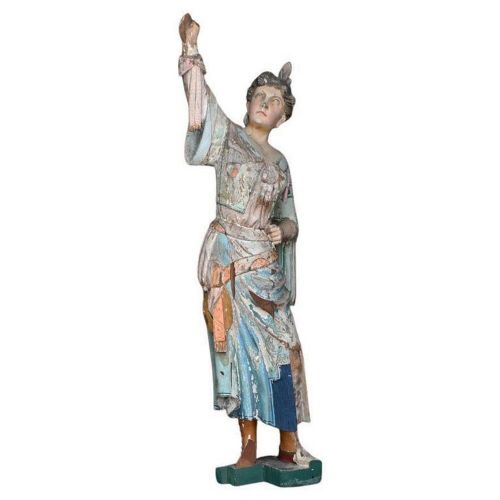
When you search for antique carnival art, you encounter striking objects born from public entertainment, amusement parks and travelling fairs. The pieces on this page span the nineteenth century, nineteen-ten and nineteen-twenty, encompassing architectural columns, carved figures, ride panels, targets and wall art.
You are most likely to meet carved wood panels, carousel figures and painted boards in this selection, often rendered in folk art or fairground styles. These items carry the visual energy of historic rides and games, preserved through decades of use.
The category also stretches to include related decorative objects like iridescent glass bowls and oil on canvas paintings, reflecting the diverse material culture associated with early twentieth-century display and entertainment.
Materials and methods
Makers shaped these items primarily from timber and carved wood, applying thick layers of polychrome paint and plain paint to withstand the outdoor elements of fairgrounds. Surfaces often display layers of historic overpainting accrued during their working lives on rides and boards.
Antique Carnival Art Retail Price Guide 2026
Typical asking prices for carnival art among the pieces listed under this phrase on Sellingantiques today, from the lower quarter to the upper quarter. They describe what is for sale here now, not the wider market.
Listings feature wood as the primary material, alongside paint, glass and wrought iron across nineteenth and early twentieth-century dates.
Judging quality in carnival pieces
Quality rests in the vigour of the original carving and the integrity of the surviving paint surface. Pieces that retain their uninhibited polychrome pigment without excessive modern restoration hold greater visual strength.
The depth of detail in sculpted figures and panels separates standard production from exceptional artistry. Maker attribution, such as work associated with Limonaire or Gavioli, elevates the standing of a carousel figure or organ component within the field.
Loetz·Richard Geiger·Limonaire·Gavioli
The Antique Carnival Art Glossary
- Polychrome paint
- Decoration executed in multiple colours, frequently seen on carved fairground figures and panels. This layered pigmentation defines the vibrant aesthetic of amusement pieces.
- Carousel figure
- A carved wooden animal or character created to ride on a merry-go-round. These sculptures display dynamic poses intended to catch the eye of fairgoers.
- Fairground art
- Decorative carving and painting produced for amusement rides, games and shows. It bridges popular entertainment and vernacular folk traditions.
- Architectural salvage
- Building elements rescued from structures or rides for reuse. Columns and panels fall into this category.
- Iridescent glass
- Glass treated with metallic salts to produce a shimmering, rainbow-like surface sheen. This technique appears on decorative bowls from the period.
Antique Carnival Art: Frequently Asked Questions
What is antique carnival art?
Antique carnival art comprises decorative items, carved figures, panels and architectural elements originating from fairgrounds, carousels and amusement rides.
These pieces reflect vernacular folk art traditions and the energetic visual culture of nineteenth and early twentieth-century entertainment.
How were fairground panels used?
Fairground panels and boards decorated the sides of rides, booths and attractions to draw crowds with bright colours and dynamic imagery.
They served a functional commercial purpose in travelling fairs before finding a second life as decorative wall art.
How do I display a carousel figure?
Carousel figures and carved wooden fragments work well as standalone sculptural objects placed on sturdy bases or mounted securely to walls.
Their substantial presence allows them to anchor a room as a focal point of colour and texture.
How do I date carnival wood carvings?
Dating relies on stylistic clues like Victorian or Art Nouveau motifs, construction techniques, and the composition of underlying paint layers.
Comparing the carving style to documented fairground makers helps narrow the period of origin.