




Antique Caricature Portrait
These antique caricature portrait pieces capture historical personalities with satirical flair, offering buyers witty observations executed through spirited drawing and printmaking.
Antique Caricature Portrait
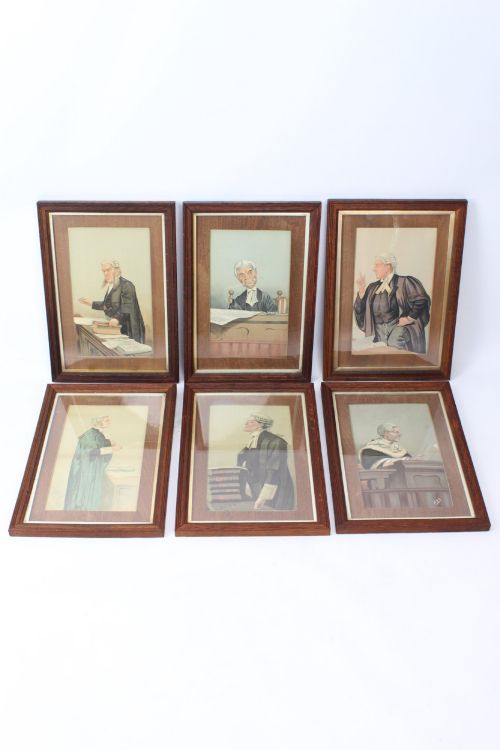
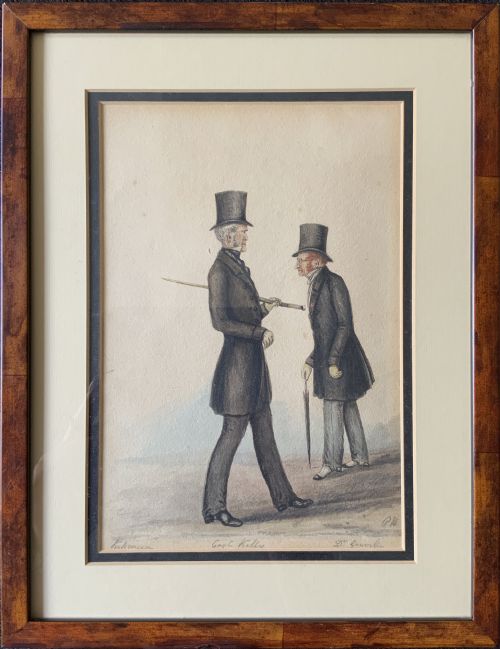
When you search for an antique caricature portrait, you encounter satirical framed prints, ink drawings, and watercolour paintings originating from the Georgian period through the mid-twentieth century. The selection leans heavily towards Victorian and Edwardian works, particularly published magazine prints and original military sketches.
The assortment spans formal political allegory and lighthearted social satire, capturing the changing fashions and public figures of successive eras. Most examples arrive mounted and glazed in period timber frames ready for display.
Materials and methods
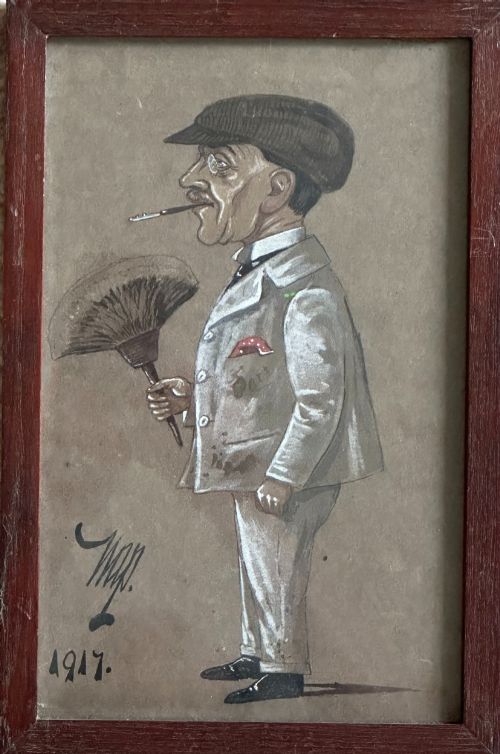
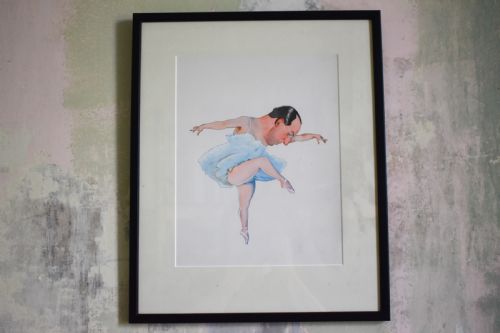
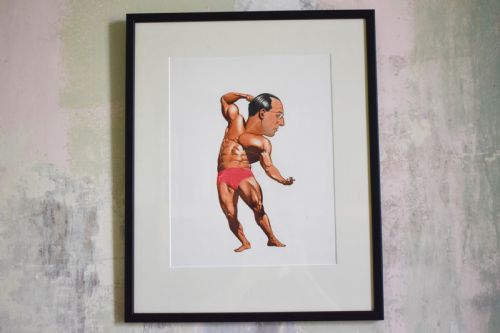
Artists and publishers employed paper, ink, watercolour, pastel, and gouache to create these satirical likenesses, often housing the resulting works behind glass within timber frames or giltwood surrounds. Original sketches utilise fluid ink lines combined with watercolour washes or heavy pastel and gouache pigments.
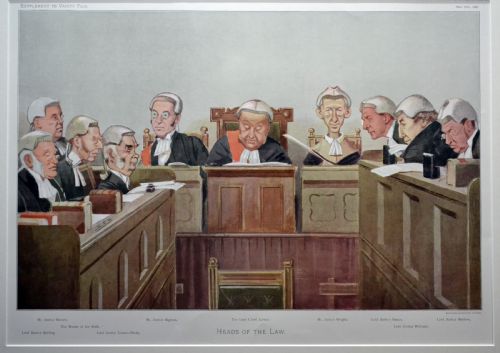
Printed examples rely on mass production techniques typical of nineteenth and early twentieth century periodicals, capturing hand-drawn linework through commercial printing plates. Watercolour and pastel drawings demonstrate direct hand application on heavy paper supports, preserving the immediate touch of the illustrator.
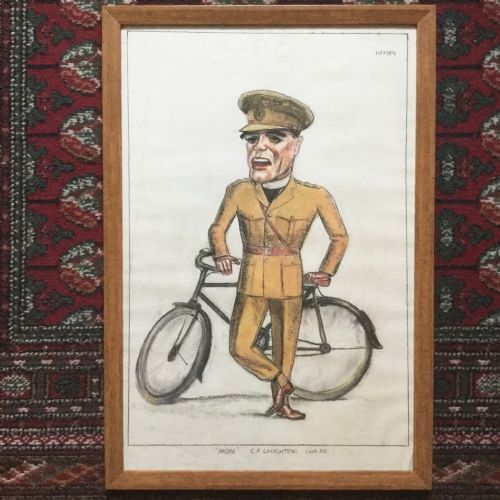
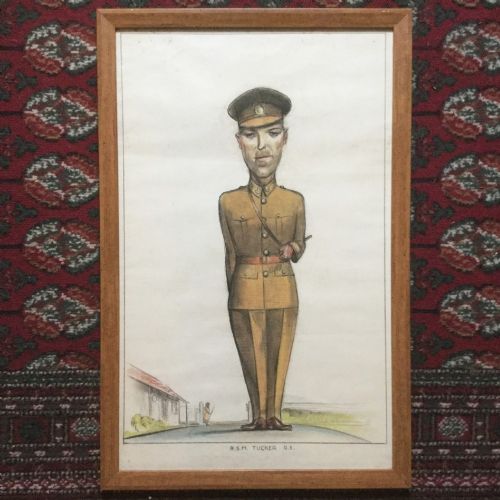
Listings span from late Georgian political prints to 1940s wartime pastel sketches of Royal Engineers.
What separates the best from the rest
The choice of medium and preservation state further distinguish exceptional pieces, with fresh pigments and clean paper surfaces commanding attention. Complete sets and original hand-painted watercolours hold greater distinction than common mass-produced prints.
John Leech·Spy
The Antique Caricature Portrait Glossary
- Caricature
- A rendered portrait exaggerating peculiarities or defects for humorous effect. This method forms the core of satirical illustration.
- Gouache
- An opaque watercolour medium yielding dense, matte colour fields. It appears frequently in wartime sketches and studies.
- Giltwood
- Timber frames treated with a thin layer of gold leaf. They provide decorative borders for finished artworks.
- Allegorical print
- An artwork conveying symbolic meaning beyond the literal subject. Georgian examples often utilise this style for political commentary.
- Spy print
- A satirical portrait associated with a notable Victorian and Edwardian periodical. These plates feature prominent public figures signed with a pseudonym.
Antique Caricature Portrait: Frequently Asked Questions
What subjects appear in antique caricature portraits?
The subjects range from military officers and political figures to actors and legal professionals. Many depict well-known personalities of the Victorian and Edwardian eras.
Creators captured public figures of the day, including soldiers, royalty, and society members, often highlighting their distinctive physical traits and uniforms.
How should I hang these framed portraits?
These framed drawings and prints suit studies, hallways, and living spaces where their narrative detail can be examined closely. Grouping sets together creates an effective display.
Keep them away from direct sunlight to protect delicate watercolours and tinted papers from fading over time.
Are these portraits original or printed reproductions?
The inventory includes both original hand-drawn watercolours and pastel sketches alongside period published prints from illustrated magazines. Each listing specifies the exact medium.
Original works show brushwork and pigment texture on paper, whilst printed items display the fine dot patterns or ink impressions typical of periodical production.
How do I identify the period of a portrait?
Period identification relies upon the sitter's costume, uniform styles, and the framing materials. Georgian and Victorian attire differ distinctly from Edwardian and wartime fashions.
Inscriptional details, publisher credits, and paper types also provide reliable clues to the exact decade of creation.