

Antique Card Dish
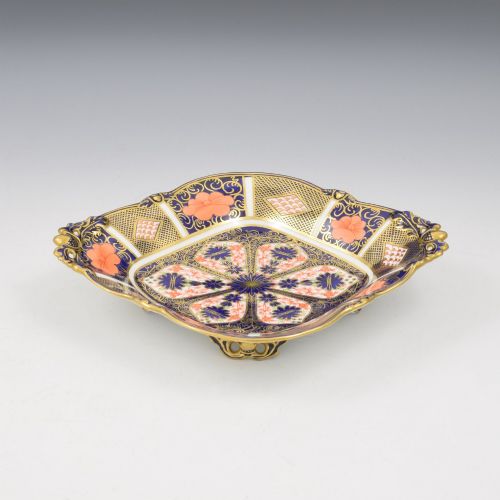
An antique card dish sits ready for the small courtesies of a hallway table, holding calling cards or loose coins.
Antique Card Dish
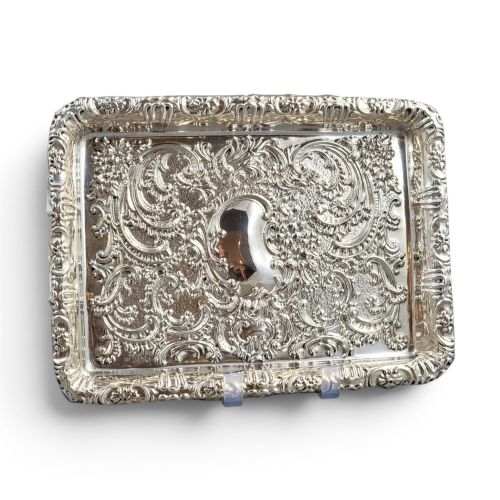
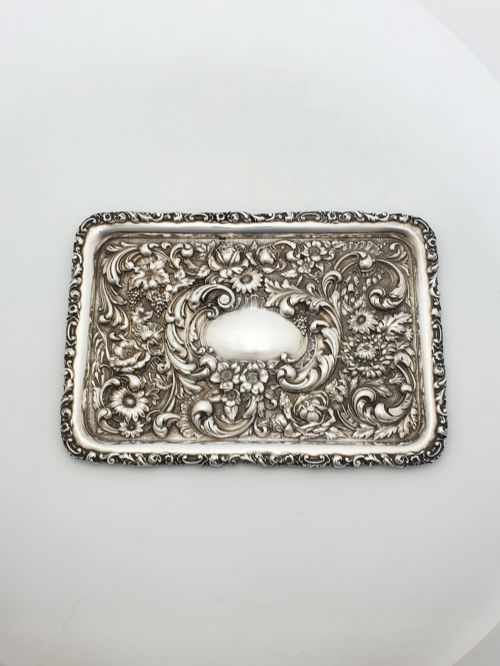
An antique card dish serves as a compact receptacle designed for visiting cards, small trinkets, or pocket contents, taking the form of a shallow tray, bowl, or tazza. These pieces emerge predominantly from the Victorian, Edwardian, and early twentieth-century periods, reflecting a time when domestic hospitality required specific vessels for social correspondence.
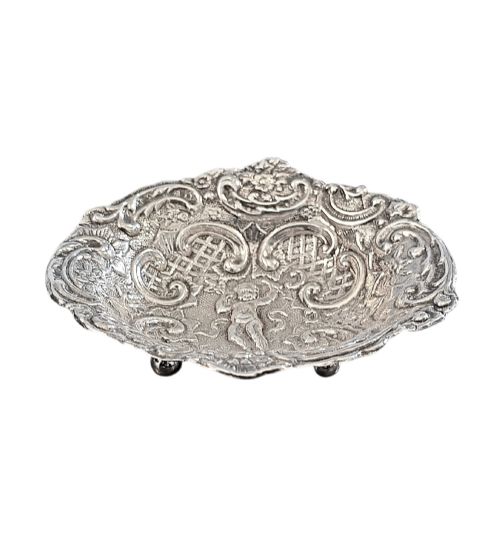
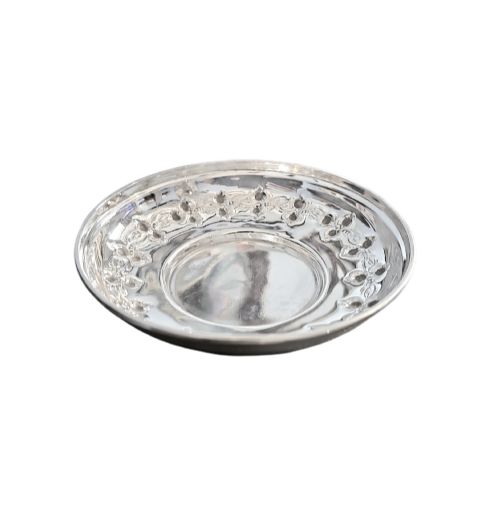
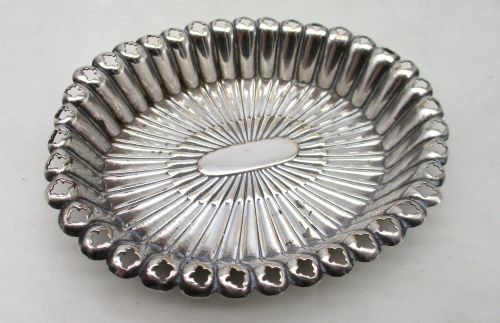
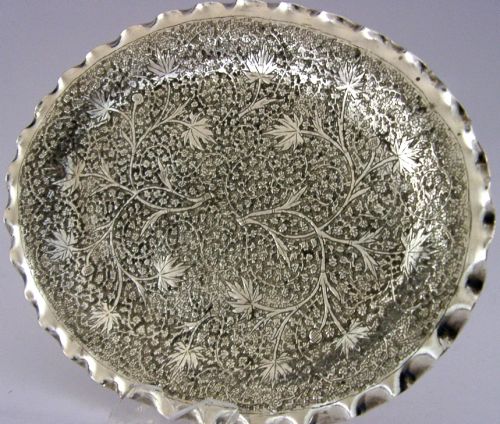
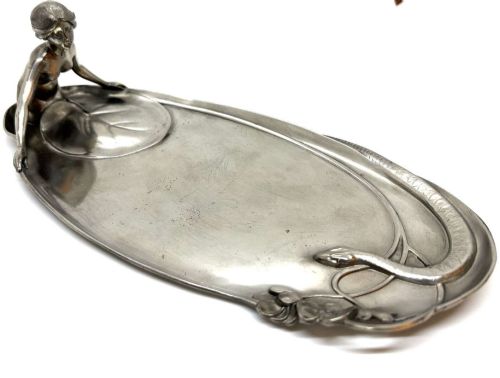
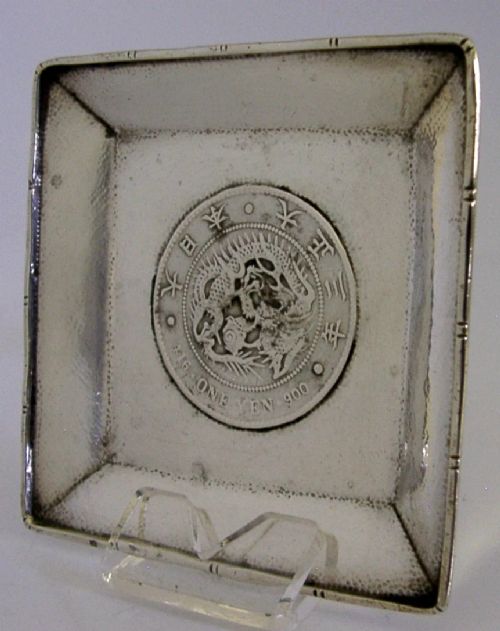
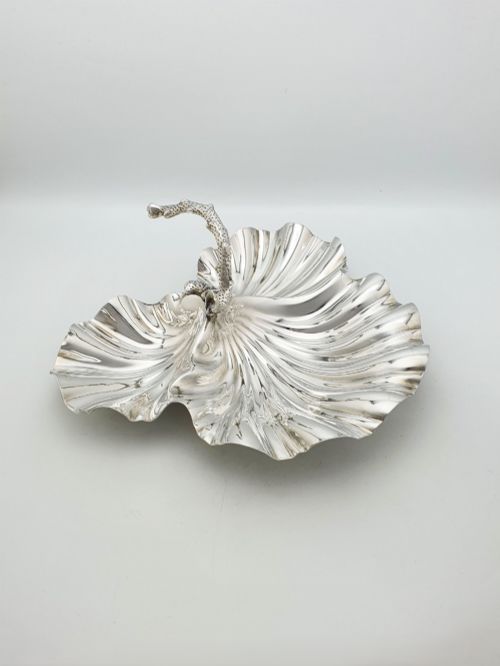
The versions most commonly met on this page span sterling silver, silver plate, pewter, and copper, often shaped as round, oval, or leaf-like vessels. Makers embraced diverse aesthetics, ranging from the flowing lines of Art Nouveau figural pieces to the intricate patterns of Chinese Export and Anglo-Indian silver.
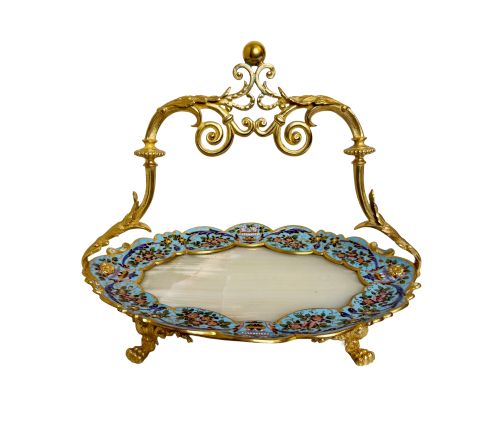
Beyond simple trays, the selection includes centrepieces, bonbon dishes, and pin trays that functioned interchangeably in period interiors. Their scale remains modest, intended for intimate display on hall tables or desks rather than formal dining service.
How they were made
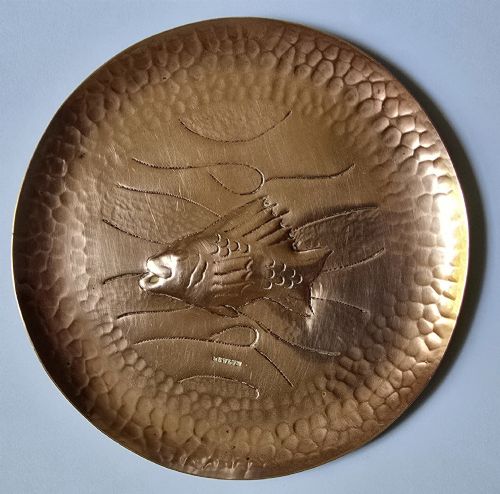
Silversmiths and metalworkers shaped these pieces through hammering, casting, and repoussé work, raising sterling silver, silver plate, and bronze into low bowls and flat trays. Workshops utilised base metals such as Britannia metal and pewter, often finishing them with patination, silver plating, or gilding.
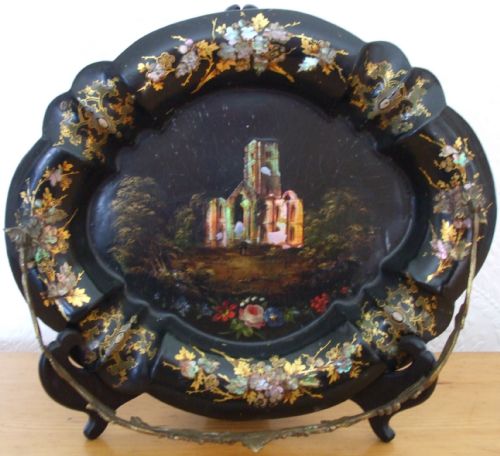
Decorative elements frequently involved applied cast figures, pierced borders, and champlevé enamel work set directly into bronze or ormolu mounts. Other examples incorporate organic materials like mother-of-pearl, onyx, and mahogany, demonstrating varied techniques across European, Asian, and British workshops.
Antique Card Dish Retail Price Guide 2026
Typical asking prices for card dish among the pieces listed under this phrase on Sellingantiques today, from the lower quarter to the upper quarter. They describe what is for sale here now, not the wider market.
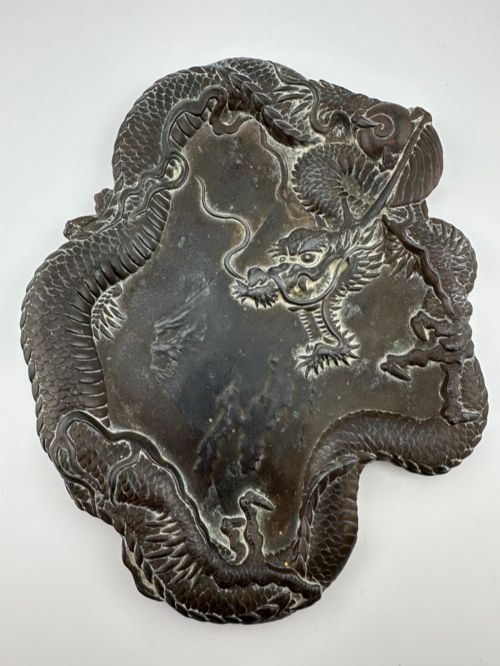
Several trays feature mischievous putti, dragons, and entwined serpents keeping a permanent watch over your loose change.
What varies in quality
Quality rests upon the crispness of the chasing and repoussé work, where deeply defined floral scrolls or clean figural casts distinguish finer examples from mass-produced wares. The weight of the metal and the integrity of the joins, particularly on pieces with cast handles or figural supports, separate standard production items from superior workshop output.
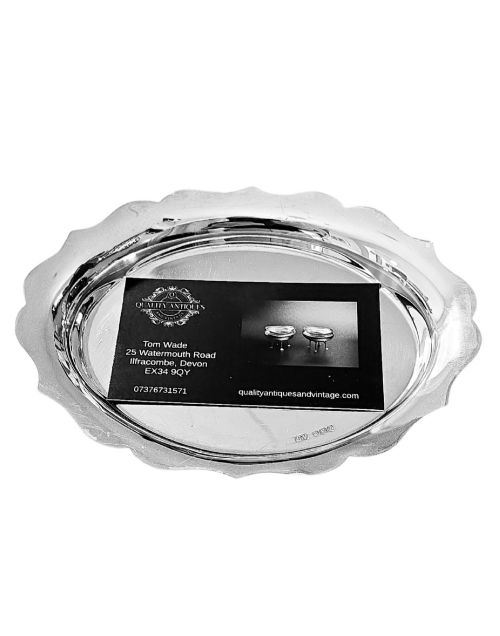
The sophistication of surface enrichment, such as multi-coloured champlevé enamel or detailed patination, dictates the upper tier of the range. Maker marks and clear hallmarks also anchor a piece's standing, providing verifiable origin against unmarked domestic metalwork.
William Aitken·Thomas Bradbury and Sons·Robert Pringle and Sons·William Padley
The Antique Card Dish Glossary
- Repoussé
- A metalworking technique where a design is hammered into relief from the reverse side. This method allowed artisans to create raised floral and scroll motifs on silver and copper trays.
- Champlevé enamel
- An enamelling process where troughs or cells are hollowed out of a metal surface and filled with vitreous enamel paste before firing. It frequently appears on bronze and ormolu frames.
- Tazza
- A small, stemmed ornamental cup or flat dish elevated on a foot. These vessels served both decorative display and practical holding purposes in period interiors.
- Britannia metal
- A tin-based alloy used as a base metal for silver plating during the nineteenth century. It provided an affordable alternative to solid silver for figural trays and vessels.
Antique Card Dish: Frequently Asked Questions
What was an antique card dish used for?
These dishes held visiting cards left by callers during the nineteenth and early twentieth centuries. Guests deposited their pasteboard cards upon entering a home as a formal record of their visit.
Over time, households repurposed these trays for desk accessories, loose coins, or small trinkets. Their placement on hall tables made them central to the rituals of domestic calling.
Are these dishes made of solid silver?
The materials vary significantly across the selection, encompassing sterling silver, silver plate, pewter, copper, and bronze. Hallmarks on the underside usually confirm solid precious metals.
Unmarked pieces frequently consist of Britannia metal, brass, or plated copper. Examining the edges and wear points often reveals the underlying base metal.
How can I tell an Edwardian tray from a Victorian one?
Victorian pieces often display heavier, ornate rococo revival motifs and dark patination. Edwardian examples tend to feature lighter, more refined garlands and softer floral repoussé work.
Maker marks and stamped date letters provide the definitive guide to the exact year of manufacture. Stylistic shifts reflect the transition from nineteenth-century solemnity to twentieth-century lightness.