





Antique Canine Print
An antique canine print captures the character and breed types of dogs through historical graphic works and paintings.
Antique Canine Print
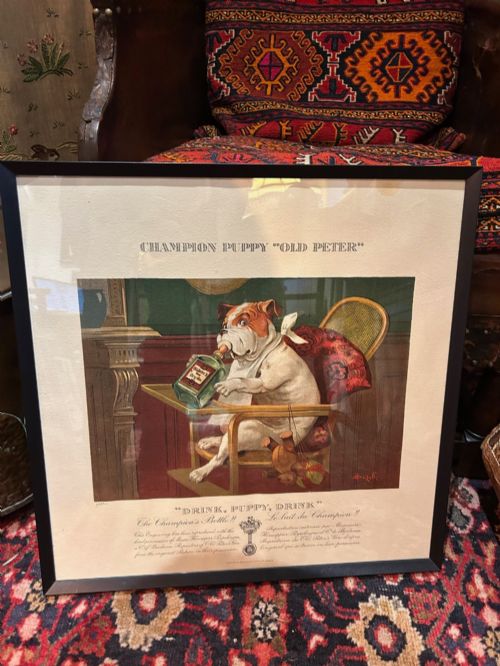
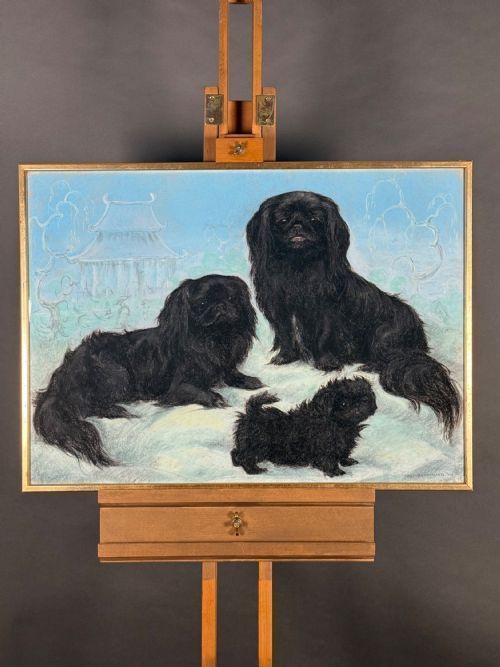
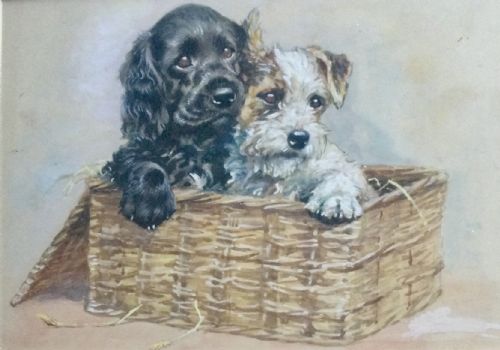
An antique canine print encompasses various depictions of dogs ranging from nineteenth-century engravings and early twentieth-century etchings to original watercolours and oil paintings. These pieces capture sporting hounds, terriers, bulldogs, and toy breeds recorded through the artistic conventions of their respective decades.
The selection on this page bridges multiple periods including Victorian engravings, Edwardian drypoint etchings, and mid-century watercolours. Buyers encounter framed prints alongside original works on paper, reflecting the enduring human interest in dog portraits across different social spheres.
Materials and Methods
The works utilise paper and ink for traditional engravings and drypoint etchings, often framed behind glass within wood or giltwood surrounds. Artists also employed watercolour, pastel, and oil on canvas to render individual animal portraits.
Printmakers such as etchers utilised metal plates to produce fine lines, whilst painters worked directly with pigments on canvas or heavy paper to capture the texture of dog coats.
Antique Canine Print Retail Price Guide 2026
Typical asking prices for canine print among the pieces listed under this phrase on Sellingantiques today, from the lower quarter to the upper quarter. They describe what is for sale here now, not the wider market.
Early twentieth-century etchers managed to capture the distinct stubborn tilt of a Scottish Terrier's head with astonishing precision.
Judging Quality and Execution
Quality rests upon the draughtsmanship of the artist and the clarity of the printed line or brushwork. Fine drypoint etchings display precise tonal gradations and expressive detail in the animal's expression, whereas weaker examples lack definition.
The preservation of the paper support, the presence of original framing materials such as period wood and glass, and the strength of the signature or publisher mark all contribute to the standing of an individual piece.
Herbert Dicksee·Marcellin Auzolle·Florence Mabel Hollams·Mabel Gear·Tom Carr
The Antique Canine Print Glossary
- Drypoint
- An intaglio printmaking technique where an image is scratched directly onto a metal plate with a hard steel point. This process creates a distinctive raised burr along the lines that holds ink for a velvety impression.
- Etching
- A method where lines are bitten into a metal plate with acid before ink is applied for printing. It allows for fine linear detail across historical prints.
- Engraving
- A process of cutting lines directly into a metal plate using a burin tool. This technique produces crisp, clean lines common in nineteenth-century book illustrations and separate plates.
- Pastel
- A dry medium composed of powdered pigment and a binder, applied to paper to build up soft colour fields. It requires framing behind glass to prevent smudging.
Antique Canine Print: Frequently Asked Questions
How do I date an old dog print?
Dating relies on stylistic clues, paper characteristics, and the framing methods associated with periods like the Victorian era or the early twentieth century. Signatures and publisher inscriptions also provide clear chronological anchors.
Comparing the printing technique, whether an early engraving or a later drypoint etching, helps narrow down the decade of production.
What is the difference between an etching and an engraving?
An engraving is cut directly into a metal plate with a sharp tool, producing clean and precise lines. An etching uses acid to bite the lines into the plate, which often results in a freer, more painterly quality.
Both methods were widely used for producing historical animal art before photographic reproduction became standard.
How should I frame and display these works?
Works on paper require conservation mounting with acid-free materials to prevent discolouration over time. Keeping them away from direct sunlight protects watercolours, pastels, and inks from fading.
Retaining or matching period wood and giltwood frames helps preserve the historical context of the piece.
Are these works original or reproductions?
The selection includes original hand-drawn or hand-painted pieces such as watercolours and oil paintings, alongside original period print runs like etchings and engravings pulled from the plates in the past. Examining the surface under magnification reveals the plate marks or medium texture confirming authenticity.
Modern mass reproductions lack the characteristic ink indentation and paper ageing found in genuine antique pieces.