

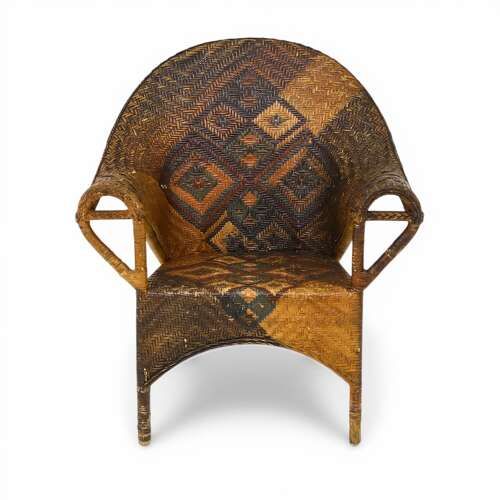


Antique Caned Lounge Seat
An antique caned lounge seat offers remarkable woven comfort, combining sturdy timber frames with resilient natural seating surfaces.
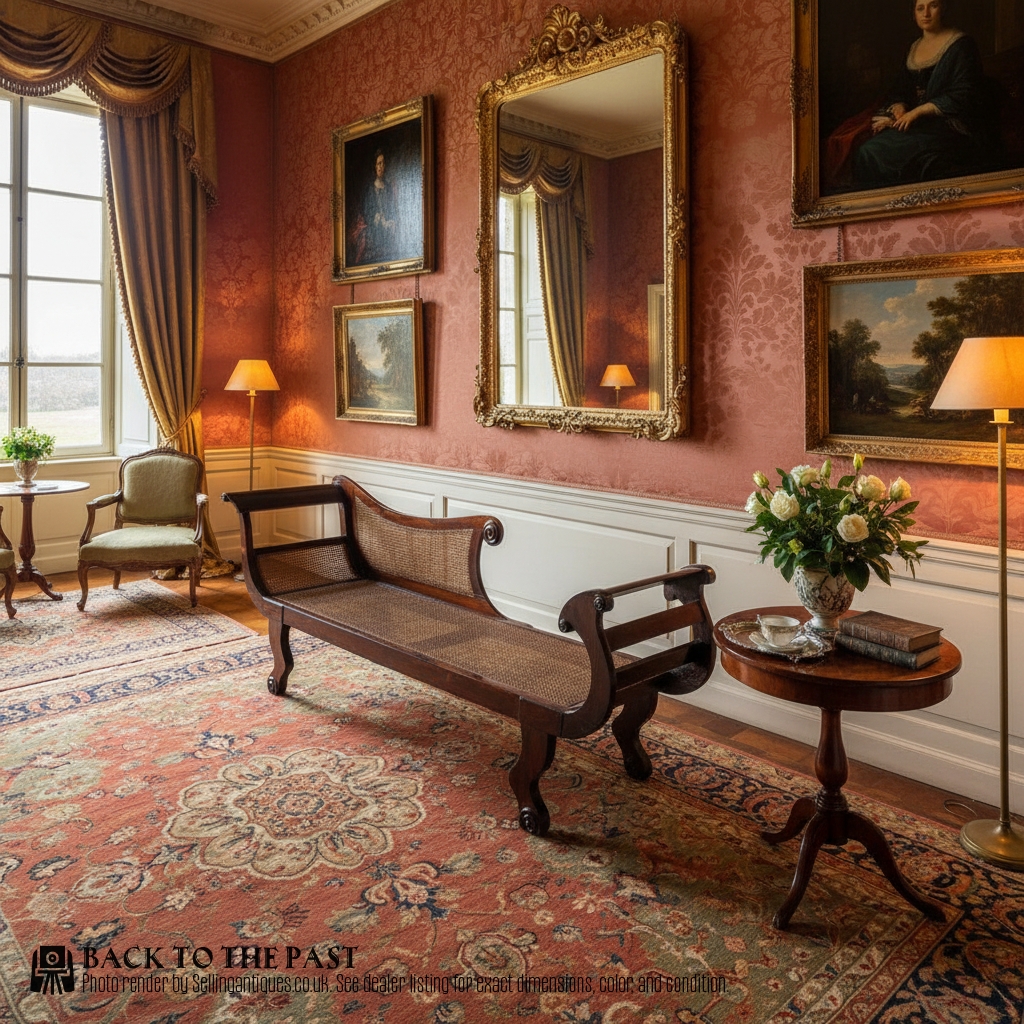
Antique Caned Lounge Seat
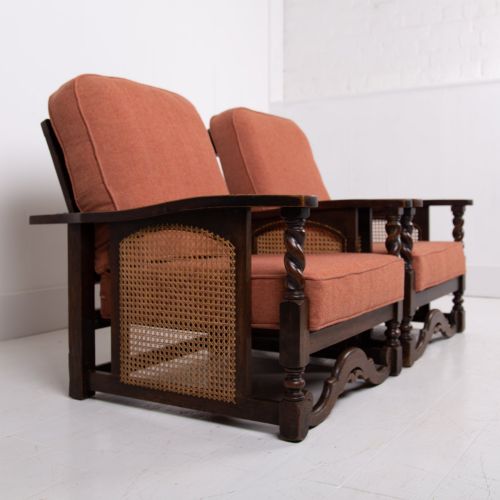
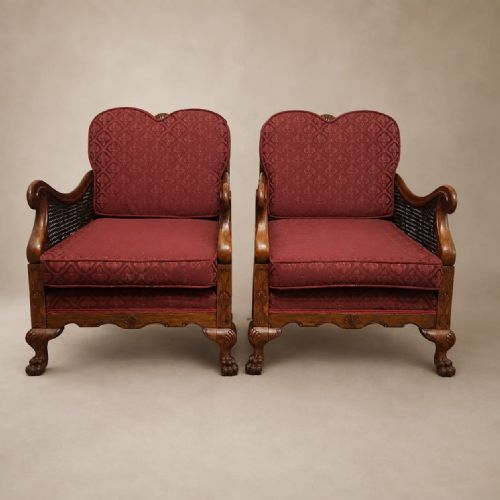
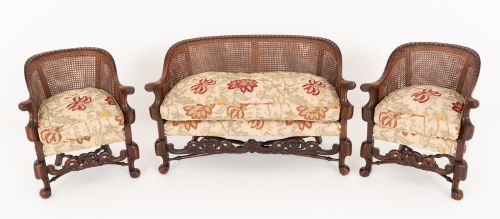
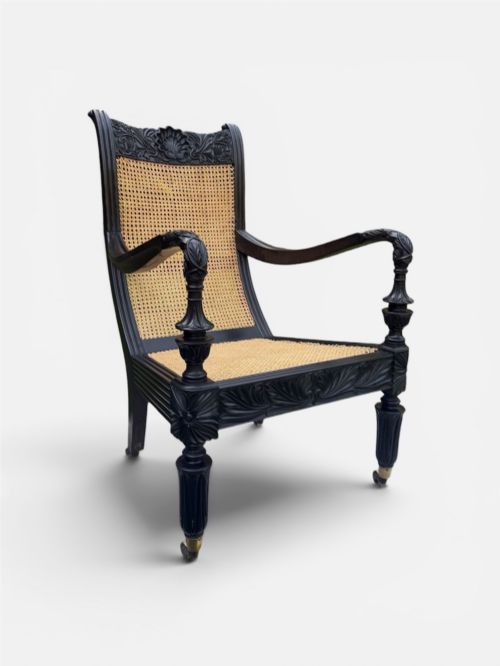
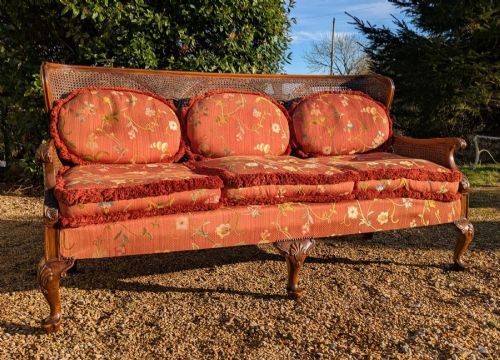
When you search for an antique caned lounge seat, you are looking at substantial relaxed seating framed in solid timbers like mahogany, walnut, oak, and ebony. These pieces range from upright armchairs and bergère suites to reclining plantation chairs, chaise longues, and window seats.
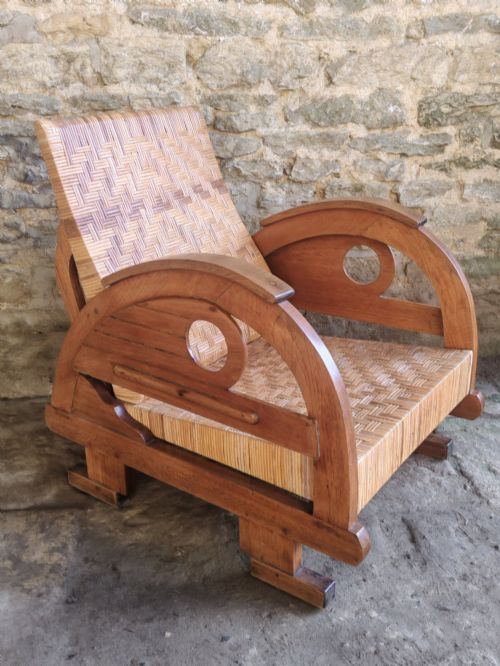
You are most likely to meet Edwardian and 1920s examples featuring woven cane or split cane panels alongside mahogany or oak frames. Styles stretch from Jacobean Revival and Carolean influences to Art Deco and Arts & Crafts designs.
The selection encompasses both English craftsmanship and colonial forms, incorporating loose feather cushions or newer squabs atop traditional woven bases. Each form provides a deep, restful sit intended for leisurely reading or repose.
Materials and construction
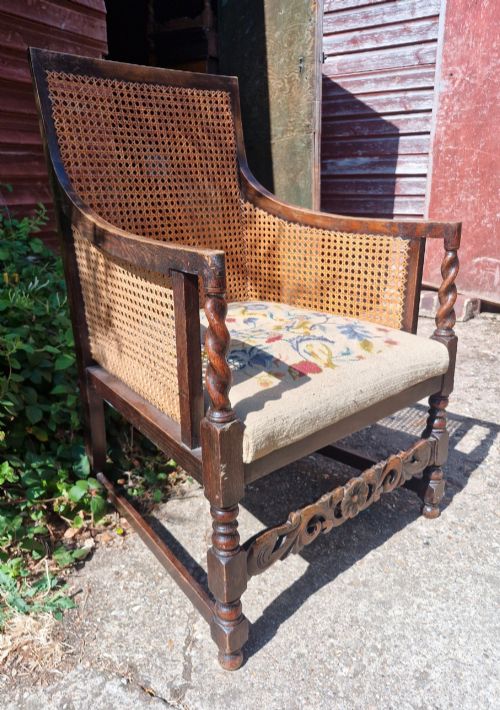
Makers constructed the supportive frames using durable hardwoods including mahogany, walnut, oak, and exotic Rio Rosewood, often shaping the timber into bobbin turnings or sweeping curved arms. Solid ebony and bentwood also appear in specific regional or Victorian forms.
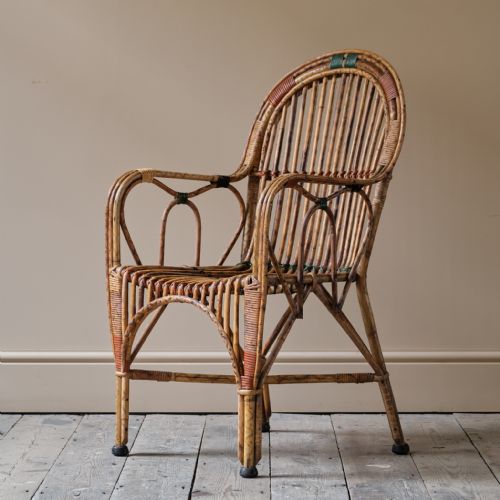
The characteristic seating panels rely on natural cane, woven cane, split cane, and rattan, threaded tightly through frame channels to create a flexible, resilient mesh. Artisans frequently paired these airy woven panels with plush upholstery fabrics like velvet or loose feather cushions.
One Edwardian bentwood rocking chair waits patiently to gently sway you through a rainy afternoon of solid reading.
Distinctions in quality
The calibre of an antique caned lounge seat rests primarily upon the tightness and regularity of the woven mesh and the structural integrity of the hardwood frame. Dense, evenly spaced cane panels demonstrate superior hand-weaving skill compared to loose or uneven strands.
Refined carving detail on walnut, mahogany, or oak framework elevates a piece, as seen in structured revival styles or branded workshop productions. Well-proportioned seating ergonomics and preserved timber patination mark the distinction between standard utilitarian items and finer commissions.
Dryad And Co
The Antique Caned Lounge Seat Glossary
- Bergère
- An enclosed upholstered armchair with wooden framing and cane-paneled sides and back. It typically includes a loose squab cushion for the seat.
- Cane
- Strips of peeled rattan palm woven into intricate patterns to form resilient seat and back panels. This material offers lightweight strength and breathability.
- Chaise Longue
- An elongated upholstered chair designed for reclining, featuring a backrest and an extended seat for supporting the legs. 19th-century examples often combine solid rosewood frames with woven seating.
- Plantation Chair
- A colonial reclining lounge seat featuring adjustable or extended arms designed for tropical relaxation. These pieces utilise sturdy timber and woven elements to maximise airflow.
- Bentwood
- Wood softened by steam and bent into curved structural forms, commonly utilised in rocking chairs. This technique allows for continuous, flowing frames without traditional joinery joints.
Antique Caned Lounge Seat: Frequently Asked Questions
How do I care for antique cane?
Keep natural cane supple by occasionally wiping it with a damp cloth to prevent the fibres from drying out and snapping.
Avoid placing these seats near direct heat sources or in overly dry rooms, as extreme environments cause the rattan material to become brittle.
Are these seats comfortable for daily use?
Many examples are designed with deep proportions and ergonomic reclines intended for extended periods of relaxation. The inclusion of feather cushions or upholstered squabs provides soft padding above the supportive woven cane base.
What is a bergère chair?
A bergère is a traditional French-style armchair featuring an enclosed wooden frame with cane sides and back panels. It combines rigid timber structure with the airy flexibility of woven natural materials.
How can I date an oak framed lounge seat?
Dating relies on observing stylistic markers such as Jacobean Revival turnings, Arts and Crafts simplicity, or Art Deco geometric lines. Timber patination, construction methods, and recorded production eras within the evidence further narrow the period.