


Antique Cane Daybed
An antique cane daybed offers an inviting place to rest, bringing historical character and natural texture into a room.
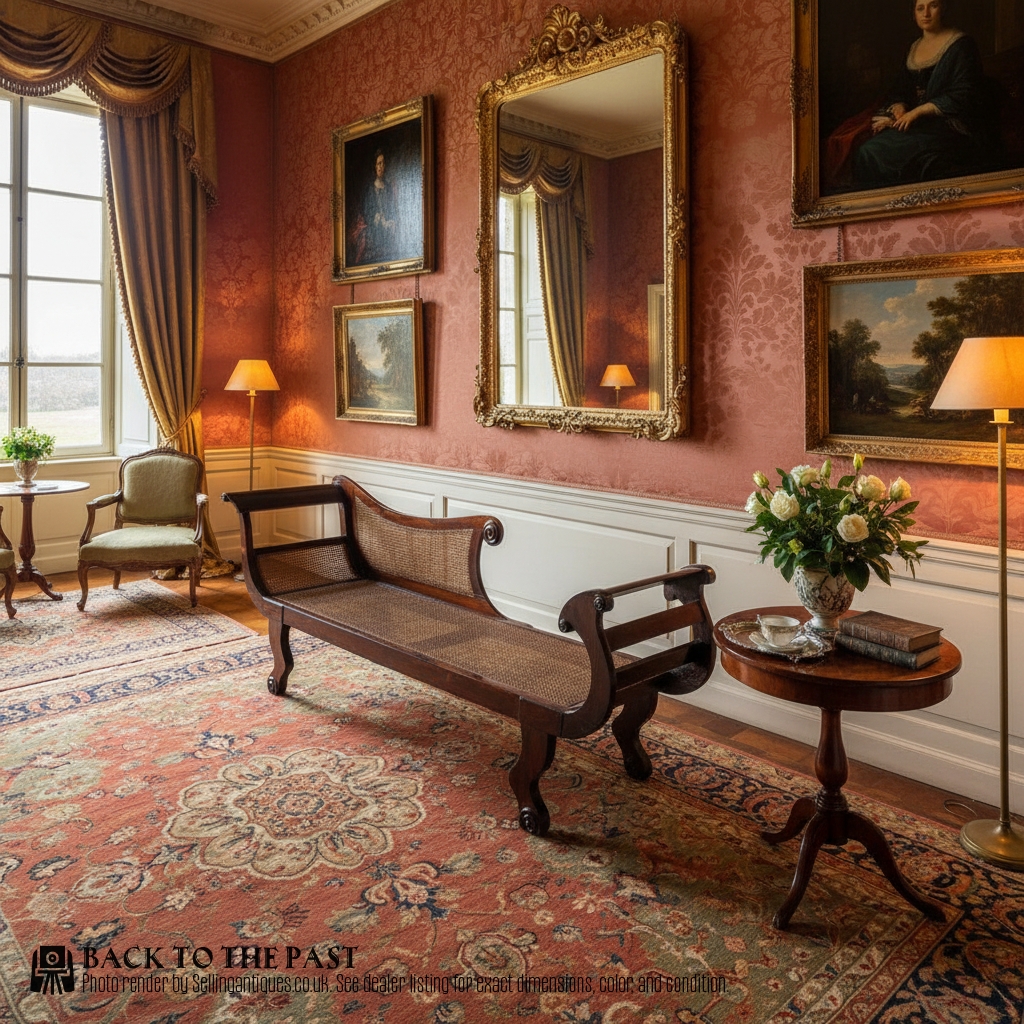
Antique Cane Daybed
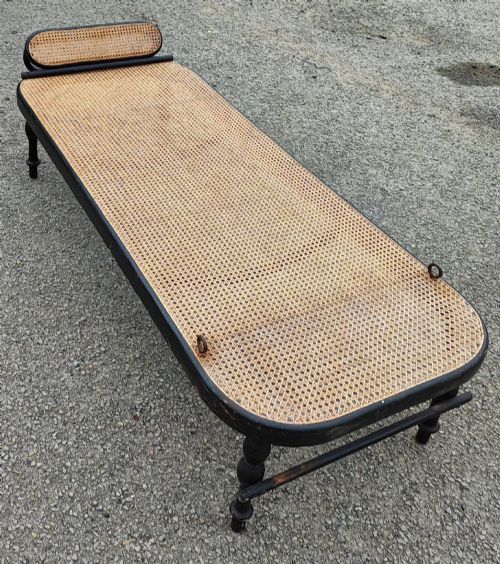
When you search for an antique cane daybed, you encounter seating furniture designed for reclining, stretching from the eighteenth century into the twentieth century. These pieces combine wood frames with woven cane, rattan, or wicker seating and backrests.
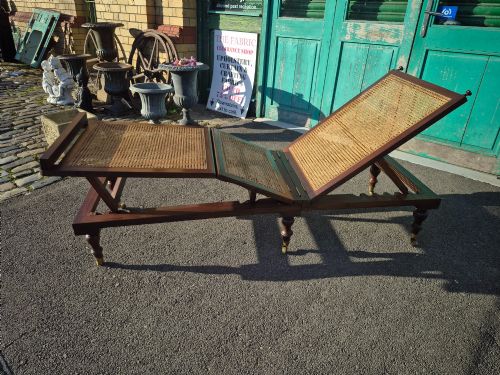
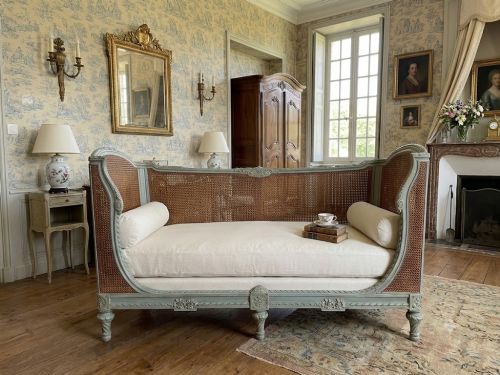
The versions most commonly met on this page span the nineteenth century, taking forms such as campaign day beds, French bergère sofas, and Anglo-Indian hardwood settees. Regional variations range from Swedish Gustavian settees to colonial campaign folding beds.
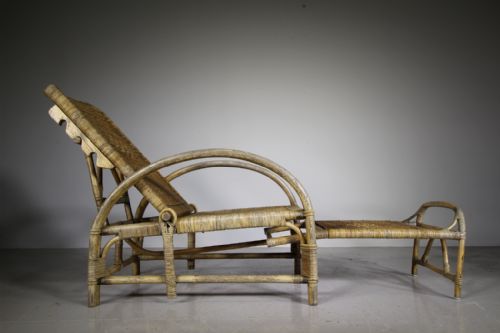
Makers utilised various timber frames including mahogany, walnut, beech, and rosewood, often paired with cane panels or upholstery like linen. The selection encompasses chaise longues, window seats, and reclining garden armchairs alongside traditional daybeds.
Markers of quality
Quality rests in the precision of the timber framing and the tightness of the cane weaving. Superior examples demonstrate crisp carving on walnut, mahogany, or rosewood structures.
The integrity of the woven panels separates standard items from finer works. Original surface treatments and untouched painted finishes contribute significantly to the standing of a piece.
Some folding campaign beds were built to dismantle entirely into compact wooden boxes for officers on the move.
Angraves of Leicester
The Antique Cane Daybed Glossary
- Cane
- Strips of rattan woven into intricate patterns to form resilient seats and backs. This material offers both flexibility and ventilation.
- Bergère
- An enclosed upholstered or caned armchair or sofa with wooden sides. French examples often display painted frames and curved backs.
- Campaign style
- Portable furniture designed for military officers on the move. These pieces frequently incorporate folding frames and brass mounts.
- Gustavian
- The Swedish interpretation of French neoclassical design. This style favours pale painted finishes and restrained classical ornamentation.
- Chaise longue
- An upholstered or caned chair for reclining with a seat long enough to support the legs. Eighteenth and nineteenth-century versions utilise various hardwoods.
Antique Cane Daybed: Frequently Asked Questions
What is an antique cane daybed?
An antique cane daybed is a long seating piece designed for reclining, combining a wooden frame with woven cane or rattan panels.
These versatile items function as sofas, settees, or lounging chairs, originating from periods spanning the eighteenth through the early twentieth centuries.
How do I care for cane seating?
Cane requires gentle maintenance to prevent the natural fibres from drying out and snapping.
Keep these pieces away from direct heat sources and occasionally wipe the woven panels with a slightly damp cloth to restore moisture.
Where were these daybeds used?
Daybeds and settees historically served in drawing rooms, bedrooms, and galleries for daytime resting.
Campaign versions travelled with officers, whilst Anglo-Indian and French designs furnished domestic interiors in warmer climates and European salons.
How do I distinguish regional styles?
Regional styles reveal themselves through timber choices and decorative motifs.
French pieces often show painted or gilded frames in Louis styles, whereas Anglo-Indian items utilise dense tropical hardwoods and carved scroll backs.