
Antique Cane Accent Chairs
These antique cane accent chairs combine woven support with wooden frames, offering seating that spans seventeenth-century styles through to twentieth-century revivals.
Antique Cane Accent Chairs
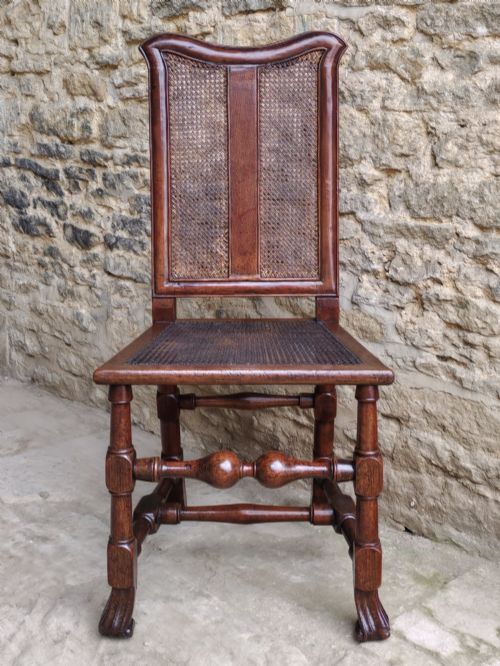
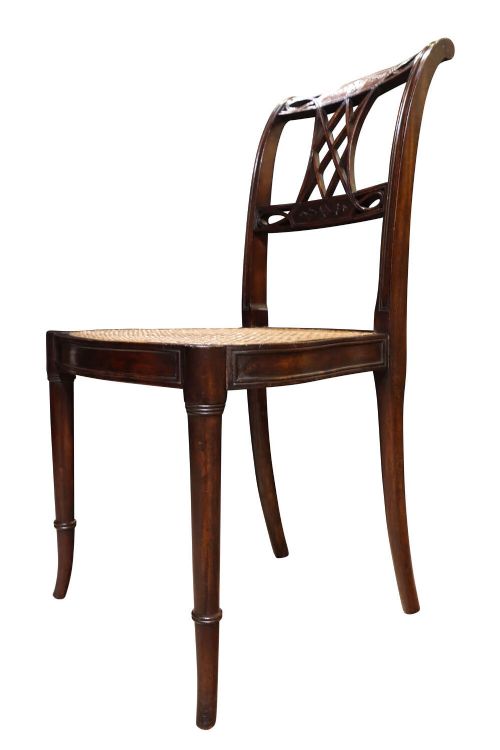
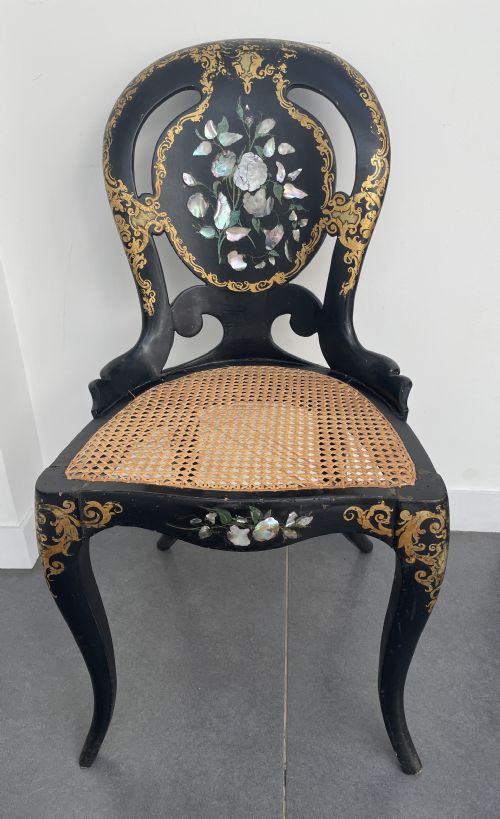
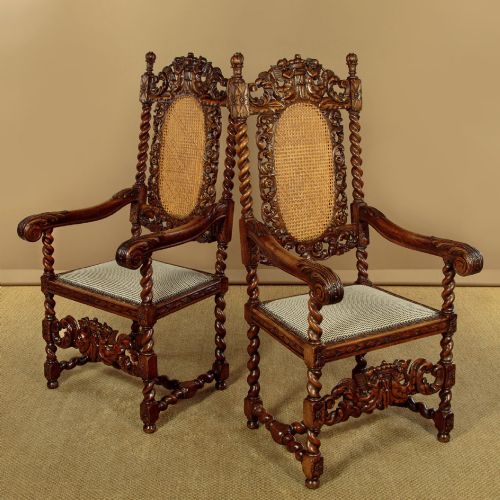
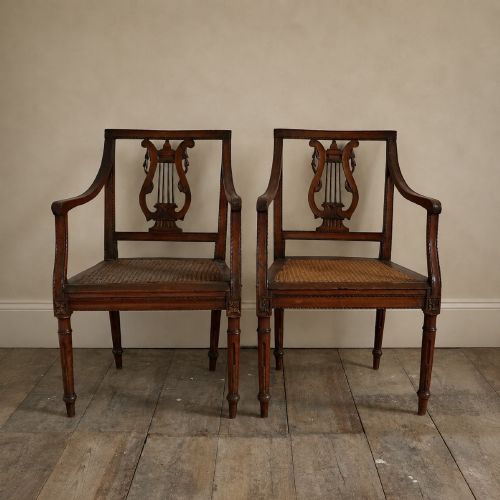
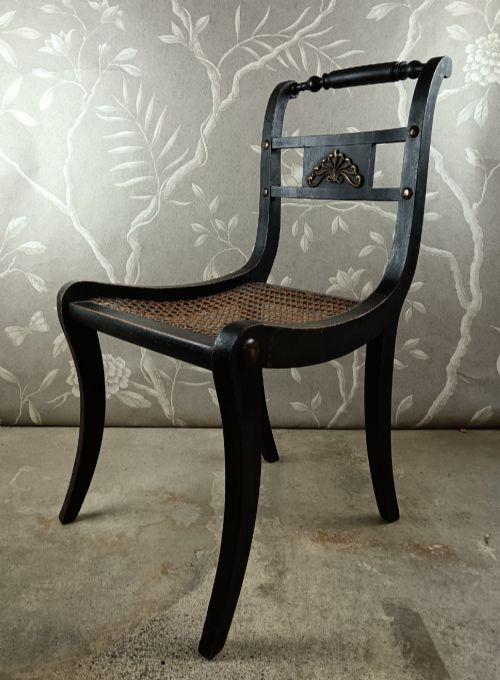
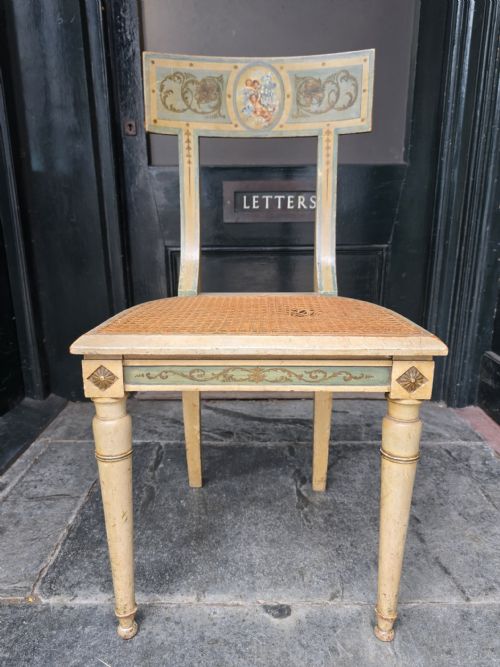
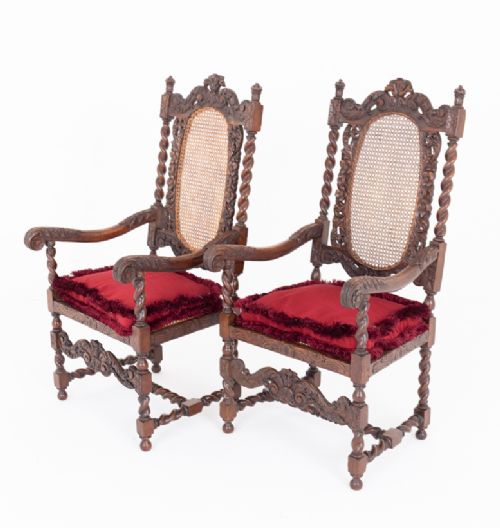
When you search for antique cane accent chairs, you encounter seating featuring woven cane panels set within wooden frames spanning the seventeenth century to the twentieth century. These pieces encompass forms ranging from straightforward side chairs and hall chairs to low chairs, bedroom chairs, and substantial library armchairs.
Materials and Construction Techniques
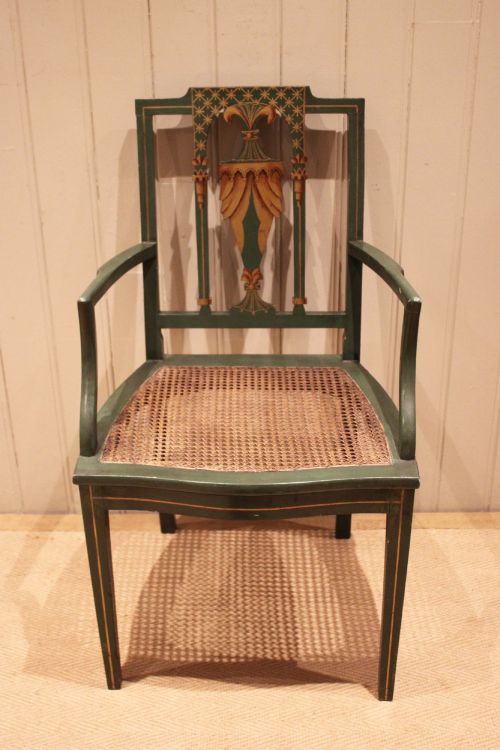
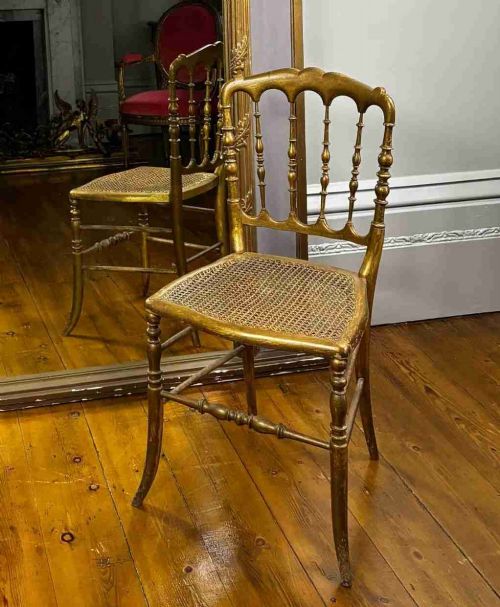
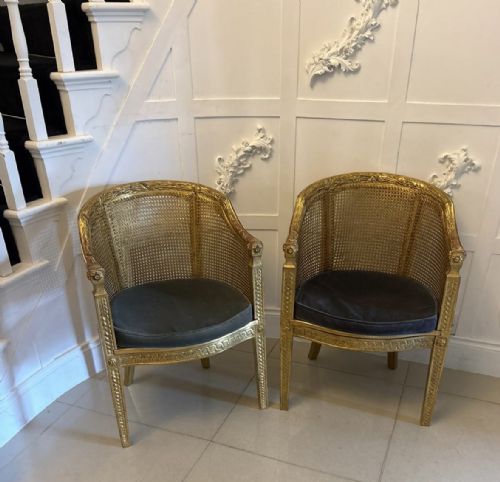
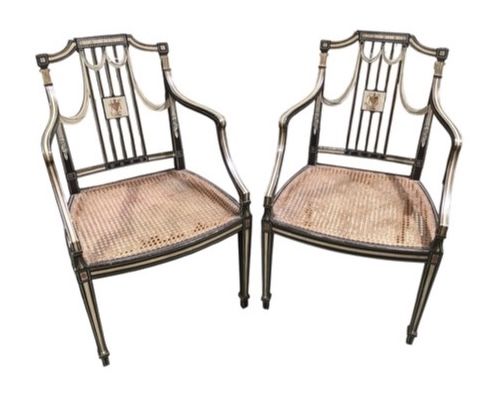
Makers utilised dense hardwoods including walnut, mahogany, oak, and satinwood to construct sturdy frames capable of supporting tensioned cane work. Gilding, paint, and parcel gilt finishes frequently decorate the external woodwork of French-influenced salon pieces and Regency designs.
The cane itself, alongside rattan, relies on precise handweaving techniques to create durable, flexible panels for seats and backs. Split cane and traditional hole-woven patterns distribute weight evenly while offering breathable comfort.
Listings feature woods such as walnut, mahogany, oak, and satinwood alongside painted finishes across periods spanning from the seventeenth century to the twentieth century.
Distinctions in Quality and Execution
Quality rests primarily on the crispness of hand-carved wood details, whether dealing with floral motifs on walnut frames or delicate gilding on salon chairs. Superior examples maintain tighter joinery and more refined proportions, distinguishing bespoke cabinetmaker work from standard production.
The execution of the cane work marks another division, with uniform, tightly handwoven panels representing superior craftsmanship over simpler machine-pressed replacements. The choice of primary timber, such as solid ebony or finely figured walnut, dictates the elevated tier of these pieces.
Dryad of Leicester·Waring & Gillow
The Antique Cane Accent Chairs Glossary
- Bergère
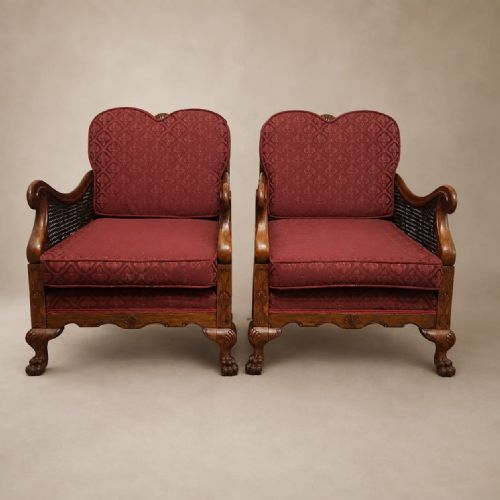
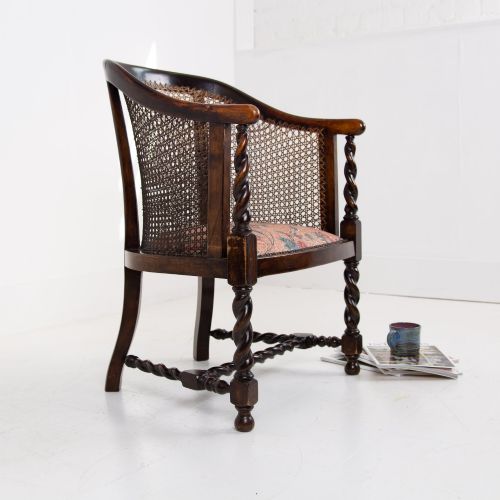
- An enclosed upholstered armchair with wooden framing, frequently incorporating cane panels to the sides and back. This French form dates back to the eighteenth century but appears across later revival periods.
- Cane
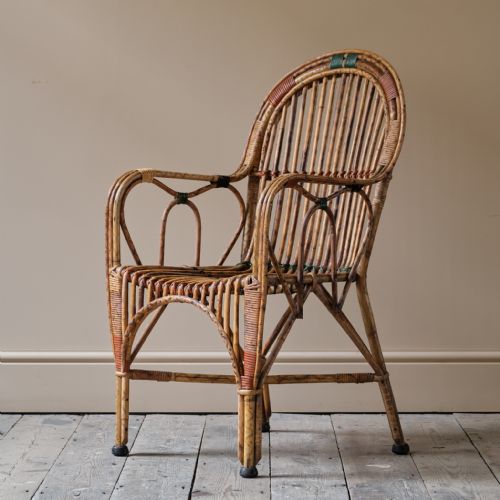
- Strips of material derived from the rattan palm, woven into open patterns for chair seats and backs. It provides a lightweight yet resilient surface.
- Klismos
- An ancient Greek chair design characterised by concave curved legs and a sweeping backrest, revived during the Regency period. These pieces often feature low profiles and caned seats.
- Parcel Gilt
- Wood finishing where specific carved details or mouldings receive a thin application of gold leaf while the remainder shows painted or polished wood. This technique highlights particular decorative elements.
- Shield-Back
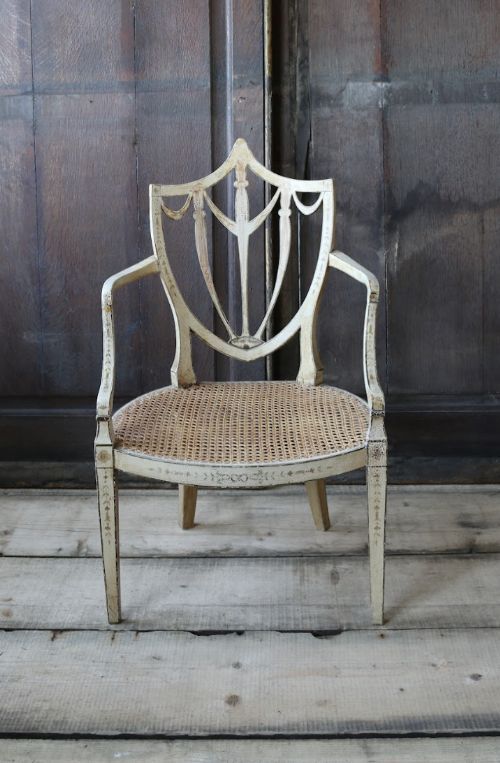
- A chair back shaped like a classical shield, popularised during the late eighteenth century by designers like Hepplewhite. The framework typically surrounds delicate splats or woven cane.
Antique Cane Accent Chairs: Frequently Asked Questions
How do I care for cane seats?
Keep cane panels clean by wiping them gently with a damp cloth to maintain moisture and prevent the natural material from becoming brittle. Avoid placing these chairs near direct heat sources or dry radiators.
Periodically applying a light coat of boiled linseed oil to the underside can help preserve the flexibility of older cane fibres over decades of use.
Are these chairs suitable for daily use?
Many of these sturdy hardwood chairs function well for everyday seating, provided users avoid placing excessive weight on unsupported woven areas. Lighter occasional and bedroom chairs suit sitting rooms and dressing areas best.
Armchairs and heavier dining models offer robust daily support, though original antique cane may benefit from gentle handling compared to modern synthetic webbing.
How do I identify a revival style?
Revival pieces replicate earlier historical aesthetics, such as William and Mary high-back chairs or Louis XV bergères, using manufacturing techniques common to the nineteenth or early twentieth centuries. Look closer at the timber ageing, tool marks, and hardware to distinguish them from authentic early periods.
Stylistic revivals often display cleaner internal construction methods or standardised secondary woods while faithfully mimicking the exterior ornamentation of the past.
Where were bergère chairs used?
Bergère armchairs originated as comfortable drawing room and parlour seating designed for relaxation rather than formal dining. Their enclosed sides and supportive caned backs made them popular additions to private libraries and bedrooms.
Pairs often flanked fireplaces or reading tables within affluent nineteenth-century homes, serving as prominent accent furniture.