

Antique Candle Lamp
An antique candle lamp provides atmospheric illumination through time-tested craftsmanship, bringing historical elegance into modern interiors.
Antique Candle Lamp
When you search for an antique candle lamp, you encounter historical lighting devices designed to hold candles or adapt to illumination, spanning periods from the Georgian era through the Victorian period and into the twentieth century.
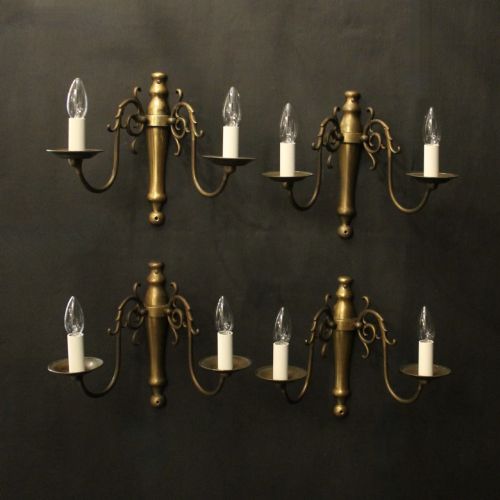
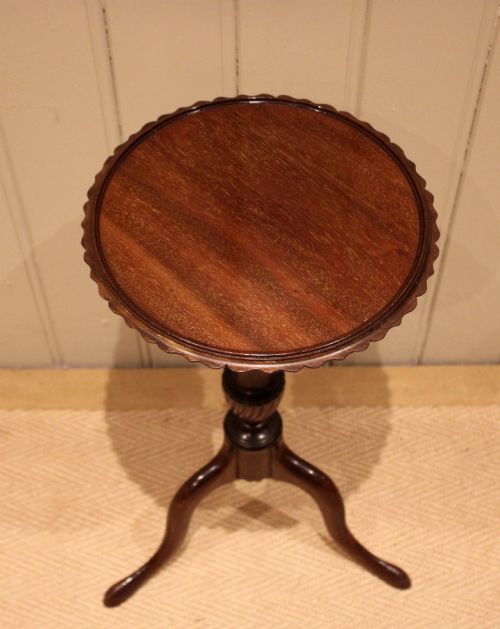
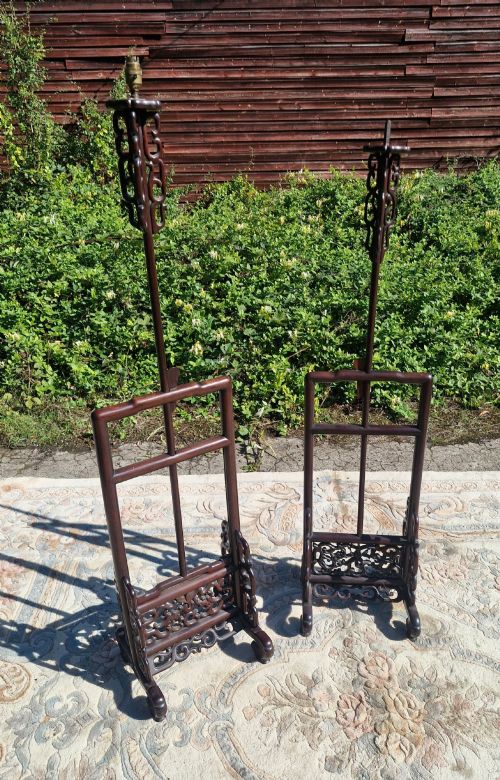
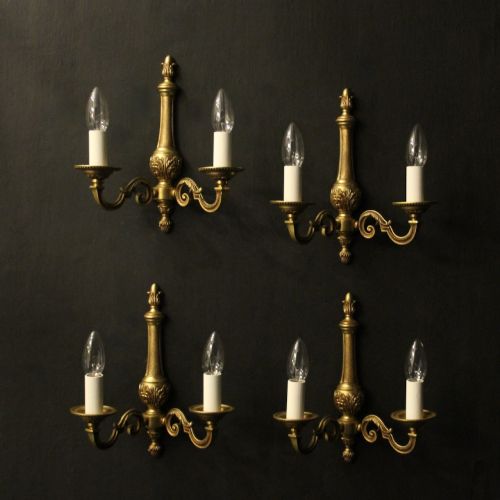
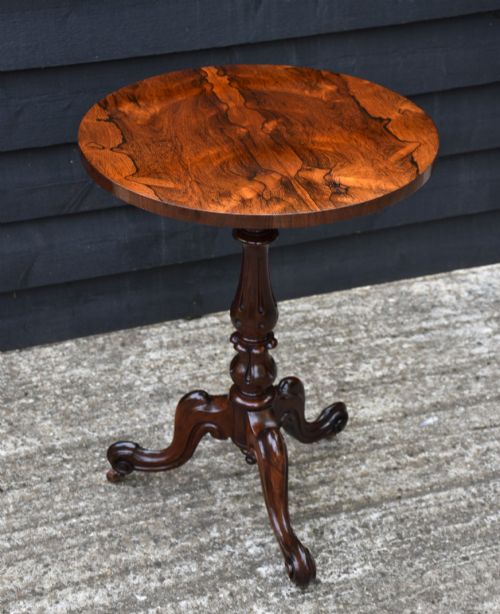
The selections on this page encompass various forms including table lamps, bouillotte lamps, and floor-standing standards fashioned from woods such as mahogany, oak, and rosewood, alongside metals like brass and bronze.
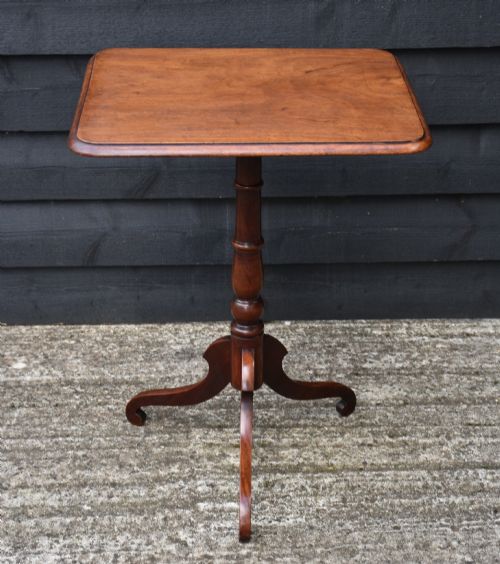
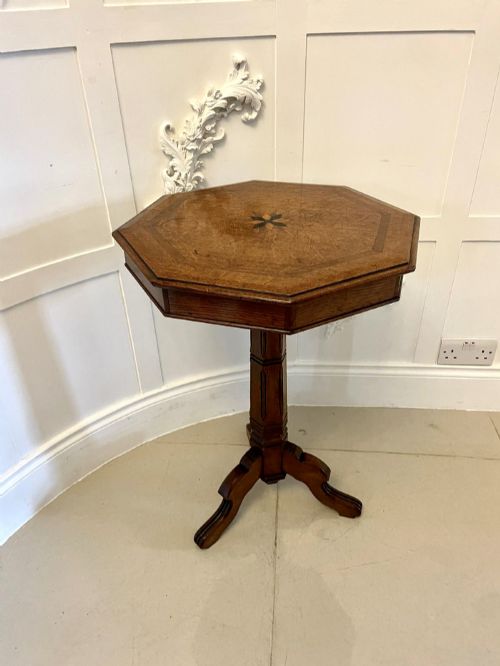
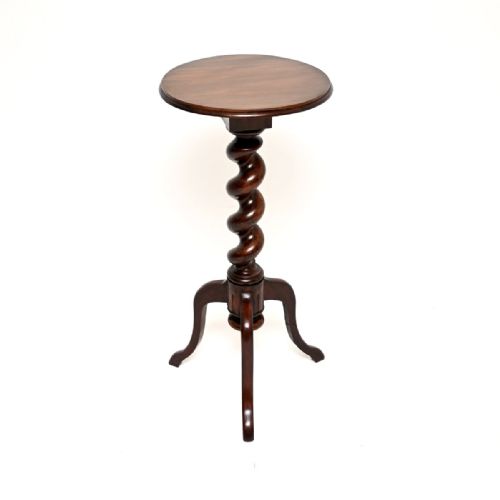
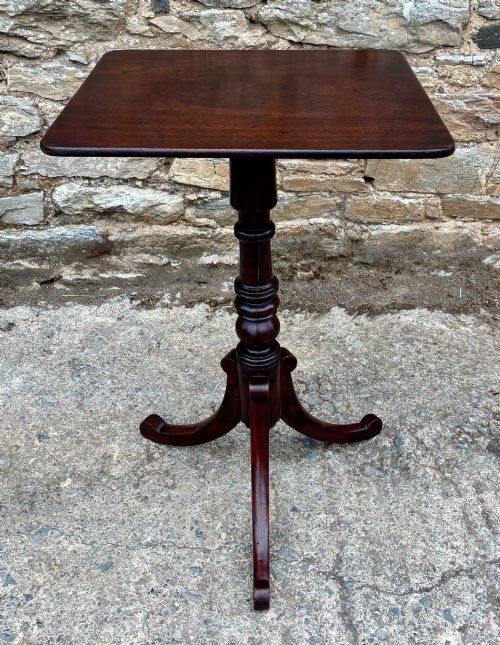
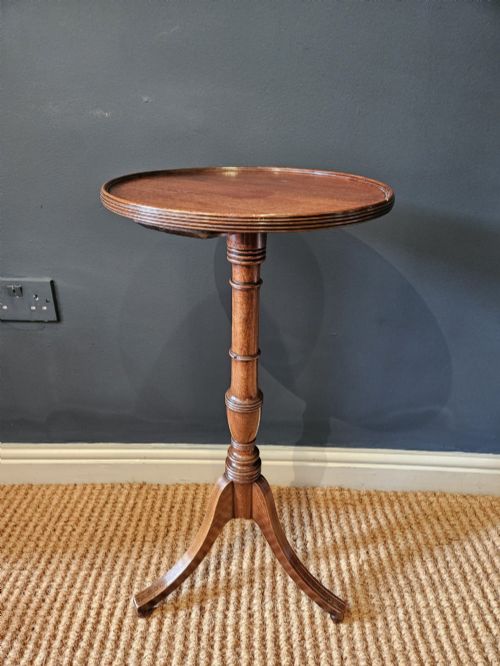
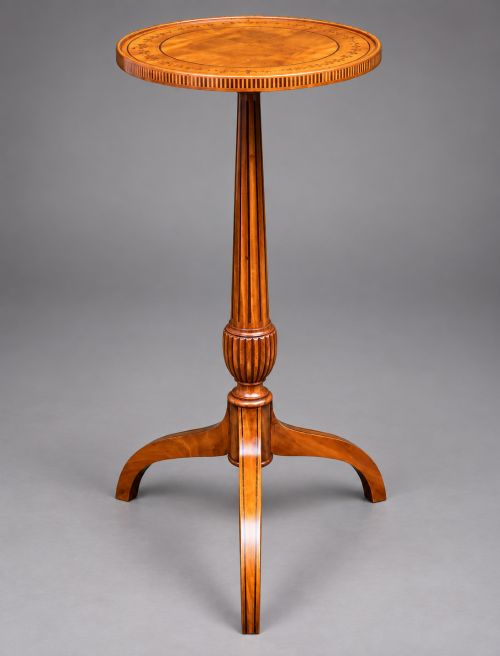
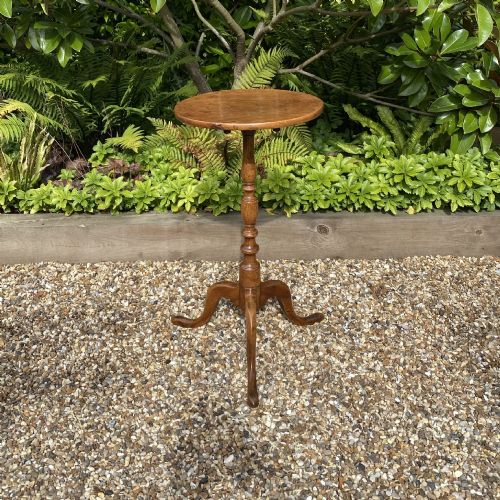
Many items recorded in this category function as dual-purpose pieces, serving simultaneously as wine tables, occasional tables, or torchere stands adapted to hold lights.
How they were made
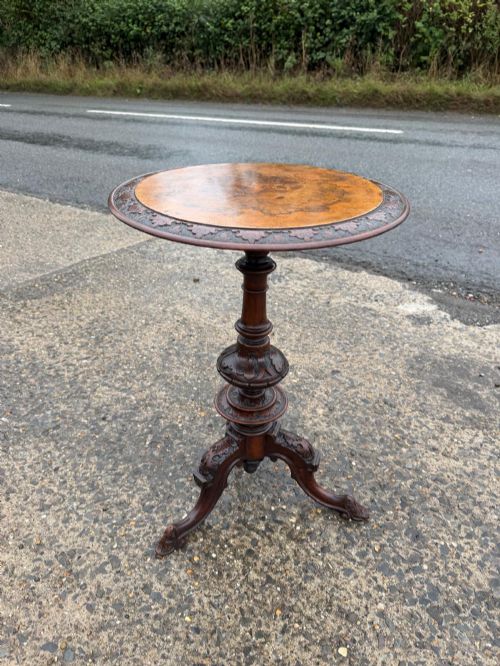
Maker construction methods rely heavily on dense hardwoods like mahogany, walnut, and oak, often shaped into tripod bases with tilt-top mechanisms or carved columns.
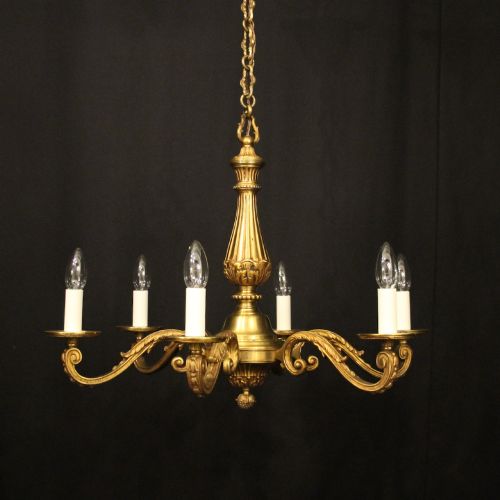
Metal components utilise cast brass, gilded bronze, and toleware, frequently incorporating adjustable arms, glass hurricane shades, or intricate surface decoration.
Several timber stands double as smokers' plant pot holders, proving our ancestors liked their greenery with a side of ash.
What varies in quality
Superior examples display crisp casting detail in bronze and brass fittings, or finely figured timber veneers such as burr wood and rosewood on table surfaces.
Fine craftsmanship shows in the structural stability of tripod bases, the precise movement of adjustable lamp standards, and the original integrity of glass or metal components.
The Antique Candle Lamp Glossary
- Bouillotte lamp
- A traditional desk lamp featuring a central standard, adjustable shade, and multiple candle arms. It typically includes a saucer-like base for containing wax drips.
- Torchere
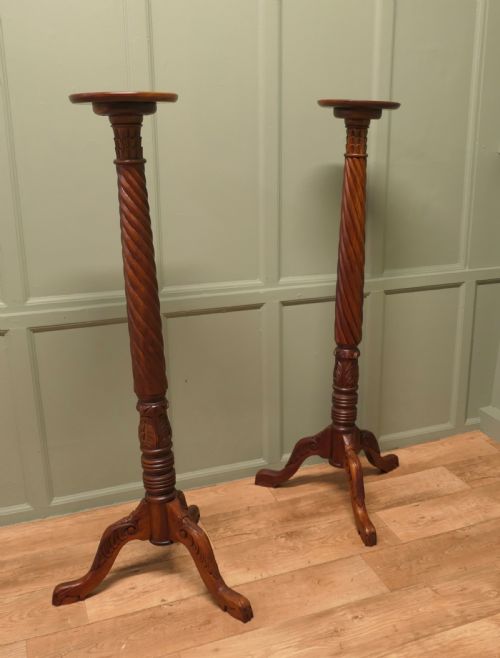
- A tall ornamental stand intended to support a lamp, candle, or vase. These pieces often feature slender wooden columns and tripod supports.
- Tilt-top table
- A small table mechanism allowing the surface to fold vertically when not in use. This design saves space and displays the timber grain effectively.
- Tripod base
- A three-legged support structure commonly found on small lamp tables and stands. It provides stability on uneven historical flooring.
- Toleware
- Enamelled or painted sheet metal utilised for lamp shades and decorative canisters. It often exhibits contrasting colours and hand-painted motifs.
Antique Candle Lamp: Frequently Asked Questions
How do I use an antique candle lamp today?
These pieces function effectively on side tables, desks, or as standalone floor standards to create ambient lighting in a room. Many historical designs accommodate modern wiring or retain their original configuration for actual candle use.
Positioning them away from heavy foot traffic protects delicate wooden or metal components while maintaining their decorative impact within a traditional or eclectic interior scheme.
What materials are common in these lamps?
Construction relies heavily on traditional cabinet timbers including mahogany, oak, rosewood, and walnut for table bases and columns. Metal elements predominantly feature solid brass, gilded bronze, and painted toleware.
Glass components occasionally appear as hurricane shades or protective shields surrounding the flame or bulb, adding texture and variation to the design.
How can I tell the period of a lamp?
Dating relies on stylistic markers, construction methods, and material choices associated with specific eras like the Georgian, Regency, or Victorian periods. Mahogany and walnut pieces often reflect eighteenth or nineteenth-century cabinet-making techniques.
Examining the fixings, screw threads, and wood patination helps establish whether a piece originates from the early nineteenth century or later revival periods.
Were these lamps always used for lighting?
Historical examples frequently served multiple domestic purposes, doubling as wine tables, occasional stands, or torchere plant holders alongside their lighting function. Convertible designs allowed households to adapt surfaces for drinks, reading, or illumination as needed.
This versatility explains why many surviving items combine sturdy table tops with candle arms or raised central columns.