


Antique Canal Oil Artwork
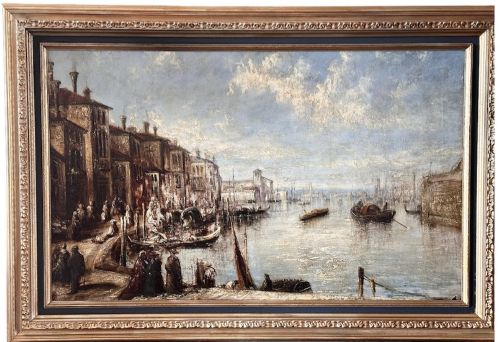
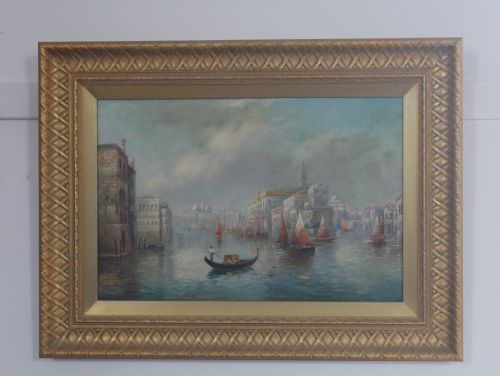
These antique canal oil artwork pieces capture bustling Venetian waterways and quiet lock scenes through traditional oil paint on canvas.
Antique Canal Oil Artwork
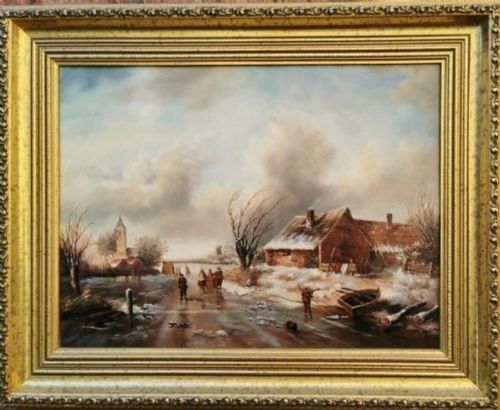
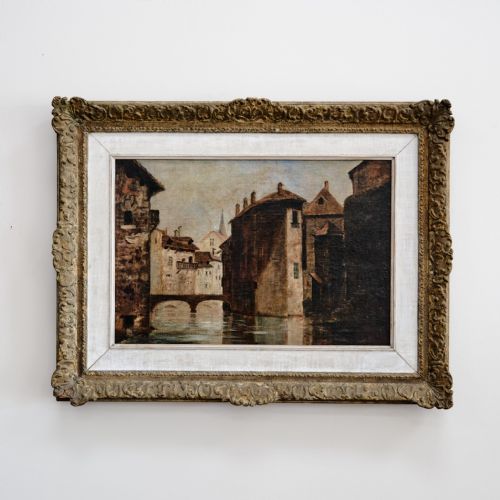
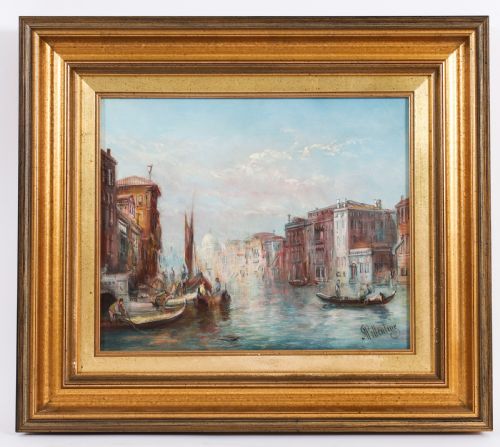
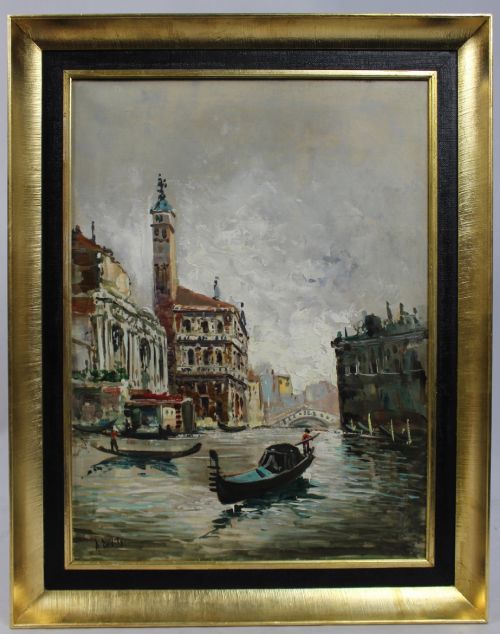
When you search for antique canal oil artwork, you encounter painted scenes dominated by Venetian waterways, Dutch winter landscapes, and English lock rivers. The selection spans the nineteenth century through to the mid twentieth century, reflecting various European schools.
Most pieces portray the Grand Canal, Venetian lagoons, or industrial canal barges executed by notable artists such as Alfred Pollentine, Jane Vivian, and William Raymond Dommersen. These paintings capture both bustling cityscapes and serene pastoral river views on canvas or board.
The prevalent styles include Victorian realism, Impressionism, and Dutch school interpretations. Buyers find both grand framed gallery canvases and smaller townscape studies representing European waterways.
How They Were Made
Artists applied oil paint using traditional brushes and palette knives onto stretched canvas or wooden board supports. The tactile qualities of the paint build texture in architectural stonework and shimmering water reflections.
Surviving examples are frequently housed within period wooden frames adorned with gesso, gold leaf, and giltwood embellishments. These frames complement the depth of the oil pigments and protect the edges of the canvas.
Several artists painted Venice repeatedly without ever visiting, relying entirely on detailed photographs and postcards.
What Varies in Quality
Quality separates through the precision of architectural perspective in urban canal scenes and the fluidity of brushwork in water reflections. Master painters handle light and shadow with subtle tonal transitions that create atmospheric depth.
The integrity of the original canvas, stability of the oil paint layer, and the craftsmanship of the period giltwood or gesso frame determine the overall desirability of each piece.
Alfred Pollentine·Francis Moltino·Thomas Baker·Claude Jousset·Hein Hoppmann·Frederick Tully Lott·F.D. Campo·Antonietta Brandeis·Marc Aldine·Antoine Bouvard Senior·E. Perez Senet·Jane Vivian·William Greaves·William Raymond Dommersen·Herbert Royle·Ludwig Hermann·William Dommersen
The Antique Canal Oil Artwork Glossary
- Oil on Canvas
- A traditional painting medium where oil paints are applied to a woven fabric stretched across a wooden frame. This method allows for rich blending and textured brushwork.
- Giltwood
- Wood that has been treated with a thin layer of gold leaf or metallic powder. It provides ornamental richness to period frames surrounding nineteenth-century paintings.
- Gesso
- A plaster-like mixture applied to wood frames as a base for moulding decorative details before gilding. It gives antique frames their crisp architectural reliefs.
- Dutch School
- A collective term for seventeenth to twentieth-century painters influenced by the realist traditions of the Netherlands. These works often emphasise atmospheric winter lighting and waterways.
- Impressionism
- An art movement focusing on accurate depiction of light in its changing qualities and ordinary subject matter. Artists in this style use visible brushstrokes to render water and sky.
Antique Canal Oil Artwork: Frequently Asked Questions
Are these canal paintings original period works?
The listings comprise authentic nineteenth and early twentieth-century oil paintings created by listed European artists.
Each piece reflects the materials and techniques specific to its documented period of execution.
How should I hang my canvas artwork?
Paintings require stable interior walls away from direct sunlight and excessive domestic heat sources.
Proper hanging hardware supports the weight of both the heavy canvas stretcher and the ornate giltwood frame.
What subjects appear most frequently?
Venetian waterways featuring the Grand Canal, the Doge's Palace, and the lagoon dominate the selection.
Alternative subjects include Dutch winter landscapes, rural English locks, and continental quaysides.