


Antique Calling Card
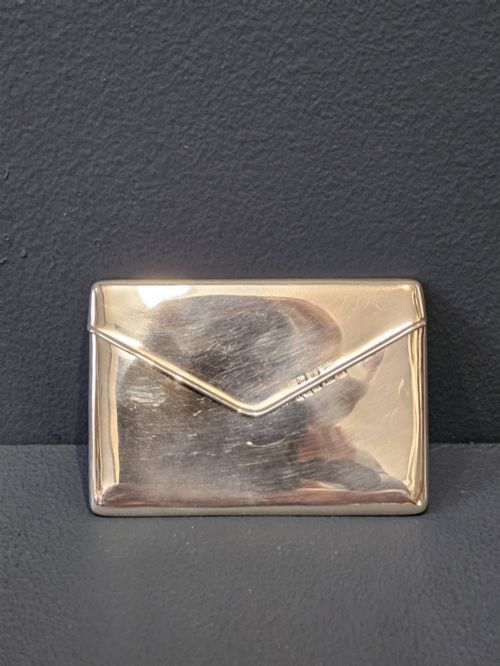
An antique calling card case carries the social currency of the nineteenth century in sterling silver, tortoiseshell, and mother-of-pearl.
Antique Calling Card
When you search for an antique calling card, you encounter small personal containers designed to hold engraved visiting cards during Victorian and Edwardian social calls. These pocket-sized pieces preserve social etiquette from eras when callers left cards upon visiting acquaintances.
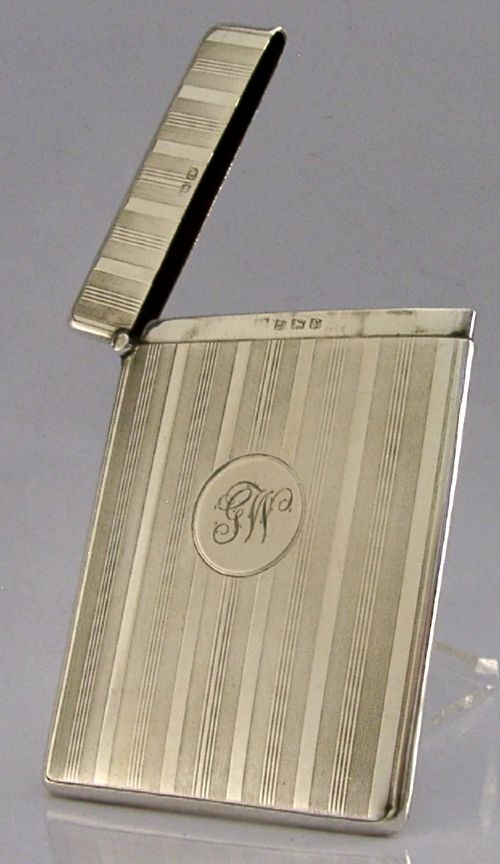
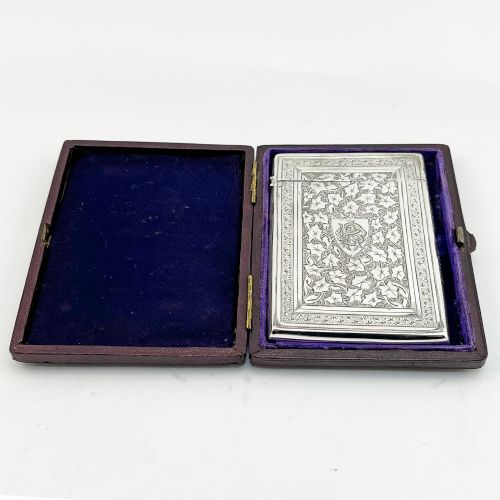
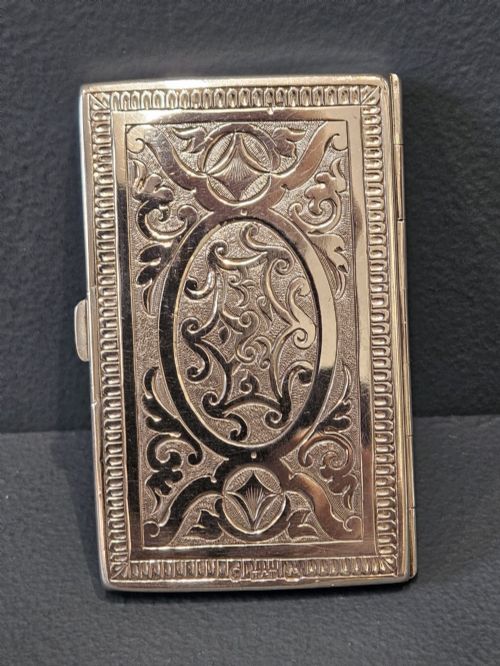
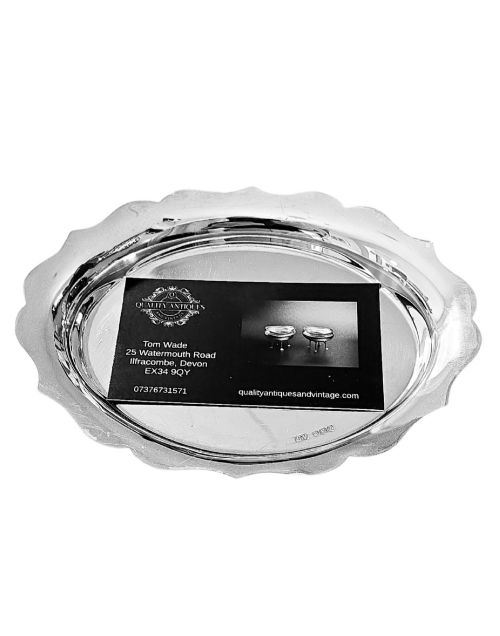
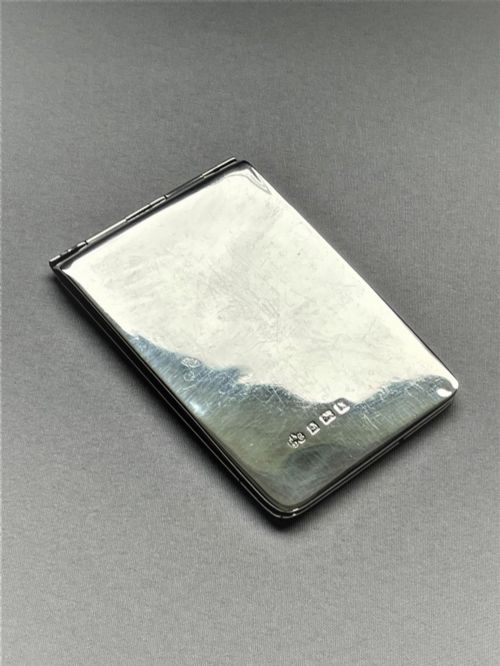
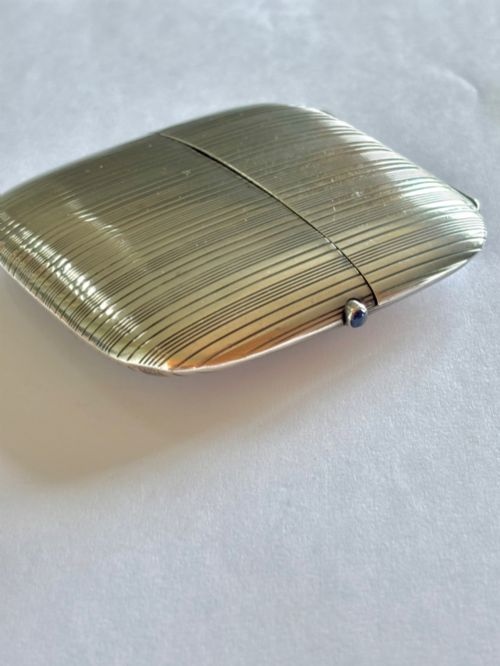
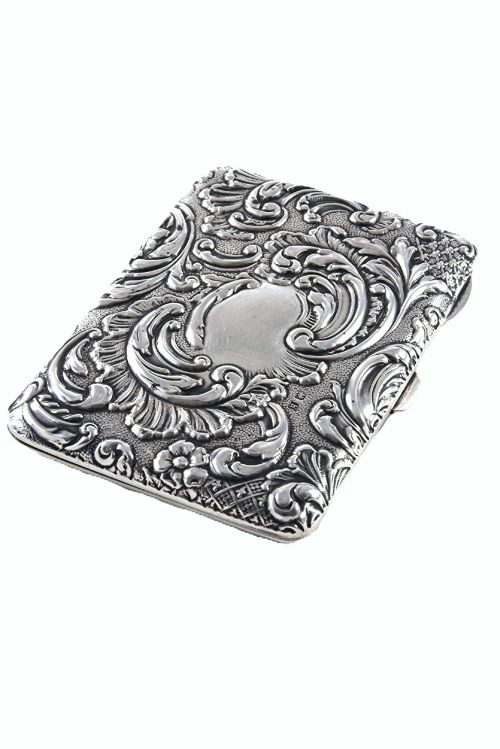
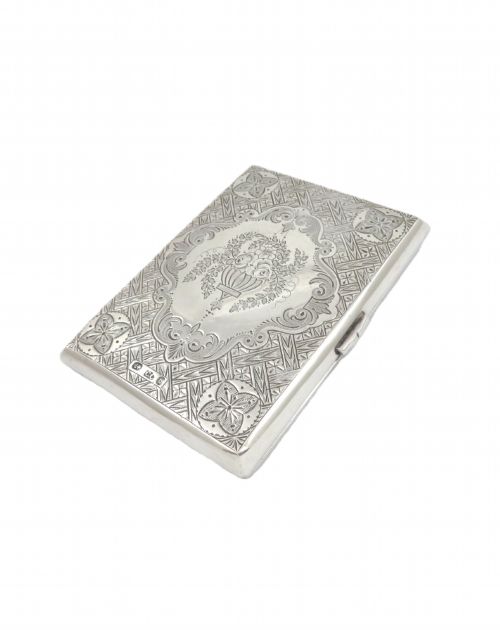
The most frequent examples on this page are flat sterling silver card cases, often hinged at the side or top to protect thin paper cards. Alongside cases, the selection includes silver trays, card baskets, and salvers intended for a hallway table to receive incoming visitors.
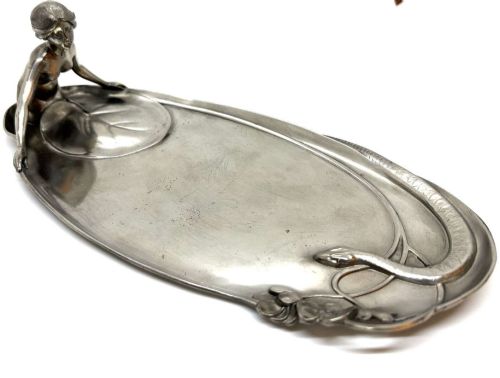
Materials extend beyond silver to encompass papier-mâché, mother-of-pearl, tortoiseshell, and carved wood. The variety spans Georgian mahogany trays through Victorian castle-top silver pieces to Art Deco enamel designs.
Markers of Distinction
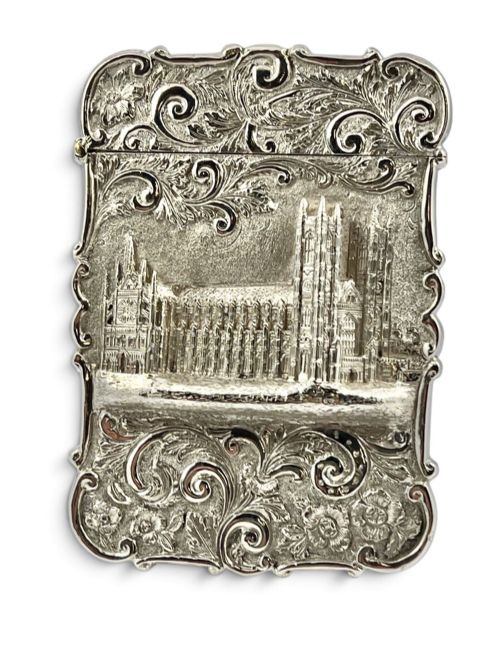
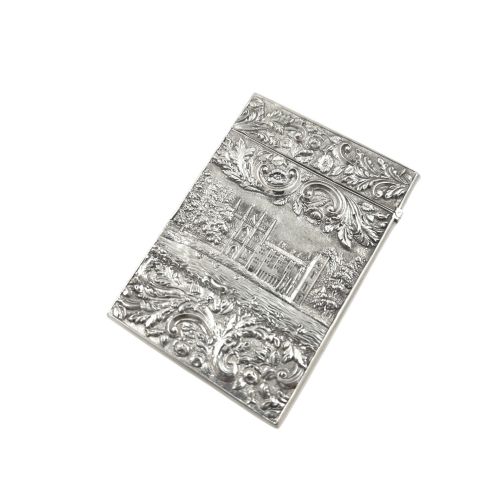
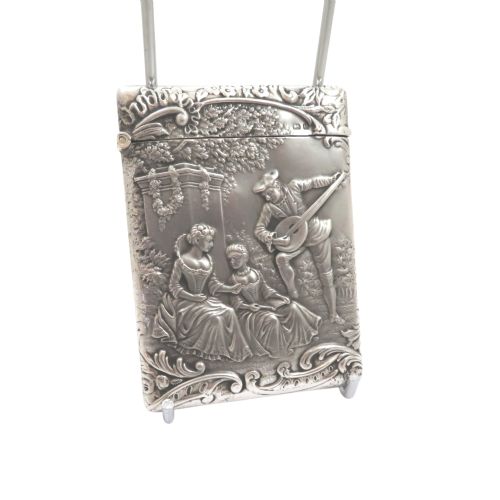
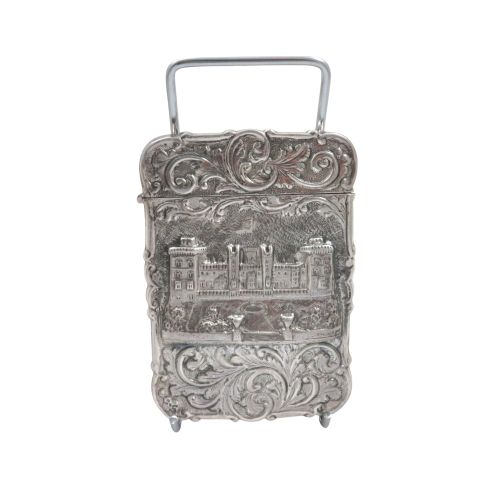
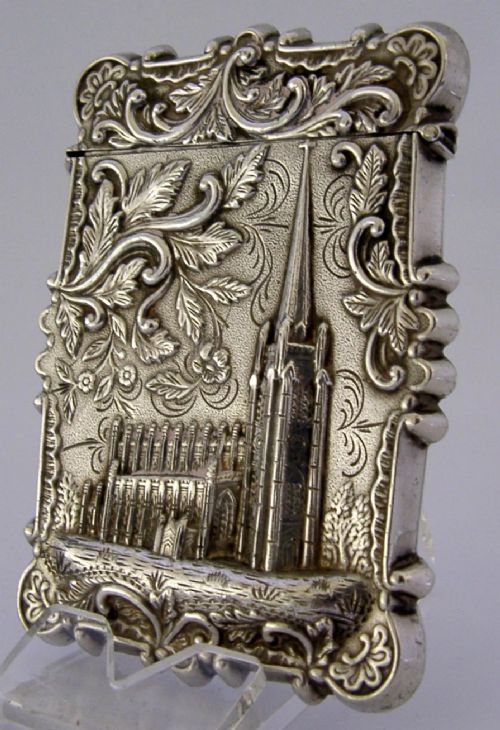
Distinction rests upon the depth and clarity of surface decoration, particularly in castle-top pieces where architectural detail must remain sharp and legible. Maker marks from established silversmiths elevate a piece above unmarked alternatives.
Material choice and structural integrity dictate the grade, from simple stamped silver plates to deeply carved organic shells and multi-metal constructions. The precision of the hinge mechanism and the tightness of the closure complete the assessment.
Antique Calling Card Retail Price Guide 2026
Typical asking prices for calling card among the pieces listed under this phrase on Sellingantiques today, from the lower quarter to the upper quarter. They describe what is for sale here now, not the wider market.
Materials range from sterling silver and Connemara marble to papier-mâché, tortoiseshell, pewter, and carved wood.
Nathaniel Mills·George Unite·Robert Pringle And Sons·Foxall And Co·Wmf
The Antique Calling Card Glossary
- Castle top
- A silver card case featuring a high-relief engraving of a famous building or landmark on the front lid. These scenes are characteristic of mid-nineteenth-century British silversmithing.
- Repoussé
- A metalworking technique where the artisan hammers the design from the reverse side to create a raised relief on the front. It creates tactile depth on silver surfaces.
- Aide memoire
- A small pocket notebook or memorandum tablet often combined with a card case. It allowed Victorians to jot down engagements alongside their visiting cards.
- Salver
- A small pedestal tray used for presenting letters or calling cards. They appear in silver, silver plate, and mahogany.
- Old Sheffield Plated
- An early fusion method of fusing a thin layer of silver to a thicker copper base. It predates electroplating.
Antique Calling Card: Frequently Asked Questions
How were calling cards used?
Victorians and Edwardians left these engraved paper cards when visiting friends or acquaintances to signal their presence.
If the host was absent, the card was left on a hall tray to show that the caller had paid respects.
How do I date a silver card case?
British silver pieces bear hallmarks that indicate the assay office, standard mark, and a specific date letter.
Matching these stamps against historical hallmarking charts reveals the exact year of manufacture.
How should I clean silver cases?
Silver surfaces benefit from gentle dusting with a soft cloth to remove everyday environmental debris.
Harsh chemical dips should be avoided to preserve the original patina and fine engraved details.