



Antique Cabinet Set
When you search for an antique cabinet set, you find matched groupings of functional containers, matching tableware, and fitted furniture suites spanning the Georgian to Art Deco periods.
Antique Cabinet Set
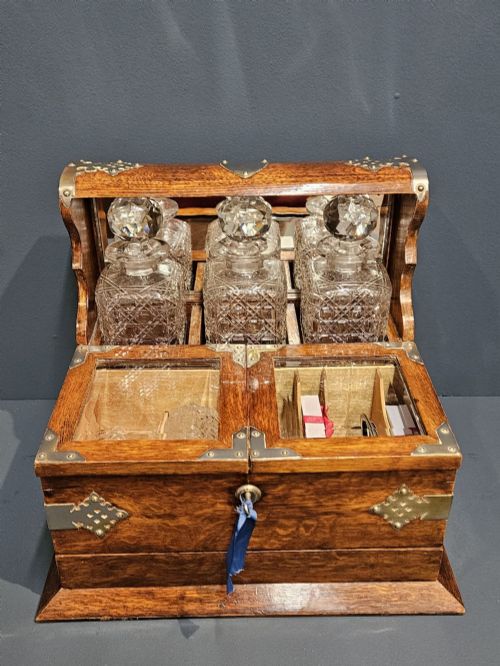
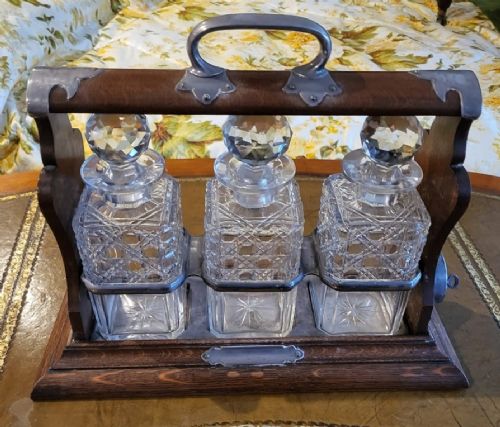
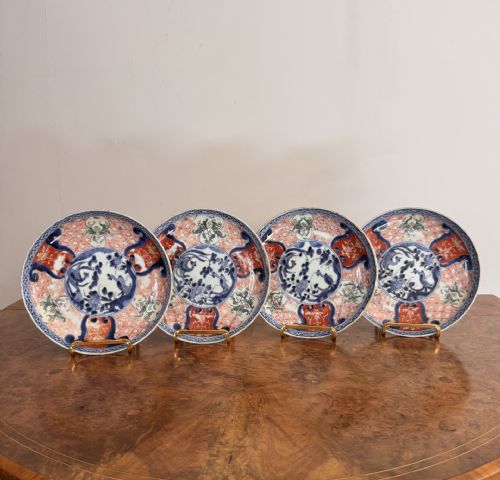
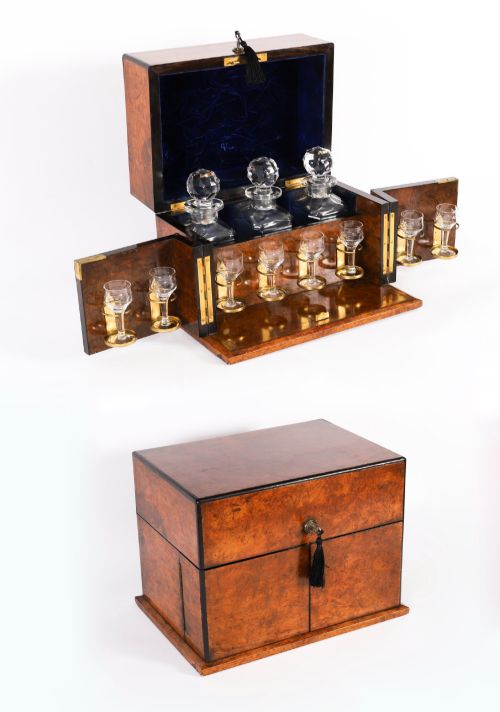
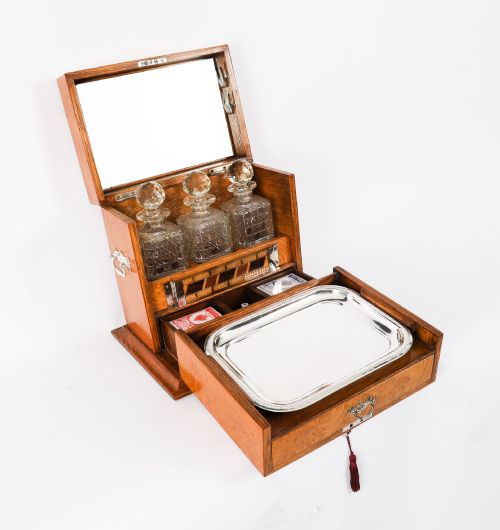
An antique cabinet set encompasses diverse groupings, ranging from fitted liquor tantalus and games compendiums in oak or mahogany to matched sets of porcelain plates and tea trios. Buyers frequently encounter nineteenth-century tantalus sets featuring cut crystal decanters alongside multi-piece porcelain dinner and dessert services.
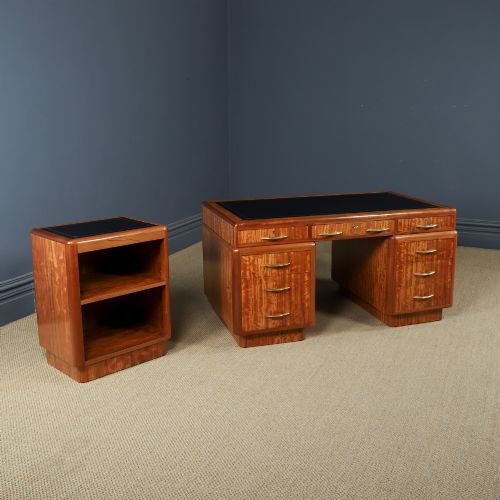
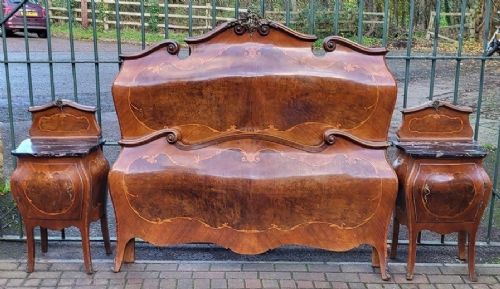
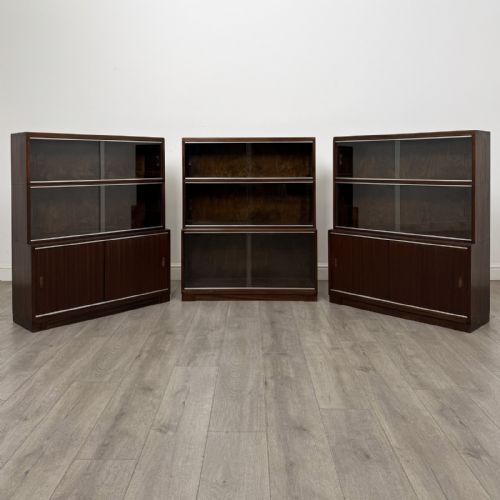
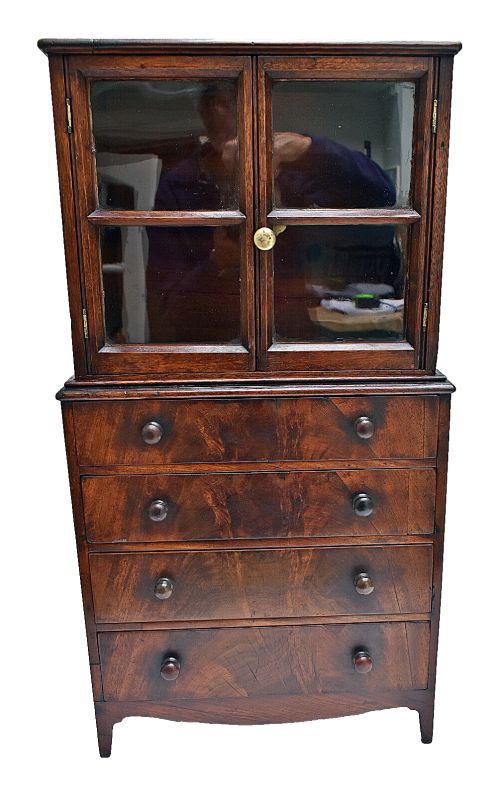
The selection also includes modular office filing drawers, stacking bookcases, and larger furniture groupings such as bedroom and office suites made of walnut and mahogany. These collections unite disparate functional objects under a cohesive material or stylistic theme, often retaining their original fitted wooden housings.
Materials and construction
Cabinetry constructions rely on dense hardwoods like oak, mahogany, walnut, and satinwood, frequently enhanced with marquetry stringing, brass mounts, and inlaid details. These housings enclose specialised interiors designed to secure glass decanters, cutlery canteens, or card files.
Ceramic components utilise porcelain, ironstone china, and bone china bodies decorated with handpainted landscapes, floral motifs, and gilt accents. Glass elements incorporate heavy cut crystal for barware and tantalus bottles.
Antique Cabinet Set Retail Price Guide 2026
Typical asking prices for cabinet set among the pieces listed under this phrase on Sellingantiques today, from the lower quarter to the upper quarter. They describe what is for sale here now, not the wider market.
Listings feature eighteenth and nineteenth-century porcelain from French, German, and English factories alongside heavy oak and mahogany nineteenth-century tantalus units.
Distinctions in craftsmanship
Quality separates along the precision of internal fittings and the crispness of surface decoration. Finer tantalus and games sets utilise solid figured oak or burr walnut with intact locking mechanisms and secure brass mountings, whereas simpler versions employ basic timber frames without specialised internal compartments.
Ceramic sets show variation in the execution of handpainted details and porcelain body refinement. Pieces bearing documented factory marks from manufacturers like Meissen, Sevres, or Derby demonstrate superior ceramic formulas and skilled artistic application compared to unmarked commercial wares.
H & R Daniel Shrewsbury·KPM Berlin·Waring & Gillows·Mercier Frères·Royal Doulton·John Ridgway
The Antique Cabinet Set Glossary
- Tantalus
- A locking wooden cabinet or stand holding decanters visible to guests but secured from unauthorized pouring. It typically uses a hinged metal bar across the bottle stoppers.
- Cabinet trio
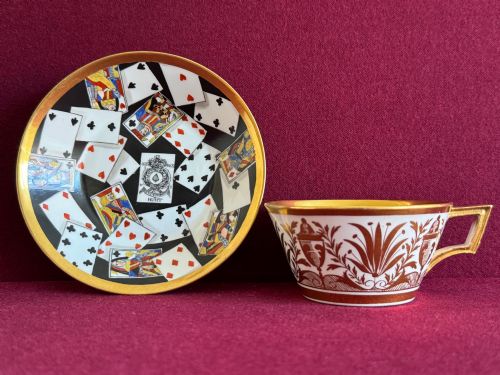
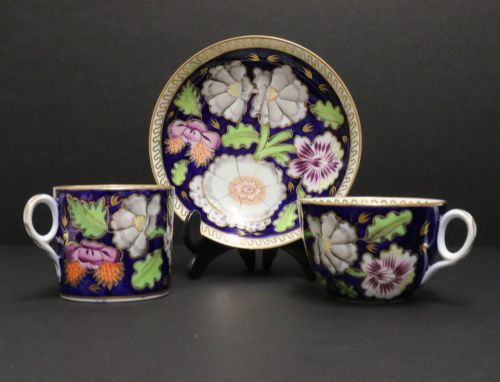
- A matched set comprising a teacup, coffee cup, and saucer produced by porcelain manufacturers. These groupings were often displayed in parlor cabinets rather than used daily.
- Games compendium
- A multi-game storage box containing boards, pieces, and cards for pastimes such as whist or chess. They are frequently integrated into nineteenth-century wooden tantalus units.
- Imari palette
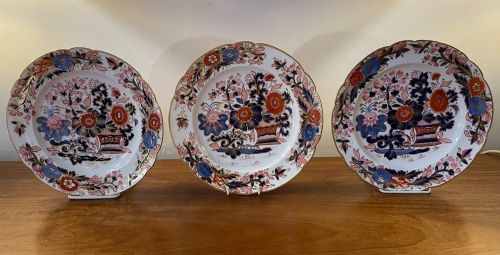
- A decorative scheme utilising underglaze cobalt blue, iron red, and gold, applied to ceramic plates and vessels. This style imitates traditional Japanese export porcelain designs.
- Marquetry
- The art of applying thin veneers of different woods to a structural timber surface to create decorative patterns. It appears frequently on Victorian furniture panels and box lids.
Antique Cabinet Set: Frequently Asked Questions
What is an antique tantalus set?
A tantalus is a locking wooden frame designed to hold three cut crystal decanters securely while displaying them. The locking mechanism prevents removal of the bottles until a key releases the top bar.
These pieces usually date from the Victorian and Edwardian eras, often combining liquor storage with fold-out games compendiums for entertaining guests in the drawing room.
How do I identify a cabinet porcelain trio?
A cabinet trio consists of a matching teacup, coffee cup, and saucer created primarily for display in a parlor cabinet. They feature fine porcelain bodies and detailed handpainted landscapes or floral motifs.
Many examples originate from nineteenth-century English and continental factories such as Coalport, Newhall, and various German manufacturers, often bearing factory marks on the underside.
What materials are typical for these sets?
The housings and furniture sets utilise dense hardwoods including figured oak, mahogany, walnut, satinwood, and fruitwood. Metal mounts, brass hinges, and gold leaf provide structural reinforcement and decorative contrast.
Contained items incorporate porcelain, ironstone china, cut crystal glass, and enamel, depending on whether the set functions as tableware, barware, or an office filing system.
How were multi-piece cutlery canteens housed?
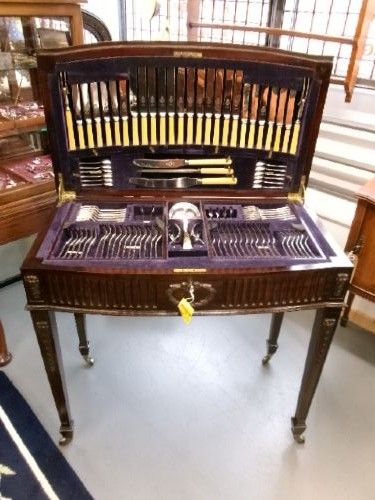
Complete cutlery services are organised within dedicated wooden cabinets featuring multiple lined drawers or fitted vertical slots. Mahogany and burr walnut are common exterior timbers for these protective chests.
These sets range from Edwardian dining room canteens to larger twentieth-century table services designed to keep extensive silver plate flatware sorted and polished.