
Antique Cabinet Mounts
Antique cabinet mounts dress fine nineteenth-century credenzas, vitrines, and pier cabinets with gilt brass, ormolu, and porcelain.
Antique Cabinet Mounts
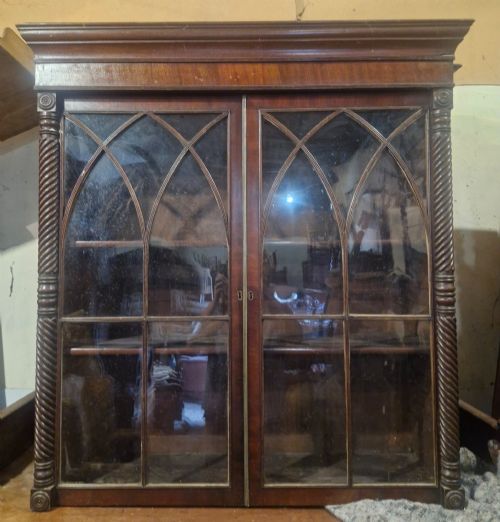
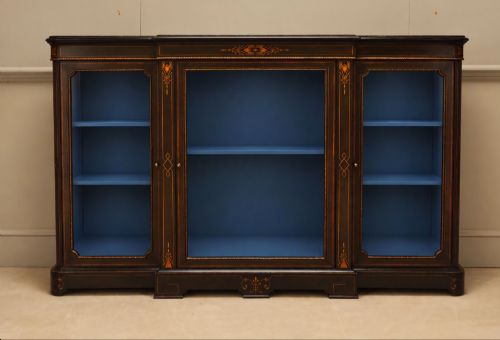
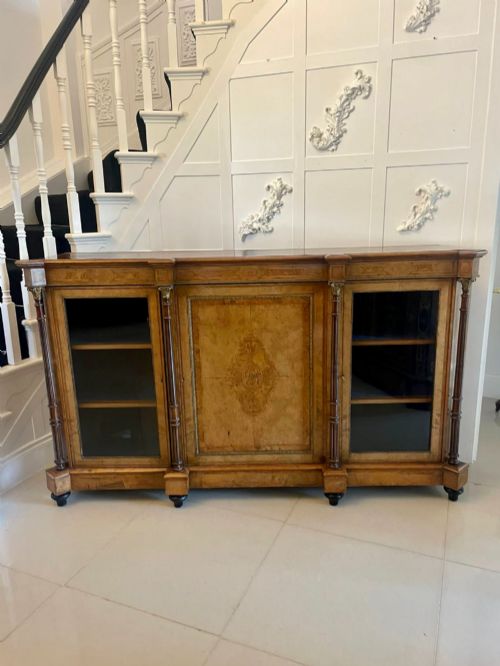
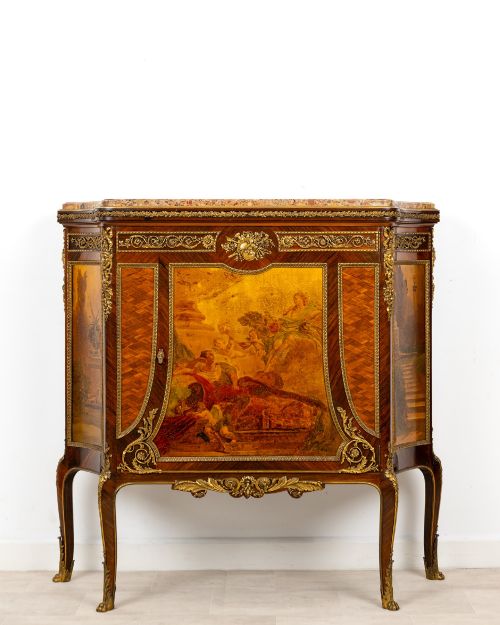
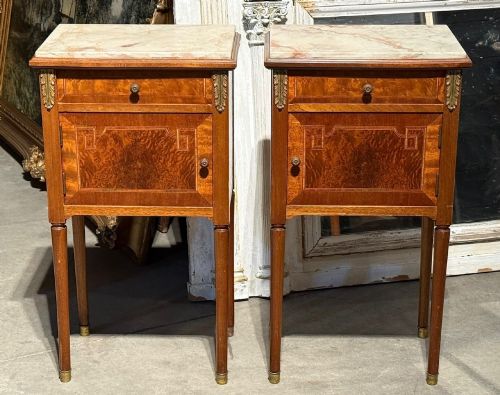
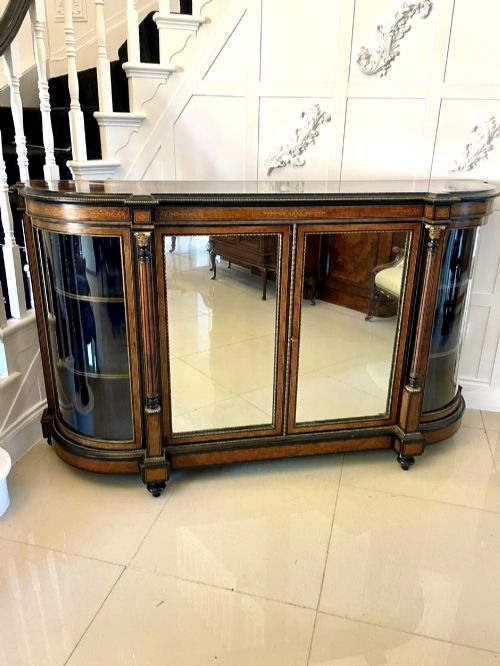
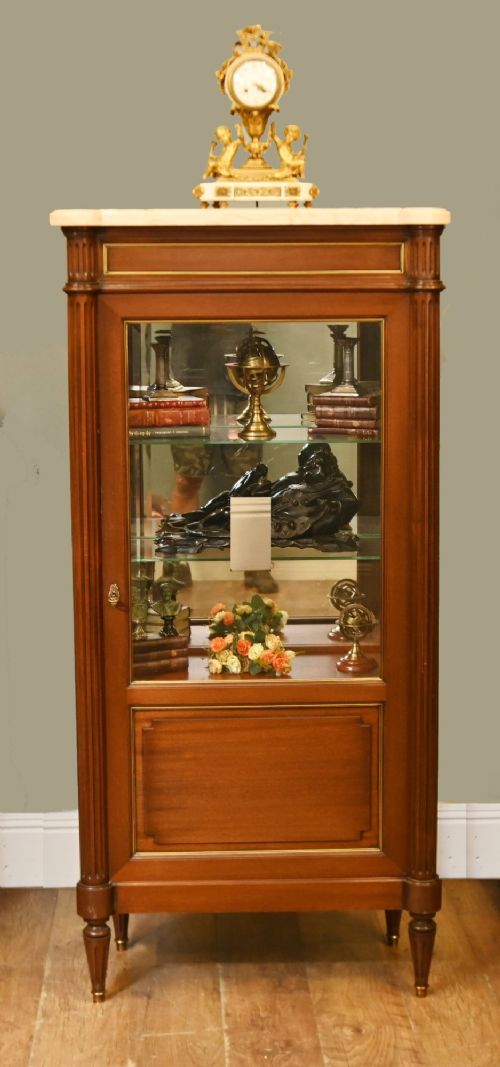
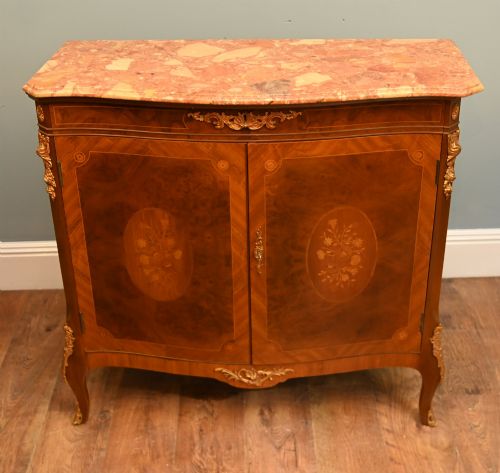
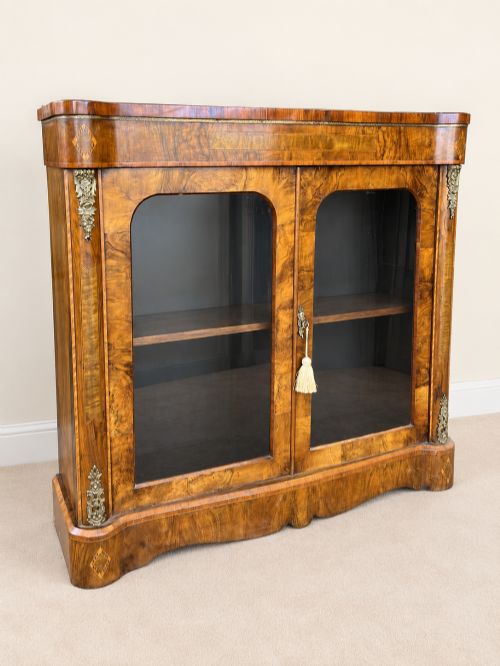
When searching for antique cabinet mounts, collectors examine decorative metalwork and plaques applied to nineteenth-century display furniture, sideboards, and credenzas. The most frequent examples on this page are Victorian burr walnut and ebonised credenzas alongside French Louis XV style vitrines adorned with cast gilt elements.
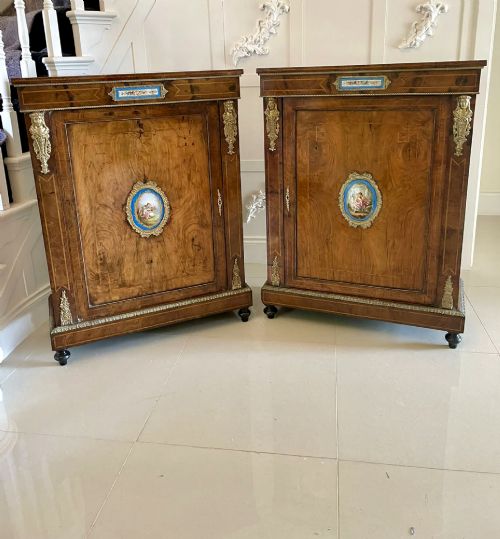
These metal and porcelain details function as architectural accents on the corners, friezes, and doors of case furniture. They originate primarily from English workshops and French cabinet-makers working during the Victorian and Edwardian periods.
Materials and Construction
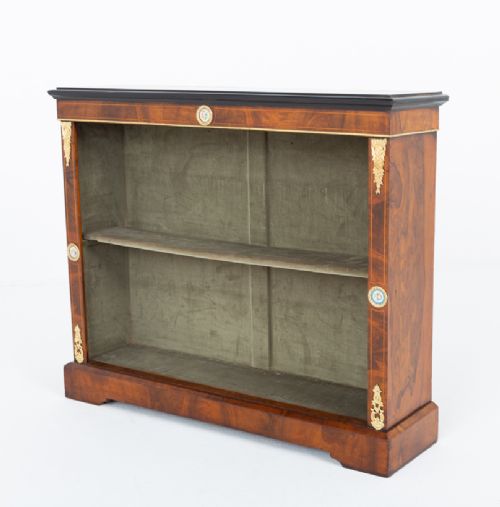
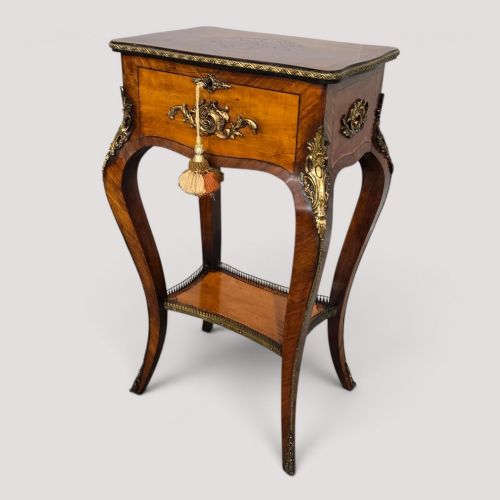
Ornate mounts are typically cast in bronze or brass, then fire-gilded to produce the rich ormolu surfaces seen on French revival furniture. These metal fittings are secured to hardwood carcases built from walnut, mahogany, kingwood, and ebonised timber.
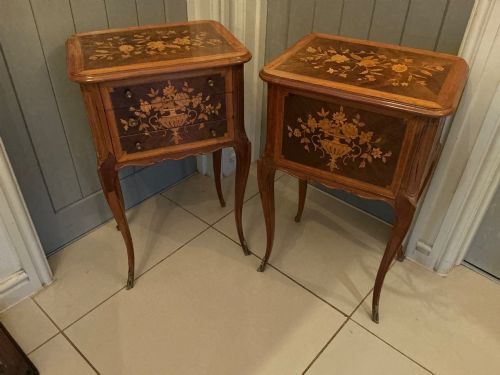
Makers integrated hand-painted porcelain plaques alongside marquetry veneers and glass panels within the cabinet doors and friezes. The metal mounts often frame these porcelain inserts or protect the vulnerable corners of serpentine furniture.
Victorian cabinet-makers sometimes hid secret locking drawers behind ornate ormolu mounts.
Assessing Quality
The distinction between standard production and exceptional craftsmanship lies in the crispness of the metal chasing and the depth of the casting. Superior ormolu mounts exhibit sharp relief and careful hand-finishing rather than soft, muddy edges.
Quality also depends on the integration of the mounts with the surrounding timber veneer and marquetry. Finer pieces demonstrate precise fitting where the metal meets the walnut or kingwood carcase without gaps or excessive fixing pins.
Gabriel Viardot·Johnstone and Jeanes·Jacques Birckle·C Mellier and Co
The Antique Cabinet Mounts Glossary
- Ormolu
- A gilded bronze or brass decorative mount applied to furniture. This technique involves mercury gilding on older pieces to achieve a durable golden finish.
- Credenza
- A sideboard or display cabinet originating in the nineteenth century. These items frequently feature extensive inlaid marquetry and gilt metal mounts.
- Vitrine
- A glass-fronted display cabinet designed for porcelain and small objects. They often stand on slender cabriole legs decorated with brass mounts.
- Marquetry
- The art of applying decorative pieces of veneer to a furniture structure to form intricate patterns. It provides the background against which metal mounts are set.
- Pier cabinet
- A narrow cabinet designed to stand against a wall between windows. Victorian examples regularly incorporate glazed doors and gilt bronze mounts.
Antique Cabinet Mounts: Frequently Asked Questions
What are antique cabinet mounts?
Antique cabinet mounts are decorative metal or porcelain fittings applied to the exterior of nineteenth-century furniture. They serve both a protective and an ornamental purpose on case pieces.
Craftsmen cast these elements in bronze and brass, often applying a gilt finish to complement the surrounding walnut or ebonised timber.
How do I date an antique cabinet?
Dating relies on examining the timber construction, the style of the marquetry, and the design of the metal mounts. Victorian and Edwardian pieces show specific revival characteristics from the nineteenth century.
Cabinet-makers often employed distinct casting techniques and wood veneers that correspond to particular decades between eighteen-fifty and nineteen-hundred.
Where were these cabinets made?
The pieces listed originate primarily from English workshops and French cabinet-making houses. London firms and Parisian makers produced much of this ornamented furniture.
French pieces frequently reflect Louis XV and Louis XVI revival styles, while English examples favour burr walnut and mahogany with classical brass hardware.
How do I care for ormolu mounts?
Ormolu mounts require gentle dusting with a soft, dry cloth to prevent the accumulation of dirt in the recessed chasing. Avoid using abrasive metal polishes which can strip the historic gilding.
Maintaining a stable room temperature and humidity level protects both the metal fittings and the underlying timber carcase from damage.