


Antique Butter Dishes
These antique butter dishes bring elegance to the table, offering a glimpse into dining traditions from the eighteenth century onwards.
Antique Butter Dishes
When you search for antique butter dishes, you encounter vessels designed to serve butter at the table, spanning periods from the eighteenth century to the twentieth century.
The selections on this page range from solid silver and silver plate to delicate porcelain, earthenware, and cut glass.
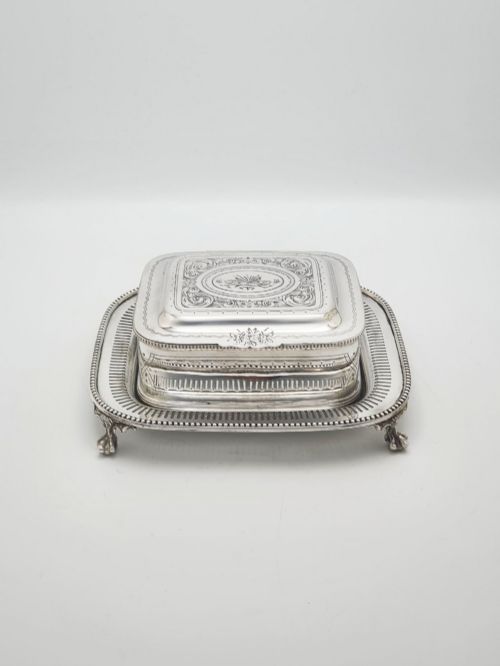
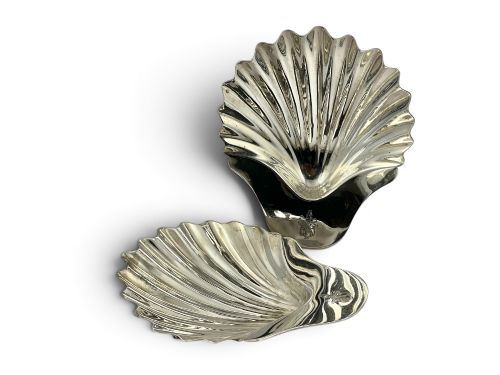
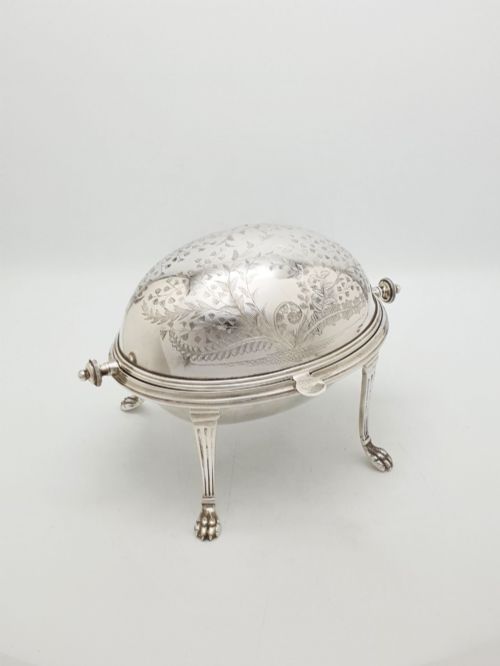
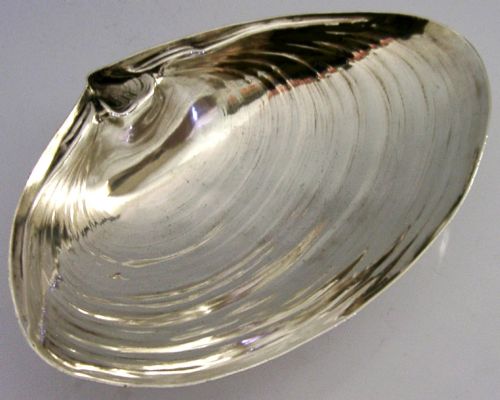
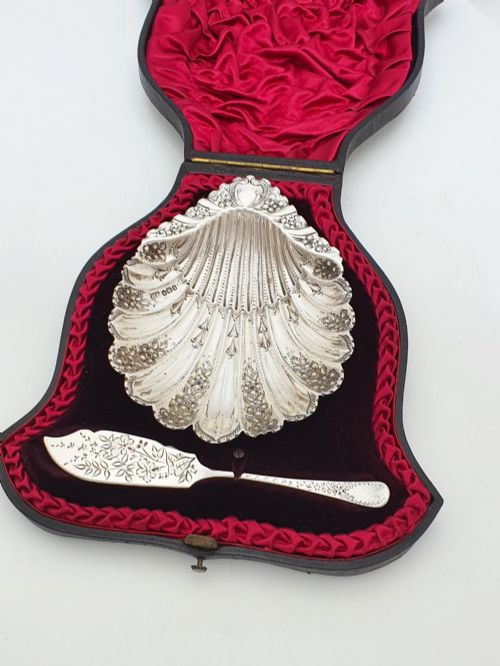
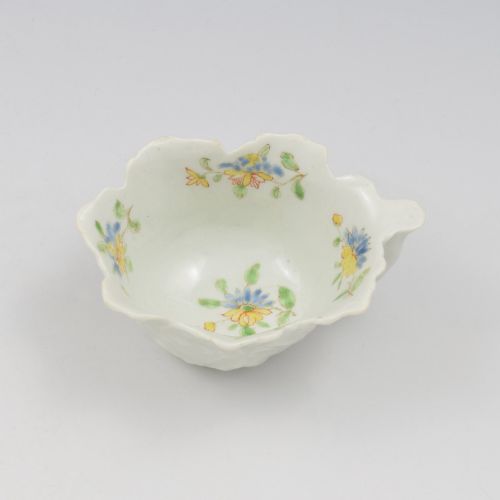
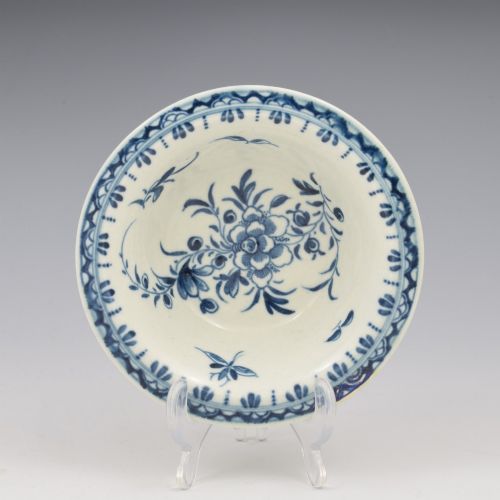
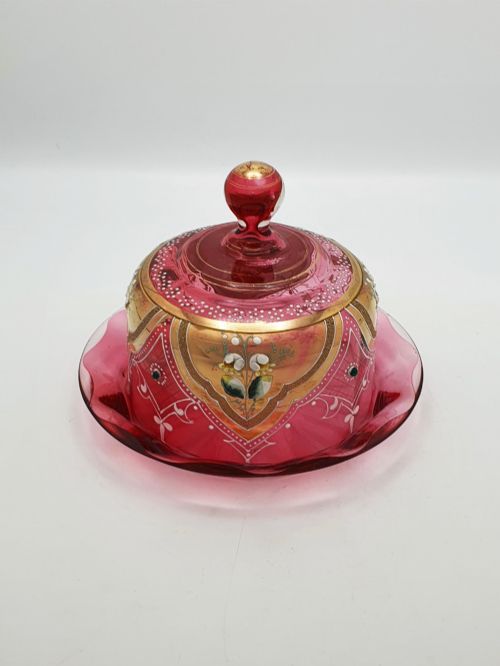
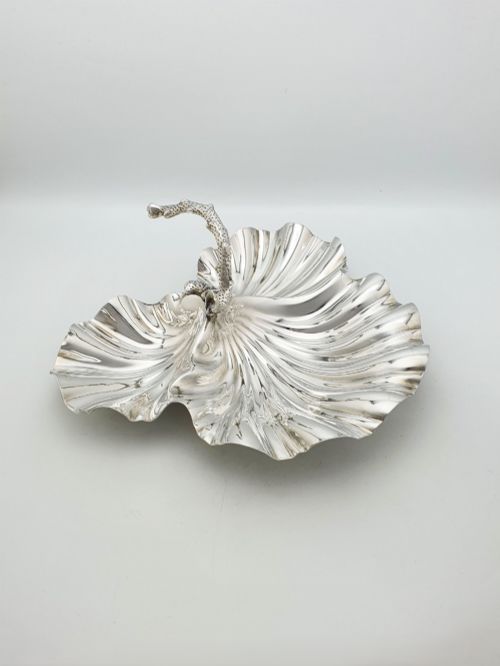
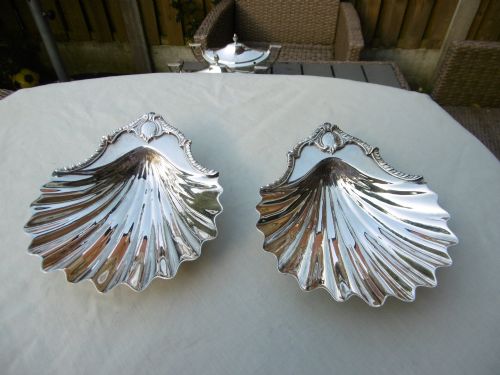
You will frequently meet Victorian and Edwardian examples featuring glass liners, revolving lids, and shell motifs, alongside earlier Georgian silver shells and porcelain boats.
How they were made
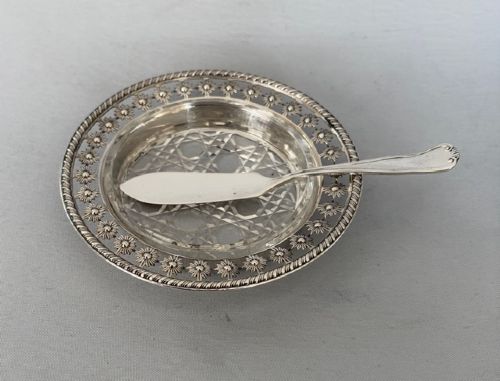
Silversmiths shaped sterling silver and silver plate into intricate forms, utilising techniques like piercing and casting to create shell designs and decorative handles.
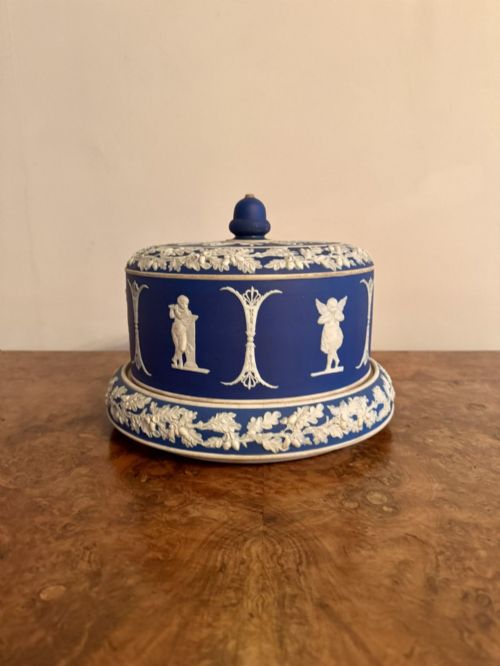
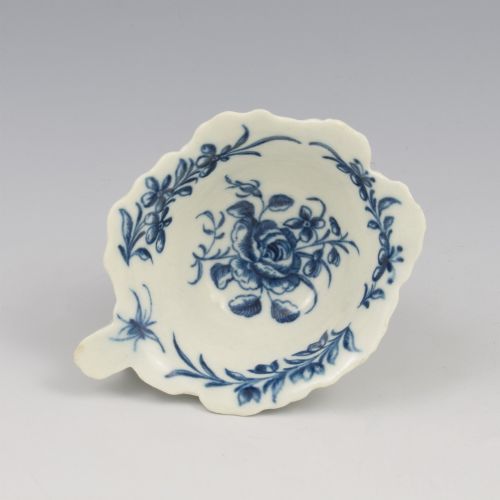
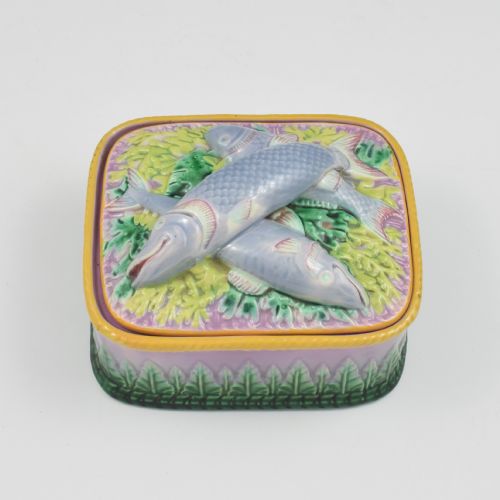
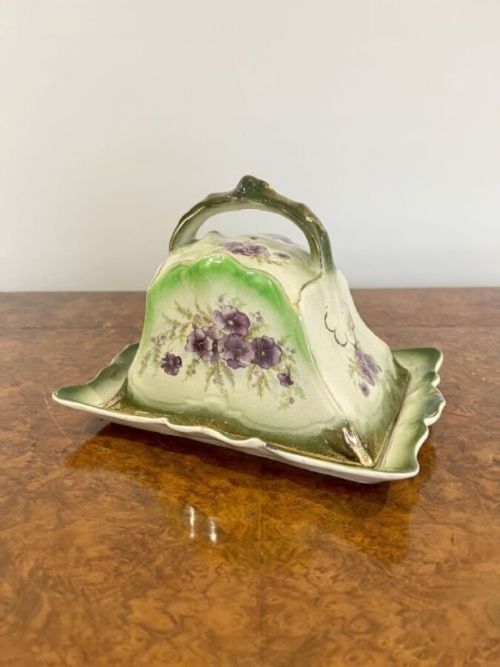
Potters shaped earthenware, majolica, and porcelain, hand-painting patterns such as the Two Quails or applying cobalt blue and pink glazes before firing.
Glassmakers blew and cut lead crystal into liners and covers, often pairing them with metal stands to form complete table service pieces.
Antique Butter Dishes Retail Price Guide 2026
Typical asking prices for butter dishes among the pieces listed under this phrase on Sellingantiques today, from the lower quarter to the upper quarter. They describe what is for sale here now, not the wider market.
The listings span from the eighteenth century to the mid-twentieth century, featuring silver, porcelain, majolica, and cut glass.
What varies in quality
The distinction between standard tableware and finer pieces rests on the crispness of the casting, the depth of the cut glass, and the hand-painted detail on porcelain.
Maker marks from recognised silversmiths or porcelain factories elevate a piece, indicating superior craftsmanship and materials.
The presence of original matching components, such as glass liners, knives, and fitted cases, marks the difference between a complete survival and a mismatched set.
William Plummer·Goldsmiths & Silversmiths·George Jones·Thomas Forester & Sons·Adie Brothers·Kuznetsov
The Antique Butter Dishes Glossary
- Silver Plate
- A base metal coated with a thin layer of silver. This technique allowed manufacturers to produce affordable tableware that mimicked solid silver.
- Majolica
- A type of earthenware coated with an opaque tin-lead glaze and brightly coloured enamels. It gained popularity during the Victorian period for ornate animal and plant forms.
- First Period Worcester
- An early English porcelain manufacture known for fine body composition and hand-painted blue and polychrome decoration. Pieces often bear crescent or square marks.
- Cut Glass
- Glass shaped and patterned by grinding and polishing facets into the surface. It reflects light and adds weight to serving vessels.
- Earthenware
- A porous pottery body fired at lower temperatures, requiring a glaze to become waterproof. It forms the base for many nineteenth-century majolica and ironstone dishes.
Antique Butter Dishes: Frequently Asked Questions
How were butter dishes used?
These dishes held butter on the dining table, often keeping it cool beneath a fitted glass liner or metal cover.
They formed part of larger tableware sets used during breakfast, afternoon tea, and formal dinner services.
How do I clean an antique silver butter dish?
Clean silver plate and sterling silver gently with a soft cloth and specialised silver polish to maintain the finish without removing the plating.
Avoid abrasive materials and harsh chemical dips that can damage intricate chasing and engraving.
Can I use these dishes daily?
Many sturdy silver-plated and glass butter dishes tolerate gentle daily use if washed by hand rather than placed in a dishwasher.
Delicate eighteenth-century porcelain and majolica pieces warrant careful handling and are better suited for occasional display or careful service.
How do I date an antique butter dish?
Examine hallmarks on silver pieces to find specific assay office symbols and date letters corresponding to active years of production.
For ceramics and glass, inspect the glaze, body type, and factory marks to determine the manufacturing period.