
Antique Burr Wood
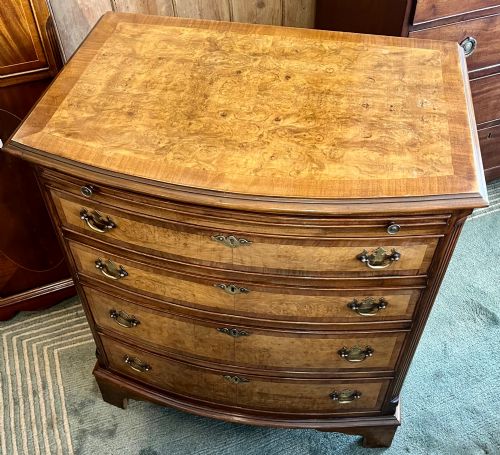
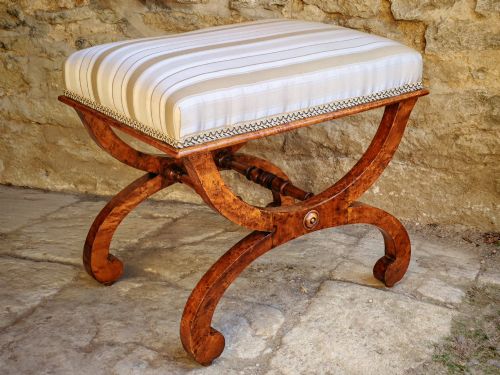
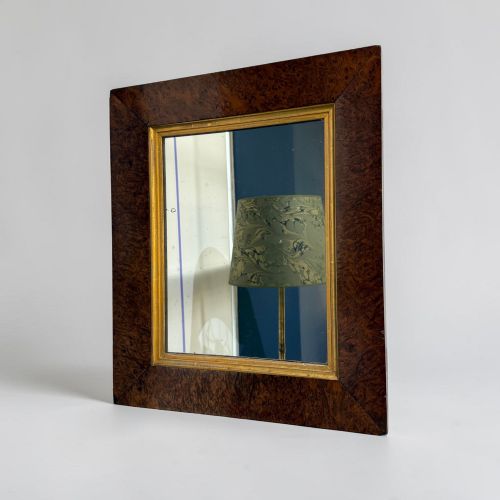
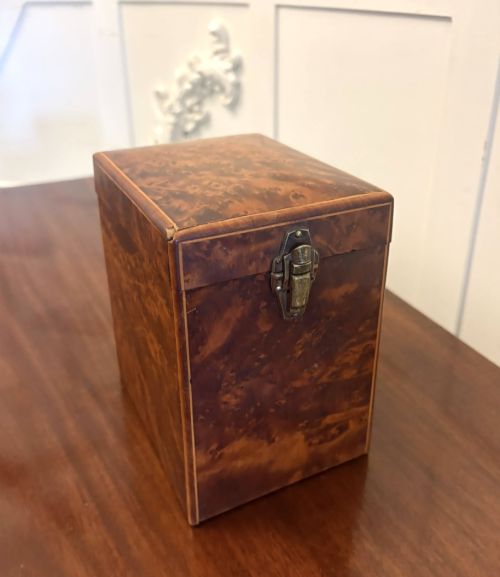
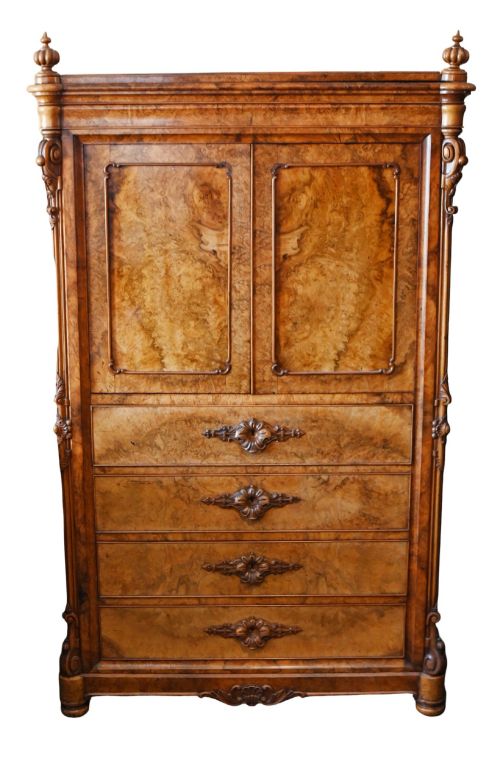
Antique burr wood furniture and boxes present swirling, knot-driven grain patterns that draw the eye across centuries of cabinetmaking.
Antique Burr Wood
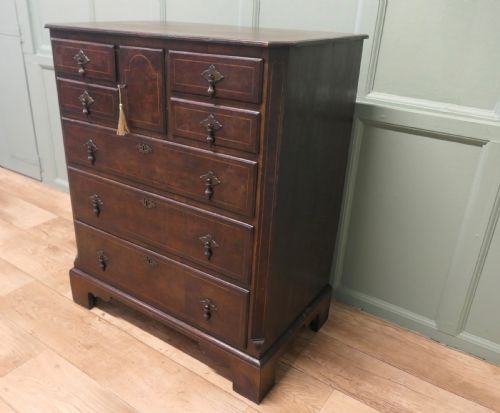
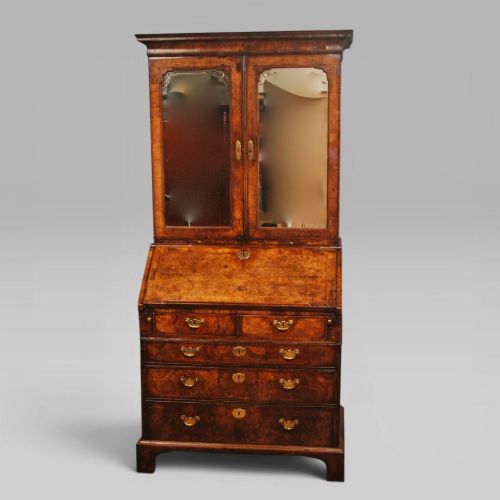
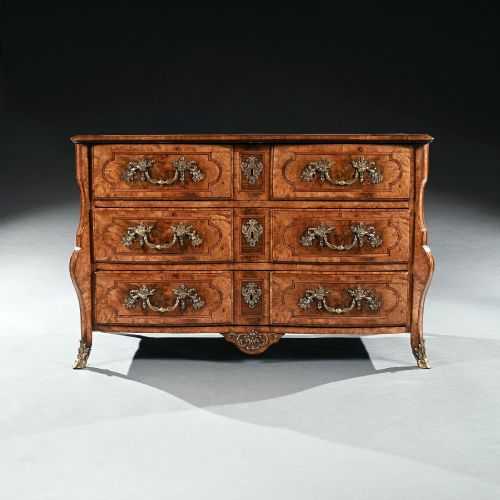
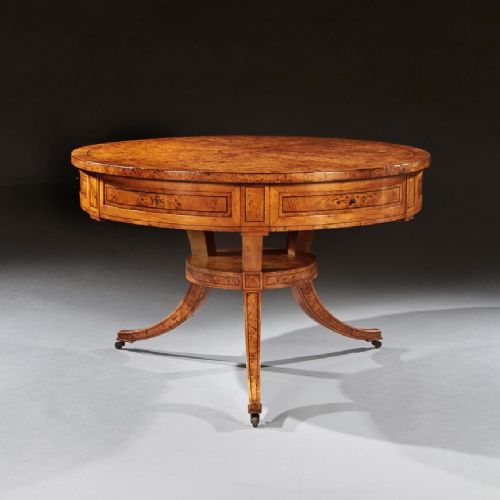
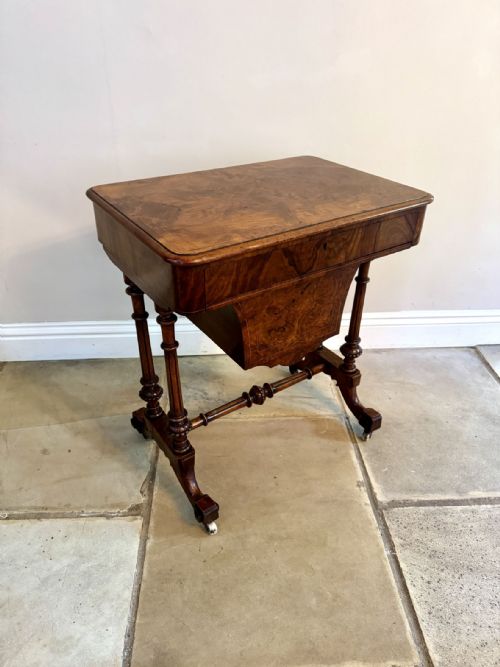
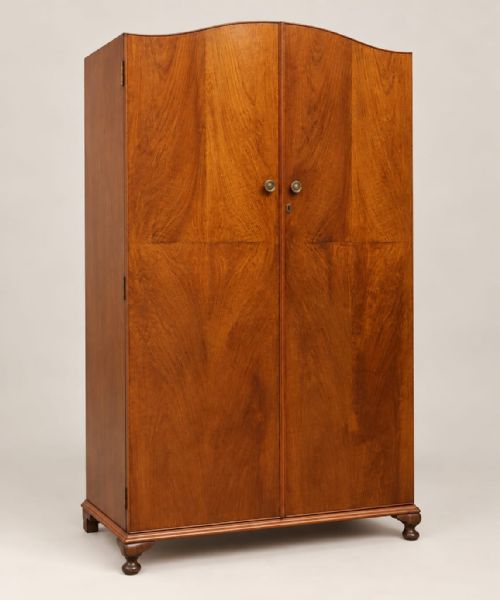
When you search for antique burr wood, you encounter furniture and decorative objects selected for their irregular, highly figured timber growths. These pieces range from compact tea caddies and occasional tables to large wardrobes, chests of drawers, and bureau bookcases.
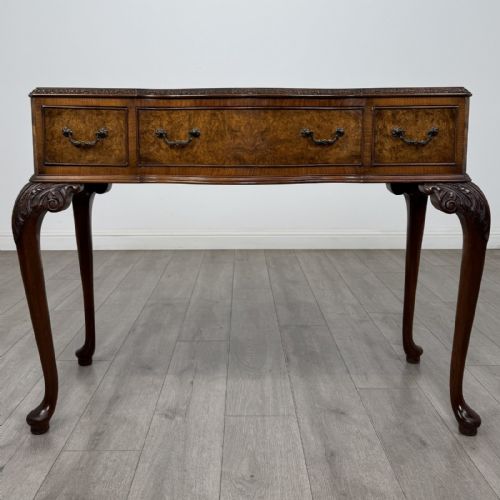
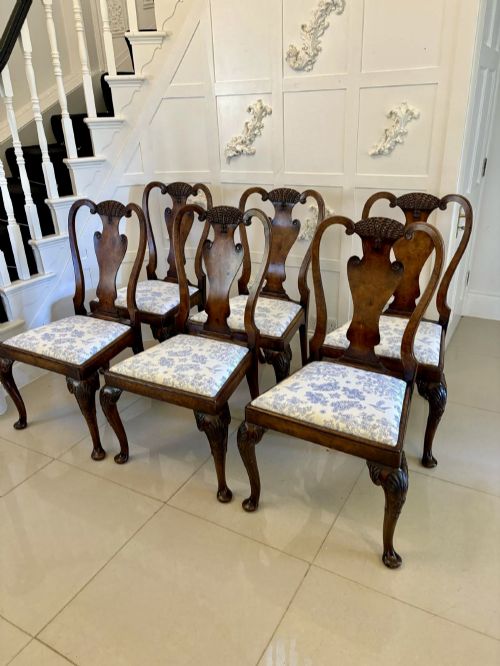
The selection here spans several centuries and styles, drawing heavily on Victorian and Edwardian examples alongside 18th Century Georgian and Queen Anne pieces. You will frequently meet tables, desks, and credenzas finished in rich walnut, alongside select items utilising burr maple, birch, elm, and yew.
Makers across England, France, and Scandinavia utilised these unusual growths to create striking visual focal points on functional household objects. The resulting items combine structural utility with complex, organic surface patterns formed by natural tree burls.
Materials and construction
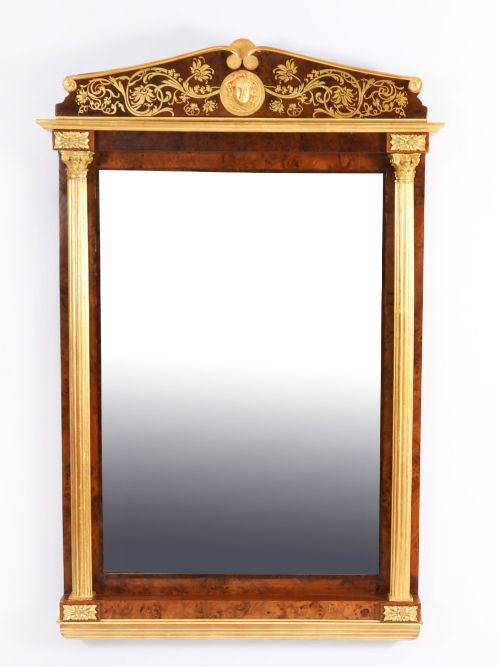
Makers typically applied thin slices of figured timber as veneers over more stable secondary woods such as oak or pine. This technique allowed cabinetmakers to display intricate grain patterns across large flat surfaces like tabletops and drawer fronts without risking the splitting associated with solid burr wood.
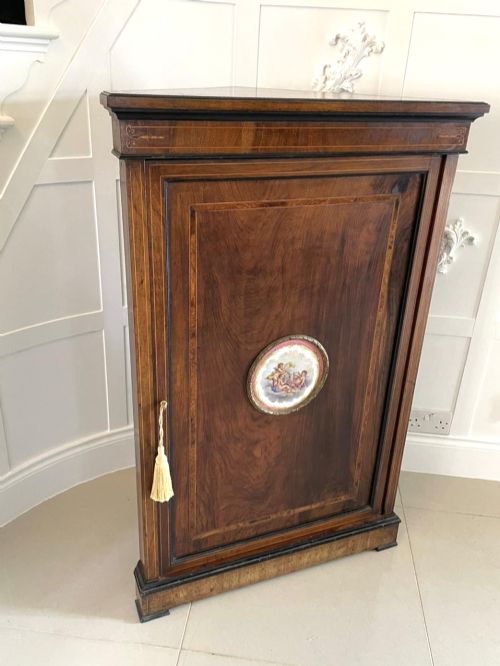
Craftsmen often incorporated secondary materials including brass hardware, mirror glass, mother of pearl, and bone details to complement the figured wood. Carved elements in solid walnut or parcel gilt often frame the veneered panels on mirrors, chairs, and console tables.
Recorded forms span functional items like occasional tables, writing desks, wardrobes, chests of drawers, and sewing tables.
Quality factors
Quality rests heavily on the density and movement of the grain pattern across the primary surfaces. Pieces featuring tight, continuous swirls command attention because selecting and matching these complex veneers required considerable skill from the cabinetmaker.
Construction methods and the preservation of original surfaces separate standard items from exceptional examples. Strong joinery, balanced proportions, and minimal restoration to the delicate veneer layer dictate the standing of each piece.
Thomas Hache of Grenoble·Tahan
The Antique Burr Wood Glossary
- Burr wood
- Timber harvested from a tree growth where the grain has grown in a deformed, swirling manner. This produces highly decorative patterns prized by cabinetmakers.
- Veneer
- A thin slice of figured wood applied to the surface of a stronger, more stable base timber. This method displays expensive grain patterns economically.
- Commode
- A low chest of drawers or cabinet standing on legs, popular in French and English interior schemes. They often feature prominent veneered fronts.
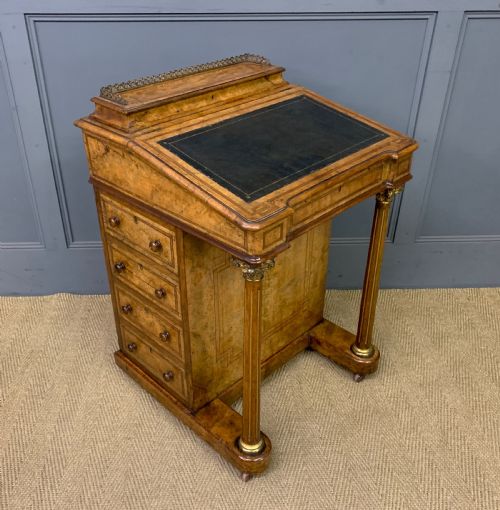
- Davenport
- A small pedestal desk featuring a sloping writing surface and drawers accessed from the side. Victorian examples frequently employ burr walnut.
- Bureau bookcase
- A writing cabinet with a sloping fall-front desk combined with upper shelving enclosed by doors. These units often display matched wood grains across the drop-front.
Antique Burr Wood: Frequently Asked Questions
What is burr wood?
Burr wood comes from a tree deformity or bough growth where hundreds of tiny bud knots have started to form. This irregular growth creates a dense, swirling pattern of rings and eyes when sliced.
Cabinetmakers slice these formations into thin veneers to display the complex grain across furniture surfaces.
How do I care for antique burr wood?
Keep wooden pieces away from direct sunlight and strong heat sources to prevent the underlying veneers from drying out or lifting. Maintaining stable room humidity protects the fragile timber.
Dust regularly with a dry cloth and apply a quality wax polish sparingly only when the finish appears dry.
Are these pieces made of solid burr?
Most antique items feature burr wood applied as a fine veneer over a stable secondary timber like oak or pine. Solid burr is structurally unstable and prone to severe warping.
Using veneers allowed makers to cover large areas safely while showcasing the decorative grain.
How do I date an antique burr wood piece?
Dating relies on examining the secondary timbers, construction joints, handles, and overall architectural style of the piece. Georgian, Victorian, and Edwardian items each employ distinct structural methods and design proportions.
Comparing the hardware and carcass construction against known period examples clarifies the age.