

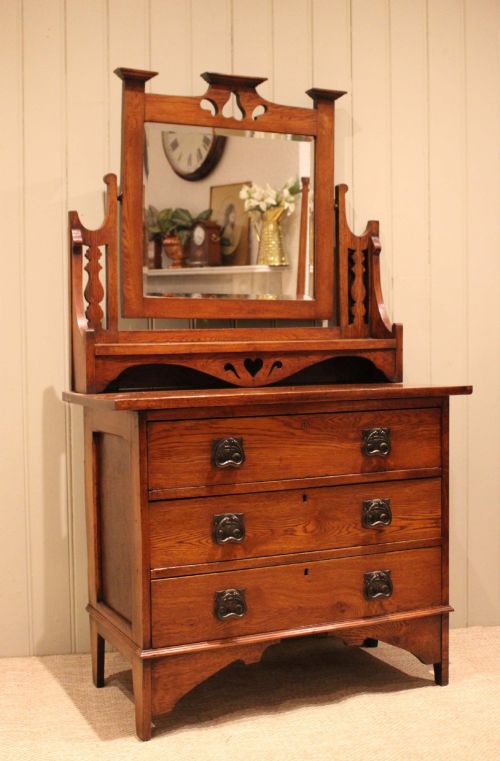
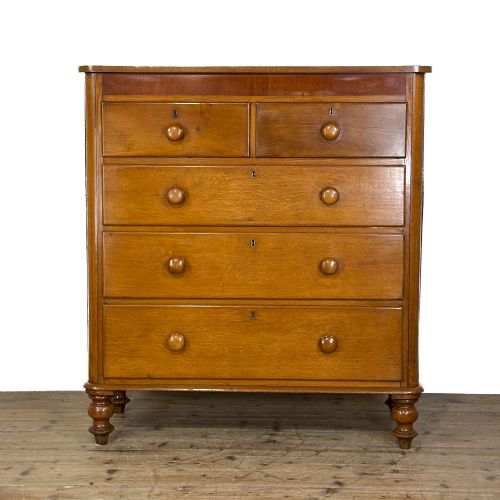
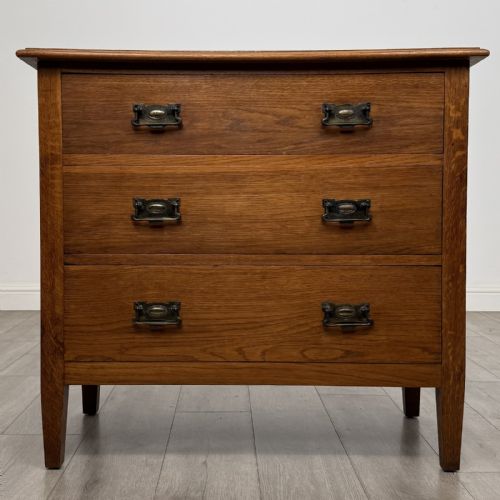
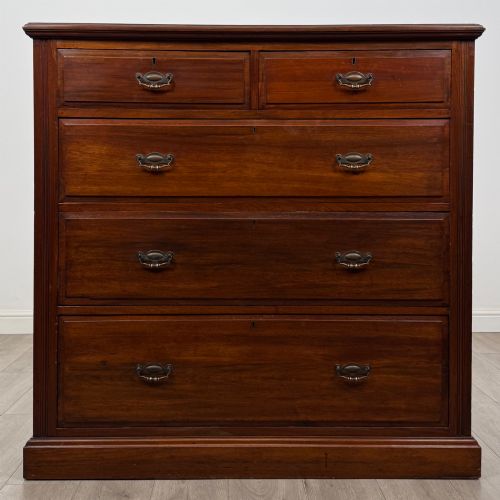

Antique Bureau Drawer Unit
These pieces for an antique bureau drawer unit bring solid utility and character to a room through time-tested craftsmanship.
Antique Bureau Drawer Unit
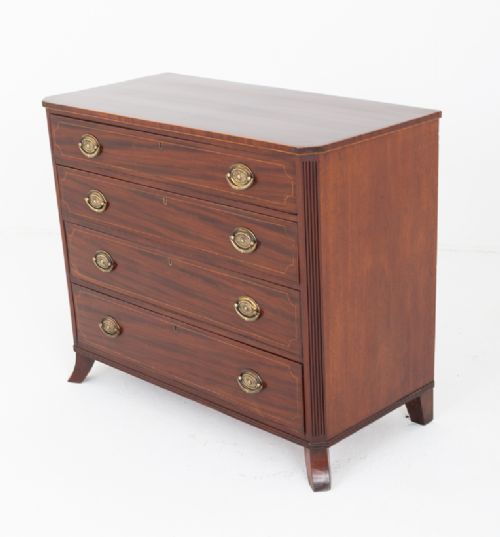
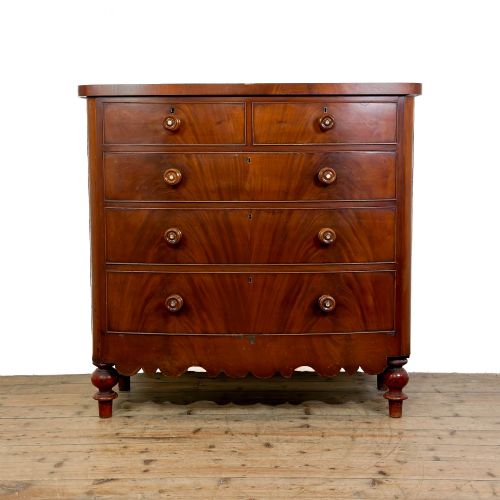
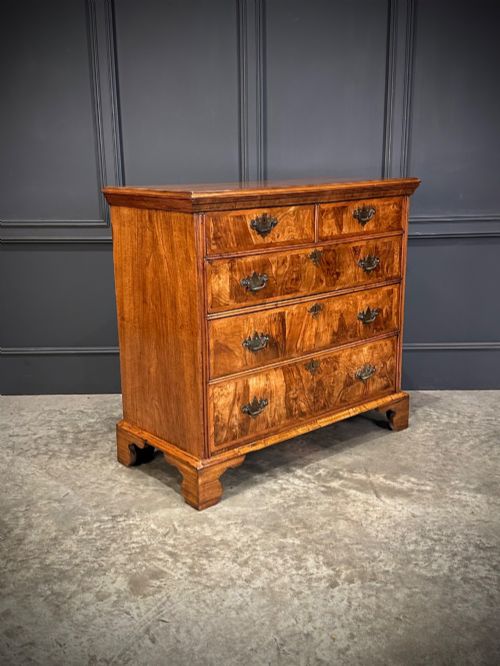
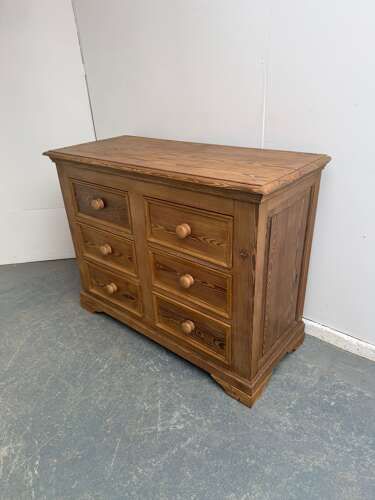
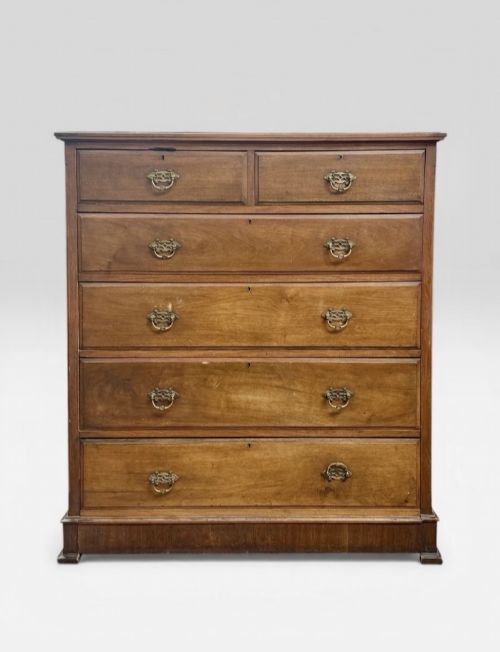
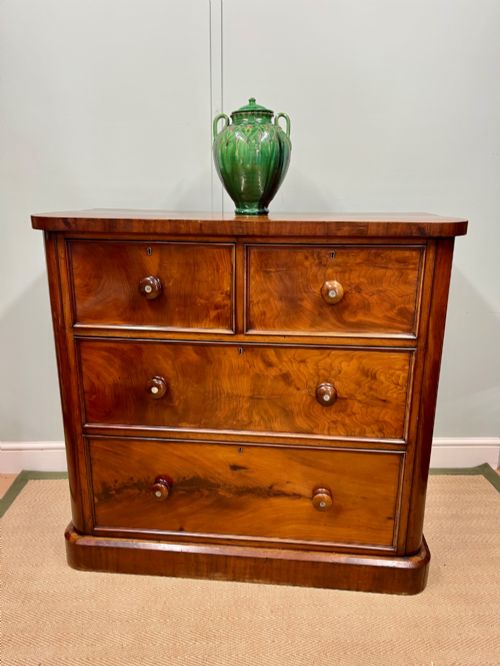
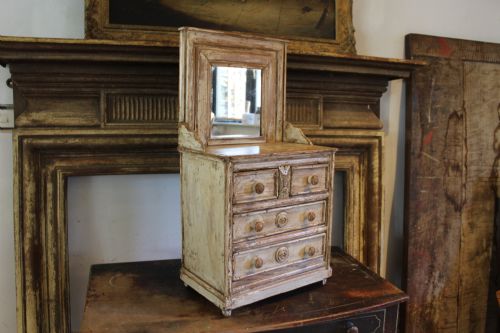
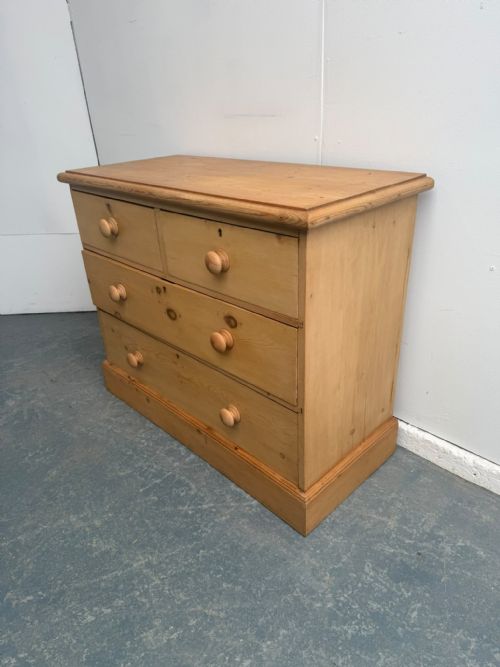
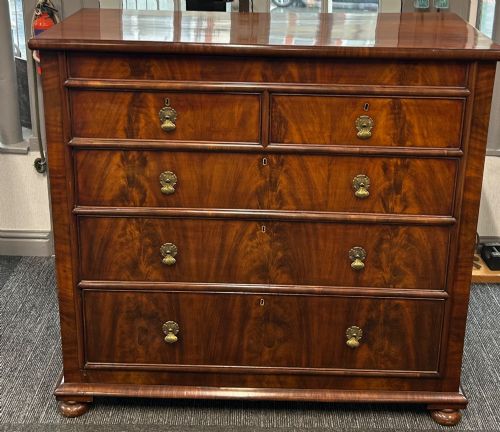
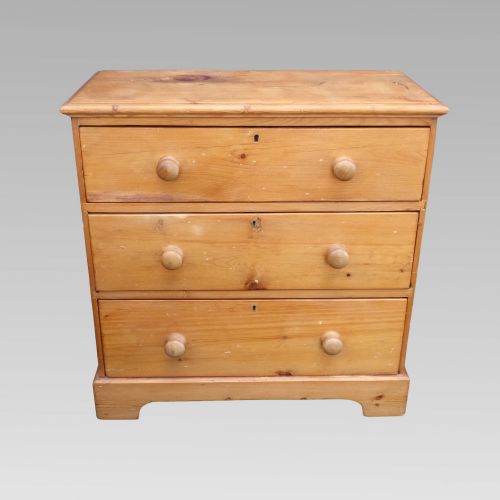
You will encounter pieces ranging from compact miniature apprentice chests to large storage units designed for bedrooms and living spaces. Mahogany and pine dominate the current offerings, alongside occasional examples in oak, walnut, and satin birch.
Stylistic influences vary from plain country workshop designs to formal Sheraton style pieces with detailed line inlay. These chests serve practical storage needs while bringing centuries of domestic history into a modern interior.
How they were made
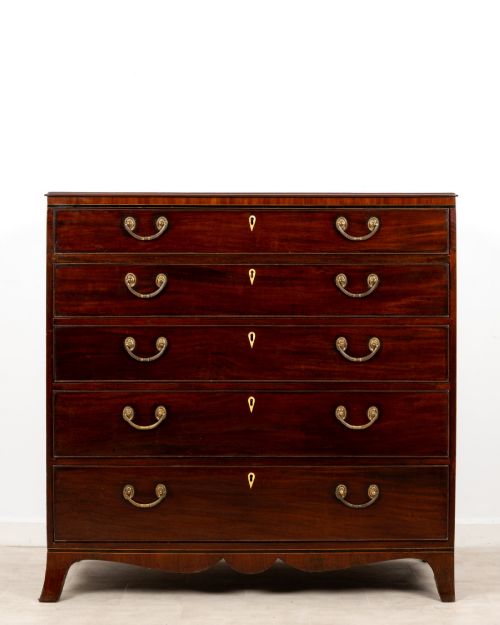
Cabinet makers relied on solid hardwoods such as mahogany and oak for high-end formal furniture, while utilising accessible softwood like pine for regional and country pieces. Flame mahogany veneer and satinwood line inlay provided decorative contrast on finer Georgian and Victorian surfaces.
Joinery techniques focused on durability, employing hand-cut dovetails for drawer construction and solid timber carcases to withstand daily use. Brass hardware, including drop handles and escutcheons, completed the assembly of these functional storage items.
Antique Bureau Drawer Unit Retail Price Guide 2026
Typical asking prices for bureau drawer unit among the pieces listed under this phrase on Sellingantiques today, from the lower quarter to the upper quarter. They describe what is for sale here now, not the wider market.
Listings feature items spanning the 18th Century, Georgian, Regency, Victorian, Edwardian, and 1900 periods, constructed in brass, mahogany, pine, glass, oak, and flame mahogany veneer.
What varies in quality
The choice of timber and veneer fundamentally separates standard utilitarian chests from high-status examples. Finely figured flame mahogany and crisp inlay demand superior carpentry skill compared to plain pine boards.
Proportion and execution define the hierarchy of these pieces. Well-balanced proportions, precise drawer fit, and thoughtful detailing distinguish superior cabinet work from basic regional production.
Harris Lebus of London
The Antique Bureau Drawer Unit Glossary
- Veneer
- A thin layer of finely figured wood applied to a secondary timber base to create a decorative surface pattern. Flame mahogany veneer is a notable example.
- Dovetail
- A traditional interlocking joint used in drawer construction to ensure durable corners without relying on metal fasteners. Hand-cut versions indicate older craftsmanship.
- Escutcheon
- A protective metal plate surrounding a keyhole on a drawer front, frequently cast in brass. It prevents the wood from splitting around the lock.
- Serpentine
- A gently curved front shape undulating inward and outward, typical of higher-status Georgian chests of drawers. This profile requires advanced woodworking skill to execute.
Antique Bureau Drawer Unit: Frequently Asked Questions
Can I use these in a modern bedroom?
These wooden storage units integrate smoothly into contemporary rooms by offering deep drawers and practical surface space. Their traditional timber tones bring warmth and texture to minimalist interiors.
Placing a period chest against a neutral wall highlights its grain and proportion. They serve as functional bedside or clothing storage solutions.
What is the difference between pine and mahogany?
Pine is a softwood commonly found in regional Victorian and country pieces, often finished with wax or stripped to a pale tone. Mahogany is a dense hardwood favoured for formal Georgian and Victorian furniture.
Mahogany accepts a deeper polish and allows for finer decorative details like veneer and inlay. Pine offers a robust, rustic character suited to informal spaces.
How should I maintain the wood surface?
Regular dusting with a dry cloth prevents dirt accumulation on antique timber and veneer surfaces. Applying a quality beeswax occasionally nourishes the wood without building up heavy chemical residues.
Keeping pieces away from direct heat sources prevents the timber and veneer from splitting. Gentle care preserves the original finish and patina.