




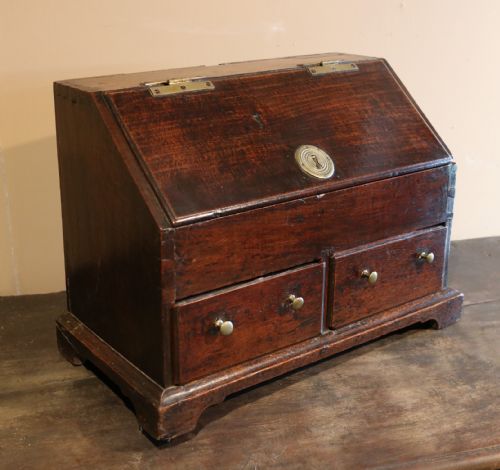


Antique Bureau Box
An antique bureau box offers a compact workspace for correspondence, bringing centuries of craftsmanship and writing history straight to your desktop.
Antique Bureau Box
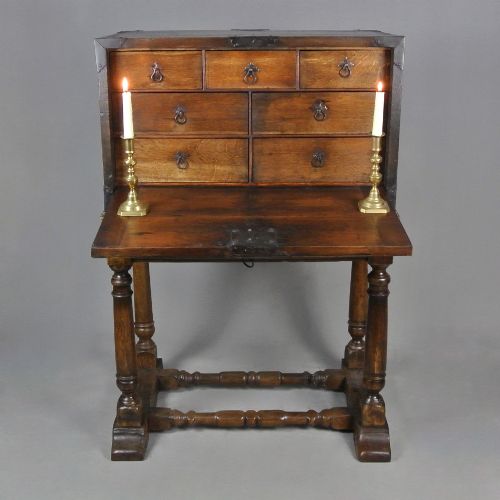
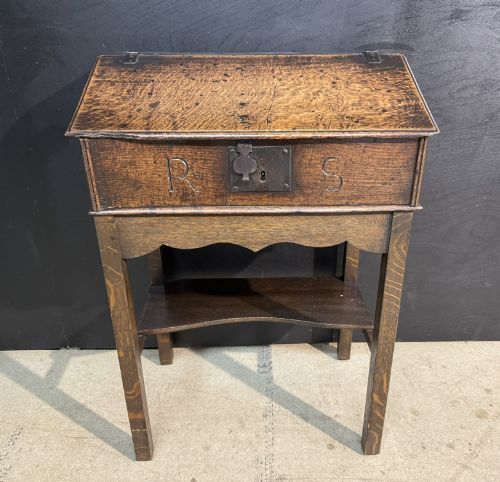
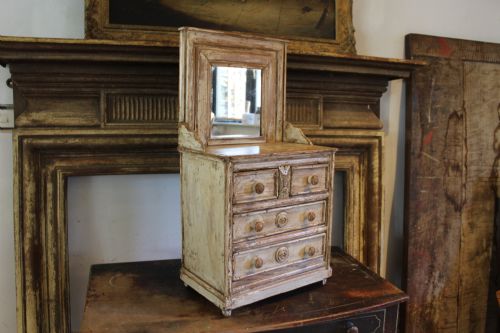
When buyers search for an antique bureau box, they look for portable or table-top writing containers that combine compartments for paper with a sloping writing surface. These pieces range from early oak strong boxes and table-top bureaux to miniature desks and stationary cabinets.
The selections span multiple eras, including the seventeenth century, Georgian period, and nineteenth century. Forms vary from simple oak slant-lidded boxes to walnut table-top pieces and marquetry examples.
How they were made
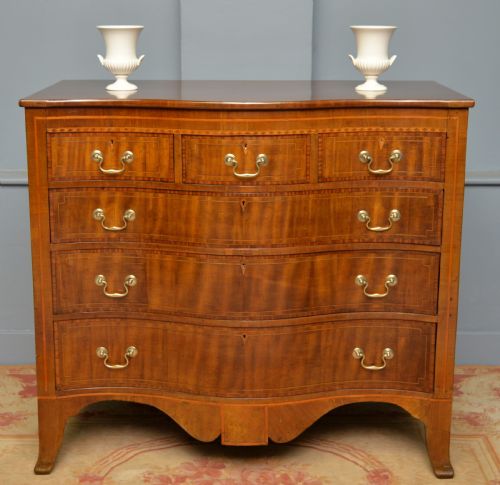
Cabinet makers utilised dense hardwoods such as oak, mahogany, walnut, fruitwood, and satinwood to construct these functional boxes. Surfaces often feature intricate inlay work, parquetry, or marquetry details.
Hardware typically incorporates brass handles and iron fittings, while internal arrangements include glass elements or specialised compartments for stationery and writing accessories.
Antique Bureau Box Retail Price Guide 2026
Typical asking prices for bureau box among the pieces listed under this phrase on Sellingantiques today, from the lower quarter to the upper quarter. They describe what is for sale here now, not the wider market.
Apprentice pieces allowed young woodworkers to demonstrate their mastery of miniature dovetails before tackling full-sized furniture.
What varies in quality
Quality rests in the selection of timbers, such as fiddleback mahogany or figured walnut, and the precision of the joinery. Early seventeenth-century examples rely on robust oak construction and simple iron mounts, whereas later pieces display finer decorative veneers.
The complexity of the internal arrangement and the crispness of any parquetry or marquetry ornamentation separate standard utility boxes from superior cabinet work.
The Antique Bureau Box Glossary
- Bureau
- A desk with a sloping lid for writing, often containing pigeonholes and small drawers inside. Table-top versions sit upon a surface rather than standing on legs.
- Marquetry
- The art of forming decorative patterns by fitting together small pieces of wood veneer of different colours and grains. This technique appears on Dutch and English cabinet work.
- Parquetry
- A geometric mosaic of wood pieces used for decorative floors or furniture surfaces. It creates striking patterns on miniature desks and boxes.
- Writing Slope
- A portable box with a slanted lid that opens to provide an angled surface for writing. They frequently house inkwells and compartments for stationery.
- Strong Box
- A heavily constructed security box, often made of oak with iron reinforcements, designed for holding valuables and documents.
Antique Bureau Box: Frequently Asked Questions
What is an antique bureau box?
An antique bureau box is a portable or table-top container designed for writing letters and storing stationery securely. These pieces feature a sloping lid that opens to reveal internal compartments and small drawers.
Craftsmen built them in various timbers like oak, mahogany, and walnut across the seventeenth, eighteenth, and nineteenth centuries.
How were bureau boxes used?
Owners utilised these boxes to keep writing paper, ink, quills, and correspondence organised in an era before fitted studies were common. They sat upon tables or desks and could be closed and locked to protect private documents.
Some designs doubled as dressing cases or jewellery boxes for travel or domestic use.
How do I date an oak bureau box?
Dating relies upon examining construction methods, timber choice, and hardware styles. Seventeenth-century pieces often display heavy oak framing with iron mounts, while eighteenth-century examples show refined dovetailing and mahogany veneers.
Stylistic cues such as William and Mary or Georgian tastes further clarify the period of manufacture.
Where should I place a bureau box in my home?
These boxes suit placement on top of chests of drawers, side tables, or desks where their timber surfaces can be appreciated. Because many versions feature finished backs or compact proportions, they fit easily into living spaces and studies.
Keeping them away from direct sunlight protects the delicate veneers and polished timber finishes.