


Antique Brush Slide Chest
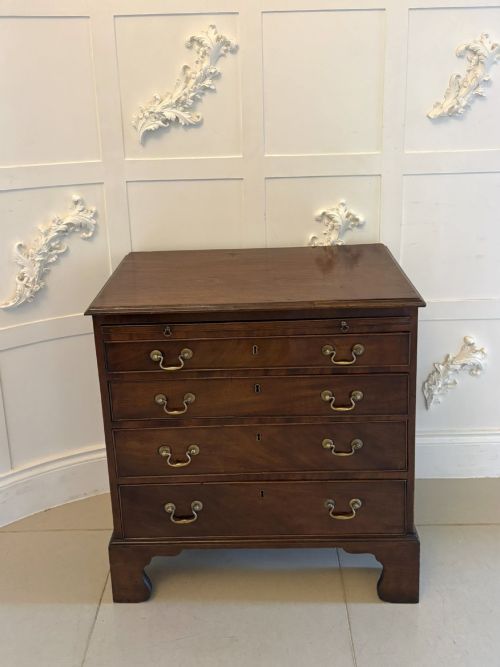
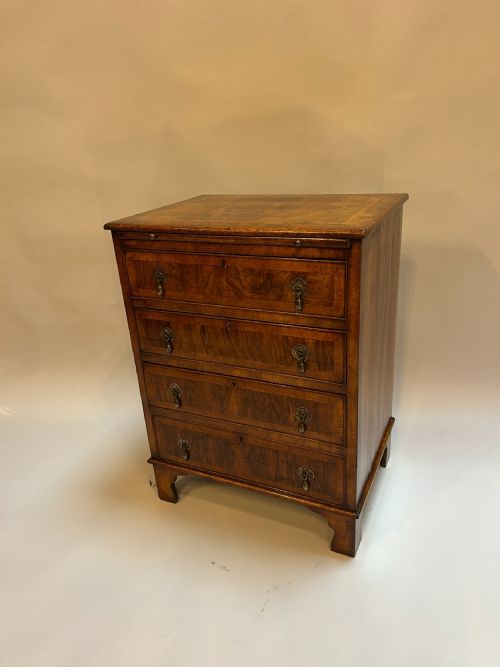
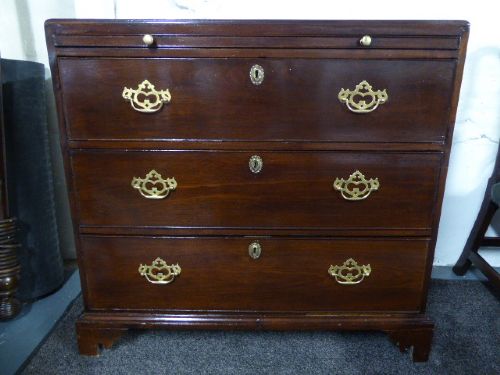
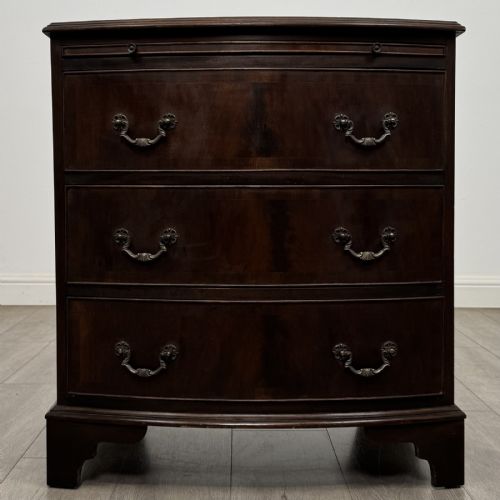
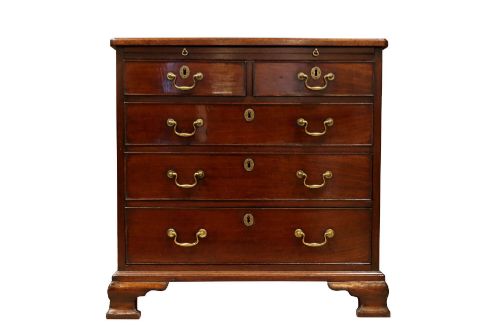
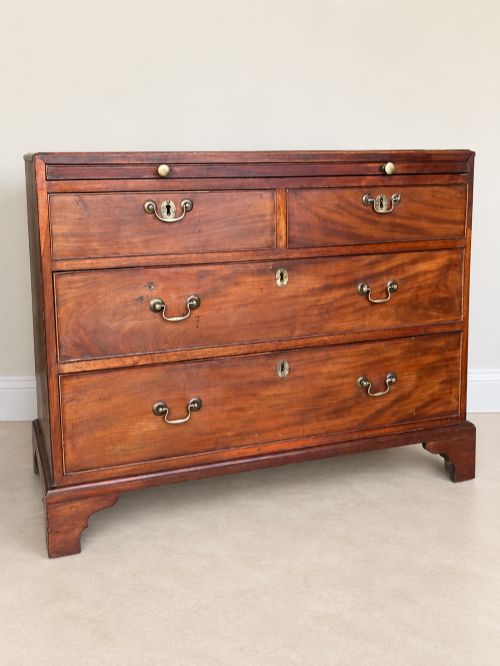
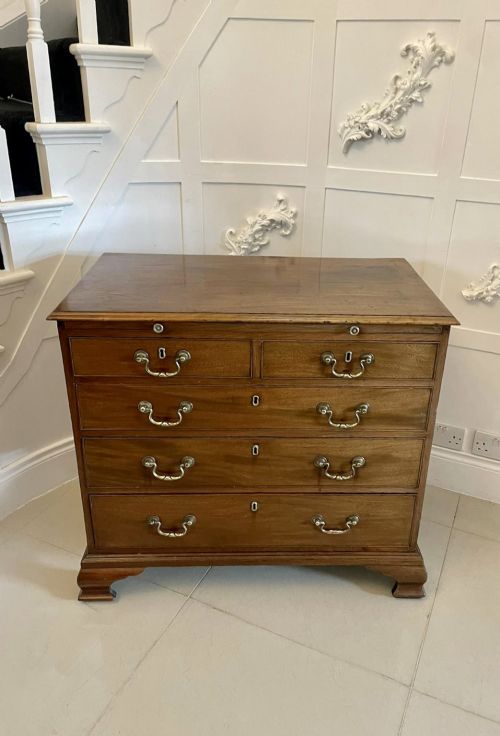
When you handle an antique brush slide chest, you encounter a compact storage piece featuring a pull-out shelf designed for writing or dressing.
Antique Brush Slide Chest
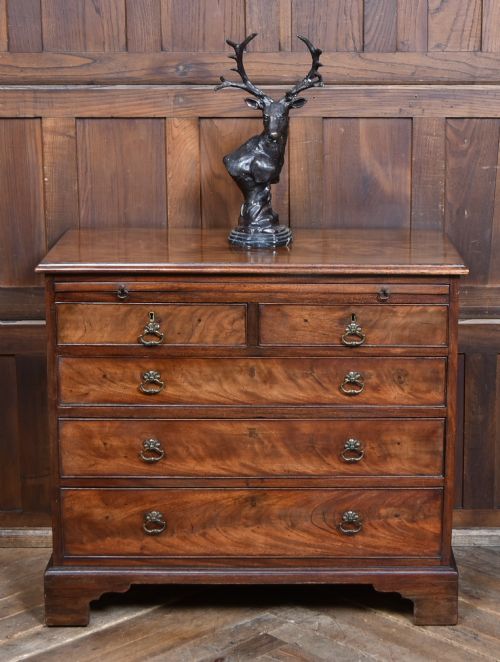
An antique brush slide chest combines standard drawer storage with a pull-out shelf known as a brushing slide. These pieces appear primarily in eighteenth-century and nineteenth-century forms, originating from periods such as the Georgian era.
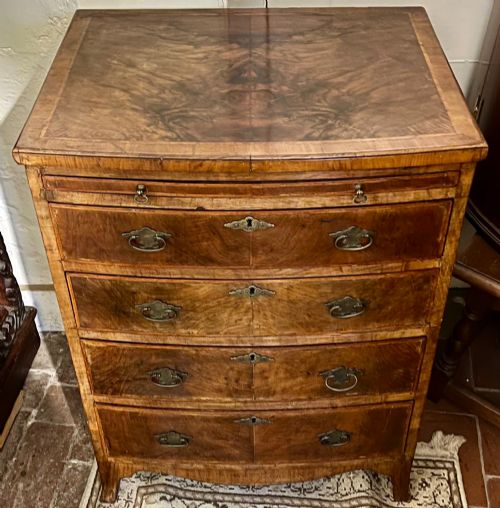
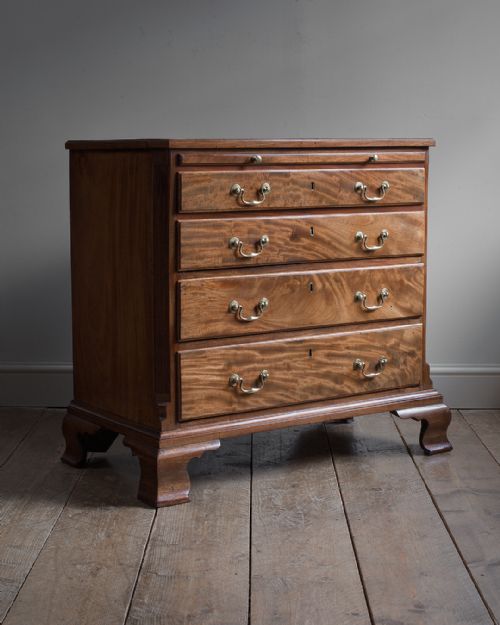
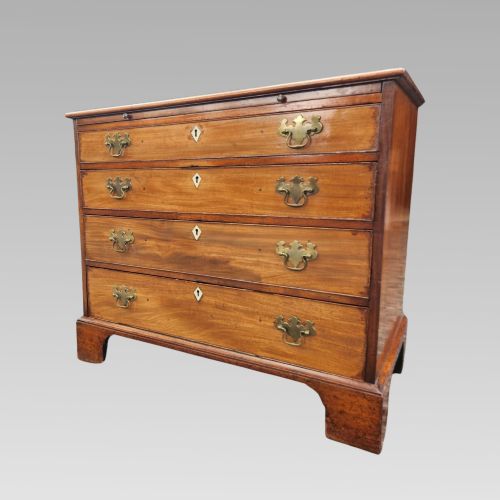
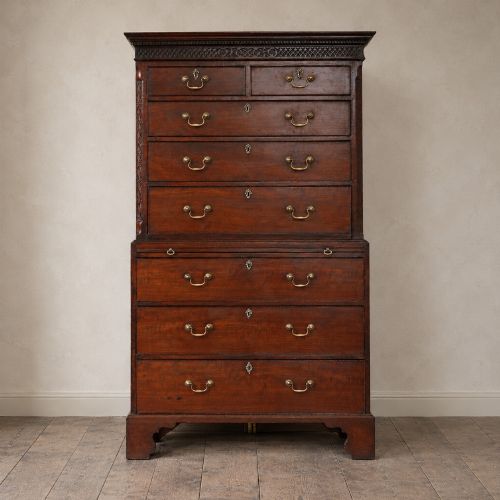
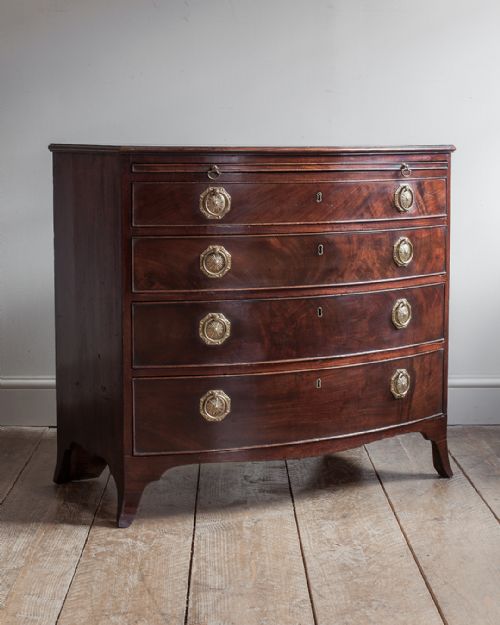
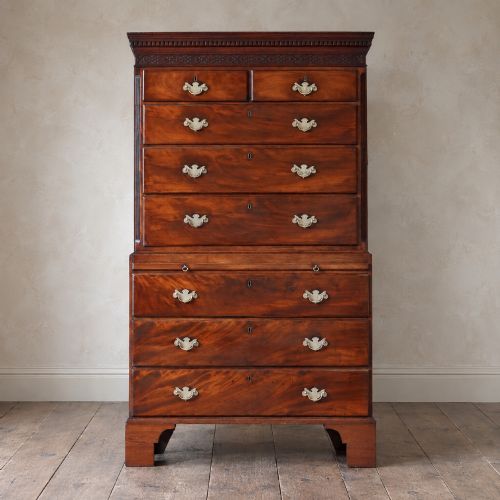
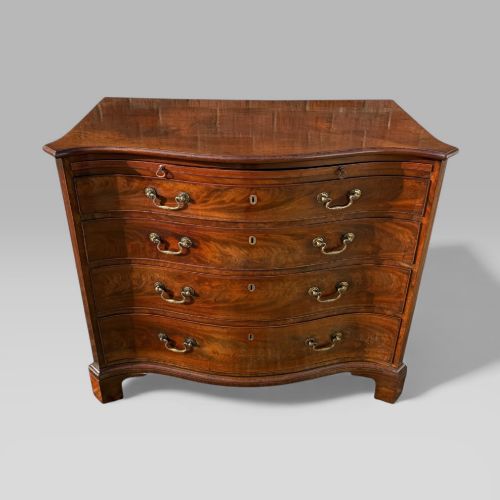
The most common version on this page is the compact mahogany bachelor chest, alongside larger chest-on-chest formats and serpentine-shaped designs. Makers across the eighteenth, nineteenth, and early twentieth centuries constructed these primarily as space-saving bedroom or dressing furniture.
Distinguishing Quality
The standard of timber selection heavily influences the overall appeal, with finely figured flame mahogany or matched burr walnut representing superior craftsmanship. Untouched original surfaces and retained patina demonstrate historical integrity that heavily distinguishes better examples.
Structural harmony also matters greatly, visible in the precise alignment of drawer tiers, tight joinery, and the smooth operation of the brushing slide within its runners.
Antique Brush Slide Chest Retail Price Guide 2026
Typical asking prices for brush slide chest among the pieces listed under this phrase on Sellingantiques today, from the lower quarter to the upper quarter. They describe what is for sale here now, not the wider market.
Listings feature woods such as mahogany, walnut, burr walnut, rosewood, and oak across the Georgian, Victorian, and Edwardian eras.
Druce And Co
The Antique Brush Slide Chest Glossary
- Brushing slide
- A pull-out shelf integrated into the top section of a chest, historically utilised for folding garments or writing.
- Bachelor chest
- A compact chest of drawers featuring a pull-out slide, traditionally scaled for smaller chambers.
- Serpentine
- A front profile characterised by a central convex curve flanked by two concave curves.
- Chest on chest
- A tall storage unit composed of a larger lower chest supporting a slightly smaller upper chest.
- Flame mahogany
- A veneer cut from the fork of a mahogany tree that produces a distinct, fiery wave pattern.
Antique Brush Slide Chest: Frequently Asked Questions
What was a brushing slide used for?
The pull-out shelf served as a convenient surface for brushing clothes, folding garments, or writing short notes without needing a separate desk.
Owners in the eighteenth and nineteenth centuries utilised this ledge in dressing rooms and bedchambers where space remained limited.
How do I date an antique chest?
Examining the secondary timbers, construction methods, and drawer dovetailing helps determine the approximate period of manufacture.
Changes in hardware styles and veneer choices across the Georgian, Victorian, and Edwardian eras offer further clues to the exact decade.
Where should I place a bachelor chest?
These compact chests fit easily into hallways, living rooms, or bedrooms as alternative storage solutions to larger sideboards.
The pull-out slide provides functional surface area when needed, then pushes flush into the frame to save floor space.
What woods were used for these chests?
Cabinetmakers relied heavily on durable timbers like mahogany, walnut, and oak for structural stability and longevity.
Exotic veneers and decorative inlays such as satinwood were added to the exterior faces to enhance visual depth.