




Antique Brush Pot
An antique brush pot brings the quiet focus of the scholar's studio straight to the desk.
Antique Brush Pot
An antique brush pot serves as a traditional vessel for holding calligraphy brushes upon a desk. The pieces found here span from the seventeenth century through to the Edwardian era, taking the form of upright cylinders, washers, and associated desk accessories.
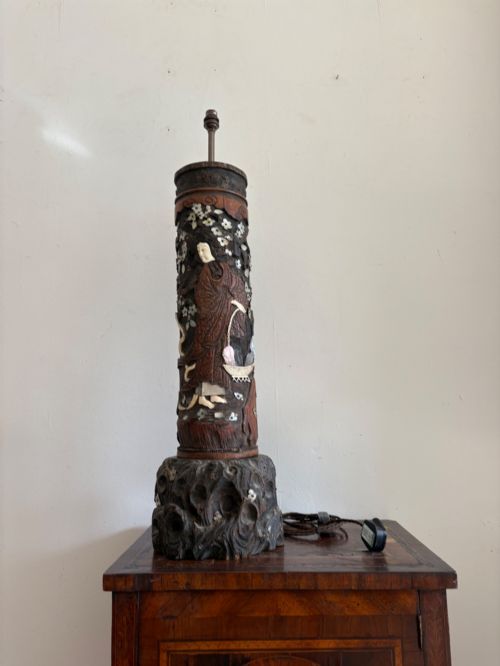
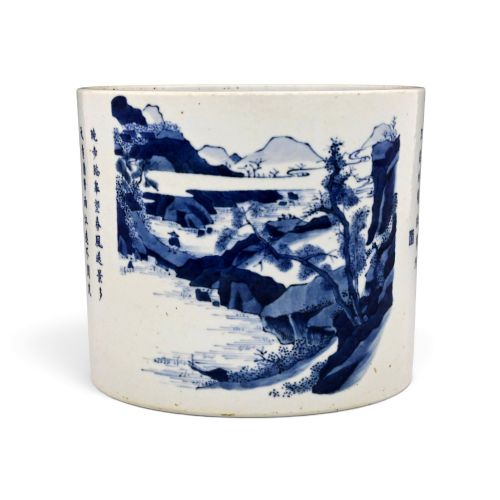
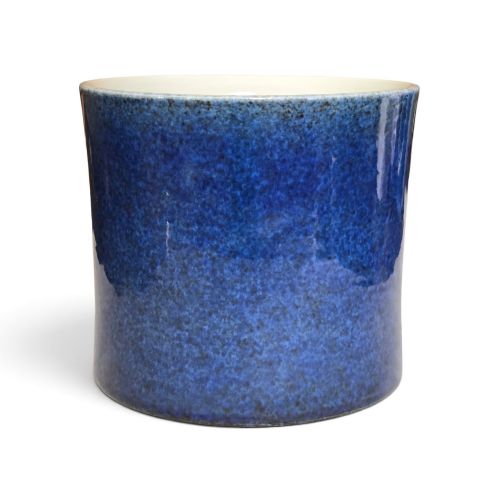
The most common examples on this page are carved from bamboo or rendered in porcelain, originating from Chinese Qing dynasty workshops or Japanese Meiji period studios. These cylindrical containers reflect the utilitarian needs of scholars who required orderly workspaces for their writing implements.
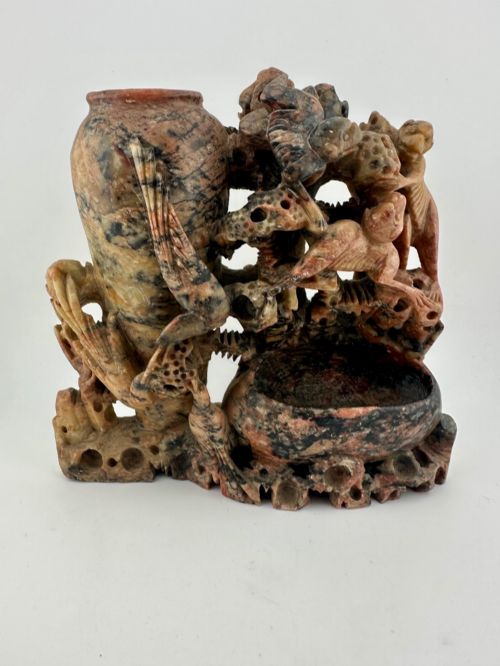
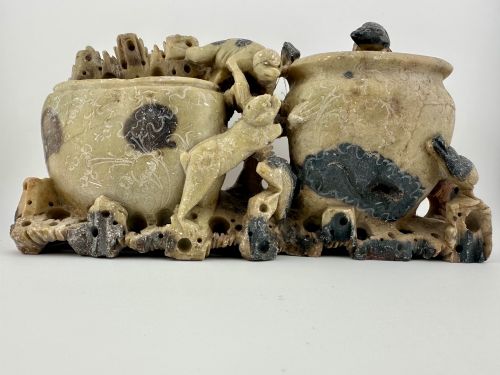
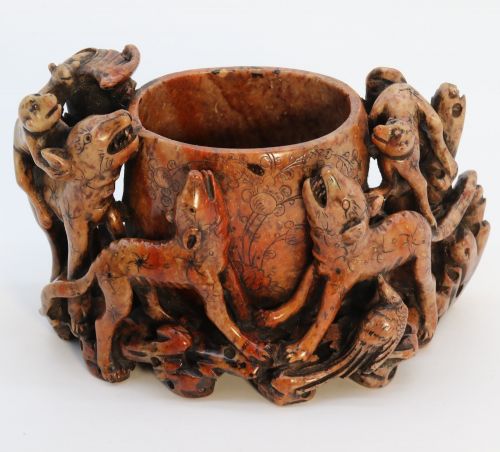
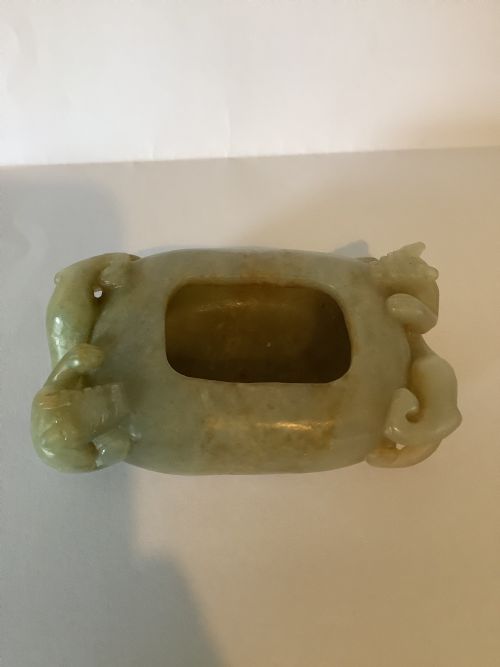
Makers shaped these objects from organic and mineral substances alike, yielding vessels that range from simple turned timber to intricately pierced soapstone. Each piece provides a tangible link to the material culture of East Asian writing rooms.
Evaluating craftsmanship
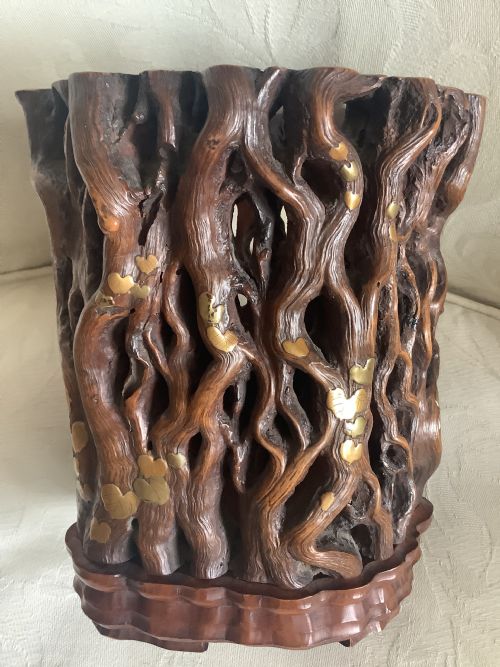
Quality rests entirely upon the depth of the carving and the control of the medium, separating deeply undercut, expressive scholar's pieces from flat, mechanical decoration. Superior bamboo and hardwood pots display crisp edges where high-relief figures detach cleanly from the body.
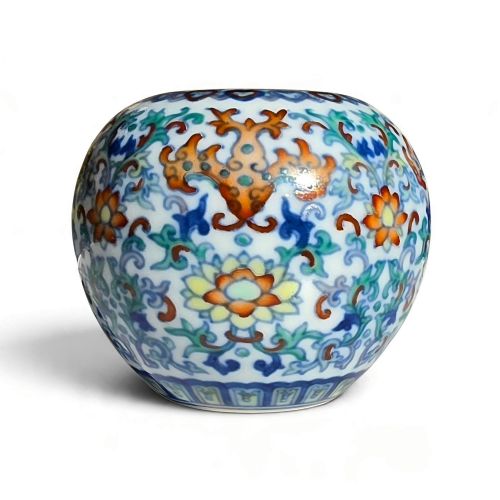
In ceramic examples, the refinement of the glaze and the precision of the cobalt or enamel painting determine the tier of the piece. Master works achieve a balanced composition that uses the natural constraints of a cylindrical surface without crowding the pictorial space.
Antique Brush Pot Retail Price Guide 2026
Typical asking prices for brush pot among the pieces listed under this phrase on Sellingantiques today, from the lower quarter to the upper quarter. They describe what is for sale here now, not the wider market.
Listings feature vessels produced in porcelain, bamboo, hardwood, silver, soapstone, glass, and bronze across the seventeenth to twentieth centuries.
Asprey
The Antique Brush Pot Glossary
- Bitong
- A traditional Chinese cylindrical brush pot designed for a scholar's desk. This form is typically taller than it is wide to support long-handled calligraphy brushes upright.
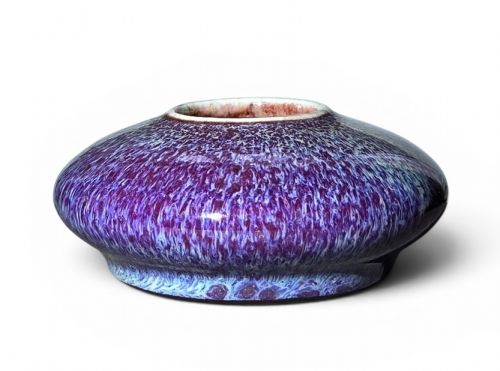
- Flambé
- A streaked, variegated high-fired glaze produced by regulating kiln atmospheres during the firing process. It creates unpredictable runs of copper reds and purples across the ceramic surface.
- Meiji Period
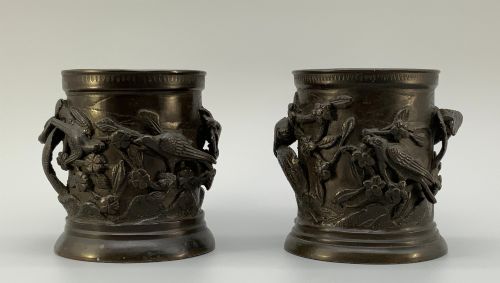
- The era of Japanese history spanning from 1868 to 1912, noted in these listings for accomplished bronze and mixed-metal casting. Artisans during this time produced decorative wares that combined traditional foundry skills with new export markets.
- Qing Dynasty
- The final imperial dynasty of China, ruling from 1644 until 1912. Objects from this prolonged period encompass both restrained scholarly carvings and brightly enamelled porcelain wares.
- Soapstone
- A soft, talc-based metamorphic rock that is easily carved into detailed figures and vessels. Its soapy texture allows for smooth polishing and intricate undercutting.
Antique Brush Pot: Frequently Asked Questions
How do I distinguish bamboo from wood?
Bamboo exhibits distinct horizontal node rings and a fibrous cellular structure when viewed closely under magnification. Hardwoods display natural growth rings and a heavier, more uniform weight.
Examining the base and interior walls usually reveals the characteristic hollow tubular nature of bamboo versus the solid turned construction of timber.
What periods do these pieces come from?
The inventory spans several centuries, reaching back to late seventeenth-century Qing dynasty porcelain through to nineteenth-century Meiji bronzes and Edwardian silver pieces. Most material dates from the eighteen-hundreds and early nineteen-hundreds.
Stylistic markers such as famille rose enamels or specific glaze types help anchor each item within its historical era.
How should I clean a carved bamboo pot?
Maintenance requires only a soft, dry brush to gently sweep away dust from the recessed areas of the carving. Avoid using water, soap, or chemical polishes, as moisture can cause old organic material to split.
Keeping the vessel away from direct sunlight and extreme humidity changes preserves the natural patina of the wood.