

Antique Brown Glaze China
Antique brown glaze china pieces bring warmth and refined domestic tradition to an interior through their rich, earthy surfaces.
Antique Brown Glaze China
When you search for antique brown glaze china, you seek domestic ceramics finished in deep, lustrous earth-toned coatings. The pieces presented here encompass functional vessels and decorative table items originating across multiple historical eras.
The selections you encounter span the Victorian and Edwardian periods alongside earlier examples. Collectors frequently find earthenware and stoneware items displaying varying depths of brown coloration, from warm chestnut to deep chocolate tones.
Materials and production methods
Makers utilised natural clay bodies shaped by hand or on the potter's wheel before applying liquid mineral slips or glaze formulations. Firing took place in traditional kilns where temperature fluctuations created subtle variations in the surface sheen.
Glaze application required steady hands and precise chemical mixtures to achieve even coverage across intricate moulded details or smooth thrown surfaces.
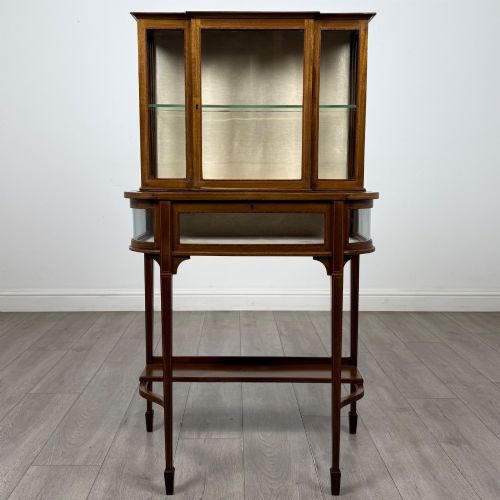
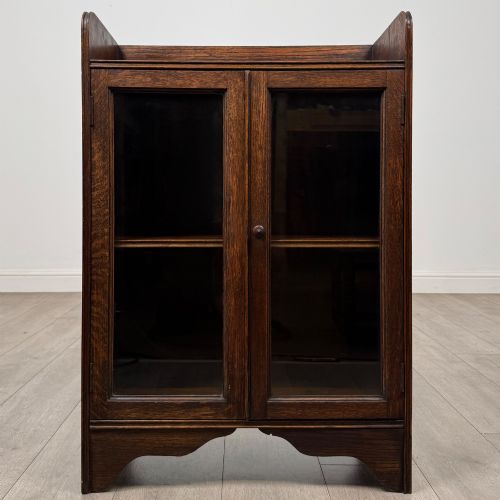
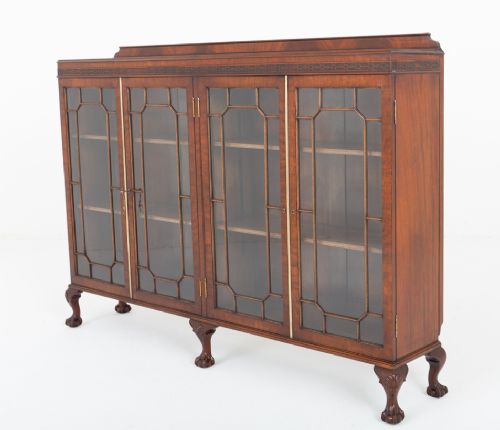
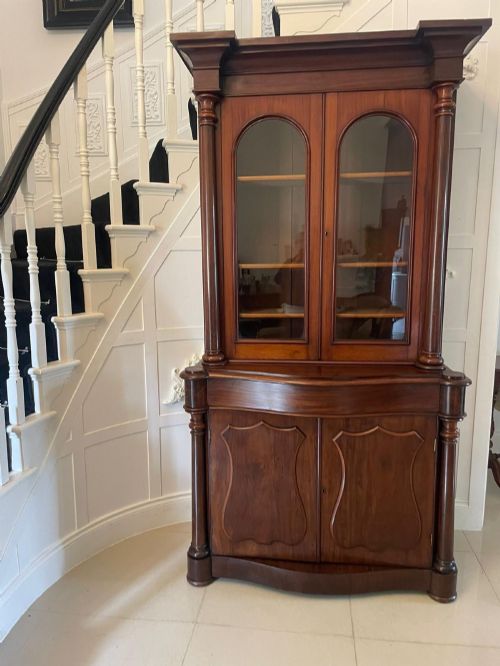
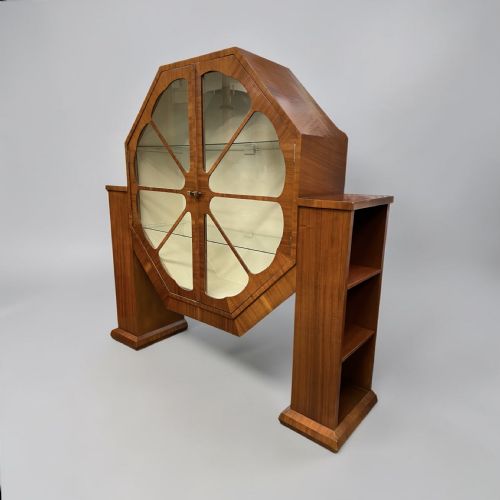
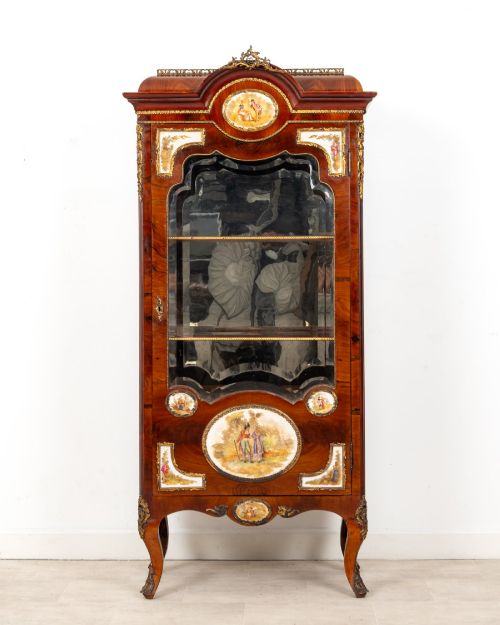
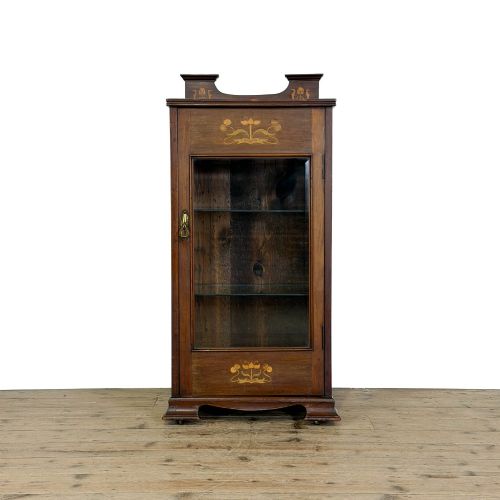
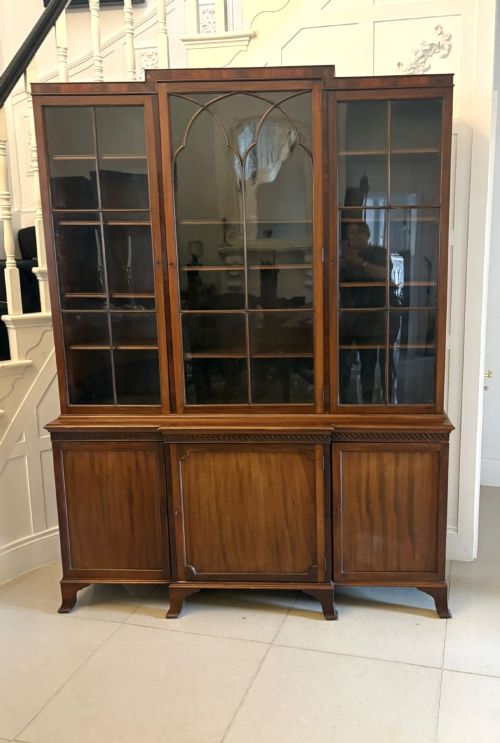
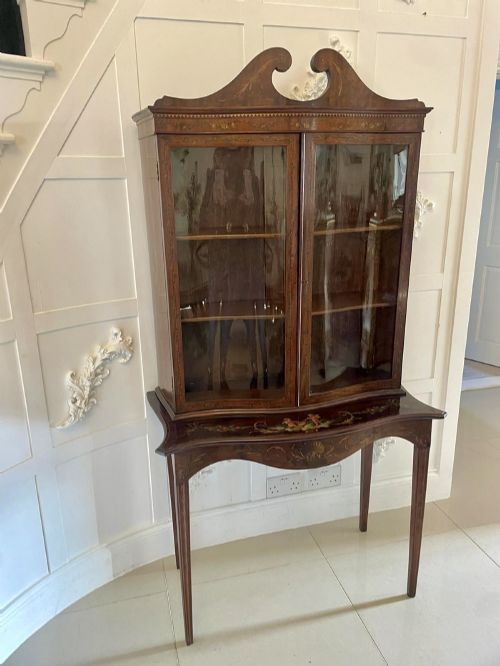
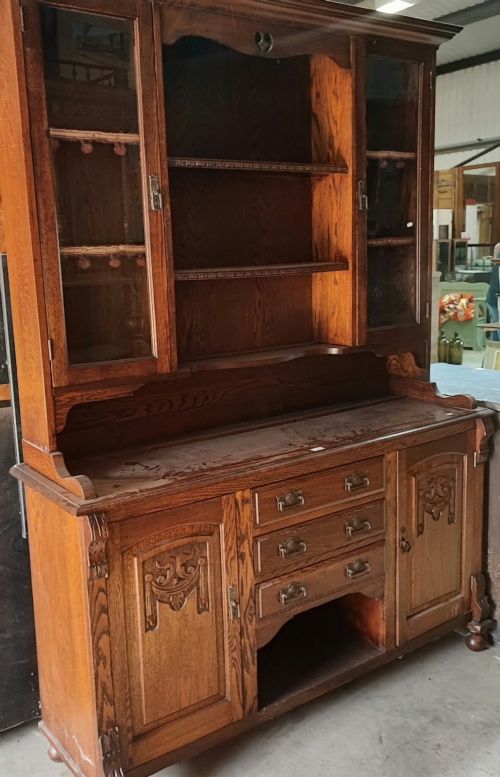
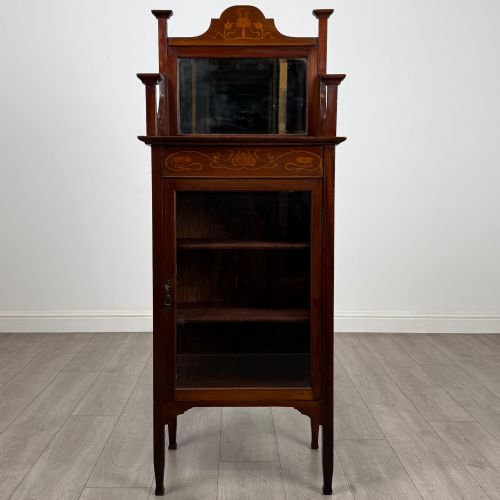
Listings feature items from the 18th Century through to the 1930s, utilising materials such as mahogany, oak, and walnut.
Assessing quality in ceramic glazes
Superior examples display an even, rich depth of colour across the entire vessel without dry patches or pooling in the recesses. The quality of the underlying clay body dictates the crispness of moulded details and the overall weight of the piece.
Finer specimens retain their original surface gloss and show minimal glaze crazing from the firing process. Artisanal control over the kiln environment separates standard utility wares from exceptional decorative items.
Collinson & Lock·Edwards & Roberts·Maple & Co.
The Antique Brown Glaze China Glossary
- Glaze
- A glassy coating fused to ceramic pottery by heat to make it impermeable to liquids and give it a smooth decorative finish.
- Slip
- Liquid clay suspension applied to pottery before firing to smooth the surface or create contrasting decorative patterns.
- Earthenware
- Porous pottery fired at lower temperatures, commonly used for traditional domestic vessels and kitchen wares.
- Crazing
- A network of fine cracks in the glazed surface of a ceramic piece, caused by unequal rates of expansion and contraction during cooling.
Antique Brown Glaze China: Frequently Asked Questions
How do I clean antique brown glaze china safely?
Wash ceramic items gently by hand using lukewarm water and a mild detergent, avoiding harsh scrubbing brushes that might scratch the glaze.
Dry each piece thoroughly with a soft lint-free cloth before returning it to display shelving.
Can I use these antique ceramics for food?
Many older ceramic glazes contain historical materials that are no longer recommended for serving acidic foods or daily dining.
Treat delicate historic vessels as decorative display objects to preserve their fragile surfaces.
What caused the crazing on my brown glaze china?
Crazing occurs naturally over time when the outer glass layer and the inner clay body shrink at different rates.
This network of fine lines often indicates genuine age rather than a modern reproduction.
Where should I display my ceramic pieces?
Position your ceramics away from direct sunlight and sudden temperature changes to protect the fragile glaze from fading or further stress.
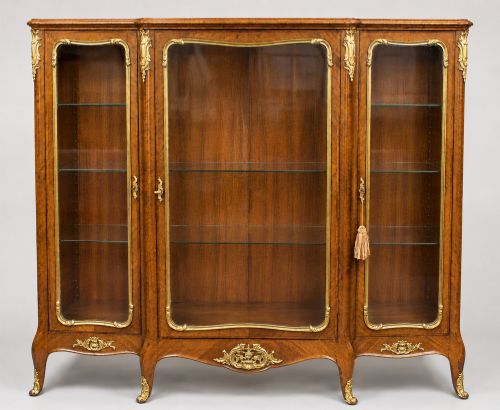
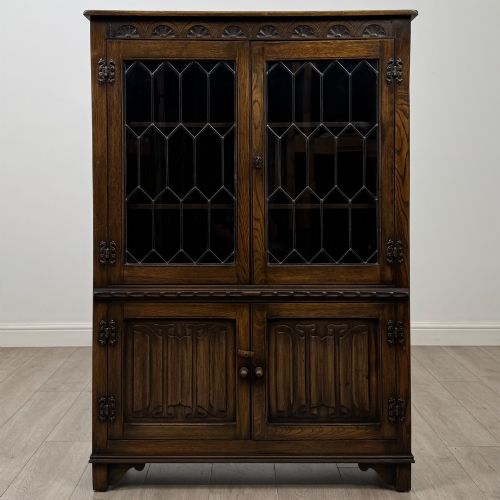
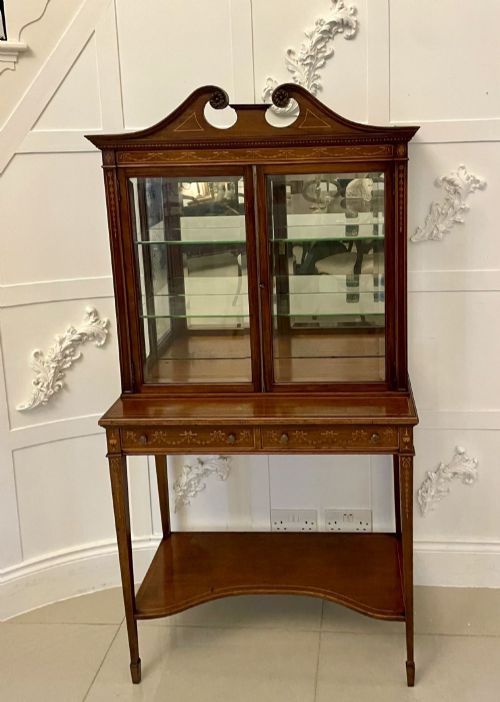
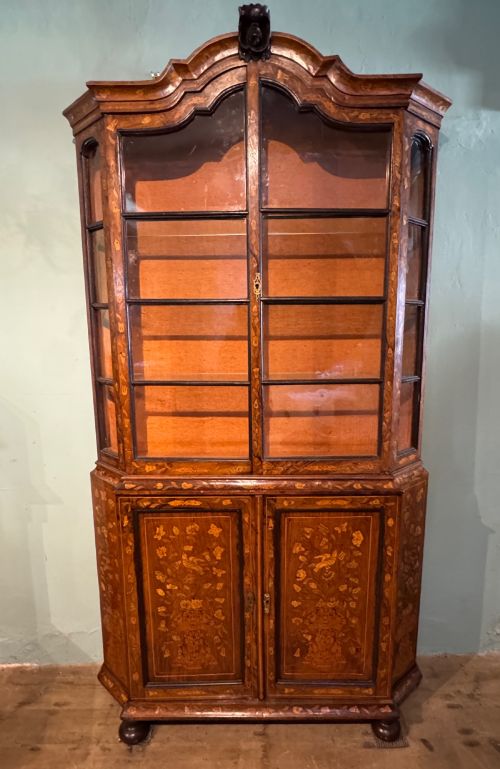
Enclosed cabinets provide an ideal environment to keep dust away while allowing clear visibility.