

Antique Brown Bench
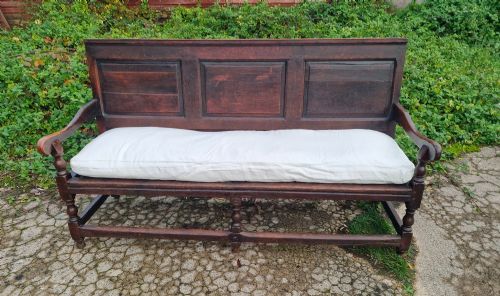
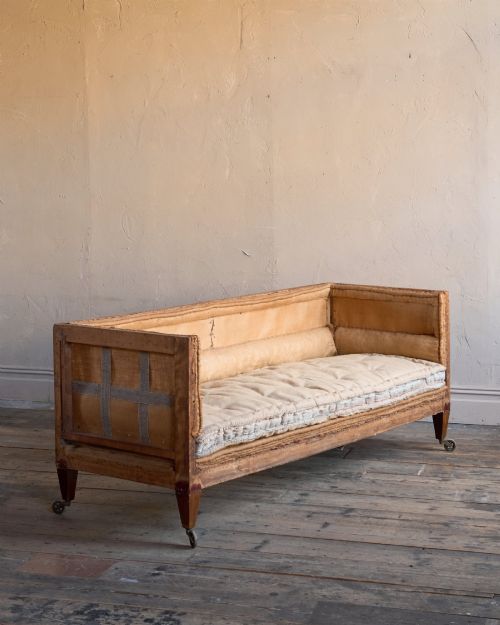
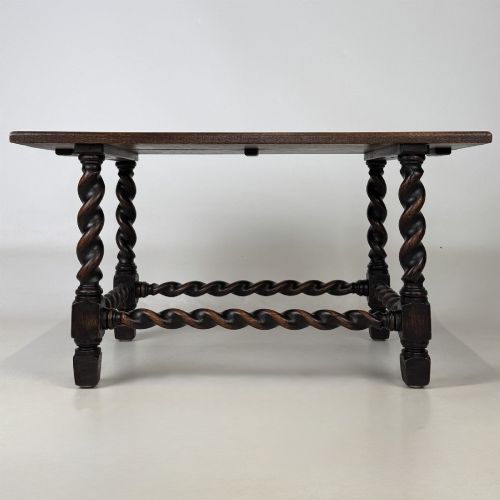
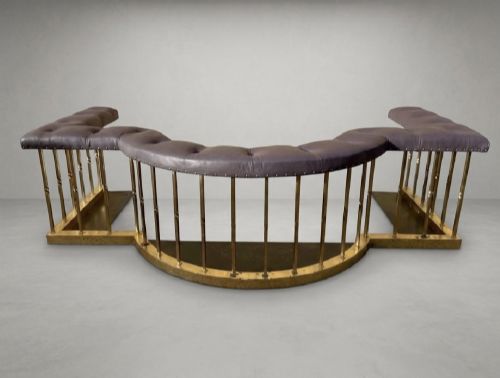
An antique brown bench brings solid timber and centuries of craft straight into a hallway, sitting room or garden.
Antique Brown Bench
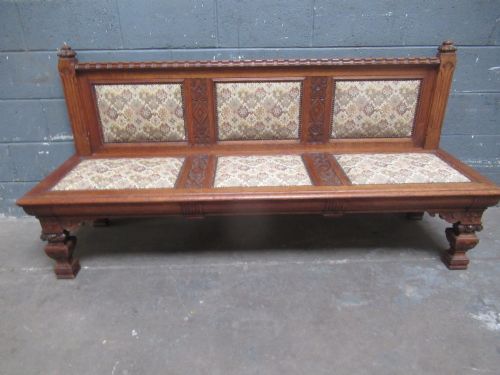
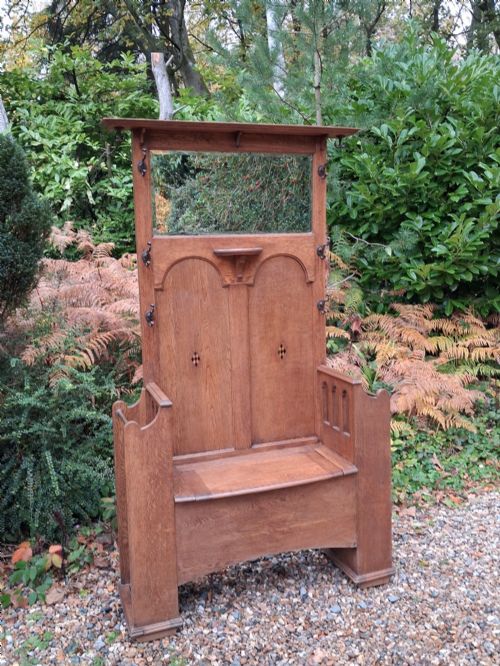
The most common examples encountered on this page date from the eighteenth and nineteenth centuries, spanning Georgian, Victorian and Edwardian eras. Many pieces reflect utilitarian country origins, while others display formal stylistic influences including Gothic Revival and Arts and Crafts.
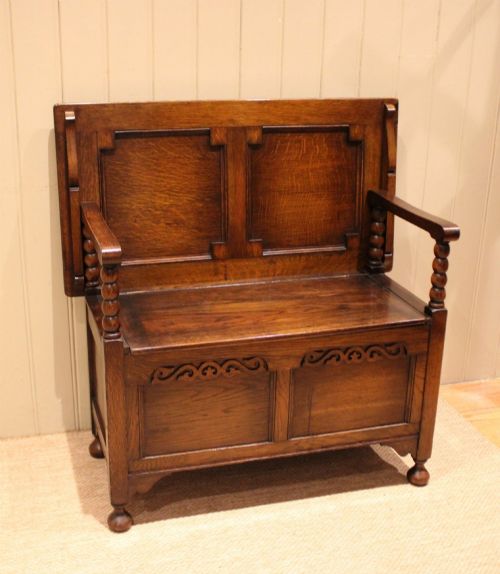
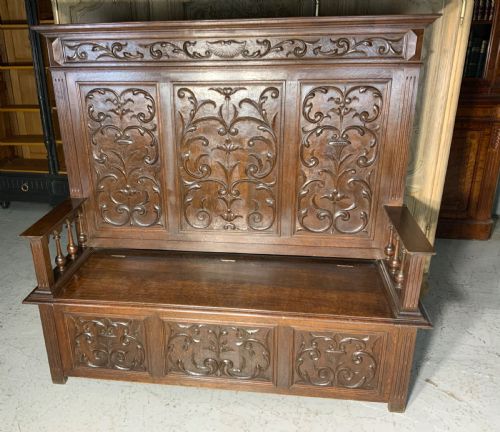
Functional forms often include storage elements such as box seats or integrated compartments. Buyers choose them for their robust construction, warm timber tones and historical character in domestic interiors.
Materials and construction
Makers relied heavily on native hardwoods like oak, walnut and elm, joined using traditional methods such as mortise and tenon joints and wooden pegs. Surfaces were planed, polished and occasionally waxed to protect the grain while enhancing the natural brown tones of the timber.
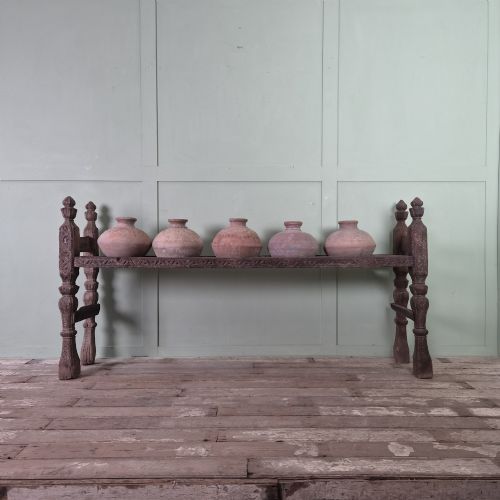
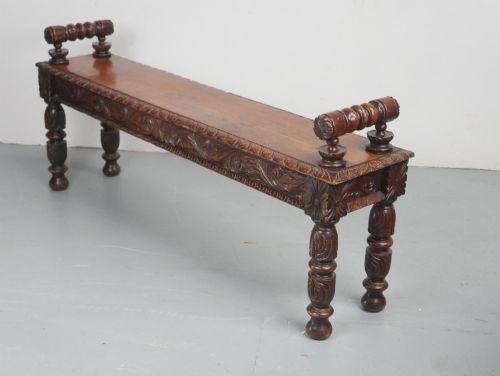
Decorative elements frequently involve hand carving, seen in poppy head finials, linenfold panels and figural reliefs. Inlaid examples incorporate contrasting materials like mother-of-pearl or lighter woods to create intricate geometric and floral patterns.
Antique Brown Bench Retail Price Guide 2026
Typical asking prices for brown bench among the pieces listed under this phrase on Sellingantiques today, from the lower quarter to the upper quarter. They describe what is for sale here now, not the wider market.
An elephant once served as a bench seat, alongside musical bears and monks hiding in plain oak.
Distinctions in quality
The integrity of the timber and the crispness of the hand carving determine the standing of an antique brown bench. Pieces retaining their original board seats, period fixings and untouched surface patination command greater appreciation among collectors.
Structural honesty and restraint in restoration separate superior examples from heavily altered pieces. The harmony between the original design, whether rustic country or formal period, and the execution of the woodwork governs overall merit.
Liberty·Jack Grimble·Brown & Lamont·Norris London
The Antique Brown Bench Glossary
- Settle
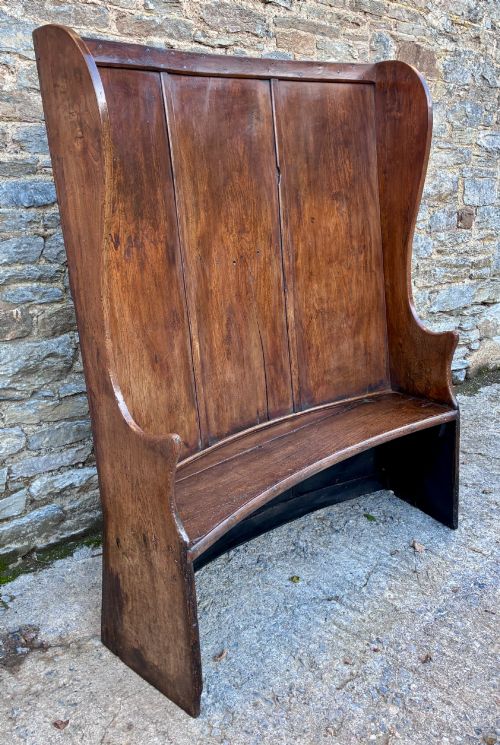
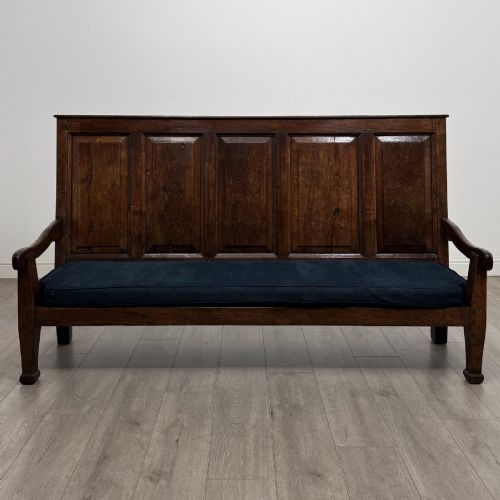
- A wooden bench with a high back, solid arms and frequently a box seat beneath for storage. It was traditionally placed near the hearth in taverns and farmhouses to block draughts.
- Hall bench
- A narrow seat designed for an entryway, often incorporating panelled backs and coat hooks or hinged storage compartments. These pieces were built to withstand heavy daily use in busy households.
- Joint stool
- A sturdy wooden stool constructed with mortise and tenon joints using pegged frames. They predate domestic chairs in common usage and served multiple household functions.
- Finial
- A decorative ornament projecting from the top of a bench post or arm support. Carved details like poppy heads often identify specific stylistic periods.
- Pew
- A long wooden bench historically found in churches and chapels, occasionally adapted for domestic use with flip-over mechanisms or enclosed seating compartments.
Antique Brown Bench: Frequently Asked Questions
Where should I place an antique bench?
An antique brown bench suits narrow hallways, entrance lobbies and living rooms where its surface grain and form can be appreciated. Hall benches and settles offer practical seating combined with useful storage for everyday items.
Positioning pieces away from direct heat sources and strong sunlight protects the antique timber from drying out and splitting over time.
How do I clean wooden bench seats?
Dust timber surfaces regularly with a soft, dry cloth to prevent grit accumulation in the carved details and grain. Avoid modern chemical sprays and silicon polishes that can build up a sticky film over historical finishes.
Applying a traditional beeswax polish occasionally helps nourish dry hardwood and maintains a gentle, natural lustre on old oak or walnut.
Are these benches sturdy enough for daily use?
Solid hardwood construction ensures most antique benches remain exceptionally robust and suitable for regular seating. Traditional joinery methods distribute weight evenly across the frame without relying on metal fasteners.
Checking joints periodically for movement helps keep the structure sound under everyday domestic conditions.
How can I tell the period of a wooden bench?
Tool marks, timber species and construction techniques offer clear clues to a bench's age. Hand-sawn boards, peg construction and specific design motifs like Gothic tracery or Art Nouveau inlay point directly to distinct eras.
Comparing the patination and wear patterns across the seat and arms also reveals how long the timber has aged.