
Antique Brown Armchair
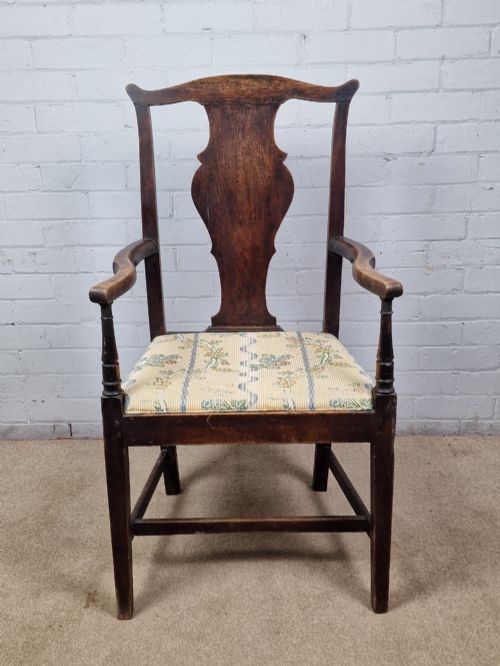
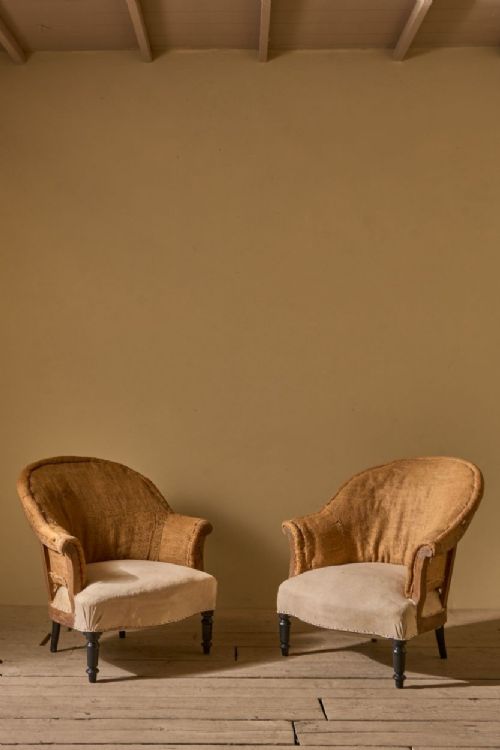
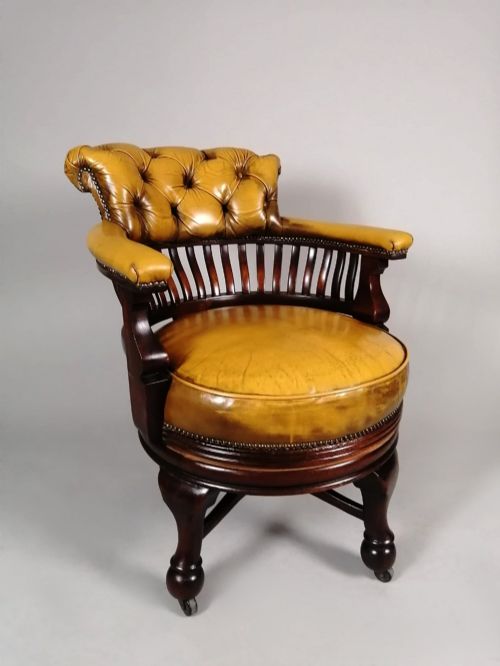
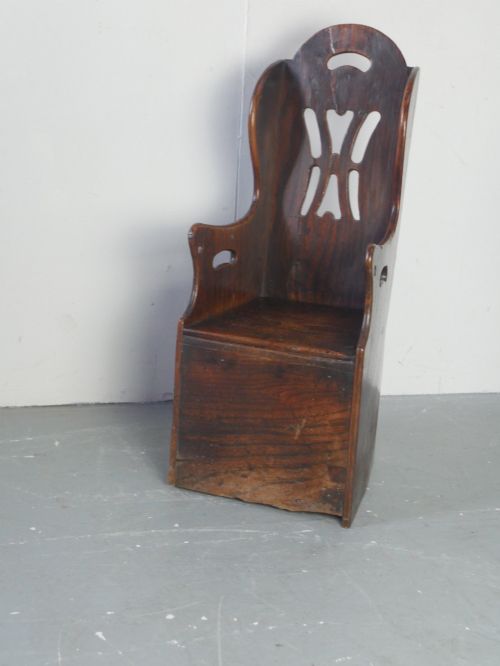
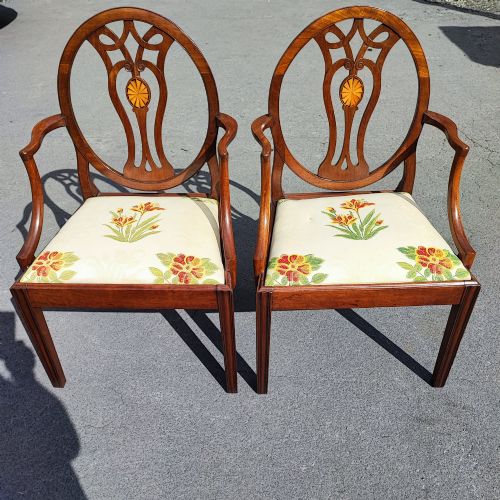
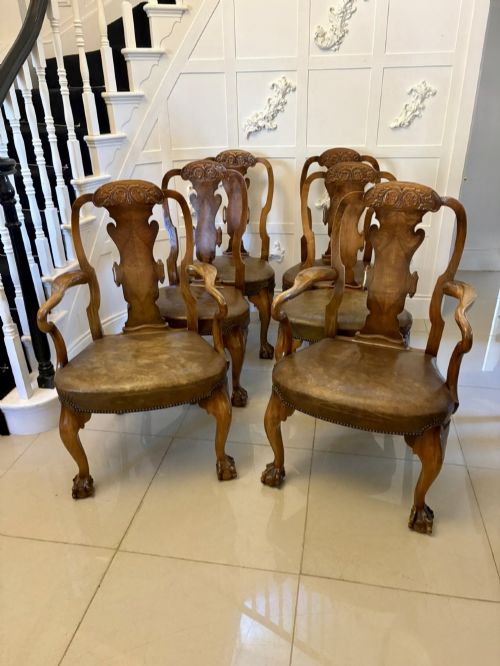
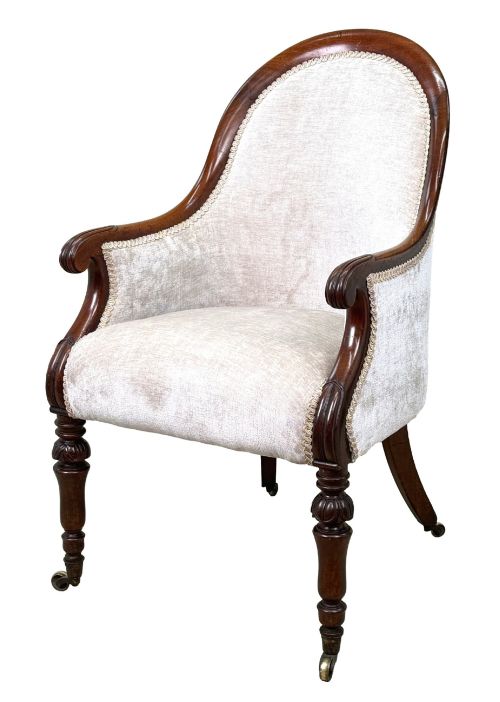
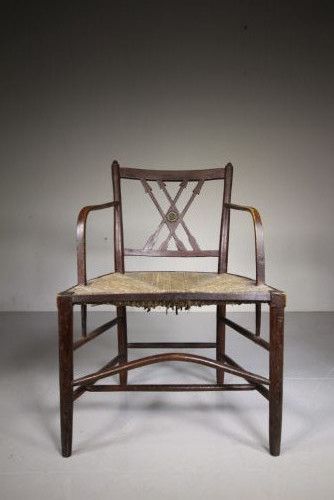
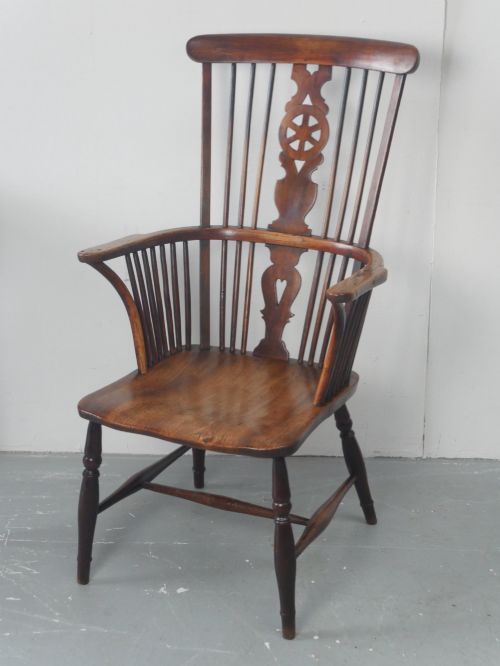
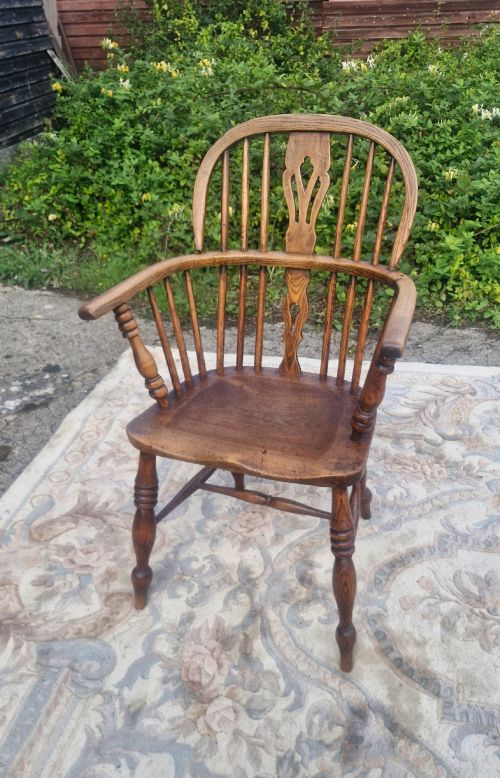
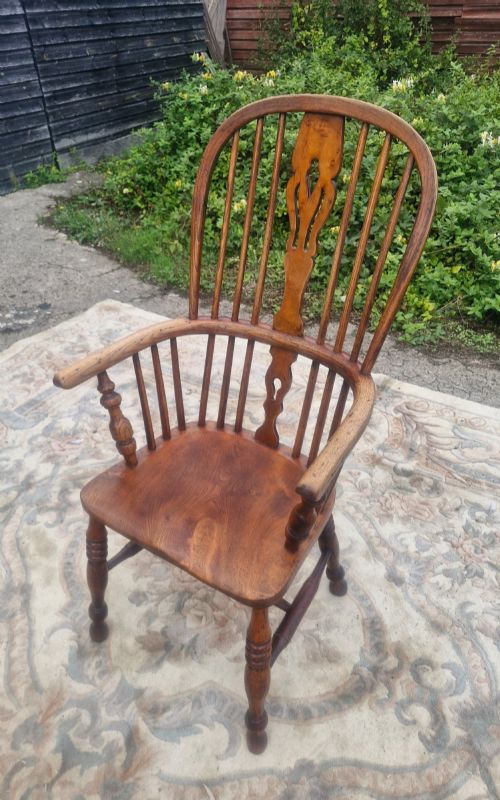
An antique brown armchair brings rich character and tactile warmth to a room, ranging from buttoned leather club seats to timber Windsor forms.
Antique Brown Armchair
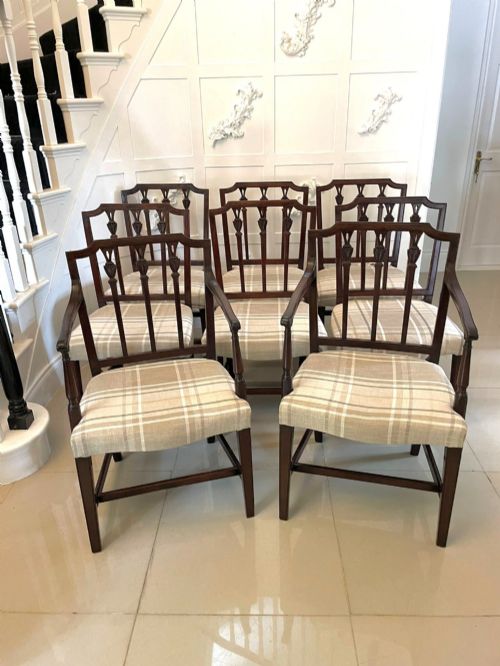
Victorian and Edwardian leather reading chairs dominate alongside Georgian mahogany and elm country versions. These pieces served practical functions in studies, drawing rooms, and libraries, evolving from formal dining and carver seats to deep, comfortable lounging chairs.
Materials and construction
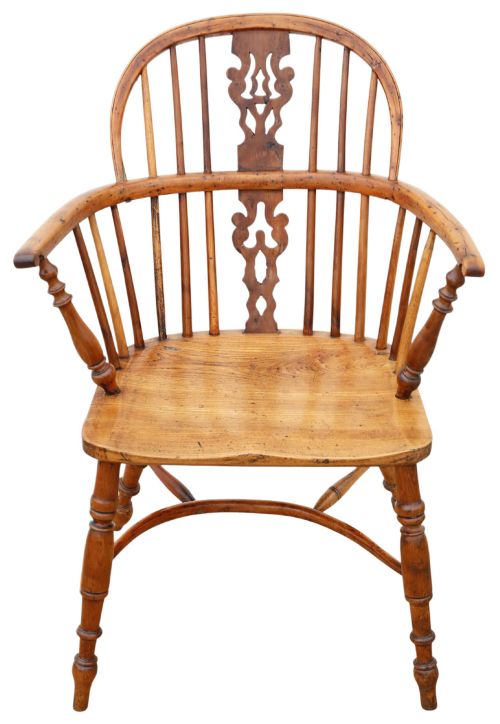
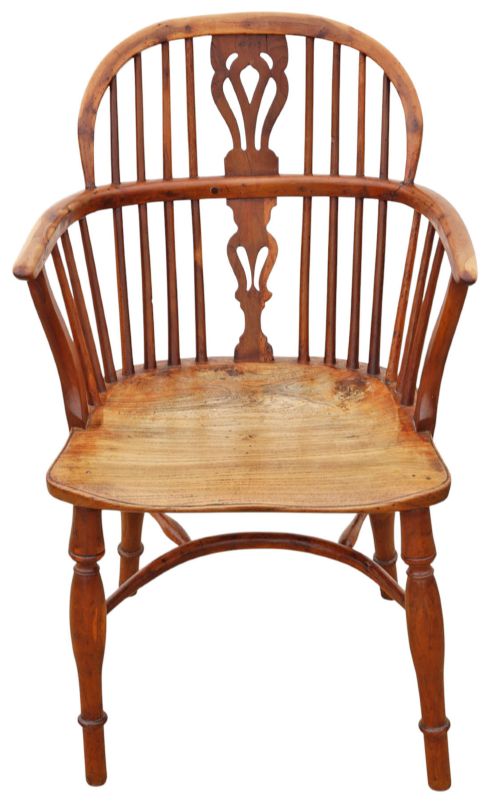
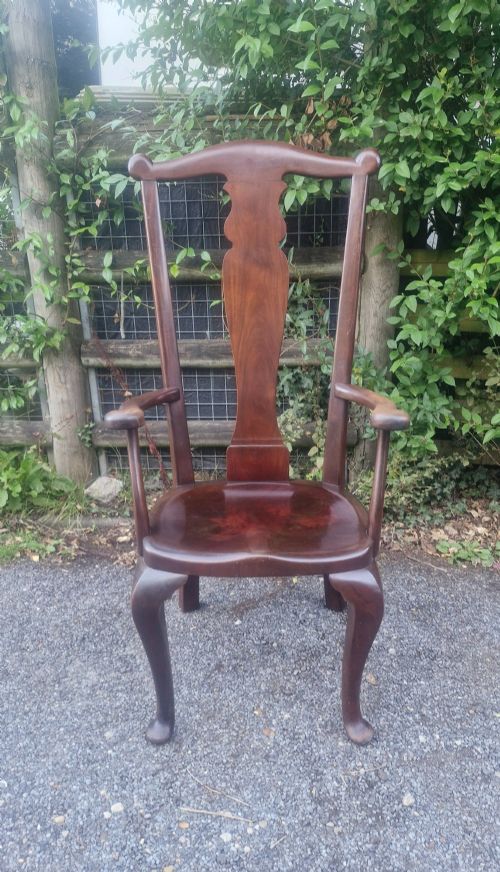
Makers utilised solid timbers such as mahogany, oak, elm, ash, and walnut to build robust frames that withstand centuries of use. Turned spindles, curved elbow rests, and pegged joints demonstrate traditional cabinetmaking and chair-making techniques.
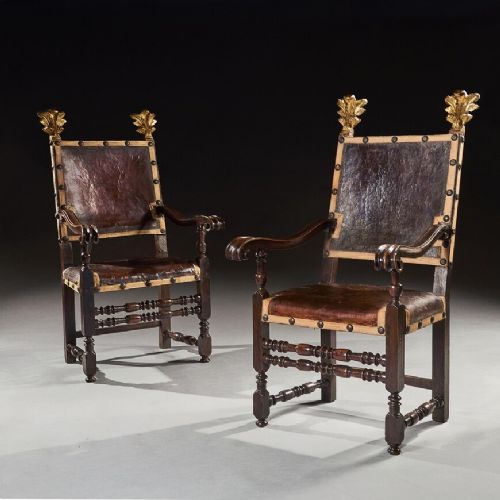
Upholstered examples rely on natural leather hide, velvet, rush, and woven tapestry secured to sprung or padded frames. Brass nailheads frequently edge leather panels, while polished wood surfaces display the natural grain of the underlying timber.
Listings feature seating across multiple centuries, using traditional materials like elm, mahogany, oak, and leather.
Evaluating standard
Quality rests upon the integrity of the timber frame and the depth of the patination built up on wood and leather surfaces over generations. Finely carved details, balanced proportions, and original upholstery methods separate superior examples from standard utility seating.
Subtleties in turning, such as the spindle profile on a Windsor chair or the crispness of hand-carving on mahogany arms, indicate the skill of the original workshop.
Morris & Co·Ford Maddox Brown
The Antique Brown Armchair Glossary
- Windsor
- A traditional wooden chair featuring a saddle-shaped seat into which the legs and back spindles are wedged directly. These sturdy seats often combine elm and ash or yew wood.
- Wing armchair
- A high-backed upholstered seat with protective side panels designed to shield the sitter from draughts. Early versions frequently incorporate deep buttoned brown leather.
- Carver
- An armchair designed to match a set of dining chairs, usually positioned at the head of the table. They share stylistic details with the smaller single chairs.
- Patina
- The surface sheen and softening of colour developed on wood and leather through age and handling. A rich patina indicates decades of careful maintenance.
- Tub chair
- An armchair featuring a continuous curved back and arms forming a low, enclosed enclosure. These compact seats often appear in mahogany or upholstered finishes.
Antique Brown Armchair: Frequently Asked Questions
How do I identify a Victorian brown leather armchair?
Victorian brown leather armchairs typically feature deep buttoning, rolled arms, and substantial mahogany or oak frames. Look for hand-tooled leather hides secured with individual brass studs.
Undersides often reveal period webbing, traditional stuff-over stuffing, and construction methods characteristic of mid to late nineteenth-century workshops.
What is the difference between a Windsor and a club armchair?
A Windsor armchair is constructed entirely from wood with a rigid spindle back and a solid carved seat. These pieces reflect country vernacular traditions.
In contrast, a club armchair is fully upholstered in leather or fabric over a sprung frame, designed specifically for deep, relaxed lounging.
Are antique desk chairs height adjustable?
Most antique revolving desk chairs from the nineteenth century utilise a threaded wooden or iron spindle mechanism beneath the seat. Turning the seat allows for minor height adjustments.
Fixed-height desk chairs rely on standard cabinet-made legs and do not alter in elevation.
How should I care for antique leather?
Antique leather requires gentle cleaning with a slightly damp cloth followed by specialised leather dressings or conservation waxes. Avoid modern chemical cleaners that strip natural oils.
Keeping leather furniture away from direct sunlight and heat sources prevents the hide from drying out and cracking.