
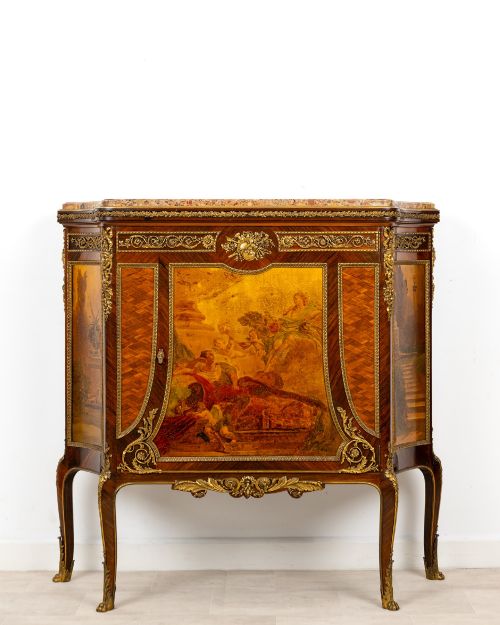
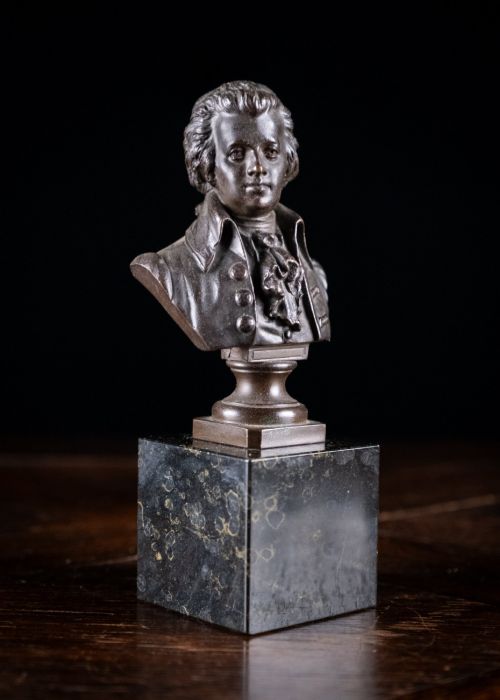
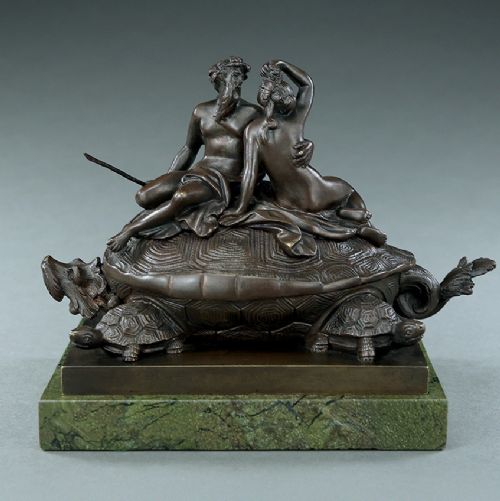
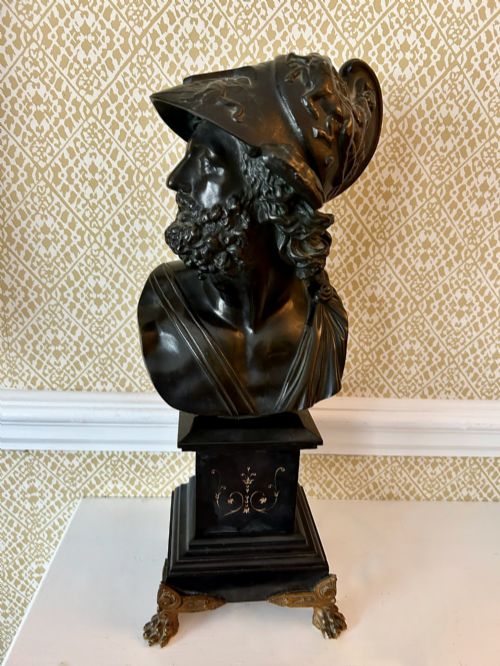
Antique Bronzes on Marble
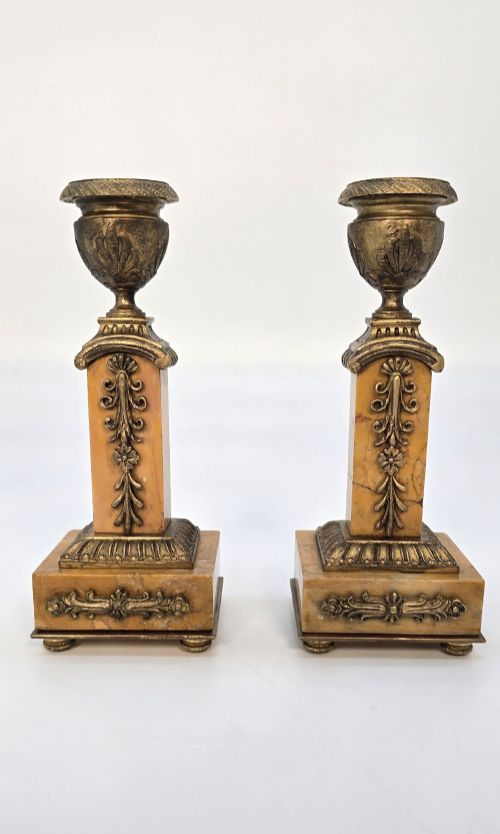
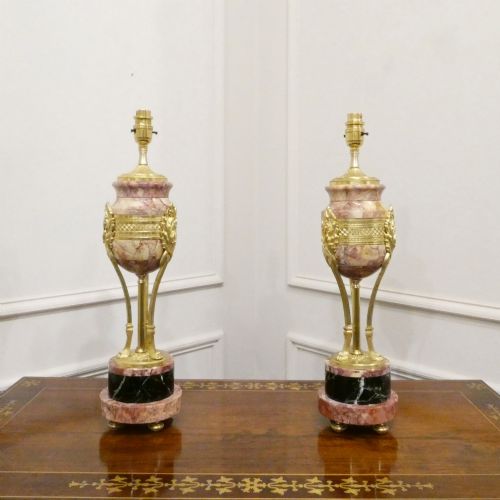
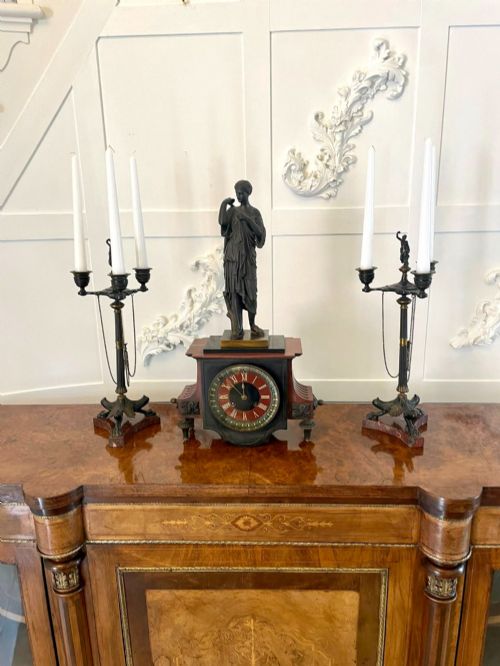
Antique bronzes on marble combine cast metalwork and stone bases to create sculptural mantel clocks, candelabra, and figures.
Antique Bronzes on Marble
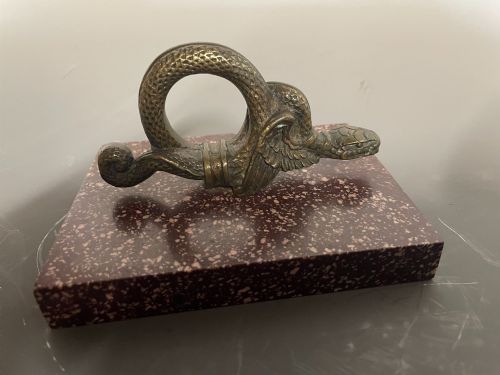
When you search for antique bronzes on marble, you encounter a diverse selection of decorative items that unite cast metal with stone plinths or mounts. These pieces range from nineteenth-century animalier sculptures and mythological figures to mantel clocks and lighting.
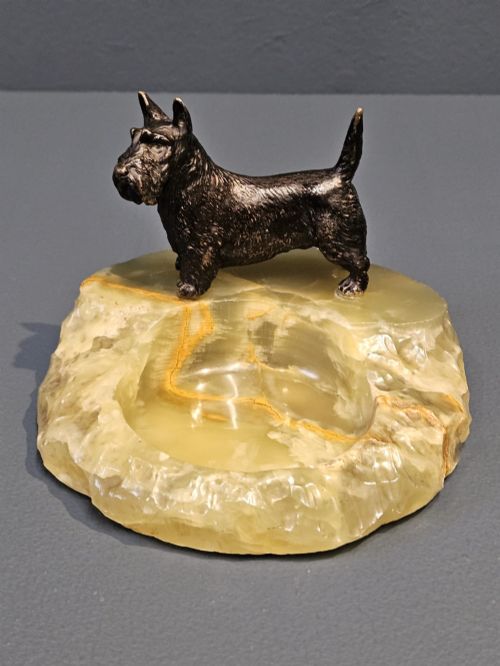
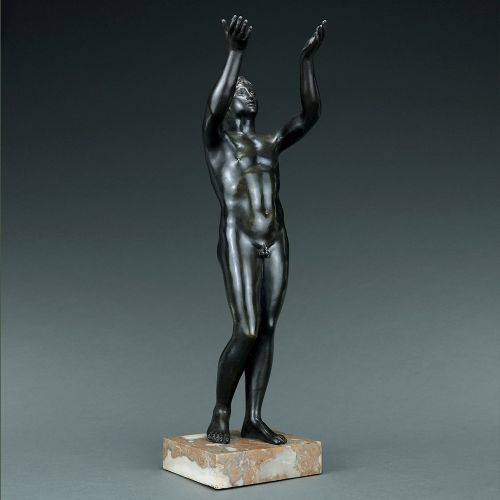
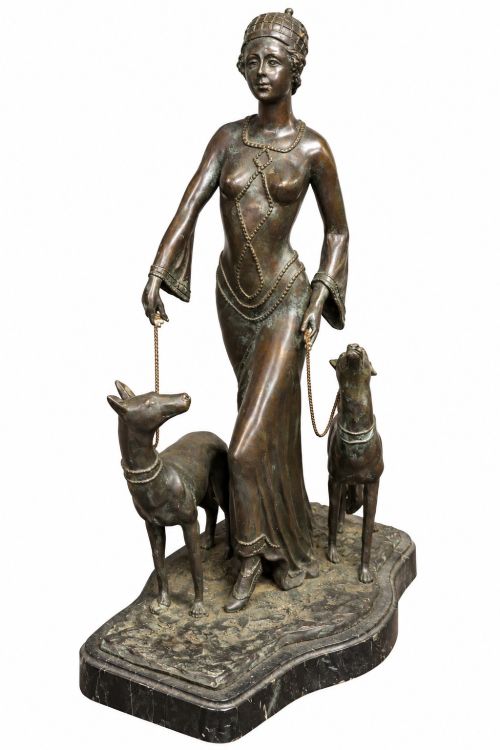
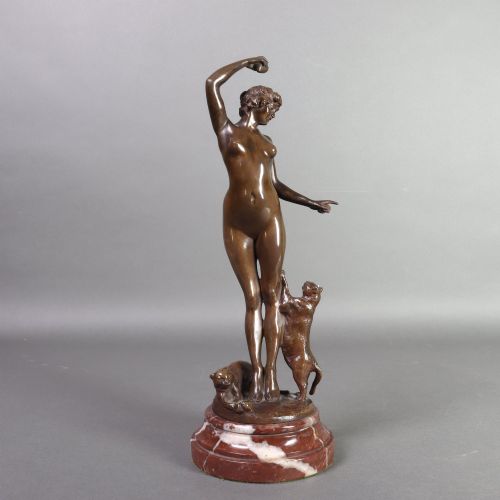
The objects on this page frequently originate from French workshops spanning the nineteenth and early twentieth centuries. Figures and animals cast in patinated or gilt bronze rest upon shaped bases of rouge marble, white marble, or onyx.
How they were made
Foundries utilised traditional lost-wax or sand-casting methods to shape the bronze components before finishing them with cold painting, patination, or gilt. These metal figures and mounts were then fitted to heavy stone bases turned from blocks of marble or onyx.
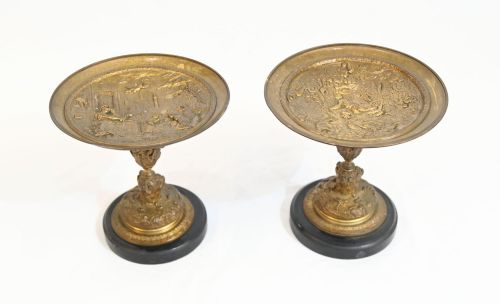
Makers integrated the materials using threaded rods, pins, or ormolu collars to secure the bronze securely to the stone. Cabinetmakers and bronze-workers collaborated to produce functional items like clocks and tazzas where stone and metal meet.
Nineteenth-century sculptors occasionally cast diminutive lizards and hunting dogs to survey their marble domains from atop a desk.
What varies in quality
The grade of the marble or onyx base also dictates the standard of the piece, with dense, finely polished stones demonstrating superior craftsmanship. Harmonious proportions between the heavy bronze sculpture and its stone plinth define the better examples.
Carl Kauba·Susse Freres·Barbedienne·Bruno Zach·Pierre le Faguays·Ferdinand Preiss·Japy Freres·Maison Millet
The Antique Bronzes on Marble Glossary
- Animalier
- A nineteenth-century artistic genre focusing on the realistic portrayal of animals, particularly predators and domestic beasts. These sculptures often feature prominent marble bases.
- Ormolu
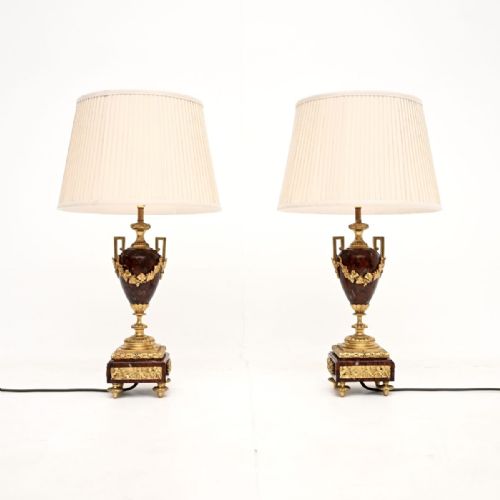
- Gilt bronze created by applying a mixture of gold and mercury to cast bronze, then fired to leave a rich golden finish. It appears frequently as mounts on marble clocks and urns.
- Patinated bronze
- Metal treated with chemical solutions to produce a darkened, coloured surface finish. This technique highlights the sculpted contours of figures and animal studies.
- Grand Tour
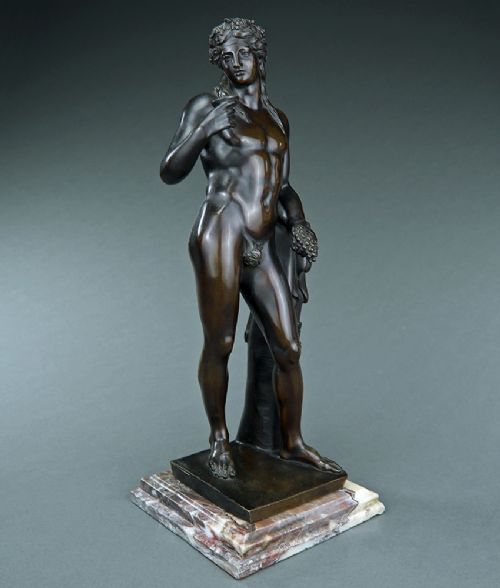
- Souvenirs purchased by travellers visiting European cultural sites during the eighteenth and nineteenth centuries. These included bronze reductions of classical sculptures mounted on marble plinths.
Antique Bronzes on Marble: Frequently Asked Questions
Were the bronze and marble always made together?
Most period pieces were conceived as a single composition by the foundry or maker, with the bronze specifically fitted to its stone base. Ormolu collars and matching pins usually indicate original assembly.
In some instances, nineteenth-century bronzes were later mounted onto antique marble plinths. Inspecting the underside reveals how the metal components attach to the stone.
What periods do these pieces usually date from?
The majority of items originate from the nineteenth century, spanning the French Empire, Regency, and Victorian eras. You will also find early twentieth-century examples extending into the Art Deco period.
Stylistic cues like Neoclassical draping or Art Deco geometry help narrow down the date of manufacture. Foundry marks and signatures on the bronze further clarify the chronology.
How can I tell cast bronze from spelter?
Bronze is heavier, colder to the touch, and rings with a clear tone when gently tapped, whereas spelter is a softer zinc alloy. Spelter items often show grey metal beneath worn spots in the bronze-coloured paint.
Sculptures featuring detailed chasing and substantial weight usually indicate genuine bronze. Spelter pieces were frequently produced as affordable alternatives during the later nineteenth century.