

Antique Bronze Table
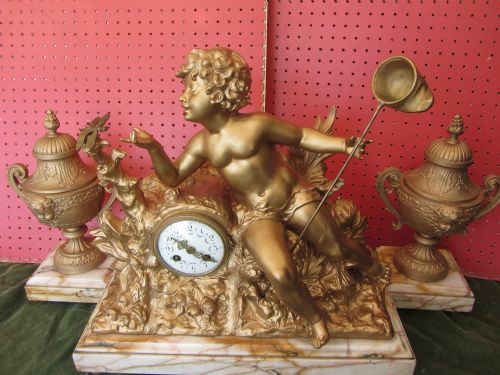
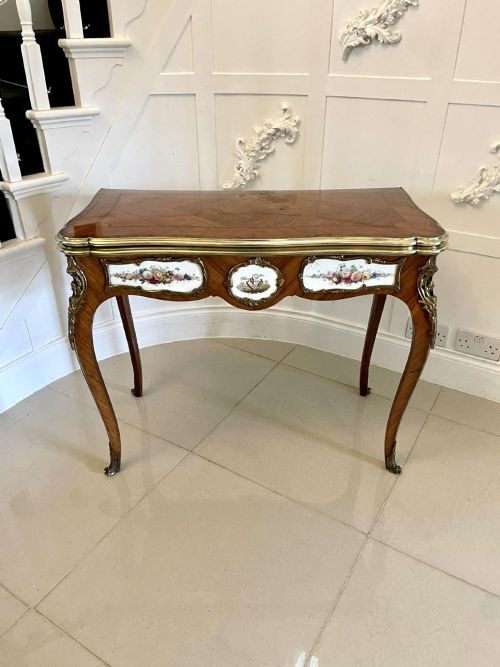
An antique bronze table brings heavy French ormolu, warm walnut and polished marble together in a functional centrepiece.
Antique Bronze Table
An antique bronze table encompasses centre tables, writing desks, coffee tables and display pieces produced primarily during the nineteenth and early twentieth centuries. These pieces reflect revival movements such as Louis XV, Louis XVI and French Rococo, alongside later Art Deco designs.
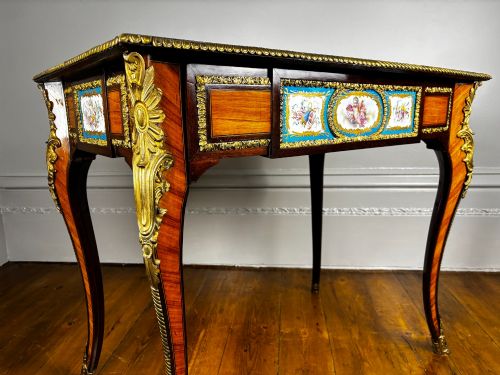
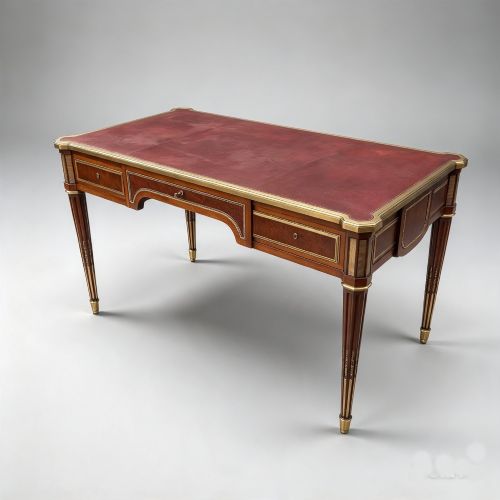
The version most commonly encountered on this page combines a wooden carcase in kingwood, walnut or mahogany with cast bronze or ormolu mounts. Tops frequently feature inlaid marquetry, parquetry or fitted marble slabs.
Origins lean heavily toward French cabinetmaking workshops, though regional English walnut pieces and Japanese export items also appear within the selection. Buyers seek these forms for their robust construction and decorative metalwork.
Materials and construction methods
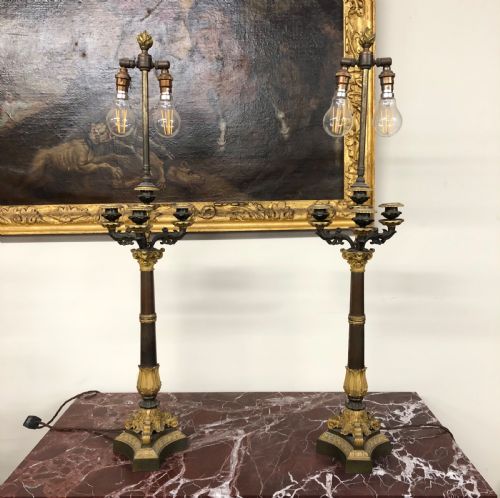
Makers constructed the structural carcases using dense timbers like kingwood, rosewood and walnut, often applying intricate marquetry or parquetry veneers in geometric and floral patterns. Ormolu and gilt bronze mounts were cast, chased and fire-gilded before being secured to corners, legs and aprons with small brass screws.
Table tops frequently incorporate heavy inset marble slabs, sometimes framed by pierced brass or bronze galleries. Writing desks and centre tables utilise traditional joinery, dovetailing drawer carcases and mounting hinged components on sturdy brass hinges.
Antique Bronze Table Retail Price Guide 2026
Typical asking prices for bronze table among the pieces listed under this phrase on Sellingantiques today, from the lower quarter to the upper quarter. They describe what is for sale here now, not the wider market.
Listings feature walnut, kingwood and rosewood structures combined with ormolu mounts across the nineteenth and early twentieth centuries.
Distinguishing quality across examples
The crispness of the bronze and ormolu chasing separates standard production from exceptional work, as sharper casting detail requires intensive hand-finishing by skilled artisans. Heavier gilding depth and more complex figural mounts indicate higher workshop standards.
Cabinetwork complexity dictates value, with hand-cut multi-timber marquetry and perfectly fitted serpentine drawers demonstrating superior joinery. The thickness and figuring of the underlying kingwood or walnut veneer further distinguish workshop tiers.
Francois Linke·Edward Holmes Baldock·Gillows·Japy Freres·Jean-Baptiste Delettrez·Auguste Moreau·Pierre Collinet
The Antique Bronze Table Glossary
- Ormolu
- Gilded bronze achieved through the application of a mercury and gold amalgam, fired to leave a durable metallic layer. This technique creates the bright golden finish seen on nineteenth-century mounts.
- Marquetry
- The art of applying thin decorative veneers in wood, shell or metal to a structural carcase to form pictorial or geometric designs. Master cabinetmakers used contrasting timber grains to create naturalistic shading.
- Parquetry
- Geometric wood veneer patterns arranged in repetitive grids such as cubes, lozenges or herringbone. It differs from marquetry through its strict reliance on repeating mathematical angles.
- Champlevé
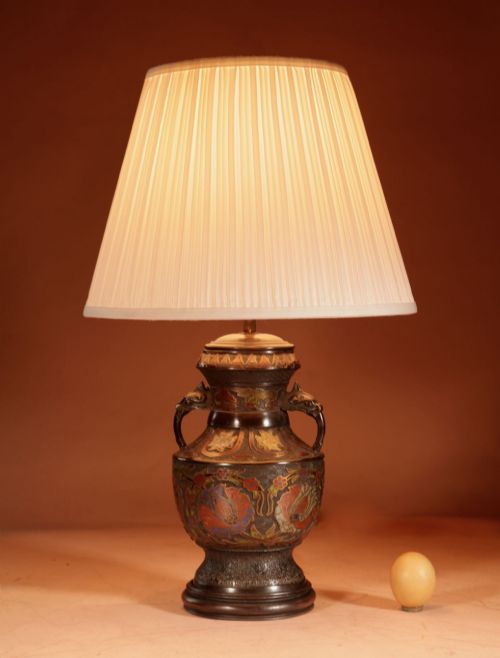
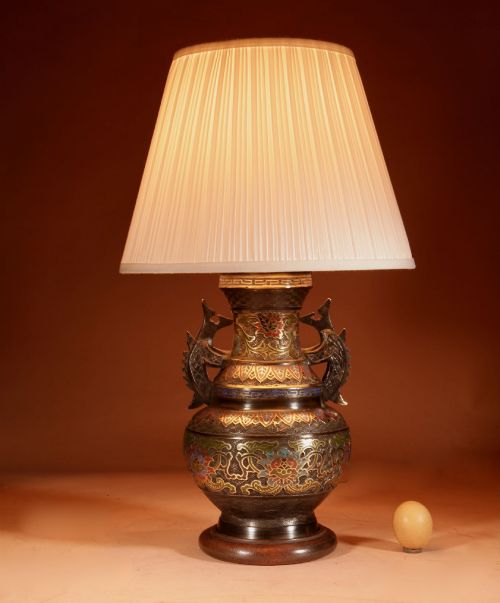
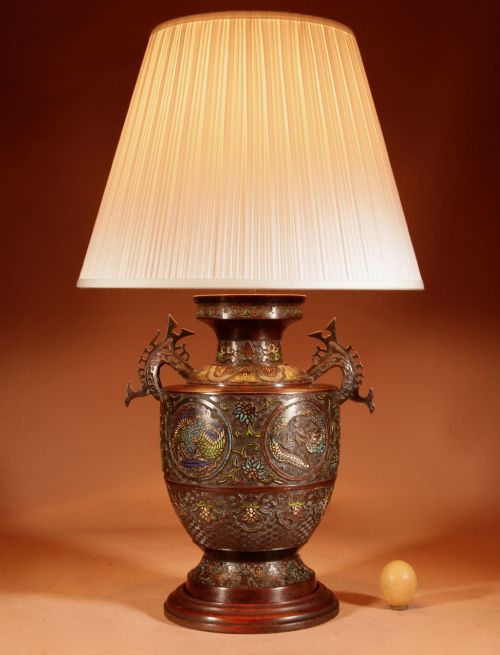
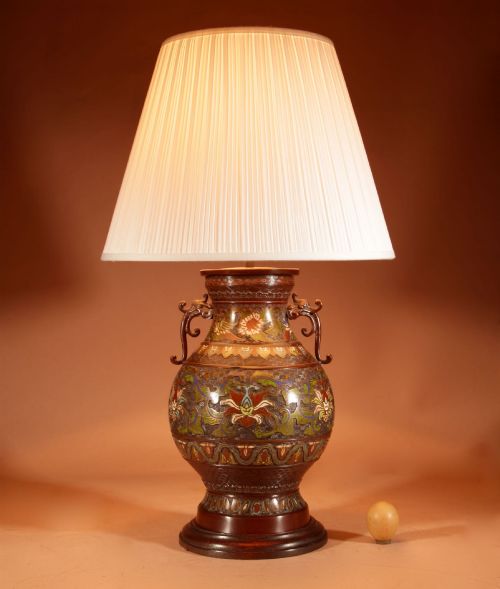
- An enamelling technique where troughs are dug into a bronze surface, filled with powdered glass paste, and fired. The resulting coloured enamel fields sit flush with the surrounding metal channels.
- Centre table
- A freestanding piece designed to be viewed from all four sides rather than pushed against a wall. These frequently incorporate finished parquetry or marquetry across the entire top surface.
Antique Bronze Table: Frequently Asked Questions
How do I clean bronze mounts?
Dust surfaces gently with a soft, dry brush to prevent dirt accumulation within chased recesses.
Avoid abrasive polishes that strip original gilding and expose the base brass or bronze underneath.
How do I identify French revival styles?
Louis XV revival pieces display asymmetrical curves, cabriole legs and flowing ormolu rocaille mounts.
Louis XVI style shifts toward straight tapered legs, neoclassical symmetry and crisp acanthus leaf chasing.
Where should I place a centre table?
Position these freestanding tables in the middle of a room to showcase finished parquetry on all sides.
Ensure adequate clearance around the piece so chairs or foot traffic do not strike the projecting bronze mounts.