


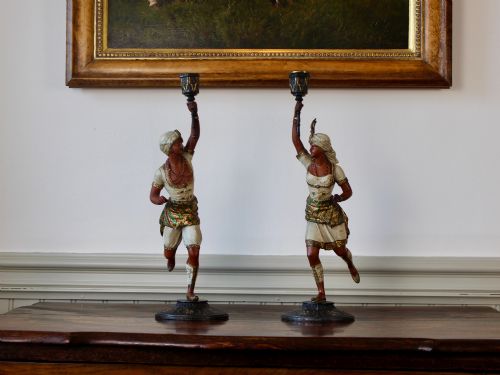


Antique Bronze Sculpture Light
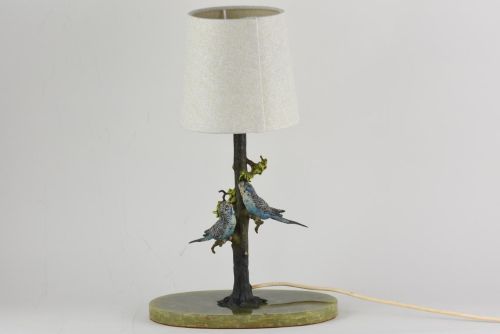
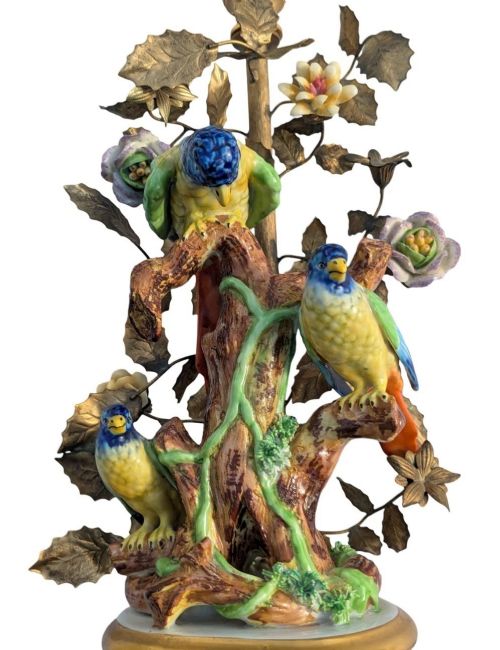
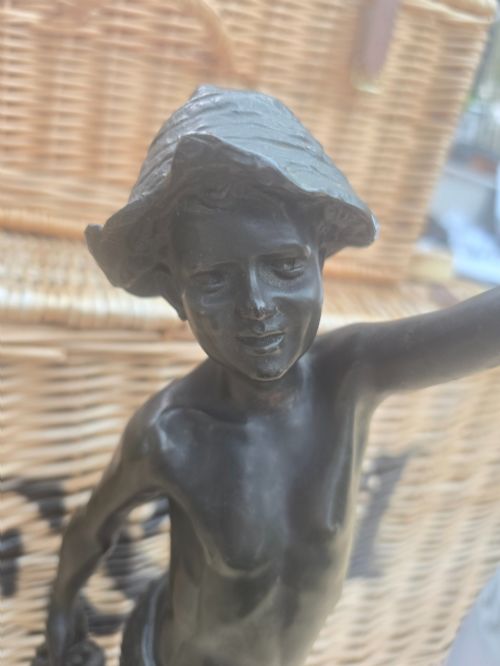
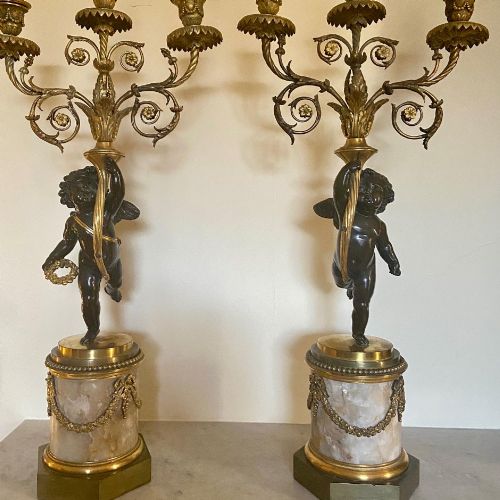
An antique bronze sculpture light combines figurative casting with illumination, ranging from neoclassical deities to art deco figures.
Antique Bronze Sculpture Light
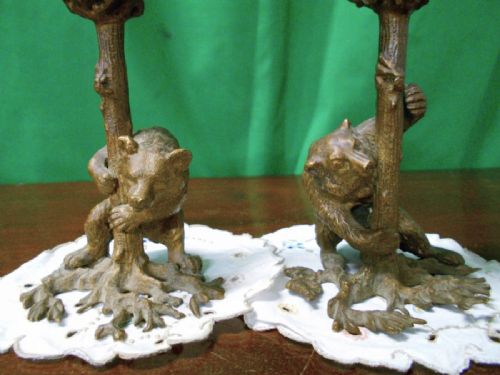
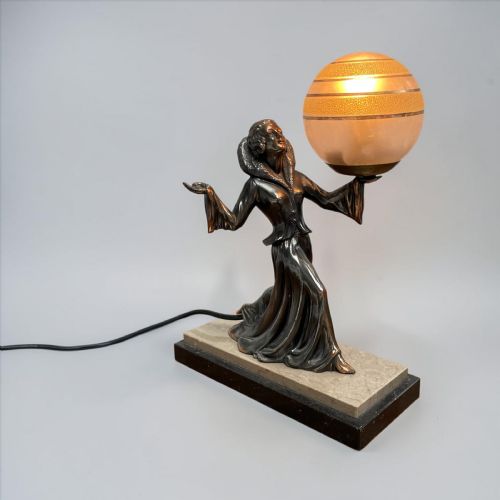
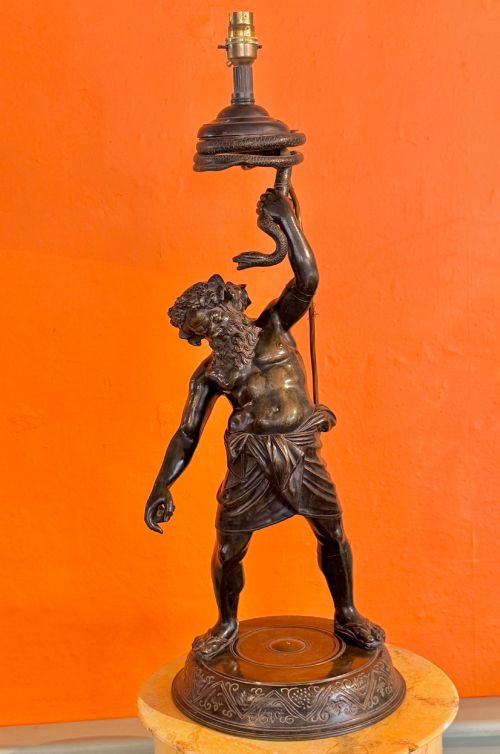
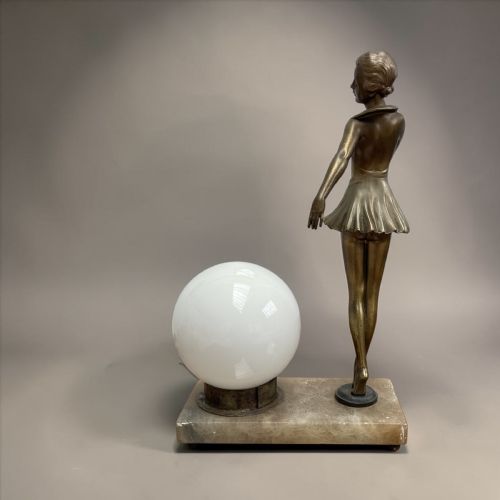
When searching for an antique bronze sculpture light, buyers encounter a diverse range of figural and architectural lighting objects. These pieces integrate sculpted human or animal forms with functional illumination, taking the shape of table lamps, floor lamps, candlesticks, candelabra, and torcheres.
The selections span from the 18th century through the 19th century, extending into the 1930s. Stylistic influences include French 19th Century, Neoclassical, Grand Tour, Regency, Egyptian Revival, Black Forest, Art Nouveau, and Art Deco.
Figural subjects dominate this category, featuring classical deities, allegorical representations like peace and glory, exotic characters, and stylized female forms. These objects serve simultaneously as sculptural artworks and practical interior lighting.
Materials and construction methods
Makers utilised bronze, patinated bronze, gilt bronze, ormolu, and spelter as the primary metallic mediums for the sculptural bodies. Many of these figures rest upon bases constructed from marble or incorporate elements of glass, frosted glass, fluorspar, and brass.
Foundries employed traditional casting techniques to render complex details in human figures, animals, and drapery. Cold-painted finishes, silvered applications, and multi-patination methods were frequently applied to the surfaces to create depth, colour contrast, and realistic texture.
Antique Bronze Sculpture Light Retail Price Guide 2026
Typical asking prices for bronze sculpture light among the pieces listed under this phrase on Sellingantiques today, from the lower quarter to the upper quarter. They describe what is for sale here now, not the wider market.
Several lamps cast glowing night lights featuring loyal Alsatians keeping watch by the bedside.
Factors determining quality
Quality separates through the crispness of the casting and the finesse of the chiselling visible on the metal surface. Superior examples retain meticulous anatomical detailing in the figures, clean lines in the drapery, and careful hand-finishing after the casting process.
The integrity of the material and the sophistication of the patina also define the standard of the piece. Genuine bronze castings with complex patination or original cold-painting outclass simpler spelter alternatives, while integrated bases of high-grade marble elevate the overall composition.
Francois Redmond·G. Amodio Naples·Franz Bergman·Messenger·F. De Luca·Emile Picault·Humphrey Hopper·Ivan Zaiec·Jean-Jules Cambos·H. Moreau·Aug. Moreau·François-Christophe-Armand Toussaint·Bruno Zach·Coutan·P.Sega·Henri Honore Ple·Adrien Gaudez·Auguste Moreau
The Antique Bronze Sculpture Light Glossary
- Patinated bronze
- Bronze that has been chemically treated to produce a specific surface colour or dark tone. This finish protects the metal and accentuates the sculptural contours.
- Spelter
- A zinc alloy commonly utilised as a less expensive substitute for bronze in figural casting. It is often painted or bronzed to imitate the appearance of true bronze.
- Torchere
- A tall standing floor lamp or high candle stand. These fixtures elevate the light source on a decorative column or figural shaft.
- Ormolu
- Gilded bronze produced by applying a mercury and gold amalgam to the metal base and heating it. This technique creates a durable, rich golden surface finish.
- Cold-painted bronze
- Bronze sculpture painted with oil or enamel paints after casting without subsequent firing. This method allows for vivid, multicoloured surface decoration on garments and natural elements.
- Grand Tour
- Souvenir artworks and antiquities acquired by wealthy travellers in Europe during the 18th and 19th centuries. These pieces often reproduce classical sculptures and architectural forms.
Antique Bronze Sculpture Light: Frequently Asked Questions
How do I distinguish bronze from spelter?
Bronze is heavier, denser, and colder to the touch than spelter, with a durable metal structure underneath the patina. Spelter is a softer zinc alloy that may show white metal beneath worn paint or chips.
Examining the underside or areas of wear often reveals the distinct composition and weight difference between the two materials.
Where were these lights placed in a room?
Smaller figural lamps, candlesticks, and candelabra sat upon mantelpieces, side tables, or desks to provide localized illumination. Large torcheres and floor lamps stood directly on the floor to illuminate larger spaces.
Their sculptural presence made them decorative focal points even when unlit.
How do I date an antique sculpture light?
Dating relies on the stylistic markers of the base, the costume or anatomy of the figures, and the manufacturing methods. Pieces from the Regency and Grand Tour periods reflect classical revival tastes, while later 19th-century works show romantic or allegorical themes, followed by stylized geometric forms in the 1920s and 1930s.
Signatures from recorded founders or sculptors also help establish a specific period of production.