




Antique Bronze Plate
These antique bronze plate examples span Japanese cloisonné, French neoclassical platters, and Chinese chargers, offering solid metalwork for display or daily use.
Antique Bronze Plate
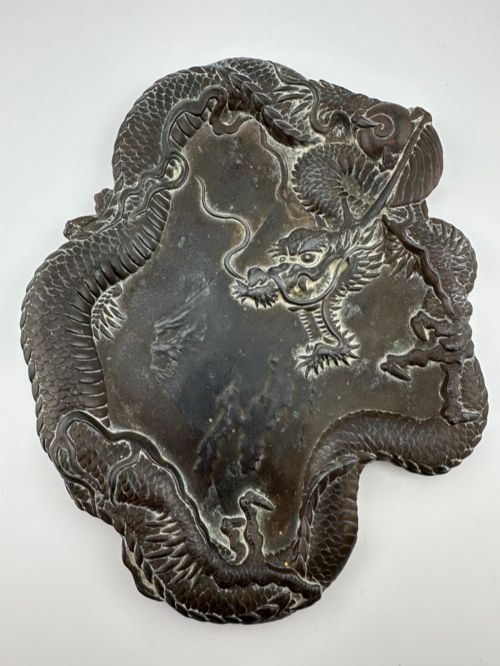
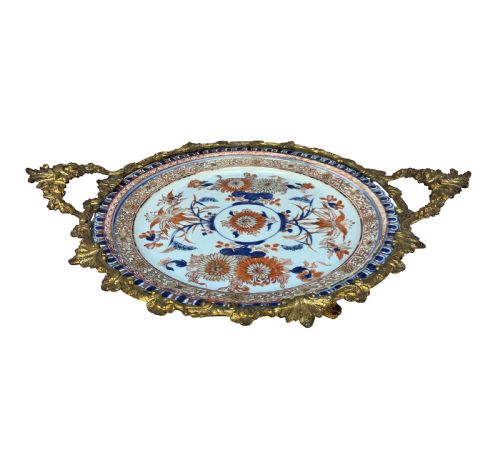
When you search for an antique bronze plate, you encounter a diverse group of objects ranging from Japanese Meiji period chargers to nineteenth-century European decorative platters and neo-classical dishes. These pieces function primarily as display chargers, tazzas, centrepieces, or architectural hardware such as door plates.
The selections span various global traditions, including intricate cloisonné enamel work from Japan, heavy cast bronze items from France, and traditional Chinese mirrors or plates. Each object demonstrates the versatility of bronze, copper, and brass across the eighteenth, nineteenth, and early twentieth centuries.
Materials and construction methods
The objects combine casting, hammering, and patination techniques, utilising base metals like bronze, brass, and copper alongside silver plating and gilt finishes. Many Japanese examples incorporate cloisonné enamel wires to create detailed pictorial designs of dragons, koi, and flora.
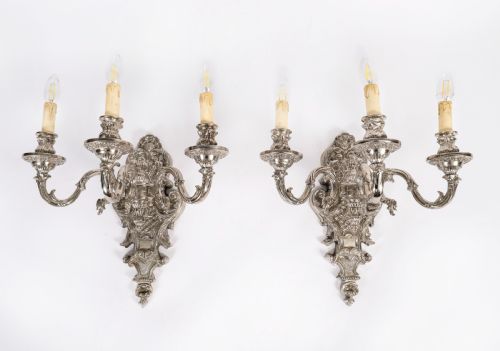
European works frequently employ lost-wax casting or metal spinning, often adding silvered surfaces or marble and porcelain mounts. The union of these durable substrates with delicate surface treatments defines the manufacturing standard of the period.
Antique Bronze Plate Retail Price Guide 2026
Typical asking prices for bronze plate among the pieces listed under this phrase on Sellingantiques today, from the lower quarter to the upper quarter. They describe what is for sale here now, not the wider market.
Keep watch for bronze frogs and leaping koi sharing surface space with legendary dragons across these nineteenth-century metal plates.
Distinctions in standard and execution
Quality rests in the crispness of the cast relief, the depth of the patination, and the complexity of the surface decoration, whether chased metal or fired enamel. Masterpieces from recognised workshops display precise control over line and chemical coloration.
Lower tiers exhibit softer details, simpler geometric borders, or uneven plating, whereas superior specimens show balanced composition and careful finishing by skilled artisans.
Kinkozan·Christofle et Cie·Miller and Adie
The Antique Bronze Plate Glossary
- Charger
- A large ornamental plate or platter intended for display on a wall, sideboard, or table rather than for dining use. These large surfaces often provide canvas for narrative scenes.
- Cloisonne
- A technique where enamel paste is applied within compartments created by soldered metal wires on a bronze or copper base. Artisans then fire and polish the surface smooth.
- Patinated Bronze
- Metal treated with chemicals to produce a stable, decorative surface colour such as brown, green, or black. This process protects the underlying alloy and adds visual depth.
- Tazza
- A shallow bowl or plate mounted on a pedestal foot, traditionally used for serving fruit or displaying small items. They appear in pairs or singular decorative centerpieces.
- Komai Style
- Metalwork originating from Kyoto featuring intricate inlay of gold and silver on an iron or bronze ground. The patterns typically depict landscapes, figures, or mythical beasts.
Antique Bronze Plate: Frequently Asked Questions
How were bronze plates used historically?
These items served primarily as ornamental chargers displayed on sideboards, walls, or tables to showcase wealth and taste. Some functional variants acted as calling card trays or architectural door fittings.
Heavier examples functioned as centrepieces for dining tables or grand architectural centrepieces within nineteenth-century interiors.
What is the difference between bronze and brass plates?
Bronze is an alloy primarily of copper and tin, producing a darker, warmer tone that accepts chemical patination readily. Brass consists of copper and zinc, yielding a brighter golden appearance.
Both materials were utilised across different periods and geographic regions depending on local workshop traditions.
How do I care for an antique bronze plate?
Dust the surface gently with a soft, dry cloth to prevent accumulation without disturbing the historic patina. Avoid commercial metal polishes, which can strip away original patination or damage delicate enamel and silver plating.
Keep the items away from excessive moisture and direct sunlight to preserve the stability of the metal and any applied finishes.
How can I tell the period of a bronze plate?
Examine the casting quality, tool marks, and stylistic indicators such as Meiji period motifs, Art Nouveau curves, or neoclassical symmetry. Material combinations, such as silver plating on bronze or cloisonne enamel over copper, offer further chronological clues.
Maker marks, signatures, and stamps can also narrow down the exact decade of manufacture.