

Antique Bronze Miniature
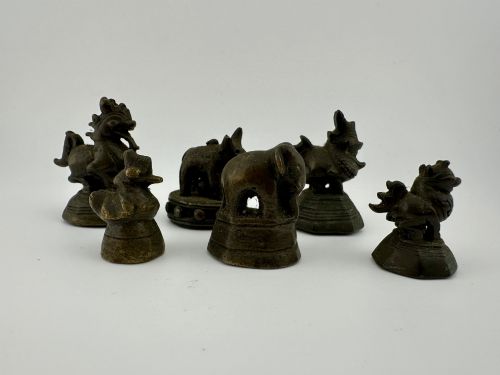
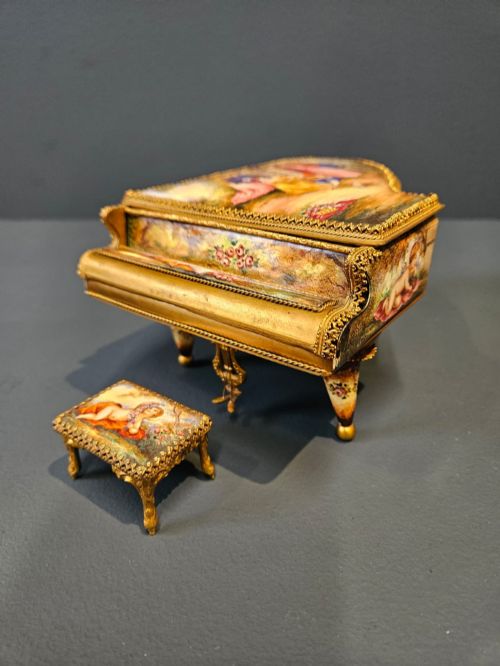
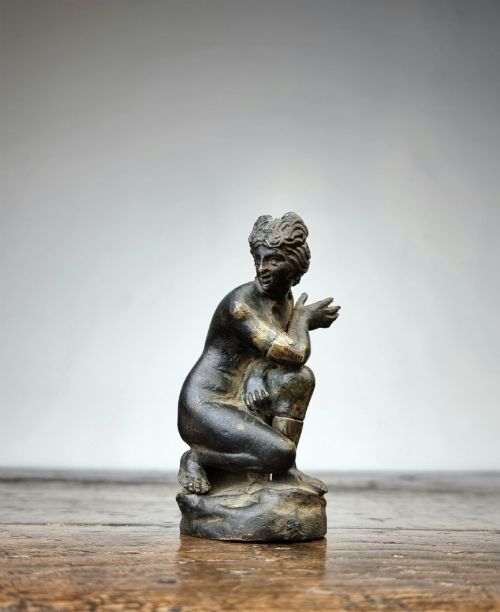
An antique bronze miniature condenses classical design, animal studies, and architectural scale models into a portable scale.
Antique Bronze Miniature
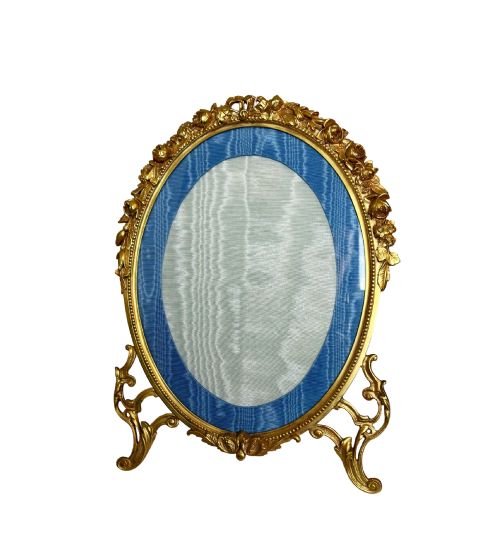
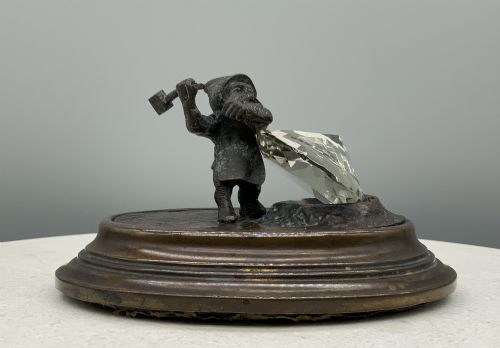
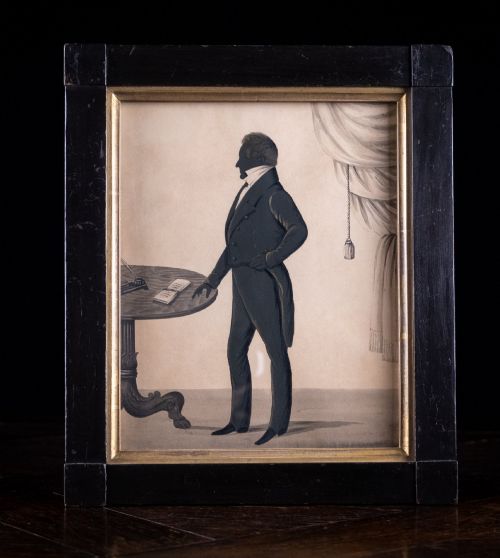
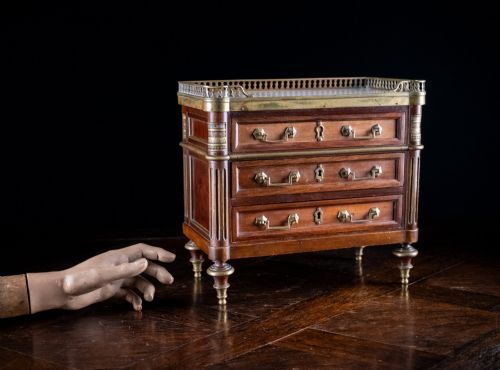
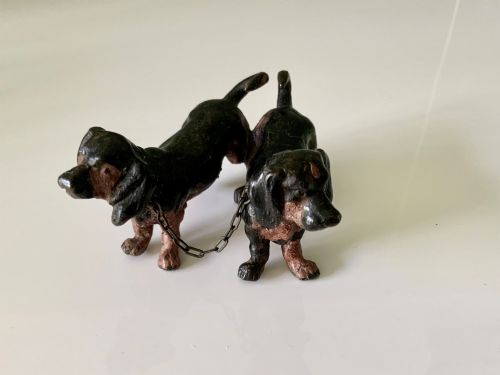
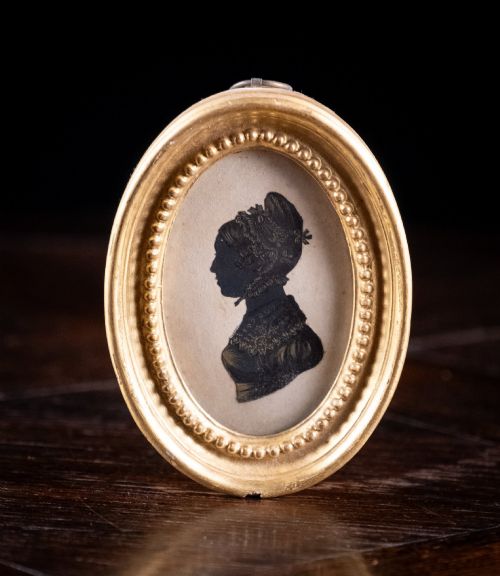
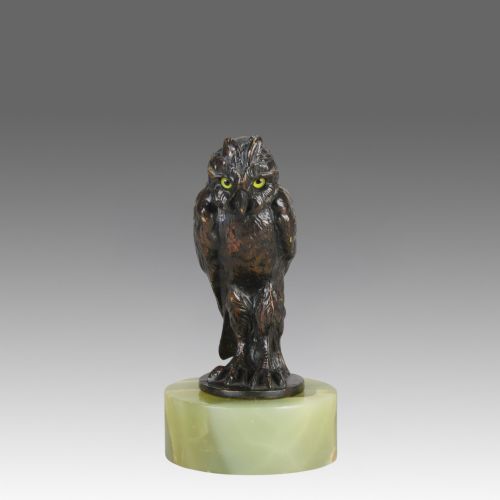
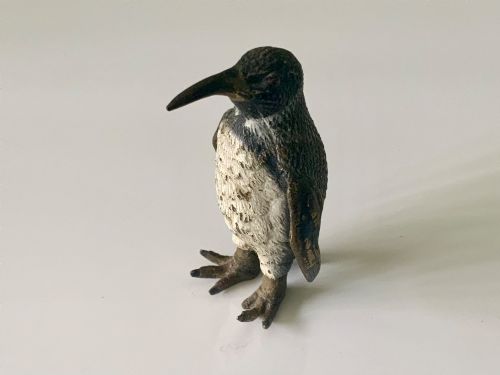
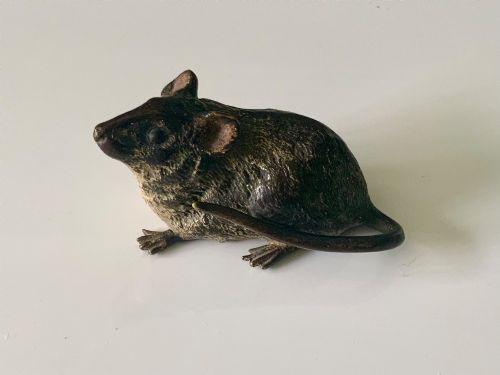
The objects commonly take the form of small animals, desk ornaments, carriage clocks, framed portraits, and miniature cannons or classical monuments. Pieces originating from Vienna workshops and French foundries dominate the available selection, alongside English silhouettes and Italian souvenir models.
How they were made
Foundries produced these small works primarily in bronze, brass, and gilt bronze, occasionally incorporating materials like enamel, marble, glass, and wood for bases or decorative accents. Many Austrian animal figures utilised the cold-painted technique, applying non-fired oil paint directly onto the metal surface after casting.
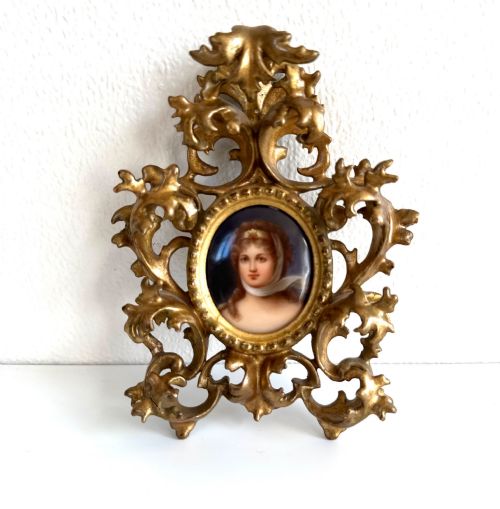
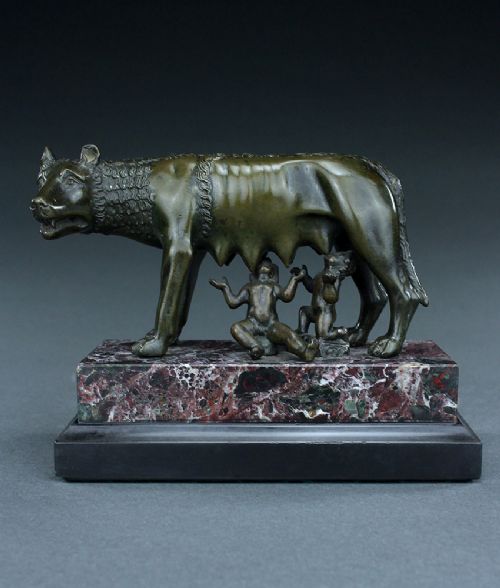
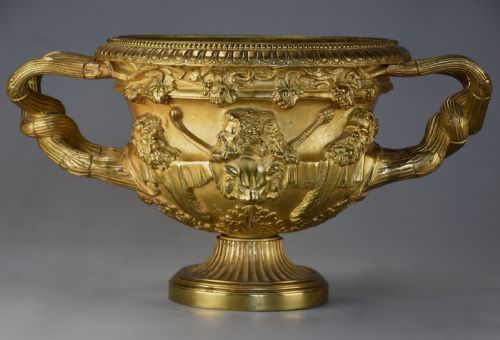
Grand Tour architectural models and classical reductions relied on precise metal casting to capture fine details of ancient ruins and sculptures on a small scale. Other items combine cast bronze frames with hand-painted portrait miniatures on ivory or card, secured beneath protective glass.
Listings feature items spanning the 17th century to the Art Deco era, encompassing bronze, brass, enamel, and marble.
What varies in quality
The refinement of the casting and the crispness of the chased surface details largely determine the distinction between average production and superior work. Grand Tour bronzes and animal figures show greater merit when the proportions remain accurate to the antique originals and the patination possesses depth and subtlety.
In painted examples, the precision of the brushwork on cold-painted surfaces or portrait miniatures dictates the overall standard. Pieces bearing signatures from known artists or specific foundry marks demonstrate higher workshop execution.
George Atkinson·Jean Antoine Houdon·Rodier·Susie Lassam·H. Chiparus·Dumont·Payne London
The Antique Bronze Miniature Glossary
- Vienna bronze
- Small metal sculptures produced in Austrian foundries, characterised by realistic or whimsical animal subjects and polychrome cold-painted finishes. These pieces gained immense popularity during the late 19th and early 20th centuries.
- Grand Tour
- Souvenir objects purchased by travellers during cultural excursions through Europe, particularly Italy, during the 18th and 19th centuries. They typically replicate classical architecture, ruins, or famous sculptures in miniature bronze.
- Cold-painted
- A colouring method where paint is applied to a bronze casting without subsequent high-temperature firing. This technique requires careful handling to preserve the delicate pigment over time.
- Ormolu
- Gilt bronze decorative metalwork produced by applying a finely ground gold-mercury amalgam to a bronze base. The method creates a rich golden finish frequently seen on French clock cases and picture frames.
- Silhouette
- A portrait profile cut from black paper or painted onto card, glass, or metal. These works often feature delicate gilt highlights and were widely produced during the Regency and Victorian periods.
Antique Bronze Miniature: Frequently Asked Questions
What is a cold-painted bronze?
A cold-painted bronze is a small metal sculpture finished with non-fired oil paint applied directly to the cast surface. This technique allowed makers to achieve lifelike colouration on animals and human figures.
Collectors should handle these pieces with care because the unbaked pigment can chip or flake if subjected to friction or moisture over the decades.
Why were Grand Tour miniatures made?
Grand Tour miniatures served as sophisticated souvenirs for travellers exploring the classical sites of Italy and France. Wealthy collectors purchased these small bronzes to commemorate their travels and display their classical education at home.
These items allowed owners to bring iconic architecture and antique sculpture into private studies and drawing rooms on a manageable scale.
How do I care for antique bronze?
Antique bronze requires minimal intervention, relying primarily on gentle dusting with a soft, dry brush. Avoid using commercial metal polishes, as abrasive cleaners can strip away historical patinas and damage cold-painted surfaces.
Stable indoor humidity and protection from direct sunlight help preserve both the metal body and any associated painted or glazed components.
How are 19th-century miniatures dated?
Dating relies on stylistic clues, casting techniques, material combinations, and occasional signatures or foundry stamps inscribed on the base. Comparing the subject matter to known historical periods, such as Regency or Art Deco, provides further chronological context.
Archival records and maker marks help narrow down the decade of production for specific clocks, frames, and sculptural casts.