





Antique Bronze Cat Ornament
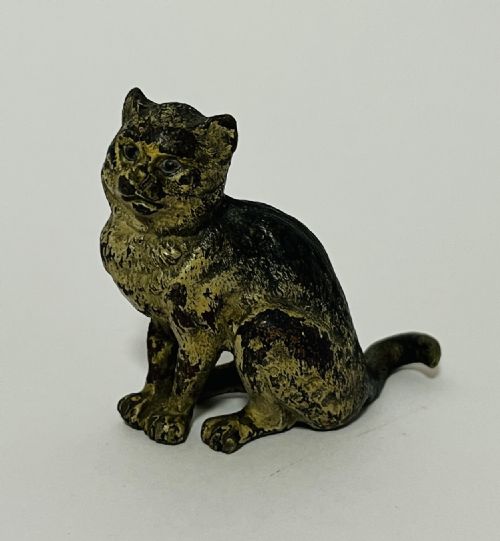
These antique bronze cat ornament pieces bring spirited feline forms into domestic spaces through enduring metalwork.
Antique Bronze Cat Ornament
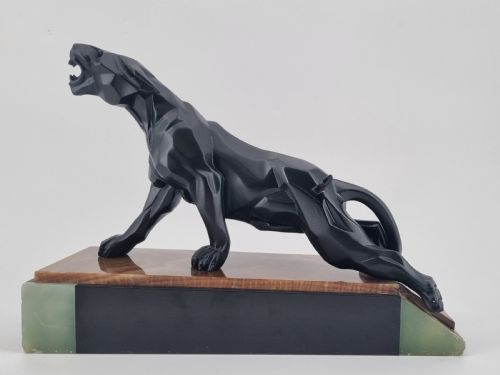
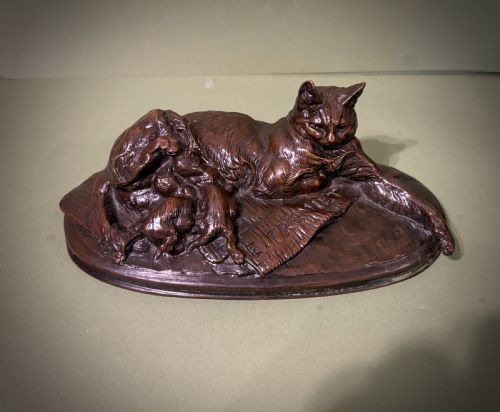
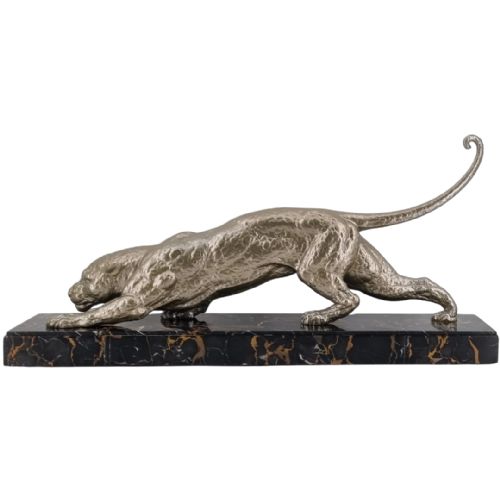
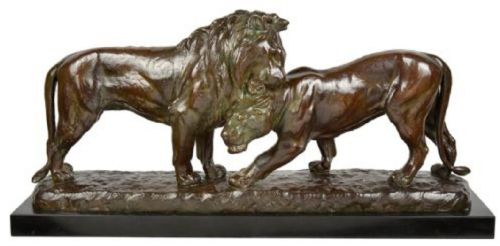
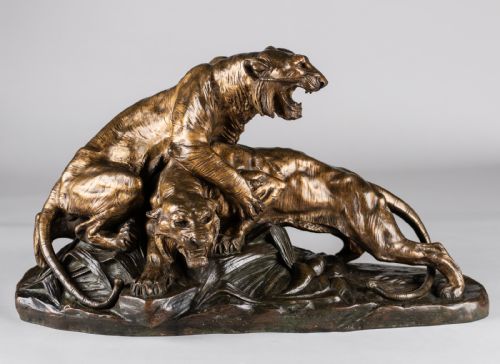
Collectors seeking an antique bronze cat ornament encounter a variety of sculptural studies, desk accessories, and animalier figures produced across the nineteenth and early twentieth centuries. These works capture cats alongside larger feline studies such as panthers, tigers, and lions, often mounted upon marble bases.
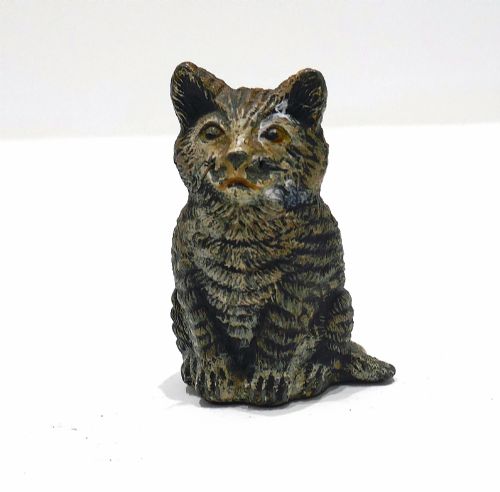
The objects span distinct aesthetic movements, ranging from French Animalier realism of the mid-nineteenth century to sleek Art Deco interpretations from the 1920s and 1930s. Vienna bronzes and cold-painted Austrian desk accessories also appear frequently among these offerings.
Pieces frequently reflect the craftsmanship of renowned European sculptors and workshops working in bronze, cold paint, and patinated metal. Domestic settings benefit from these compact sculptures and pen wipes, which double as functional desk items and decorative shelf figures.
Materials and methods of production
Many sculptures were paired with contrasting heavy plinths, including Portoro marble and plain black marble bases, providing stability and visual weight to the metalwork.
Antique Bronze Cat Ornament Retail Price Guide 2026
Typical asking prices for bronze cat ornament among the pieces listed under this phrase on Sellingantiques today, from the lower quarter to the upper quarter. They describe what is for sale here now, not the wider market.
Cats and panthers share shelf space here, proving that domestic felines and big cats make equally dignified desktop companions.
Assessing sculptural distinction
The success of a piece rests upon the fidelity of the casting and the precision of the chasing, where crisp muscle definition and fine fur texture elevate a study above standard commercial output. Artist signatures and foundry marks provide tangible evidence of origin and authorship.
The integrity of the surface finish dictates visual appeal, as intact cold paint and stable patination preserve the intended appearance. Furthermore, the quality and condition of the marble base contribute significantly to the overall presence of the object.
FREMIET·D. H. Chiparus·Michel Decoux·Louis Riche·E.Drouot
The Antique Bronze Cat Ornament Glossary
- Animalier
- A nineteenth-century French artistic movement focused on the realistic depiction of animals, particularly predators and domestic pets in motion or repose. This style prioritises anatomical accuracy and lifelike poses.
- Cold-Painted Bronze
- Bronze sculpture decorated with cold-painted pigments applied after casting, rather than fired in a kiln. This technique yields vibrant surface hues that remain delicate over time.
- Spelter
- A zinc alloy frequently utilised as a cost-effective substitute for bronze in decorative figures and Art Deco sculptures. It takes patination well but possesses a lighter weight and softer composition than bronze.
- Patinated Metal
- Metal treated with chemicals, heat, or acids to alter its surface colour and create an aged protective skin. This process enhances sculptural contours and deepens shadows.
- Portoro Marble
- A distinctive black Italian marble featuring prominent gold and yellow veins, frequently utilised as a decorative mounting base. It adds luxury and colour contrast to nineteenth-century desk ornaments and sculptures.
Antique Bronze Cat Ornament: Frequently Asked Questions
What is an animalier bronze?
An animalier bronze is a nineteenth-century sculptural work dedicated to realistic depictions of animals, capturing naturalistic movements and behaviours.
These pieces were produced primarily in France by specialised sculptors who studied anatomy closely.
How do I care for cold-painted bronze?
Cold-painted bronze requires gentle dusting with a soft, dry cloth and protection from direct sunlight and moisture.
Because the paint is unfired, liquid cleaners and harsh rubbing will damage the delicate surface layer.
What distinguishes spelter from bronze?
Spelter is a softer zinc alloy that feels lighter than bronze and often shows a different grain structure where the surface is worn.
Bronze is heavier, more durable, and capable of holding finer detail during the casting process.
Why are some figures mounted on marble?
Marble bases provided necessary weight to anchor slender sculptures and offered a clean architectural contrast to the metal.
Black and Portoro marble plinths were especially popular during the Art Deco and late nineteenth-century periods.