
Antique Bronze Casting
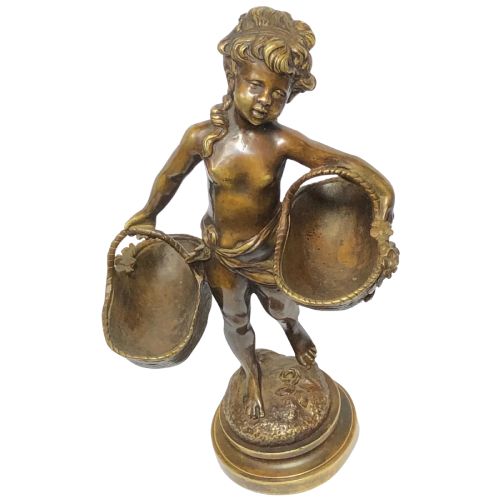
When you handle antique bronze casting, you hold centuries of foundry work in figures, vessels and lamps.
Antique Bronze Casting
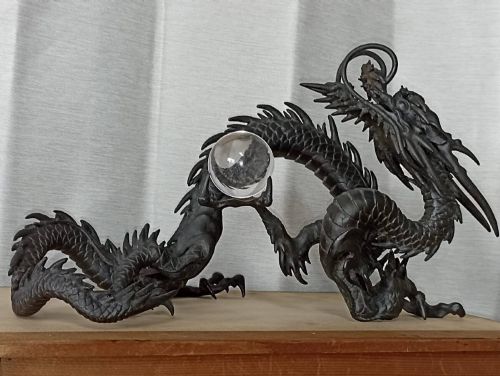
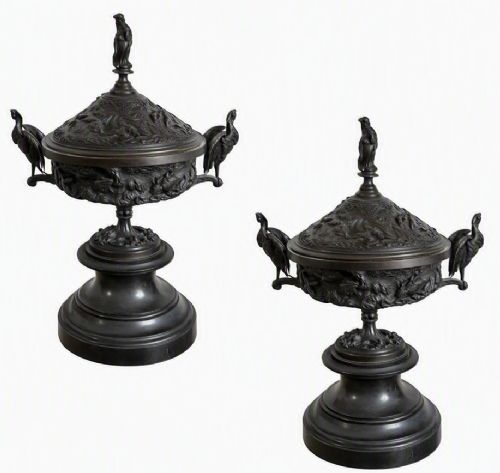
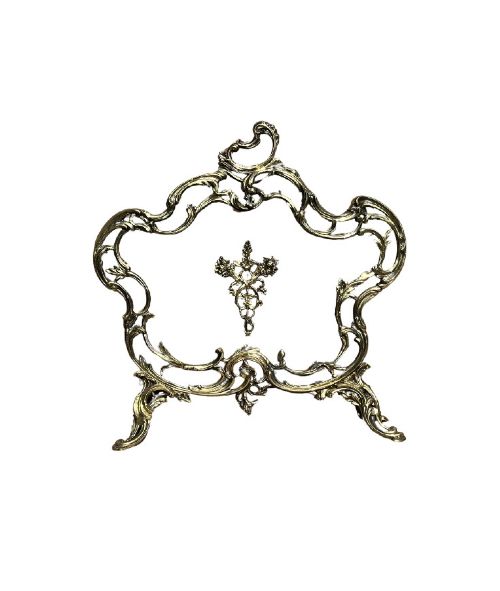
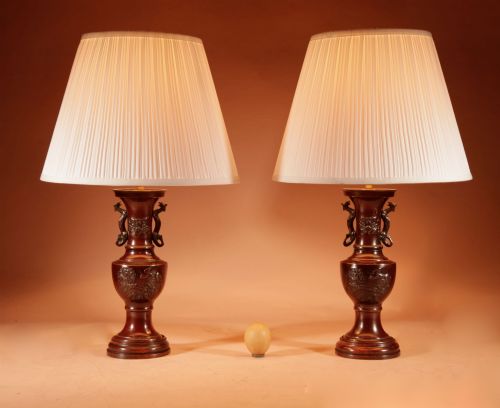
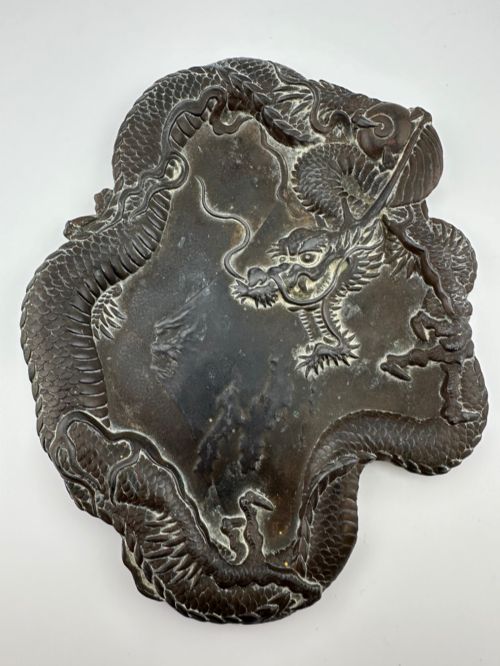
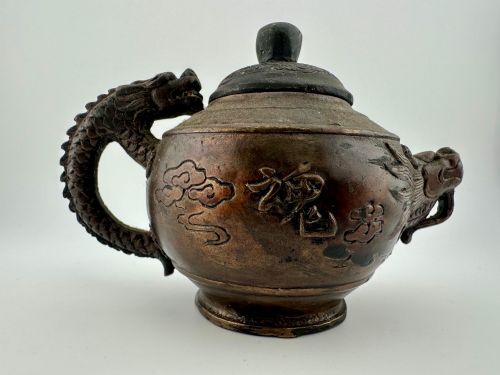
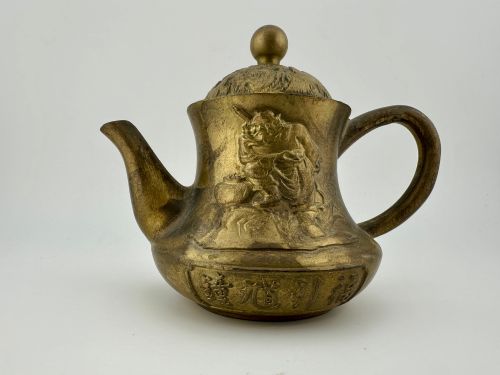
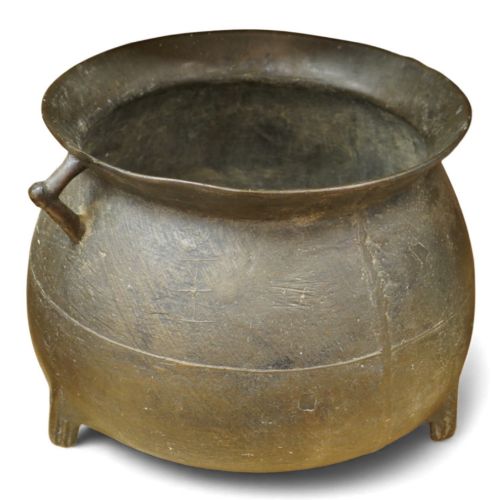
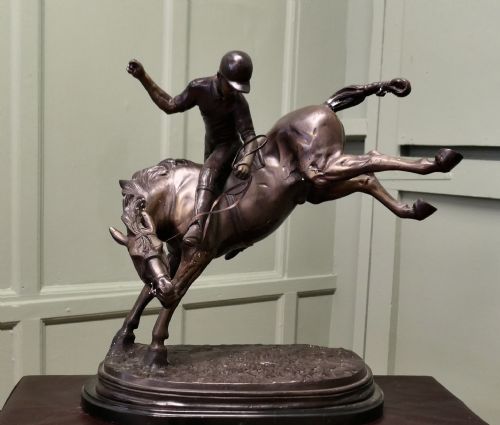
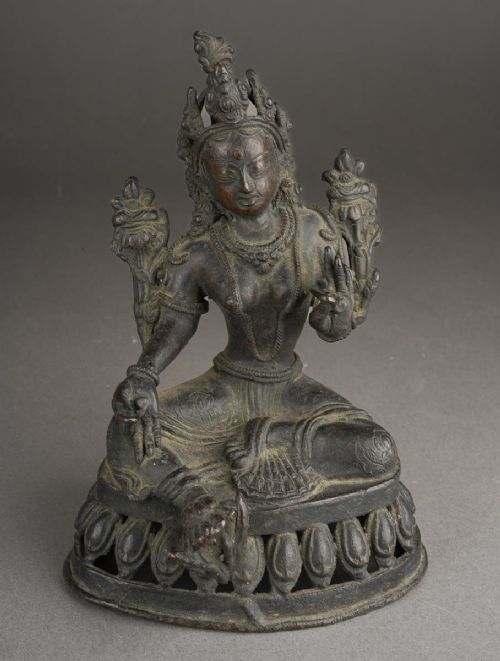
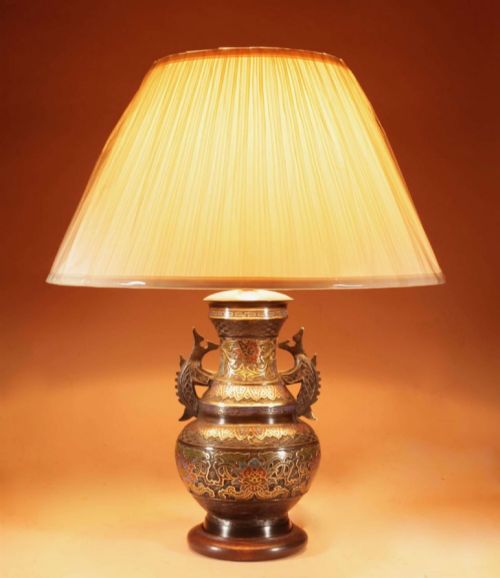
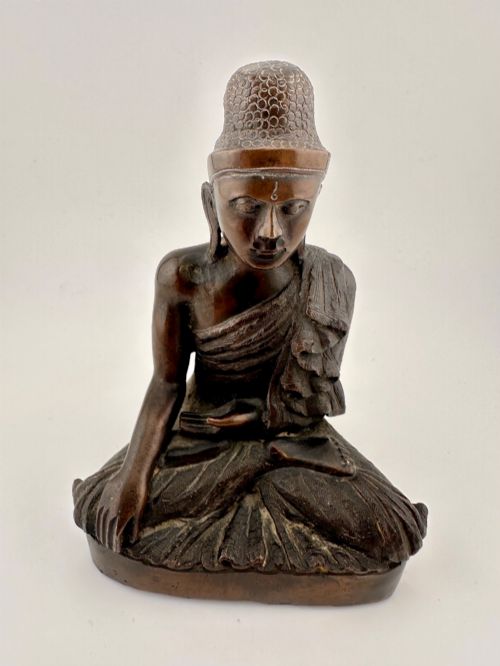
An antique bronze casting encompasses a wide array of historical metalwork found on this page, ranging from nineteenth-century animal figures and classical table lamps to sixteenth-century scholar objects. Buyers encounter diverse regional traditions, including Japanese Meiji period vases, French ormolu mounts, and Burmese Buddhist statues.
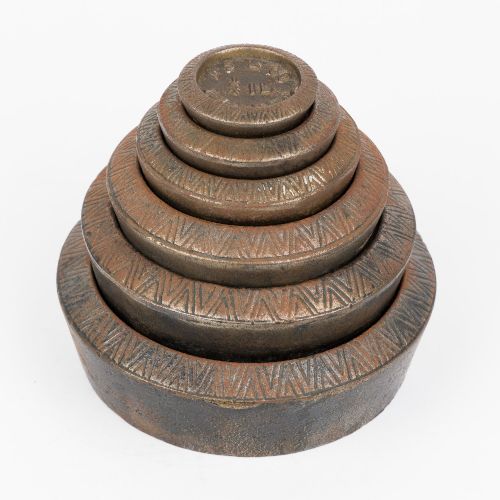
The objects serve multiple decorative and utilitarian purposes across centuries, taking the form of candlesticks, doorstops, desk paperweights, and architectural lighting. Nineteenth-century examples predominate, alongside earlier European interpretations and Asian foundry pieces.
How they were made
Foundries shaped these items primarily through traditional metal pouring methods, utilising bronze, brass, cast iron, and ormolu combined with marble or uranium glass. Artisans often applied fire-gilding, cold painting, or dark patination to finish the surfaces after the metal cooled.
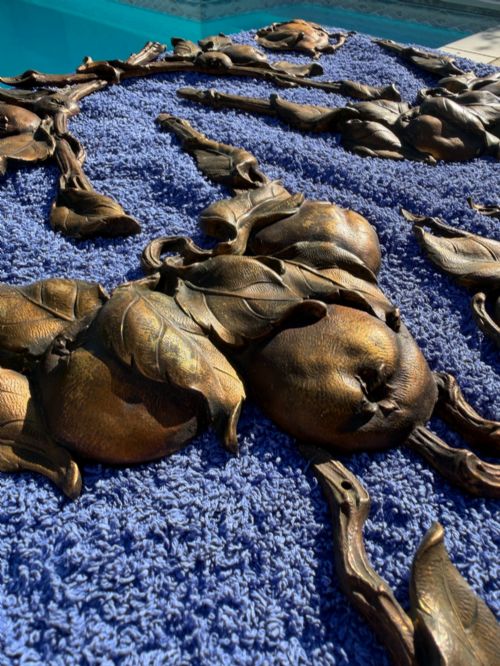
Makers utilised skilled techniques for solid-cast or hollow figures, incorporating fine relief work, appliques, and cast mounts. The physical evidence shows careful attention to detail in chasing and finishing across diverse European and Asian workshops.
Listings feature items spanning the 16th century to the 1930s, utilising bronze, brass, cast iron, and ormolu.
What varies in quality
The prestige of the foundry or the known hand of a modeller elevates certain pieces above standard decorative production. Quality rests on the fidelity of the cast to the original model and the preservation of the surface finish over time.
Poix Blin·P J Mêne·Moreau Family
The Antique Bronze Casting Glossary
- Animalier
- A nineteenth-century artistic style focusing on the realistic portrayal of animals. Sculptors in this tradition captured beasts in dynamic or naturalistic poses.
- Ormolu
- Gilded bronze ornamentation applied to furniture or decorative objects. French workshops utilised this technique extensively during the eighteenth and nineteenth centuries.
- Patination
- The natural or artificial surface coloration of bronze over time. Chemical treatments or handling create distinct brown, green, or dark tones on the metal.
- Applique
- A decorative metal element applied to a larger surface or object. These pieces are frequently found on furniture and lighting fixtures from the nineteenth century.
- Grand Tour
- Souvenirs and classical models acquired by travellers during European journeys. These items often replicate ancient sculptures or architectural elements in miniature bronze.
Antique Bronze Casting: Frequently Asked Questions
How do I clean antique bronze?
Dust the surface gently with a soft, dry brush to remove particles without disturbing the underlying patina.
Avoid commercial metal polishes or harsh chemical cleaners, as these agents strip away historical surface finishes.
What is animalier bronze?
Animalier refers to nineteenth-century sculptures depicting animals in realistic action or repose.
Foundries produced numerous studies of dogs, bears, and birds during this period with high sculptural fidelity.
How can I date a casting?
Examine the style of the base, the method of assembly, and the characteristics of the surface patination.
Compare the object's form against documented periods like the Meiji era or Victorian design epochs.
Are these pieces solid bronze?
Composition varies between solid-cast metal objects and hollow-cast figures or decorative vessels.
Weight, construction seams, and base openings usually indicate whether a piece is solid or hollow.